Chills — Explained by Medical Evidence, Not Myths

Chills are a symptom, not a disease, and often happen when the body is adjusting its temperature. Fever, infections, and exposure to cold are common causes, but chills can also occur without fever.
Key Takeaways
- Chills are a symptom, not a disease, and often happen when the body is adjusting its temperature.
- Fever, infections, and exposure to cold are common causes, but chills can also occur without fever.
- The meaning of chills depends on the full picture, including other symptoms, recent illness, medicines, and medical history.
- Persistent, severe, or unexplained chills should be assessed by a qualified doctor.
- Self-care may help mild cases, but treatment depends on the underlying cause.
Chills are episodes of feeling cold, shivery, or shaky as the body tries to raise or regulate its temperature. They commonly occur with fever and infections, but chills can also happen without fever due to environmental exposure, low blood sugar, anxiety, medication effects, and other medical conditions.
Overview: what chills usually mean
Chills are sudden feelings of coldness, shivering, or trembling that may happen even in a warm room. They are often the body’s normal response when it is trying to raise its internal temperature, which is why chills commonly happen just before or during a fever. In many people, chills are short-lived and improve once the body temperature stabilizes.
Although chills are frequently linked to infections such as colds, flu, or other viral illnesses, they are not caused by infection alone. They may also occur after exposure to cold weather, during strong emotional stress, after vigorous exercise, or because of certain medicines and medical conditions. Chills can happen with sweating, weakness, headache, nausea, or body aches, depending on the cause.
The key point is that chills are a symptom rather than a diagnosis. On their own, they do not reveal exactly what is wrong. The meaning of chills depends on details such as whether fever is present, how long symptoms last, whether there is pain, rash, cough, urinary symptoms, or shortness of breath, and whether a person has chronic conditions or a weakened immune system.
How chills feel and what symptoms may come with them
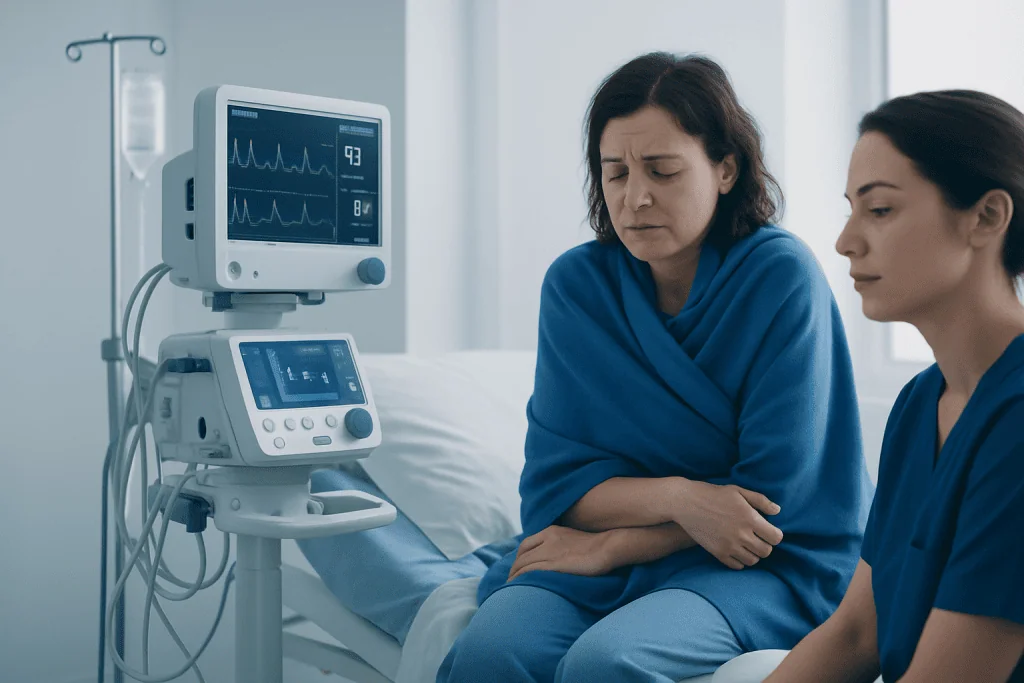
People describe chills in different ways. Some feel a wave of cold that is hard to shake, while others notice goosebumps, teeth chattering, shaking, or trembling muscles. A person may also feel suddenly tired, flushed, sweaty, or generally unwell. Sometimes the body alternates between feeling cold and then hot as temperature regulation changes.
When chills happen with fever, the body may be resetting to a higher temperature, often because the immune system is responding to an infection or inflammation. During this process, the person may feel cold even though their temperature is rising. Later, as the fever breaks, sweating may become more noticeable.
Other symptoms can help point toward the cause. A sore throat, runny nose, cough, and body aches may suggest a viral infection. Burning with urination or flank pain can suggest a urinary tract problem. Stomach cramps, vomiting, or diarrhea may indicate a gastrointestinal infection. If chills occur with dizziness, confusion, chest pain, or breathing difficulty, prompt medical evaluation is important.
- Common associated symptoms include fever, sweating, fatigue, headache, and muscle aches.
- Some people have chills without fever, especially with anxiety, low blood sugar, or cold exposure.
- Repeated chills that keep returning may need medical assessment, even if they seem mild.
Common causes of chills

Infections are one of the most common reasons for chills. Viral illnesses such as influenza, COVID-19, and other respiratory infections can trigger chills along with fever, cough, and fatigue. Bacterial infections can also cause chills, especially when the body is mounting a stronger inflammatory response. Examples include pneumonia, kidney infection, or skin and soft tissue infections. If needed, a doctor may evaluate symptoms with tests related to infectious diseases.
Environmental and physical triggers are also common. Being in a cold place, getting wet in low temperatures, or having reduced body heat after prolonged exposure can lead to chills. In some people, intense exercise, dehydration, or exhaustion can temporarily affect temperature regulation. Chills may also happen after anesthesia or certain medical procedures as the body recovers.
Not all chills come from fever or infection. Low blood sugar can cause shakiness and feeling cold, especially in people with diabetes or those who have not eaten for a long period. Anxiety and panic can create a strong surge of stress hormones that produces trembling and chills. Certain medications, withdrawal from alcohol or drugs, and immune or inflammatory conditions may also contribute. In some cases, hormone-related issues such as thyroid dysfunction can affect body temperature and energy levels.
Less commonly, chills may be related to serious infections in the bloodstream or severe inflammatory responses. This is why context matters. Chills that are intense, recurrent, or paired with severe weakness or confusion deserve professional attention rather than home observation alone.
Chills without fever: what can explain them
Many people expect chills to always come with a high temperature, but that is not always the case. Chills without fever can happen when the body senses cold, when blood sugar drops, or when stress causes muscle tension and trembling. They may also occur early in an illness before a measurable fever develops, or after a fever has already passed.
Anxiety is a common noninfectious cause. During stress, the body activates its “fight or flight” response, which can narrow blood vessels, increase muscle activity, and produce a shaky or cold sensation. This does not mean the symptoms are imagined; it reflects a real physical response to stress hormones.
Endocrine and metabolic causes are also possible. A low thyroid level may make a person feel cold more easily, while poor nutrition, anemia, or low body weight can reduce heat production. People with diabetes may have chills if blood sugar becomes too low. In some situations, doctors may suggest blood tests or broader check-up and screening to look for underlying contributors.
If chills occur repeatedly without a clear reason, especially alongside weight loss, persistent fatigue, night sweats, or ongoing pain, a doctor can help identify whether there is an infection, hormone problem, blood condition, or another medical issue that needs treatment.
How doctors evaluate chills
Medical evaluation begins with a careful history. Doctors usually ask when the chills started, whether fever is present, how long episodes last, and what other symptoms are occurring. They may ask about recent travel, sick contacts, urinary symptoms, cough, recent procedures, medicines, immune status, and chronic illnesses. These details often narrow the likely causes significantly.
A physical examination may include temperature, pulse, blood pressure, breathing rate, oxygen level, and a general assessment of hydration and appearance. Depending on symptoms, the doctor may examine the throat, ears, chest, abdomen, skin, and lymph nodes. If there is concern for respiratory illness, urinary infection, or another source, targeted tests may be needed.
Testing is not necessary for every episode of chills. Mild chills with a short viral illness often improve with rest and fluids. However, if symptoms are significant or persistent, doctors may order blood tests, urine tests, throat or nasal swabs, or imaging such as MRI or CT scan when another condition is suspected. In some situations, a chest evaluation or X-ray may help identify pneumonia or other causes. The goal is to treat the cause, not just the symptom.
Treatment options and home care
Treatment for chills depends entirely on why they are happening. If a viral infection is the cause, care is usually supportive and may include rest, hydration, light meals, and medication recommended by a doctor to ease discomfort or fever. If a bacterial infection is diagnosed, antibiotics may be needed. For chills related to low blood sugar, the priority is correcting glucose safely and reviewing diabetes management if relevant.
Simple self-care often helps with mild chills. Wearing warm layers, using a blanket, drinking fluids, and resting can make a person more comfortable. If fever is present, it is best not to overheat the body with heavy covers. The aim is comfort, not forcing temperature changes too quickly. A lukewarm environment is usually more soothing than a very hot one.
When anxiety is contributing, slow breathing, hydration, light food if meals were missed, and stepping into a calm environment may reduce symptoms. If chills are recurrent because of an ongoing medical condition, treatment may involve addressing thyroid disease, nutritional deficiencies, inflammatory disease, or medication side effects. A clinician can decide whether further evaluation is needed.
Near the end of the care pathway, some people benefit from coordinated assessment across specialties. Acibadem International’s multidisciplinary specialists in JCI-accredited hospitals diagnose and treat conditions that may present with chills in international patients when broader evaluation is required.
Prevention and self-care habits
Not all causes of chills can be prevented, but a few habits reduce risk. Good hand hygiene, staying up to date with recommended vaccinations, and avoiding close contact with people who are acutely ill can lower the chance of infections that commonly trigger fever and chills. Adequate sleep, hydration, and regular meals also help the body regulate temperature and energy more effectively.
Protection from cold matters as well. Dressing in layers, changing out of wet clothes promptly, and keeping indoor spaces comfortably warm can help prevent cold-related chills. During exercise or outdoor activity, it helps to drink fluids, avoid overexertion in extreme temperatures, and recover gradually afterward.
For people with chronic conditions such as diabetes or thyroid disease, following the prescribed treatment plan can reduce episodes linked to blood sugar shifts or metabolic imbalance. If medications seem to trigger chills or shaking, a doctor or pharmacist should review them rather than stopping treatment without guidance.
When to seek medical care
Medical advice is recommended if chills are severe, keep returning, last more than a short time without a clear explanation, or come with a high fever, worsening cough, painful urination, persistent vomiting, severe diarrhea, or significant weakness. People who are pregnant, older adults, very young children, and those with weakened immune systems should be assessed earlier because infections may progress differently in these groups.
Urgent care is important if chills occur with shortness of breath, chest pain, confusion, fainting, blue lips, a stiff neck, severe dehydration, new rash, or signs of a serious infection. Chills after surgery, during cancer treatment, or in a person with a central line or known immune suppression also deserve prompt medical attention.
If the cause is not obvious, it is reasonable to document temperature, timing of symptoms, recent meals, medications, and any associated symptoms before the medical visit. That information can help a doctor identify whether the problem is most likely infectious, metabolic, inflammatory, or related to another condition.
Frequently asked questions
Are chills always a sign of fever?
No. Chills often occur with fever, but they can also happen without it. Cold exposure, anxiety, low blood sugar, and some medical conditions or medicines can all cause chills.
Why do chills happen before a fever?
When the body raises its temperature set point, a person may feel cold while the temperature is actually climbing. Shivering helps generate heat, which is why chills often happen early in a fever. Once the fever settles, sweating may follow.
Can chills be serious?
Sometimes. Mild chills with a short viral illness are common, but severe, persistent, or unexplained chills can signal a more significant infection or another medical problem. Medical attention is especially important if there is confusion, breathing trouble, chest pain, or signs of dehydration.
What helps relieve chills at home?
Rest, fluids, light clothing layers, and a comfortable room temperature are usually helpful. If fever or pain is present, a doctor may recommend medication for symptom relief. Home care should not replace medical evaluation when symptoms are severe or unusual.
What causes chills without fever?
Chills without fever can be linked to cold exposure, anxiety, low blood sugar, thyroid problems, poor nutrition, or early stages of an illness. Sometimes the cause is temporary and harmless, but repeated episodes should be discussed with a doctor. The full symptom pattern helps determine what is most likely.
When should someone call a doctor for chills?
A doctor should be contacted if chills are intense, keep returning, or occur with high fever, painful urination, persistent cough, vomiting, or marked weakness. Prompt care is also important for infants, older adults, pregnant people, and anyone with a weakened immune system.
References
- World Health Organization
- Centers for Disease Control and Prevention
- National Institute of Diabetes and Digestive and Kidney Diseases
- Mayo Clinic
- MedlinePlus
This article is for general information only and is not a substitute for professional medical advice. Please consult a qualified doctor about your individual situation.
Explore treatments in Turkey — costs, top hospitals & a free quote
JCI-accredited · board-certified surgeons · reply within 24h
Add us as a Preferred Source to see more of our trusted health content across Google Search, AI Overviews and Discover.