Chills Shivering No Fever: A Complete Medical Overview
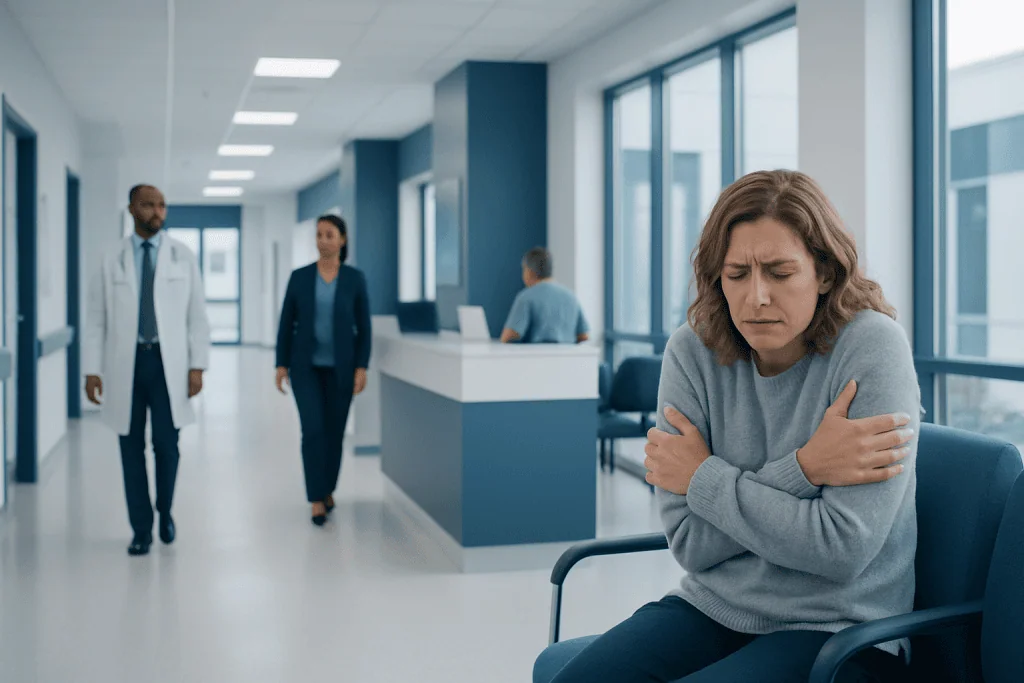
Chills without fever are a symptom, not a diagnosis, and can have many different causes. Common triggers include being cold, anxiety, dehydration, low blood sugar, and the early stages of infection.
Key Takeaways
- Chills without fever are a symptom, not a diagnosis, and can have many different causes.
- Common triggers include being cold, anxiety, dehydration, low blood sugar, and the early stages of infection.
- Associated symptoms such as weakness, chest pain, confusion, shortness of breath, or shaking that will not stop need prompt medical care.
- Doctors diagnose the cause by reviewing symptoms, medications, vital signs, and sometimes blood or urine tests.
- Treatment depends on the reason for the chills and may range from rest and fluids to targeted medical treatment.
Chills shivering no fever often means the body is trying to generate heat or reacting to stress, blood sugar changes, medications, or an early illness. While many causes are temporary and not serious, repeated, severe, or unexplained chills deserve medical evaluation.
Overview: What chills and shivering without fever can mean
Chills shivering no fever usually means a person feels cold and may shake even though their body temperature is normal. This can happen when the body is trying to warm itself, reacting to emotional stress, adjusting to changes in blood sugar, or responding to an illness before fever appears.
Chills are different from fever. A fever means the body temperature is higher than normal, while chills are the sensation of coldness and shaking that may happen with or without a temperature rise. Some people also describe goosebumps, trembling, or teeth chattering.
Because chills can have many causes, context matters. A brief episode after going outside in cold weather is very different from repeated chills with weight loss, fatigue, pain, or urinary symptoms. Looking at the whole symptom pattern helps identify whether the cause is harmless and short-lived or something that needs medical attention.
How chills feel and symptoms that may occur with them
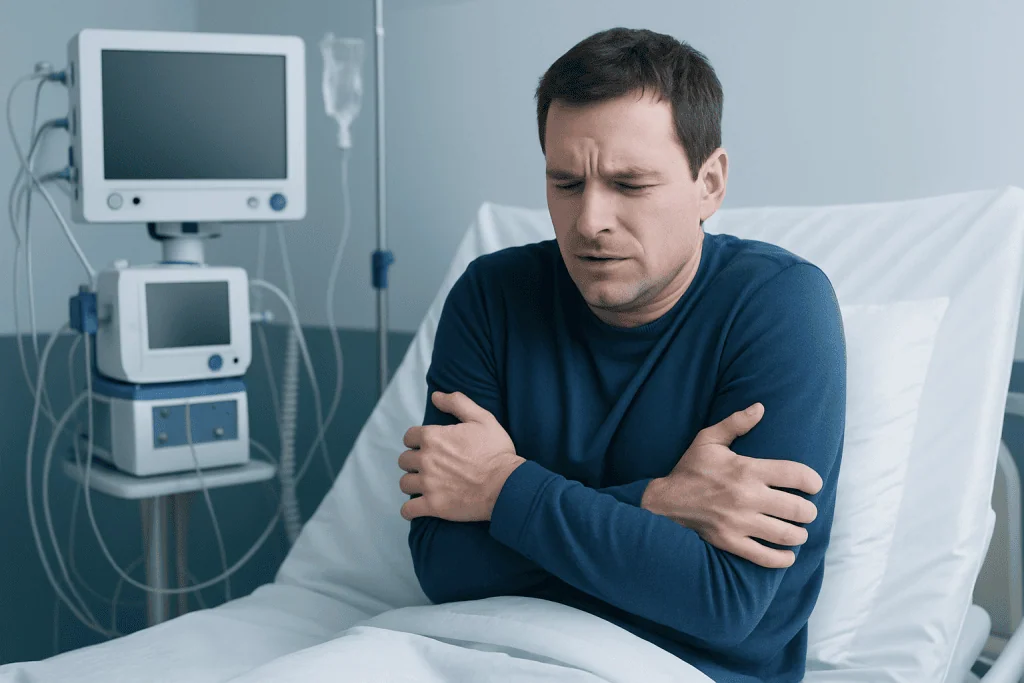
Shivering is the body’s natural way of making heat by rapid muscle movement. It may be mild, such as a subtle trembling sensation, or more noticeable with visible shaking. Some people experience chills in waves, while others feel constantly cold even in a warm room.
Other symptoms can offer clues to the cause. For example, sweating, nausea, dizziness, weakness, palpitations, headache, body aches, or anxiety may point in different directions. If chills occur with cough, sore throat, or congestion, an infection may be developing even before a fever starts.
It can be helpful to note when the chills begin, how long they last, and what else is happening at the time. Important details include recent meals, stress, medication changes, travel, sleep loss, exposure to cold, and whether there are signs such as pain with urination, abdominal discomfort, or rash.
- Feeling cold despite normal room temperature
- Visible shivering or trembling
- Goosebumps or teeth chattering
- Weakness, fatigue, or lightheadedness
- Body aches, sweating, or a sense of being unwell
Common causes and risk factors

One of the most common reasons for chills without fever is simple cold exposure. Wet clothing, air conditioning, winter weather, or being undernourished can make the body lose heat faster than expected. Dehydration and fatigue can also reduce the body’s ability to regulate temperature comfortably.
Stress and anxiety are another frequent cause. During a stress response, the body releases hormones that can lead to shaking, trembling, and a sensation of coldness. Panic attacks may also cause chills together with rapid heartbeat, shortness of breath, chest tightness, and tingling.
Blood sugar changes can trigger chills, especially if a person has not eaten for several hours, exercises intensely, or has diabetes. Low blood sugar may cause shakiness, sweating, hunger, irritability, and difficulty concentrating. Hormonal conditions such as thyroid disorders may also affect temperature sensitivity and energy levels, sometimes leading to a persistent feeling of being cold.
In some cases, chills appear early in an infection before fever develops, or in infections that do not always cause fever. Examples include some viral illnesses, urinary tract infections, and pneumonia. Medication side effects, alcohol withdrawal, anemia, poor circulation, and chronic inflammatory conditions may also contribute to unexplained chills.
When chills without fever may signal a medical problem
Chills become more concerning when they are severe, keep returning, or happen together with other warning symptoms. While many episodes are minor, persistent chills may reflect an underlying issue such as infection, endocrine imbalance, anemia, or another condition affecting the body’s internal regulation.
Red-flag symptoms include chest pain, breathing difficulty, confusion, fainting, severe weakness, new bluish lips or fingertips, or shaking that does not settle. Chills with burning urination, back pain, severe abdominal pain, or worsening cough can suggest an infection that needs medical care. If there is shortness of breath, wheezing, or chest discomfort, a clinician may also need to evaluate related lung symptoms and may recommend bronchoscopy in selected cases.
Older adults, young children, pregnant people, and those with diabetes, cancer, immune system problems, or significant heart or lung disease should be especially careful. In these groups, serious illness may be present even without a clear fever. Recurrent chills after surgery or during recovery also deserve prompt assessment.
How doctors diagnose the cause
Diagnosis starts with a medical history and physical examination. A doctor will ask about timing, triggers, recent infections, travel, stress, appetite, weight changes, medications, and other symptoms. Measuring temperature, blood pressure, heart rate, oxygen level, and blood sugar can provide useful immediate clues.
Depending on the situation, tests may include blood work to look for infection, anemia, inflammation, thyroid problems, or glucose changes. A urine test may be used if there are urinary symptoms, and imaging may be considered if lung or abdominal disease is suspected. For a persistent cough, chest discomfort, or breathing symptoms, a doctor may investigate for bronchitis or other respiratory conditions.
The goal is not just to confirm that chills are present, but to identify why they are happening. Many people need only a simple evaluation and reassurance, while others may need further testing if symptoms are prolonged, unexplained, or associated with signs of systemic illness.
Treatment options and self-care
Treatment depends on the cause. If chills are related to cold exposure, warming up gradually, changing into dry clothing, and drinking fluids may be enough. If low blood sugar is suspected, eating or drinking a quick source of carbohydrates and then having a balanced meal may help, though repeated episodes should be discussed with a doctor.
When stress or anxiety is the trigger, slow breathing, hydration, rest, and reducing stimulants such as excess caffeine can be useful. If symptoms are linked to medications, a clinician can review whether a change is needed. Infections may require supportive care, targeted medicines, or further evaluation depending on the location and severity of illness.
People with repeated or unexplained symptoms should avoid self-diagnosing for too long. Medical assessment may identify a treatable issue such as anemia, thyroid disease, diabetes-related glucose swings, or a hidden infection. If breathing symptoms, persistent mucus, or airway concerns are part of the picture, physicians may consider tests or procedures such as airway evaluation when appropriate.
Near the end of the care pathway, some patients may benefit from multidisciplinary assessment. Acibadem International’s specialists in JCI-accredited hospitals diagnose and treat a wide range of conditions for international patients when further evaluation is needed.
Prevention and everyday habits that may help
Not all chills can be prevented, but simple habits may reduce episodes. Dressing appropriately for the temperature, staying dry, eating regularly, and keeping well hydrated support normal temperature regulation. Adequate sleep also helps the body respond better to stress and infection.
For people who notice chills during anxious moments, stress management can make a real difference. Gentle exercise, breathing exercises, limiting excess alcohol, and moderating caffeine may reduce tremor-like sensations in some individuals. People with diabetes should follow their usual glucose monitoring and care plan to reduce blood sugar-related symptoms.
If chills tend to occur with recurring illnesses, addressing the underlying condition is the most effective prevention. This might include management of respiratory disease, anemia, thyroid problems, or urinary infections. Preventive checkups are especially valuable when symptoms come back repeatedly without a clear reason.
When to seek medical care
A person should seek medical care if chills without fever are severe, keep returning, last more than a short time, or come with symptoms that suggest illness. Important examples include chest pain, shortness of breath, confusion, fainting, severe dehydration, persistent vomiting, or significant weakness.
Medical evaluation is also important if chills are associated with pain when urinating, new cough, abdominal pain, rash, unexplained weight loss, or night sweats. People with chronic illnesses, weakened immunity, pregnancy, or advanced age should contact a healthcare professional sooner rather than later.
Emergency care may be needed if there is trouble breathing, a change in mental status, blue lips, or rapidly worsening symptoms. Even when the cause turns out to be minor, prompt assessment can provide reassurance and help rule out conditions that should not be missed.
Frequently asked questions
Can chills happen without a fever?
Yes. Chills can happen even when body temperature is normal. Common reasons include cold exposure, anxiety, low blood sugar, dehydration, medication effects, or the early phase of an infection.
Why do I have chills but no fever at night?
Nighttime chills may be related to a cool sleeping environment, blood sugar changes, stress, or illness that becomes more noticeable at night. If they happen often or come with night sweats, weight loss, cough, or pain, a medical review is important.
Are chills without fever a sign of infection?
They can be. Some infections cause chills before fever appears, and some people, especially older adults, may not develop a strong fever response. Chills with cough, sore throat, painful urination, or body aches should be evaluated in context.
Can anxiety cause shivering and chills?
Yes. Anxiety and panic can trigger trembling, feeling cold, goosebumps, and shaking through the body's stress response. However, if symptoms are new, severe, or difficult to distinguish from a medical problem, a doctor should assess them.
Should low blood sugar be considered when chills happen?
Yes, especially if chills come with shakiness, sweating, hunger, irritability, or lightheadedness. This is more relevant in people with diabetes, people who skip meals, or those who exercise intensely without enough food.
When are chills without fever an emergency?
Urgent care is needed if chills happen with trouble breathing, chest pain, confusion, fainting, blue lips, severe weakness, or rapidly worsening illness. These features may point to a serious underlying problem rather than a simple temperature response.
References
- Centers for Disease Control and Prevention
- National Institute of Diabetes and Digestive and Kidney Diseases
- National Heart, Lung, and Blood Institute
- Mayo Clinic
- MedlinePlus
This article is for general information only and is not a substitute for professional medical advice. Please consult a qualified doctor about your individual situation.
Explore treatments in Turkey — costs, top hospitals & a free quote
JCI-accredited · board-certified surgeons · reply within 24h
Add us as a Preferred Source to see more of our trusted health content across Google Search, AI Overviews and Discover.

More from the Health Library

Personality Histrionic — Explained by Medical Evidence, Not Myths

Mindbodygreen: An Evidence-Based Guide for Patients
Ofloxacin Eye Drops: What Patients Need to Know

Advantages and disadvantages of birth control pills: A Complete Medical Guide for Patients

GERD Breakfast: A Complete Medical Overview
Esthetician: A Complete Medical Overview
Infectious Diseases & Clinical Microbiology Specialists at Acibadem

Prof. Dr. A. Çağrı Büke
Infectious Diseases & Clinical Microbiology
Dr. Ahmad Nejat Ghaffarı
Infectious Diseases & Clinical Microbiology
Assoc. Prof. Dr. Aslıhan Demirel
Infectious Diseases & Clinical Microbiology
Dr. Aytan Seydalıyeva
Infectious Diseases & Clinical Microbiology