

Chlamydia Tes: What Patients Need to Know

A chlamydia tes usually involves a urine sample or a swab, depending on symptoms and exposure. Many people with chlamydia have no symptoms, so testing is important after unprotected sex or a new partner.
Key Takeaways
- A chlamydia tes usually involves a urine sample or a swab, depending on symptoms and exposure.
- Many people with chlamydia have no symptoms, so testing is important after unprotected sex or a new partner.
- Chlamydia is treatable with antibiotics, but sexual partners may also need testing and treatment.
- Untreated chlamydia can lead to pelvic inflammatory disease, infertility, and other complications.
- Retesting after treatment may be advised because reinfection is common.
- Prompt medical care is important for pelvic pain, testicular pain, fever, or symptoms during pregnancy.
A chlamydia tes is used to detect chlamydia, a common sexually transmitted infection that often causes no symptoms. Testing is simple, treatment is effective, and early care helps prevent long-term complications and transmission to partners.
Overview: what a chlamydia tes is and why it matters
A chlamydia tes is a way to check for Chlamydia trachomatis, a bacterial sexually transmitted infection. In most cases, the test is straightforward and may use a urine sample or a swab from the cervix, vagina, urethra, rectum, or throat, depending on a person’s symptoms and sexual history. Because many people with chlamydia feel completely well, testing is often the only way to know whether the infection is present.
Early diagnosis matters because untreated chlamydia can spread to the reproductive organs and cause complications over time. In women, it may contribute to pelvic inflammatory disease and affect future fertility. In men, it can lead to inflammation in the reproductive tract. Chlamydia can also increase the risk of passing or acquiring other sexually transmitted infections.
One reason this topic can feel confusing is that patients often search for “chlamydia tes” when they want to know more than just the name of the test. They usually want practical answers: who should be tested, whether the test hurts, how accurate it is, what a positive result means, and what happens next. Clear guidance can help reduce anxiety and support timely care.
Who should consider testing
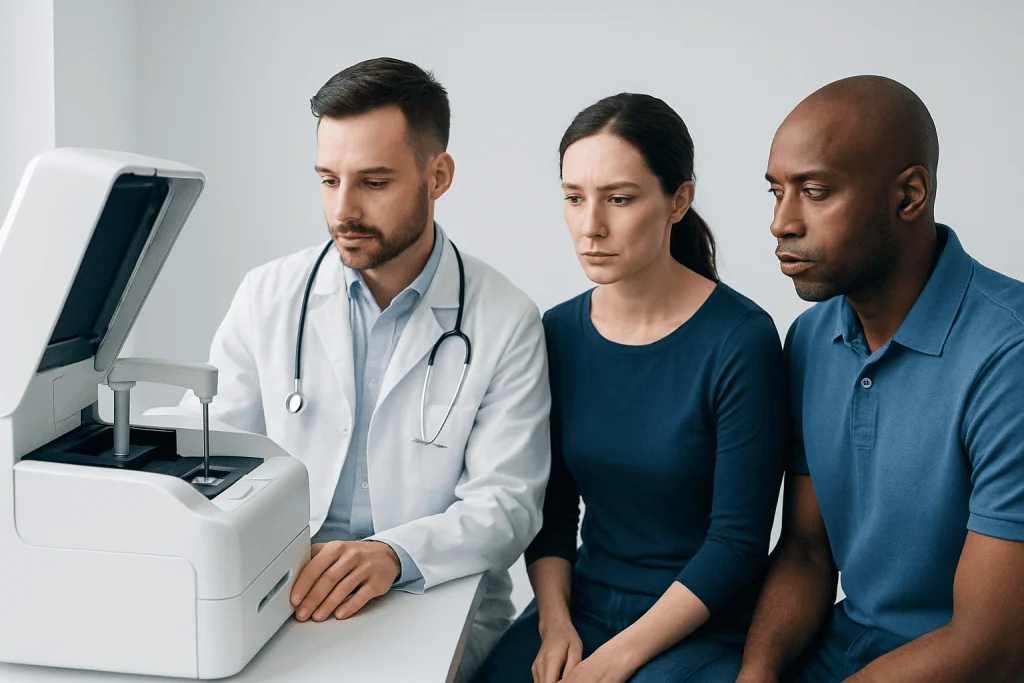
Testing may be recommended for anyone with symptoms of a sexually transmitted infection, anyone whose partner has tested positive, or anyone who has had sex without a barrier method such as a condom. Screening is also commonly advised for sexually active people under certain circumstances, even when they have no symptoms, because silent infection is so common.
A clinician may suggest testing based on age, pregnancy, sexual practices, number of partners, or a recent new partner. Testing may involve more than one body site. For example, a person who has had oral or anal sex may need throat or rectal swabs in addition to a urine sample, because infection can be present in one area but not another.
Testing is especially important during pregnancy because untreated chlamydia can affect both the pregnant person and the baby. People with a history of sexually transmitted infections, including gonorrhea, may also need broader screening because these infections can occur together.
Symptoms and possible complications

Chlamydia often causes no symptoms at all. When symptoms do occur, they can appear days to weeks after exposure, but sometimes they are mild and easy to overlook. This is why a person can have chlamydia and pass it to a partner without realizing it.
Possible symptoms in women include unusual vaginal discharge, burning with urination, bleeding after sex, bleeding between periods, or pain during sex. Some women may also develop lower abdominal or pelvic pain if the infection has moved upward in the reproductive tract. Men may notice discharge from the penis, burning with urination, or pain and swelling in one testicle.
Rectal infection can cause pain, discharge, or bleeding, while throat infection may cause no symptoms or only a mild sore throat. If chlamydia is not treated, complications can include pelvic inflammatory disease, chronic pelvic pain, ectopic pregnancy, infertility, and inflammation of the epididymis or other nearby structures. Because symptoms can overlap with genital herpes and other infections, testing is important rather than relying on symptoms alone.
How a chlamydia tes is done
The most common chlamydia tes is a nucleic acid amplification test, often called a NAAT. This test looks for the genetic material of the bacteria and is widely used because it is sensitive and reliable. Depending on the situation, the sample may be urine or a swab from the genitals, rectum, or throat.
For some patients, a first-catch urine sample is enough. Others may need a vaginal, cervical, urethral, rectal, or throat swab. Self-collected vaginal swabs are used in some settings and can be both practical and accurate when patients are given clear instructions. The choice of sample depends on anatomy, symptoms, and the type of sexual contact that may have led to exposure.
Most people tolerate the test well. A urine test is noninvasive, and swabs may cause mild brief discomfort rather than significant pain. Before the appointment, it can help to ask whether any preparation is needed, such as avoiding urination for a short period before a urine sample. If a patient is being assessed for several infections, the clinician may also recommend check-up and routine control testing to make sure no related condition is missed.
Understanding results and what happens after a positive test
A negative result usually means the test did not find evidence of chlamydia in the sample that was taken. However, timing matters. If testing is done very soon after exposure, the infection may not yet be detectable, so a clinician may advise repeat testing if the exposure was recent or symptoms continue.
A positive result means chlamydia bacteria were detected and treatment is needed. Chlamydia is treated with antibiotics prescribed by a doctor. It is important to finish the full course exactly as directed, avoid sexual contact until the doctor says it is safe, and make sure current or recent sexual partners are informed so they can be tested and treated as well. This helps prevent passing the infection back and forth.
Because reinfection is common, retesting after treatment may be recommended, especially if there is ongoing risk or uncertainty about partner treatment. A clinician may also suggest additional sexual health screening, including evaluation for infections such as HIV/AIDS. In some cases, patients may also need specialist input through infectious diseases care if symptoms are complicated, recurrent, or involve pregnancy.
Treatment, partner care, and recovery
Most uncomplicated chlamydia infections improve with antibiotic treatment. Symptoms often begin to settle after treatment starts, but this does not mean the infection has cleared immediately. Patients should follow medical advice about when it is safe to resume sexual activity. Stopping treatment early or resuming sex too soon can increase the chance of reinfection or ongoing spread.
Partner care is a central part of recovery. Even if a partner feels well, they may still carry the infection and need testing or treatment. Honest communication can feel difficult, but it is one of the most effective ways to protect both personal health and the health of others.
If symptoms are severe, if pelvic pain is present, or if the infection appears to have spread, more detailed assessment may be needed. In selected situations, a doctor may recommend examination by specialists in gynecology or another relevant field. Near the end of the care pathway, some international patients may choose centers such as Acibadem International, where multidisciplinary specialists in JCI-accredited hospitals diagnose and treat sexually transmitted infections and related complications.
Prevention and self-care
The best way to lower the risk of chlamydia is to use condoms or other barrier methods consistently and correctly, limit exposure risk, and have open conversations with partners about sexual health and testing. Regular screening can be a practical prevention step for people who are sexually active, especially if they have new or multiple partners.
Self-care also includes paying attention to new symptoms such as discharge, burning with urination, pelvic pain, or testicular discomfort and seeking testing rather than waiting for symptoms to resolve on their own. It is not safe to assume that symptoms are from irritation or a minor urinary issue without medical advice.
After treatment, people can reduce the chance of reinfection by following instructions carefully, making sure partners receive care, and attending follow-up testing if advised. Although online information can help patients prepare, a qualified clinician is the best source for personalized advice based on age, anatomy, pregnancy status, symptoms, and medical history.
When to seek medical care
Medical care should be sought promptly after a known exposure to chlamydia, after unprotected sex with a new partner, or when symptoms suggest a sexually transmitted infection. Testing is also important if a partner has tested positive, even when there are no symptoms. Early care helps prevent complications and protects partners.
Urgent evaluation is especially important for severe pelvic or abdominal pain, fever, vomiting, pain or swelling in a testicle, heavy abnormal bleeding, or symptoms during pregnancy. These may suggest a complication or another condition that needs rapid treatment. Patients should also seek medical advice if symptoms persist after treatment or return later.
People who feel embarrassed or anxious about testing are not alone. Sexual health concerns are common, and clinicians handle them confidentially and without judgment. Timely testing is a practical health step, not a sign of wrongdoing, and it can make treatment simpler and more effective.
Frequently asked questions
What does a chlamydia tes check for?
A chlamydia tes checks for the bacteria that cause chlamydia, usually by analyzing a urine sample or a swab from a body site that may have been exposed. The goal is to confirm whether infection is present so treatment can begin promptly if needed.
Can someone have chlamydia without symptoms?
Yes. Many people with chlamydia have no symptoms at all, which is why screening is so important after exposure or when a doctor recommends it. A person can still pass the infection to a partner even if they feel completely well.
How accurate is a chlamydia test?
Modern nucleic acid amplification tests are generally very accurate when the right sample is taken from the right body site. However, testing too soon after exposure or testing only one site when more than one was exposed can affect detection, so follow-up testing may sometimes be advised.
How long does it take to get results?
Results often come back within a few days, but the exact timing depends on the laboratory and healthcare setting. The clinic that orders the test can explain when results are expected and how they will be shared.
What happens if the test is positive?
If the test is positive, a doctor will prescribe antibiotics and explain how to take them correctly. Sexual partners should also be informed, tested, and treated if needed, and patients are usually advised to avoid sexual activity until it is medically safe.
Should a person be tested again after treatment?
In some cases, yes. Retesting may be recommended because reinfection is common, especially if a partner was not treated or if there is ongoing exposure risk. A clinician can advise the right timing based on the individual situation.
References
- World Health Organization
- Centers for Disease Control and Prevention
- National Health Service
- American College of Obstetricians and Gynecologists
- Mayo Clinic
This article is for general information only and is not a substitute for professional medical advice. Please consult a qualified doctor about your individual situation.
Explore treatments in Turkey — costs, top hospitals & a free quote
JCI-accredited · board-certified surgeons · reply within 24h
Add us as a Preferred Source to see more of our trusted health content across Google Search, AI Overviews and Discover.

More from the Health Library



Related Specialists

Prof. Dr. Ender Arıkan
Endocrinology
Embriyolog Burcu Aksu Türan
Vitro Fertilization and Reproductive Medicine Center
Dr. Nihan Yüksel Çanakçı
Dermatology
Dr. Tülay Aslan Yayla
Neurosurgery