Chocolate Cyst: An Evidence-Based Guide for Patients
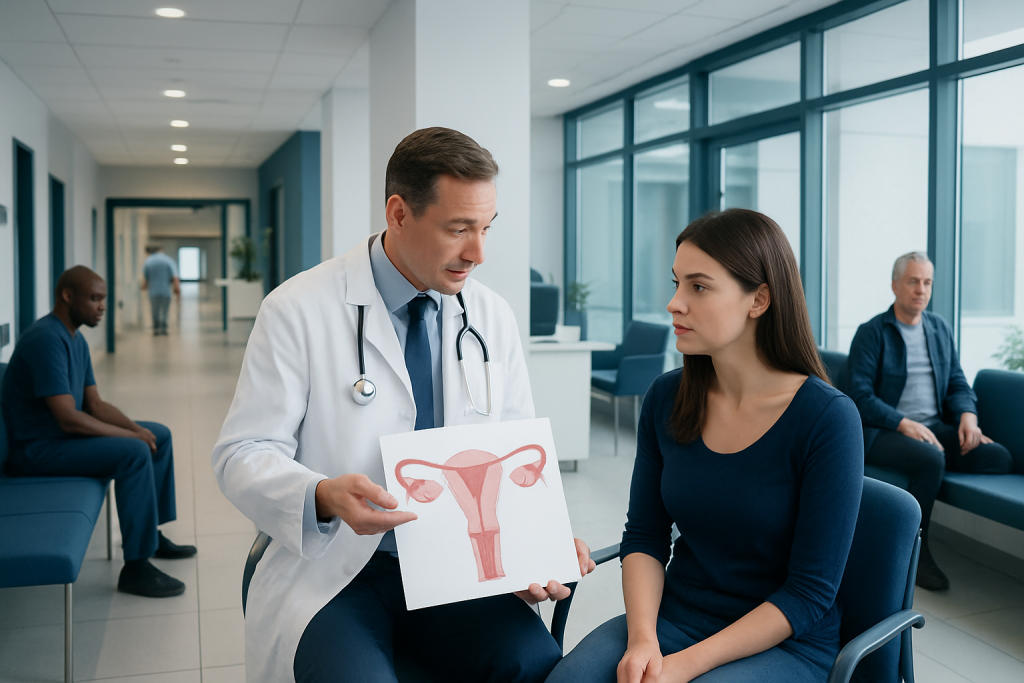
A chocolate cyst is an ovarian endometrioma filled with old blood related to endometriosis. Common symptoms include pelvic pain, painful periods, pain during sex, and difficulty becoming pregnant.
Key Takeaways
- A chocolate cyst is an ovarian endometrioma filled with old blood related to endometriosis.
- Common symptoms include pelvic pain, painful periods, pain during sex, and difficulty becoming pregnant.
- Some chocolate cysts cause no symptoms and are found during imaging or fertility evaluation.
- Diagnosis often involves pelvic examination, ultrasound, and sometimes MRI or surgery for confirmation.
- Treatment may include monitoring, pain relief, hormone therapy, or surgery depending on symptoms and fertility goals.
- Sudden severe pain, fainting, fever, or signs of internal bleeding need urgent medical assessment.
A chocolate cyst is a type of ovarian cyst caused by endometriosis, also called an ovarian endometrioma. It is usually not cancerous, but it can lead to pain, inflammation, and fertility concerns, so evaluation by a gynecologist is important when symptoms are present.
What a Chocolate Cyst Is
A chocolate cyst is a type of ovarian cyst linked to endometriosis. Doctors often call it an ovarian endometrioma. It forms when tissue similar to the lining of the uterus grows near or on the ovary and bleeds over time. The trapped old blood becomes thick and dark brown, which is why the cyst is called a “chocolate” cyst.
Although the name may sound unusual, the condition is well recognized in gynecology. A chocolate cyst is usually benign, meaning it is not cancer. Still, it can contribute to ongoing pelvic inflammation, pain, scarring, and reduced ovarian function in some patients.
Chocolate cysts are part of the broader condition of endometriosis, in which endometrium-like tissue grows outside the uterus. Some people with endometriosis develop cysts on one ovary, while others may have cysts on both ovaries. The size, symptoms, and impact on daily life can vary widely from person to person.
Not every ovarian cyst is a chocolate cyst. Functional cysts, dermoid cysts, and other benign ovarian growths have different causes and treatments. This is why a careful medical assessment is important rather than assuming that all ovarian cysts behave the same way.
Symptoms and How It May Feel
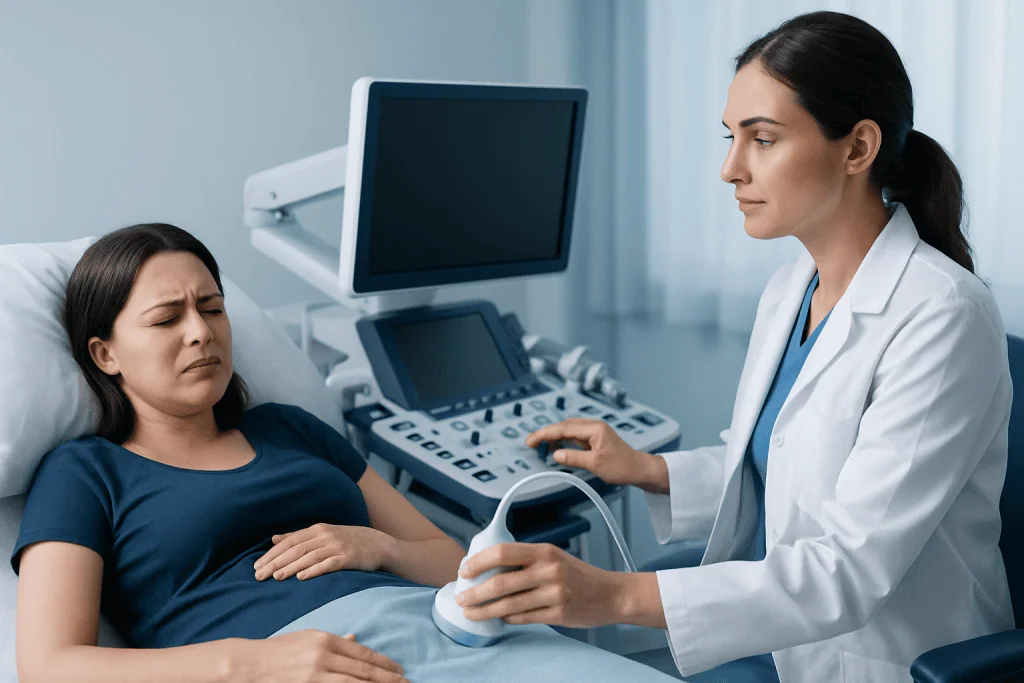
Some chocolate cysts cause no symptoms at all and are found during a routine pelvic scan or an infertility evaluation. When symptoms do occur, the most common complaint is pelvic pain, especially around menstruation. The pain may be dull, aching, or cramping, and for some people it becomes chronic rather than limited to periods.
Symptoms can overlap with endometriosis itself. A person may notice pain during sexual intercourse, pain with bowel movements, lower back discomfort, bloating, or a sense of pelvic pressure. Menstrual periods may be especially painful or heavy, although bleeding patterns vary.
Fertility can also be affected. A chocolate cyst does not always prevent pregnancy, but it may be associated with inflammation, adhesions, or changes in ovarian reserve. In some patients, the cyst is discovered during an assessment for trouble conceiving.
- Pelvic pain or pressure
- Painful periods
- Pain during sex
- Bloating or abdominal discomfort
- Pain with bowel movements during periods
- Difficulty becoming pregnant
Symptoms alone cannot confirm the diagnosis because they may also occur with other gynecologic conditions. These include simple ovarian cysts, pelvic inflammatory disease, uterine fibroids, or other ovarian cysts. A medical review helps clarify the cause.
Why Chocolate Cysts Develop and Who Is at Risk

Chocolate cysts develop because of endometriosis. In endometriosis, tissue similar to the uterine lining grows outside the uterus and responds to hormonal changes during the menstrual cycle. When this tissue involves the ovary, repeated bleeding and inflammation can gradually form a cyst filled with old blood.
The exact reason endometriosis develops is still being studied. Several mechanisms have been proposed, including retrograde menstruation, immune system factors, inflammation, hormonal influences, and genetic predisposition. In many cases, there is no single clear cause.
Certain factors may increase the likelihood of endometriosis and chocolate cyst formation. These include a family history of endometriosis, starting periods at an early age, shorter menstrual cycles, heavier menstrual bleeding, or delayed childbearing. However, a person can develop a chocolate cyst even without obvious risk factors.
Chocolate cysts are most often diagnosed during the reproductive years. They are less common after menopause unless hormone-related factors are present. Because these cysts can affect ovarian tissue over time, early assessment may help guide decisions about pain control, fertility planning, and long-term management.
How Doctors Diagnose a Chocolate Cyst
Diagnosis usually begins with a medical history and pelvic examination. A clinician will ask about menstrual pain, timing of symptoms, pain during sex, bowel or bladder symptoms, and plans for pregnancy. These details help determine whether endometriosis is likely and whether other causes need to be ruled out.
Pelvic ultrasound is often the first imaging test. On ultrasound, a chocolate cyst may have a characteristic appearance that suggests an endometrioma. In some cases, MRI is recommended when the ultrasound findings are unclear, when deep endometriosis is suspected, or when surgery is being considered.
Blood tests are not enough to diagnose a chocolate cyst on their own. Tumor markers such as CA-125 may sometimes be elevated in endometriosis, but this finding is not specific. Doctors interpret such results carefully and in context, rather than using them as a standalone answer.
Sometimes the diagnosis is confirmed during laparoscopy, a minimally invasive surgical procedure that allows direct visualization of endometriosis and ovarian cysts. When appropriate, laparoscopy can help both diagnose and treat disease in the same setting through laparoscopy.
Treatment Options and Fertility Considerations
Treatment depends on several factors: the size of the cyst, the severity of symptoms, the person’s age, whether pregnancy is desired, and whether the cyst looks typical on imaging. If the cyst is small and causes few or no symptoms, doctors may recommend monitoring with follow-up visits and imaging.
Pain management may include nonsteroidal anti-inflammatory drugs and hormonal treatment to reduce menstrual activity and suppress endometriosis-related symptoms. Hormonal options may include combined hormonal contraceptives, progestin-based therapy, or other medicines that lower estrogen activity. These approaches may help symptoms, but they do not always remove an existing cyst.
Surgery may be considered if pain is significant, if the cyst is large or changing, if diagnosis is uncertain, or if fertility treatment planning requires it. Surgical care aims to remove or drain the cyst while preserving as much healthy ovarian tissue as possible. In selected cases, endometriosis treatment and cyst surgery are coordinated as part of broader management.
Fertility planning should be individualized. Some patients may benefit from surgery, while others may be better served by proceeding directly to fertility support depending on age, ovarian reserve, and other findings. For those trying to conceive, consultation with specialists in IVF treatment may be helpful when pregnancy does not occur naturally or when endometriosis is affecting reproductive health.
Living With a Chocolate Cyst: Monitoring, Self-Care, and Prevention
There is no guaranteed way to prevent a chocolate cyst because it develops as part of endometriosis, and endometriosis itself cannot always be prevented. However, ongoing follow-up may reduce the chance of unmanaged symptoms and help detect changes that need attention. Regular review is especially important if symptoms are worsening or fertility goals are changing.
Self-care focuses on symptom relief and quality of life. Many people benefit from tracking menstrual cycles and pain patterns, using heat for cramps, staying physically active as tolerated, and prioritizing sleep. Stress management can also be helpful because chronic pelvic pain often affects mood, energy, and daily functioning.
Medical follow-up matters even when symptoms seem manageable. A clinician may suggest periodic ultrasound scans, medication review, or referral to specialists in gynecology, pain management, or fertility. Patients should avoid starting or stopping hormone medicines without medical advice, especially if they are trying to conceive.
Near the end of the care pathway, some patients choose multidisciplinary assessment for complex symptoms or fertility planning. Acibadem International’s multidisciplinary specialists in JCI-accredited hospitals diagnose and treat endometriosis-related conditions for international patients when advanced evaluation is needed.
When to Seek Medical Care
A planned medical appointment is appropriate for ongoing pelvic pain, very painful periods, pain during sex, bloating, or trouble becoming pregnant. These symptoms do not always mean a chocolate cyst is present, but they do deserve evaluation, especially if they interfere with work, school, sleep, or normal activities.
Urgent assessment is important if pain becomes sudden and severe, especially if it is associated with nausea, vomiting, fainting, dizziness, heavy bleeding, or fever. These symptoms may suggest complications such as cyst rupture, ovarian torsion, or another acute abdominal problem. Rapid evaluation helps protect health and fertility.
Follow-up should also be sought if a known cyst seems to be causing increasing symptoms or if imaging has shown growth or uncertain features. People who are planning pregnancy should discuss next steps early, because management choices can affect both symptom control and ovarian reserve.
Because several gynecologic conditions can look similar, a qualified doctor should guide the evaluation. Early diagnosis can make treatment more targeted and may reduce the long-term impact of pelvic pain and inflammation.
Frequently asked questions
Is a chocolate cyst the same as endometriosis?
A chocolate cyst is not the same as endometriosis, but it is a form of endometriosis involving the ovary. Doctors usually call it an ovarian endometrioma. Many people with a chocolate cyst also have endometriosis in other areas of the pelvis.
Can a chocolate cyst go away on its own?
Some small ovarian cysts can resolve on their own, but chocolate cysts are less likely to disappear completely because they are related to endometriosis. Symptoms may fluctuate over time, especially with hormonal treatment. Follow-up with a doctor helps determine whether monitoring is appropriate.
Does a chocolate cyst always need surgery?
No, surgery is not always necessary. Some patients are managed with observation, pain relief, or hormone therapy, especially if symptoms are mild and imaging is typical. Surgery is considered when pain is significant, diagnosis is uncertain, the cyst is large, or fertility planning requires it.
Can a chocolate cyst affect fertility?
Yes, it can affect fertility in some people, although pregnancy is still possible. The cyst may be associated with inflammation, scarring, or reduced ovarian reserve. Fertility decisions are individualized, so early discussion with a gynecologist is helpful.
Is a chocolate cyst cancer?
In most cases, a chocolate cyst is benign and not cancer. However, doctors still assess ovarian cysts carefully because not all cysts are the same. Imaging and clinical follow-up help confirm that the cyst has features typical of an endometrioma.
What happens if a chocolate cyst ruptures?
A rupture can cause sudden pelvic pain and irritation inside the abdomen. In some cases, symptoms can be severe and may need urgent medical evaluation to rule out bleeding, infection, or other complications. Anyone with abrupt intense pain, fainting, or fever should seek care promptly.
This article is for general information only and is not a substitute for professional medical advice. Please consult a qualified doctor about your individual situation.
Explore treatments in Turkey — costs, top hospitals & a free quote
JCI-accredited · board-certified surgeons · reply within 24h
Add us as a Preferred Source to see more of our trusted health content across Google Search, AI Overviews and Discover.

More from the Health Library

Allium Allergy — Explained by Medical Evidence, Not Myths

Benzoyl Peroxide Face Wash — Explained by Medical Evidence, Not Myths

Humidifier for Lost Voice: An Evidence-Based Guide for Patients

Caa medical conditions: Symptoms, Causes, and Treatment — Complete Patient Guide

Humerus Fracture: A Complete Medical Overview