Choosing a Sleep Neurology Center: Questions Patients Should Ask

A sleep neurology center focuses on sleep problems that may involve the brain, nerves, breathing, movement, or behavior during sleep. Patients should ask about specialist training, available tests, treatment options, and how care is coordinated.
Key Takeaways
- A sleep neurology center focuses on sleep problems that may involve the brain, nerves, breathing, movement, or behavior during sleep.
- Patients should ask about specialist training, available tests, treatment options, and how care is coordinated.
- A good center explains results clearly and builds an individualized care plan rather than using a one-size-fits-all approach.
- Follow-up matters because many sleep conditions need monitoring, treatment adjustment, and long-term support.
- Patients should prepare by bringing symptom details, medication lists, and prior test results to the first visit.
Choosing a sleep neurology center can feel easier when patients know which questions to ask. The right center should offer experienced specialists, appropriate testing, personalized treatment, and clear follow-up for both sleep and neurological concerns.
Overview: What a Sleep Neurology Center Does
A sleep neurology center evaluates and treats sleep problems that may involve the nervous system, breathing patterns, movement, behavior, or daytime brain function. This can include concerns such as insomnia, excessive daytime sleepiness, snoring and suspected sleep apnea, restless legs syndrome, unusual behaviors during sleep, narcolepsy, and sleep-related movement disorders. Some centers also care for people whose neurological conditions, such as epilepsy, Parkinsonian disorders, headaches, or stroke, affect sleep quality.
Choosing the right center is important because sleep symptoms can have many causes. For example, someone who feels tired during the day may have poor sleep habits, a breathing-related sleep disorder, medication side effects, depression, circadian rhythm problems, or a neurological sleep disorder. A center with the right expertise can help sort through these possibilities in a structured way.
Patients often benefit from thinking beyond location or convenience alone. Practical details matter, but so do the team’s experience, the range of diagnostic tests available, the ability to interpret complex symptoms, and the quality of long-term follow-up. Asking clear questions early can help patients choose a center that fits their needs and preferences.
When a Sleep Neurology Evaluation May Be Helpful
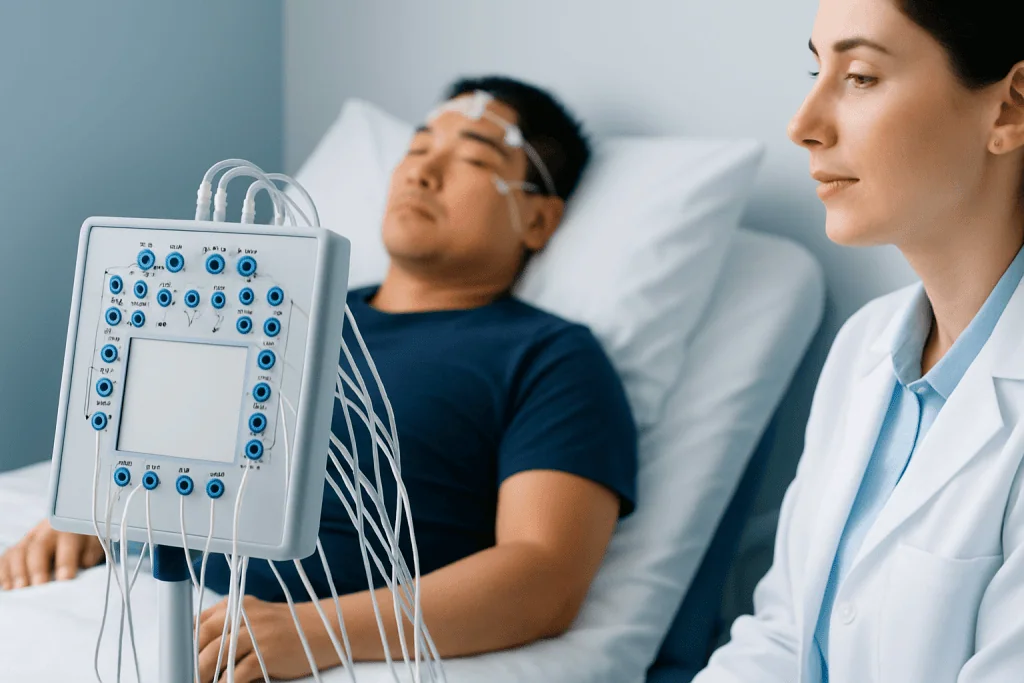
People may consider a sleep neurology center when symptoms are persistent, unexplained, or affecting daily life. Common reasons for referral include loud snoring, pauses in breathing during sleep, waking unrefreshed, chronic insomnia, sudden sleep attacks, acting out dreams, leg discomfort at night, morning headaches, memory problems, and daytime concentration difficulties. In children, signs may include restless sleep, behavioral changes, learning difficulties, or unusual nighttime events.
A specialized evaluation can also be useful when symptoms overlap with neurological conditions. For example, a person with fainting-like episodes at night may need assessment to distinguish seizures from certain sleep events. Someone with vivid dreams and complex movements during sleep may need careful review for parasomnias or REM sleep behavior disorder. In other cases, chronic sleep loss may worsen headaches, mood changes, or cognitive complaints.
Patients should also consider a center if previous treatment has not worked or if the diagnosis remains uncertain. A more comprehensive review may reveal contributing factors such as an undiagnosed breathing disorder, a circadian rhythm problem, medication effects, or coexisting conditions like sleep apnea or insomnia.
Questions to Ask About Expertise and Team Approach

One of the most useful questions is: who will be involved in care? Patients can ask whether the center includes neurologists with sleep medicine training, pulmonologists, ENT specialists, psychologists, technologists, and other professionals when needed. Not every patient needs a large team, but access to multidisciplinary care can be valuable when symptoms are complex or overlap with more than one condition.
It is also reasonable to ask about the team’s experience with specific symptoms or diagnoses. A patient with dream enactment, unusual nighttime movements, treatment-resistant sleepiness, or a known neurological condition may want to know how often the center evaluates similar cases. Centers that regularly manage complex problems may be better equipped to recognize subtle patterns and avoid unnecessary delays.
Other helpful questions include:
- Is the evaluation led by a physician trained in neurological sleep medicine?
- How are sleep studies interpreted, and by whom?
- Does the center coordinate with other specialists if another condition is suspected?
- How are urgent concerns handled between visits?
Patients should feel comfortable asking how communication works. A strong center explains who will review results, how long reports usually take, and whether treatment decisions are discussed in person, by phone, or through a patient portal. Clear communication can reduce stress and improve follow-through.
Questions to Ask About Testing and Diagnosis
Diagnostic testing should match the patient’s symptoms rather than being routine for everyone. Patients can ask which tests are available and why a certain test is recommended. Depending on the problem, evaluation may include a detailed clinical history, sleep diary, questionnaires, home sleep apnea testing, in-laboratory polysomnography, multiple sleep latency testing, actigraphy, EEG-based studies, or overnight monitoring for movements and behaviors.
It is helpful to ask what the test can and cannot show. For example, home sleep apnea tests may be useful for some patients with suspected obstructive sleep apnea, but they do not answer every sleep question. In-laboratory studies can provide more detail when symptoms are complex, when movements or behaviors during sleep are part of the concern, or when another neurological process may be involved.
Patients may also ask practical questions before scheduling: How should medications be handled before the test? Can a caregiver stay overnight if needed? What happens if the first-night sleep is shorter than usual? Are accessibility accommodations available? Good preparation helps reduce anxiety and improves the quality of the assessment.
Finally, patients should ask how diagnoses are made when more than one problem may be present. Sleep conditions often overlap, and a careful center will explain whether symptoms point to a breathing disorder, circadian issue, movement disorder, parasomnia, or another neurological sleep condition such as narcolepsy.
Questions to Ask About Treatment Options and Personalization
Once testing is complete, treatment should be tailored to the diagnosis, symptom severity, lifestyle, and overall health. Patients can ask whether the center offers a range of options, including behavioral strategies, treatment for breathing-related sleep disorders, medication management when appropriate, and referral pathways for related conditions. A personalized plan is especially important because improvement often depends on treating contributing factors together.
For example, care may include sleep schedule guidance, cognitive behavioral approaches for insomnia, management of underlying medical conditions, or treatment for airway obstruction. If obstructive sleep apnea is diagnosed, the center should explain the full set of options, which may include CPAP, oral appliances, positional therapy, weight-related strategies, or selected procedures such as sleep apnea surgery for appropriate candidates. If snoring or nasal blockage contributes to symptoms, an ENT evaluation may also be helpful, and some patients may be assessed for septoplasty when a structural nasal problem is part of the picture.
Patients should also ask how treatment success will be measured. Is the goal fewer apneas, better sleep continuity, improved alertness, fewer nighttime events, or better quality of life overall? Clear goals help patients understand what to expect and when to contact the team if improvement is limited.
Another useful question is whether the center treats coexisting concerns such as anxiety, headache, seizures, or movement symptoms that may interfere with sleep. In some cases, support from neurological evaluation, behavioral sleep medicine, or airway-focused care such as CPAP treatment can make the difference between partial and lasting improvement.
Questions to Ask About Follow-Up, Support, and Daily Practicalities
Sleep care rarely ends with a single appointment. Many disorders require adjustment over time, especially if treatment involves a device, behavior change, medication monitoring, or coordination with another specialty. Patients should ask how soon follow-up occurs after testing, whether the team reviews treatment progress regularly, and what support is available if symptoms change.
For device-based treatment, practical support is essential. Patients may want to know who helps with mask fit, comfort problems, dryness, pressure intolerance, or technical questions. For behavioral treatment, they can ask how progress is tracked and whether written instructions or digital tools are provided. These details can strongly influence whether a treatment plan is realistic and sustainable.
Patients should also consider access and logistics. Helpful questions include:
- How long is the wait for an appointment and for a sleep study?
- Are in-person and virtual follow-up visits available?
- Will the center coordinate with the patient’s local doctor?
- Are reports and instructions available in a language the patient understands?
- What is the process for refills, new symptoms, or urgent advice?
For international patients, coordination can be especially important. Near the end of the decision process, some patients may wish to ask whether the center can organize multidisciplinary evaluation and follow-up planning across specialties. Acibadem International’s multidisciplinary specialists and JCI-accredited hospitals diagnose and treat sleep and neurological conditions for international patients.
How Patients Can Prepare for the First Visit
Preparation can make the first consultation more efficient and more informative. Patients should bring a list of symptoms, when they started, how often they happen, and what makes them better or worse. If possible, it helps to note bedtime and wake time, naps, caffeine or alcohol use, work schedule, and whether anyone has noticed snoring, pauses in breathing, leg movements, or unusual behaviors during sleep.
Bringing prior records is also valuable. This may include previous sleep study reports, brain imaging, EEG reports, medication lists, and information about medical conditions such as heart disease, lung disease, depression, chronic pain, or neurological diagnoses. If a patient uses a CPAP device, machine data and details about comfort issues can be important during review.
A bed partner, parent, or caregiver can sometimes provide observations the patient may not remember, especially for nighttime behaviors or breathing events. Patients may also prepare a short list of questions, such as what the most likely causes are, which tests are recommended first, and what the next step will be if the initial evaluation is inconclusive.
When discussing any center, patients should look for a balance of expertise, good communication, practical support, and a treatment plan they can realistically follow. An informed choice can make it easier to move from uncertainty toward clearer answers and better sleep.
When to Seek Medical Advice Promptly
Some sleep-related symptoms should be discussed with a doctor sooner rather than later. These include frequent pauses in breathing, severe daytime sleepiness that affects driving or work safety, sudden loss of muscle tone with emotions, violent movements during sleep, possible seizures at night, or unusual events that cause injury. Prompt assessment can help reduce risk and clarify whether a sleep disorder, neurological condition, or another health issue is involved.
Urgent medical attention is also important if sleep symptoms occur along with chest pain, severe shortness of breath, confusion, stroke-like symptoms, or a sudden major change in consciousness. These symptoms are not typical routine sleep complaints and may point to a more immediate medical problem.
Even when symptoms are not urgent, patients should consider booking an evaluation if poor sleep persists for weeks, affects mood or concentration, or continues despite good sleep habits. Early assessment often makes treatment more straightforward and may prevent unnecessary delays.
Frequently asked questions
What is the difference between a sleep center and a sleep neurology center?
A general sleep center may focus mainly on common sleep disorders such as sleep apnea or insomnia. A sleep neurology center is especially helpful when symptoms may involve the brain, nerves, movement, seizures, unusual sleep behaviors, or complex daytime sleepiness.
How does a patient know if they need a neurologist for sleep problems?
A neurology-based sleep evaluation may be useful if symptoms include dream enactment, unexplained nighttime movements, possible seizures, sudden sleep attacks, or persistent sleepiness without a clear cause. It can also help when a neurological condition seems to be affecting sleep.
What questions should patients ask before booking a sleep study?
Patients can ask why the test is needed, whether it will be done at home or in a lab, how to prepare, and who will interpret the results. It is also reasonable to ask how long results take and what the next step will be after the study.
Can one person have more than one sleep disorder?
Yes. It is common for sleep conditions to overlap, such as insomnia with sleep apnea or restless legs syndrome with poor sleep quality. That is one reason a careful, individualized evaluation is important.
What should patients bring to their first appointment?
Helpful items include a symptom timeline, medication list, prior sleep study reports, and information about other medical conditions. If possible, observations from a bed partner or caregiver can also be useful, especially for nighttime breathing or behavior changes.
Is follow-up really necessary if treatment has already started?
Yes, follow-up is often an important part of sleep care. Treatments may need adjustment over time, and monitoring helps confirm that symptoms are improving and that the plan remains safe, comfortable, and effective.
References
- American Academy of Sleep Medicine
- National Institute of Neurological Disorders and Stroke
- National Heart, Lung, and Blood Institute
- American Academy of Neurology
This article is for general information only and is not a substitute for professional medical advice. Please consult a qualified doctor about your individual situation.
Sleep Neurology in Turkey — costs, top hospitals & a free quote
JCI-accredited · board-certified surgeons · reply within 24h
Add us as a Preferred Source to see more of our trusted health content across Google Search, AI Overviews and Discover.