Chronic Venous Insufficiency: An Evidence-Based Guide for Patients

Chronic venous insufficiency happens when leg vein valves weaken or veins become obstructed, allowing blood to pool in the legs. Common symptoms include leg swelling, aching, heaviness, cramps, itching, visible varicose veins, and skin discoloration near the ankles.
Key Takeaways
- Chronic venous insufficiency happens when leg vein valves weaken or veins become obstructed, allowing blood to pool in the legs.
- Common symptoms include leg swelling, aching, heaviness, cramps, itching, visible varicose veins, and skin discoloration near the ankles.
- Diagnosis usually involves a physical examination and duplex ultrasound to assess blood flow and vein valve function.
- Treatment may include exercise, leg elevation, compression stockings, wound care, and minimally invasive vein procedures when needed.
- Early evaluation can help prevent complications such as skin damage, recurrent swelling, and venous leg ulcers.
Chronic venous insufficiency is a long-term problem in which leg veins do not return blood to the heart effectively. It commonly causes leg heaviness, swelling, aching, visible veins, and skin changes, and it can often be managed with lifestyle measures, compression, and vein-focused treatments.
Overview
Chronic venous insufficiency is a condition in which the veins in the legs have difficulty sending blood back toward the heart. In most cases, this happens because the small valves inside the veins no longer close properly, allowing blood to flow backward and collect in the lower legs. Over time, this extra pressure can lead to discomfort, swelling, visible veins, and skin changes.
Many people know chronic venous insufficiency through symptoms such as heavy legs at the end of the day, ankle swelling, or varicose veins. The condition can range from mild to more advanced disease with skin thickening or open sores called venous ulcers. Although it is usually not an emergency, it should not be ignored, because symptoms often worsen gradually without treatment.
An evidence-based approach focuses on confirming the diagnosis, identifying contributing factors, and choosing treatments that improve blood flow and reduce pressure in the veins. For many patients, a combination of self-care and medical treatment can meaningfully improve comfort, daily activity, and skin health.
Symptoms and How It May Feel
Symptoms of chronic venous insufficiency often develop slowly. Some people first notice tired, heavy, or aching legs after standing for long periods. Others may see swelling around the ankles by evening, itching over visible veins, or nighttime leg cramps. Symptoms often improve with walking, raising the legs, or wearing compression garments.
As venous pressure increases, the skin can begin to change. Brownish discoloration around the ankles, dry or itchy skin, and a feeling of tightness may appear. In more advanced cases, the skin can become inflamed, fragile, or firm, and a painful wound may form near the inner ankle.
Common symptoms include:
- Leg heaviness or fatigue
- Aching, throbbing, or burning discomfort
- Swelling of the lower legs or ankles
- Visible enlarged or twisted veins
- Itching or irritation over affected skin
- Skin discoloration, especially around the ankles
- Leg cramps or restlessness
- Slow-healing sores or ulcers
These symptoms can overlap with other conditions, including lymphedema, heart disease, kidney disease, or a prior blood clot. That is why a medical assessment is important, especially if swelling affects one leg more than the other or begins suddenly.
Why It Happens: Causes and Risk Factors
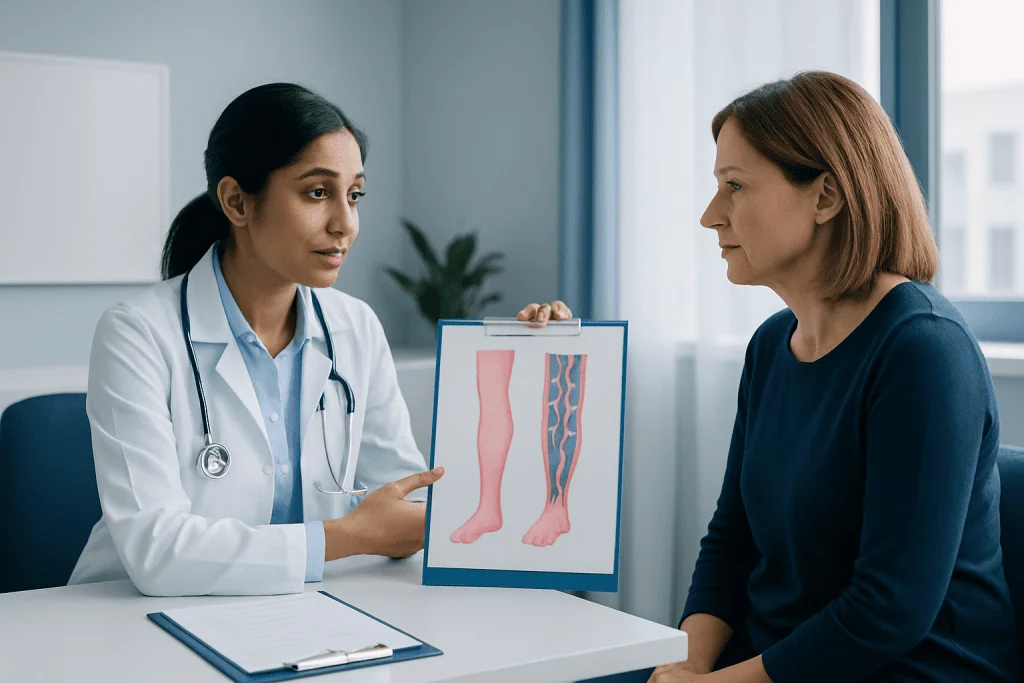
The main problem in chronic venous insufficiency is increased pressure in the leg veins. This usually results from damaged vein valves, weakened vein walls, or a blockage that interferes with normal blood return. When blood pools in the legs, pressure builds in the tissues and triggers inflammation, swelling, and skin changes.
Several factors can raise the risk. Age, family history, pregnancy, excess body weight, and jobs that require long periods of standing or sitting are common contributors. A history of leg injury or surgery can also affect vein function. Some people develop chronic venous insufficiency after a previous deep vein thrombosis, because the clot can damage the vein and its valves; this may overlap with deep vein thrombosis history or post-thrombotic changes.
Risk factors commonly associated with chronic venous insufficiency include:
- Older age
- Family history of venous disease
- Pregnancy or multiple pregnancies
- Overweight or obesity
- Limited physical activity
- Long periods of standing or sitting
- Previous blood clot in the leg
- Prior trauma or surgery affecting the leg veins
Not every person with varicose veins has significant venous insufficiency, but the two often occur together. Identifying the underlying pattern of reflux, obstruction, or both helps guide the most appropriate treatment.
How Doctors Diagnose Chronic Venous Insufficiency
Diagnosis begins with a conversation about symptoms, daily habits, past blood clots, pregnancies, surgeries, and family history. A doctor then examines the legs for swelling, skin changes, visible veins, tenderness, and wounds. The timing of symptoms matters: discomfort that worsens later in the day or after prolonged standing often supports a venous cause.
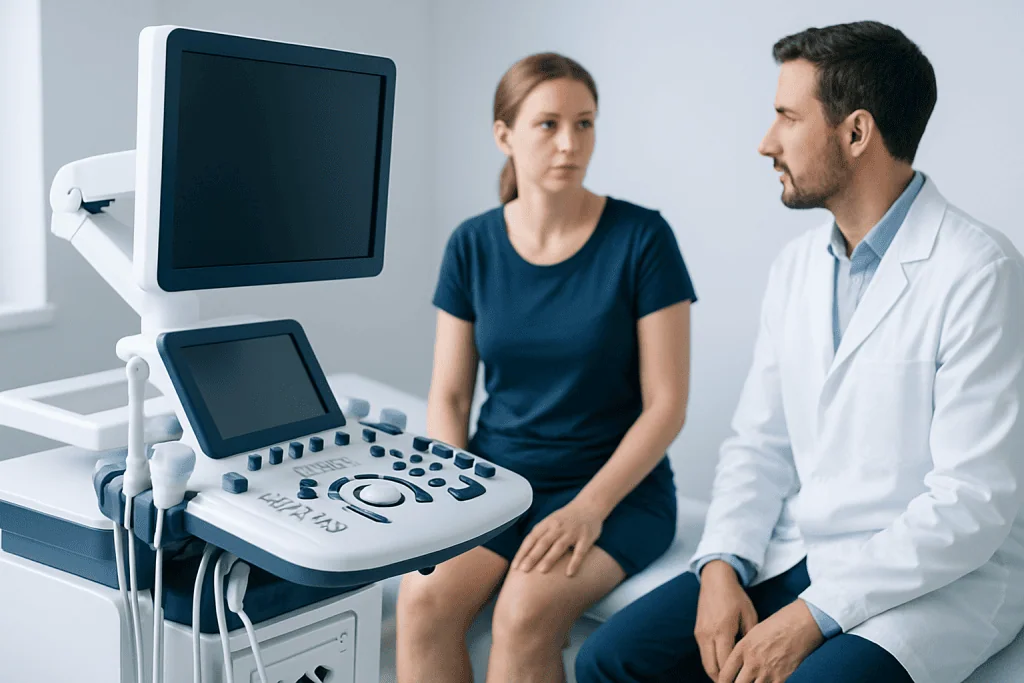
The most important test is usually duplex ultrasound. This noninvasive study shows how blood is moving through the veins and whether the valves are allowing backward flow, called reflux. It can also help detect obstruction or signs of an old or current clot. Ultrasound is central because treatment decisions often depend on the pattern and location of abnormal blood flow.
Additional tests are not needed for everyone, but they may be considered if the diagnosis is unclear or symptoms are severe. Doctors may also evaluate for other causes of leg swelling, especially if both legs are affected, or if symptoms seem out of proportion to vein findings. In selected cases, imaging or specialist vascular assessment can clarify more complex disease.
Treatment Options
Treatment for chronic venous insufficiency aims to reduce symptoms, improve circulation, protect the skin, and prevent complications. The best plan depends on how advanced the condition is, whether there are varicose veins or ulcers, and whether a person has had a prior clot. Management often begins with conservative measures and progresses to procedures if symptoms continue or skin damage is present.
First-line care commonly includes regular walking or calf-muscle exercise, leg elevation during rest, weight management when appropriate, and compression stockings. Compression helps limit swelling and supports blood flow back toward the heart. Skin care is also important, especially if the skin is dry, itchy, or fragile. When ulcers are present, careful dressing changes and structured wound care can support healing.
If symptoms remain bothersome or ultrasound identifies significant reflux, minimally invasive vein treatments may be recommended. Depending on the vein pattern, options can include sclerotherapy for selected superficial veins or other endovenous procedures such as ablation performed by a vein specialist. In people with extensive bulging veins, evaluation for varicose veins treatment may be appropriate as part of a broader venous care plan.
Medication does not repair damaged valves, but doctors may prescribe treatments for related problems such as skin inflammation, infection, or pain. If a venous ulcer is slow to heal, care may involve a multidisciplinary team. Near the end of the treatment journey, some international patients choose centers such as Acibadem International, where multidisciplinary specialists in JCI-accredited hospitals assess venous disease and tailor treatment plans.
Prevention and Self-care
While chronic venous insufficiency cannot always be fully prevented, many daily habits can reduce symptoms and lower the chance of progression. The calf muscles act as a natural pump for the veins, so regular movement is especially helpful. Even simple measures, when practiced consistently, may lessen swelling and discomfort.
Helpful self-care steps include walking regularly, avoiding sitting or standing in one position for too long, and elevating the legs above heart level for short periods when possible. For people who work at a desk or stand for much of the day, frequent movement breaks can be beneficial. Weight management and treating constipation may also reduce pressure in the veins.
Skin care matters because irritated or swollen skin is more likely to break down. Gentle cleansing, regular moisturizing, and prompt attention to rashes or small wounds can help protect the lower legs. Compression stockings should be used as advised by a clinician, because the correct fit and pressure level are important for comfort and safety.
Smoking cessation and management of related health conditions can also support circulation. People who have had a previous blood clot, recurrent swelling, or venous ulcers may need closer follow-up and a more structured long-term prevention plan.
When to Seek Medical Care
Medical evaluation is appropriate if leg swelling, heaviness, visible veins, or ankle skin changes are persistent or worsening. A clinician can help confirm whether symptoms are due to chronic venous insufficiency or another cause and can recommend treatments before skin damage becomes more advanced.
More urgent assessment is needed if there is sudden one-sided leg swelling, marked calf pain, new redness and warmth, shortness of breath, or chest pain, because these symptoms may suggest a blood clot or another serious problem rather than uncomplicated venous insufficiency. A new open sore, bleeding from a vein, or signs of infection such as spreading redness, fever, or drainage also deserve prompt attention.
People should also seek care if compression stockings are difficult to tolerate, symptoms interfere with sleep or work, or a leg wound is not healing. Early and accurate treatment can improve quality of life and reduce the risk of complications.
Frequently asked questions
Is chronic venous insufficiency the same as varicose veins?
Not exactly. Varicose veins are enlarged, visible veins, while chronic venous insufficiency refers to impaired blood return in the leg veins. The two often occur together, but chronic venous insufficiency can also involve swelling, skin changes, and ulcers.
Can chronic venous insufficiency go away on its own?
It usually does not fully go away without management, because damaged vein valves do not typically repair themselves. However, symptoms can often improve significantly with compression, activity, leg elevation, and vein procedures when needed.
Are compression stockings always necessary?
Compression stockings are commonly recommended because they help reduce swelling and improve venous blood flow. They are not the only treatment, and they may not be suitable for everyone, so a doctor should advise on proper use and fit.
What happens if chronic venous insufficiency is left untreated?
Untreated disease may gradually lead to more swelling, discomfort, skin discoloration, eczema-like irritation, and hardening of the skin. In more advanced cases, venous leg ulcers can develop and may be slow to heal.
Can exercise help chronic venous insufficiency?
Yes. Walking and calf-strengthening activity help the muscles push blood upward through the veins, which can lessen pooling in the legs. Exercise is usually part of a broader treatment plan rather than a substitute for medical evaluation.
Does chronic venous insufficiency mean there is a blood clot?
No. Chronic venous insufficiency often results from valve dysfunction and does not automatically mean a person has an active clot. Still, sudden swelling, pain, or redness should be checked promptly because a new clot needs urgent assessment.
References
- National Heart, Lung, and Blood Institute
- Society for Vascular Surgery
- American Venous Forum
- National Institute for Health and Care Excellence
- Centers for Disease Control and Prevention
This article is for general information only and is not a substitute for professional medical advice. Please consult a qualified doctor about your individual situation.
Explore treatments in Turkey — costs, top hospitals & a free quote
JCI-accredited · board-certified surgeons · reply within 24h
Add us as a Preferred Source to see more of our trusted health content across Google Search, AI Overviews and Discover.