Cisgender: A Complete Medical Overview

Cisgender describes gender identity, not sexual orientation, anatomy, or overall health. The term is commonly used in medicine to support clear, respectful, and accurate communication.
Key Takeaways
- Cisgender describes gender identity, not sexual orientation, anatomy, or overall health.
- The term is commonly used in medicine to support clear, respectful, and accurate communication.
- Being cisgender is not a diagnosis or medical condition.
- Good health care still depends on individual anatomy, hormones, age, symptoms, and screening needs.
- People who are cisgender can have a wide range of reproductive, hormonal, mental, and general health concerns.
- A doctor should be consulted for new symptoms, distress, or questions about sexual, reproductive, hormonal, or mental health.
Cisgender means a person’s gender identity matches the sex they were assigned at birth. In health care, the term helps clinicians communicate clearly, provide respectful care, and avoid assumptions about a person’s body, identity, or medical needs.
Overview: what cisgender means in health care
Cisgender means that a person’s gender identity aligns with the sex they were assigned at birth. For example, someone assigned female at birth who identifies as a woman, or someone assigned male at birth who identifies as a man, may describe themselves as cisgender. The term is descriptive, not diagnostic, and it does not imply any particular medical problem.
In clinical settings, words such as cisgender, transgender, sex assigned at birth, and gender identity help health professionals communicate accurately and respectfully. These terms can improve history-taking, screening decisions, and patient-centered care. They also reduce the chance of making assumptions based only on appearance, name, or medical records.
Cisgender does not describe sexual orientation. A cisgender person may be heterosexual, gay, lesbian, bisexual, asexual, or have another sexual orientation. Likewise, the term does not describe anatomy, fertility, hormone levels, or reproductive goals, all of which vary from person to person.
Why the term matters medically
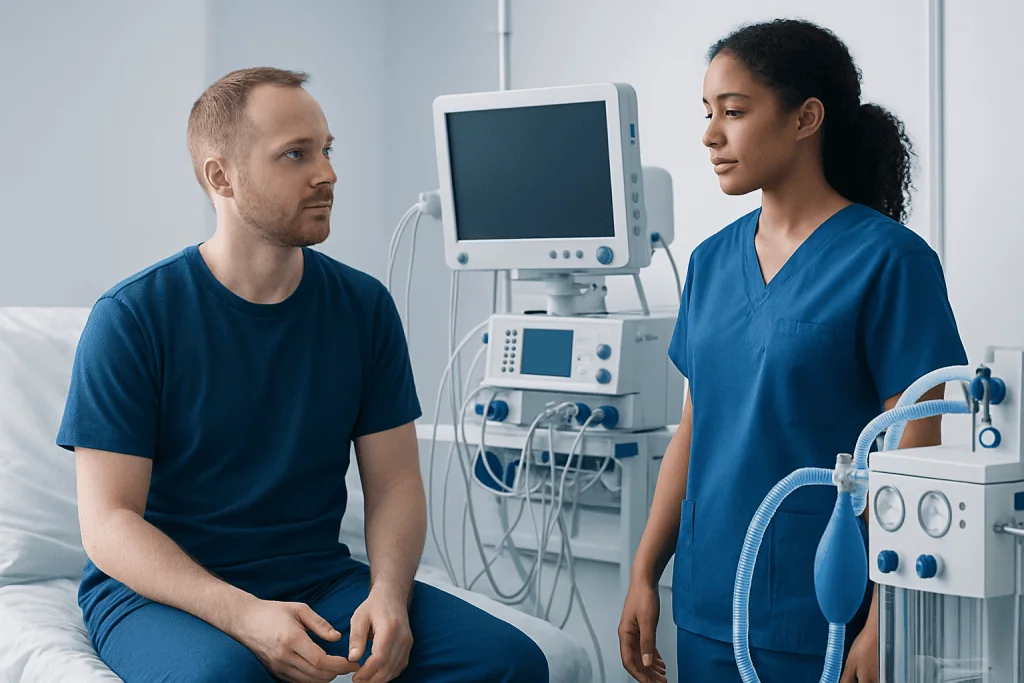
Health care works best when it uses clear language. Knowing whether a person is cisgender, transgender, or uses another gender identity term can help clinicians ask the right questions, use respectful communication, and plan appropriate preventive care. It is part of a broader effort to provide individualized medicine rather than one-size-fits-all care.
For example, screening recommendations are often based on organs present, age, family history, and risk factors. A person’s identity may be cisgender, but their medical needs still depend on their anatomy and overall health. Someone with a cervix may need cervical cancer screening, and someone with breast tissue may need breast health evaluation, depending on age and risk. If there are concerns about lumps, pain, or screening, doctors may recommend breast cancer evaluation or other targeted assessments.
Using the term cisgender also helps in research and public health. When studies compare health outcomes across different populations, clear definitions allow findings to be interpreted more accurately. This can improve education, reduce confusion, and support more equitable care.
What cisgender does and does not tell a doctor

Describing a person as cisgender gives one piece of information: their gender identity is consistent with the sex assigned at birth. It does not reveal whether they have any illness, whether they want children, what medications they use, or whether they have gynecologic, urologic, hormonal, or mental health concerns.
In practice, doctors still need a full medical history. That includes past illnesses, surgeries, menstrual history when relevant, sexual history, contraception needs, fertility plans, urinary symptoms, medications, family history, and emotional well-being. A cisgender woman and a cisgender man can each have very different risk profiles depending on age, lifestyle, and underlying conditions.
It also does not tell a clinician how a person wishes to discuss sensitive topics. Respectful care includes asking permission before discussing intimate symptoms, using a patient’s preferred name and pronouns, and explaining why certain questions or examinations are important. This approach can improve trust and help patients feel more comfortable seeking care early.
Health topics commonly discussed for cisgender adults
There is no single set of “cisgender health problems,” because cisgender people experience the same broad spectrum of health issues seen in the general population. Still, some medical conversations are often organized around sex-specific anatomy or reproductive health. These may include menstruation, pelvic pain, prostate symptoms, contraception, fertility, pregnancy, menopause, erectile difficulties, or urinary concerns.
Preventive care remains important. Depending on age and risk, this may include blood pressure checks, cholesterol testing, vaccinations, cancer screening, sexual health counseling, and mental health assessment. For cisgender women, clinicians may discuss cervical screening, breast health, bone health, and pregnancy-related care. For cisgender men, discussions may include testicular symptoms, prostate health, cardiovascular risk, and sexual function. If fertility becomes a concern, evaluation through fertility assessment and IVF care may be appropriate for some patients.
Hormonal and reproductive issues can affect cisgender people at many stages of life. Examples include polycystic ovary syndrome, endometriosis, infertility, low testosterone, menopausal symptoms, and thyroid disease. If symptoms suggest a hormonal imbalance or reproductive disorder, the doctor may recommend lab tests, imaging, or specialist referral. Some patients may also need assessment for polycystic ovary syndrome or related conditions.
- Reproductive and sexual health concerns
- Hormonal changes across the lifespan
- Mental health, stress, and relationship well-being
- Routine screening based on anatomy, age, and family history
How doctors assess health needs
Doctors do not diagnose “cisgender.” Instead, they assess symptoms, anatomy, medical history, and risk factors. The evaluation may begin with routine questions about overall health, menstrual or sexual history when relevant, medications, surgeries, and family history. A careful conversation often provides the most important clues.
Physical examination depends on the concern. For example, a visit for urinary symptoms may involve an abdominal exam, urine testing, and sometimes imaging. A visit for pelvic pain may lead to a gynecologic evaluation and ultrasound. If a person has persistent headaches, mood changes, weight shifts, or fatigue, doctors may investigate hormonal, metabolic, or psychological causes rather than attributing symptoms to gender alone.
Tests are selected according to the problem. These can include blood tests, urine tests, hormone measurements, ultrasounds, mammography, semen analysis, or other imaging studies. In some cases, more advanced procedures are needed to evaluate the reproductive organs, such as laparoscopy for certain pelvic conditions. The goal is to understand the individual’s health, not to make assumptions based on identity labels.
Self-care, prevention, and communication with clinicians
For cisgender people, self-care follows the same general principles recommended for most adults: regular exercise, balanced nutrition, good sleep, stress management, avoiding tobacco, limiting alcohol, and keeping up with preventive visits. These habits support cardiovascular, hormonal, reproductive, bone, and mental health.
Open communication with clinicians is especially helpful for intimate or sensitive concerns. Patients should feel able to ask about periods, pelvic pain, erectile changes, fertility, contraception, menopause, sexually transmitted infections, or changes in mood. Early discussion often leads to simpler evaluation and treatment. Writing down symptoms, their timing, and any triggers before the appointment can make the visit more productive.
Preventive care should be personalized. Rather than relying only on gender labels, clinicians consider the organs present, age, family history, sexual practices, chronic conditions, and symptoms. This is one reason accurate medical records matter. A person who is cisgender may still need specialist care in gynecology, urology, endocrinology, mental health, or reproductive medicine at different points in life.
Near the end of the care pathway, some patients may benefit from multidisciplinary assessment. Acibadem International’s specialists in JCI-accredited hospitals diagnose and treat a wide range of reproductive, hormonal, and general health concerns for international patients when more detailed evaluation is needed.
When to seek medical care
Being cisgender does not itself require treatment, but any new or troubling symptom should be evaluated by a qualified doctor. Medical advice is important when symptoms are persistent, severe, recurring, or affecting daily life. Prompt care can also help rule out serious conditions and provide reassurance.
People should seek medical care for symptoms such as abnormal bleeding, severe pelvic or testicular pain, breast lumps, urinary burning, persistent erectile problems, unusual discharge, infertility concerns, sudden mood changes, or symptoms of depression or anxiety. Chest pain, shortness of breath, fainting, severe abdominal pain, or signs of stroke require urgent evaluation.
It is also reasonable to schedule a non-urgent appointment for preventive care, contraception counseling, pregnancy planning, menopausal symptoms, sexual health questions, or screening updates. When symptoms involve anatomy or function, targeted evaluation may be needed, such as urology care for urinary or male reproductive concerns. Clear, respectful discussion with a clinician can help identify the right next step.
Frequently asked questions
Is cisgender a medical condition?
No. Cisgender is not a disease, diagnosis, or disorder. It is a descriptive term used to indicate that a person’s gender identity matches the sex assigned at birth.
Does cisgender mean heterosexual?
No. Gender identity and sexual orientation are different concepts. A cisgender person can have any sexual orientation, including heterosexual, gay, lesbian, bisexual, or asexual.
Why might a doctor ask whether someone is cisgender?
A doctor may ask as part of understanding a patient’s identity and planning respectful, accurate care. The information can help with communication and with deciding which screenings or health discussions are relevant.
Does being cisgender change what health screenings a person needs?
Not by itself. Screening is usually based on age, family history, anatomy, symptoms, and risk factors. Clinicians use gender-related information along with the rest of the medical history to personalize care.
Can cisgender people have hormone or fertility problems?
Yes. Cisgender people can experience many hormonal and reproductive conditions, such as infertility, menstrual problems, menopause symptoms, low testosterone, or thyroid disease. These issues are assessed based on symptoms and medical history, not on the label cisgender alone.
Should a person mention gender identity during a routine appointment?
If the form or clinician asks, answering can support clearer communication and more personalized care. Patients can also ask why the information is being collected if they want more context.
References
- World Health Organization
- American Medical Association
- American Psychological Association
- Centers for Disease Control and Prevention
- American College of Obstetricians and Gynecologists
This article is for general information only and is not a substitute for professional medical advice. Please consult a qualified doctor about your individual situation.
Explore treatments in Turkey — costs, top hospitals & a free quote
JCI-accredited · board-certified surgeons · reply within 24h
Add us as a Preferred Source to see more of our trusted health content across Google Search, AI Overviews and Discover.
Check your numbers in seconds
BMI, calories, due date, blood pressure and 30+ more clinical calculators — free, instant, doctor-reviewed ranges.

More from the Health Library



Related Specialists

Büşra Zeybek
Physical Medicine & Rehabilitation
Dr. Akil Tepecik
Clinical Laboratory
Prof. Dr. Ahmet Demirkaya
Thoracic Surgery
Fzt. Ceren Keser
Physical Medicine & Rehabilitation