Clear Eyeballs: What Patients Need to Know

Clear eyeballs are usually associated with a healthy conjunctiva and sclera, but they do not guarantee that vision is healthy. Brief redness from dryness, allergies, tiredness or irritation is common and often improves with simple measures.
Key Takeaways
- Clear eyeballs are usually associated with a healthy conjunctiva and sclera, but they do not guarantee that vision is healthy.
- Brief redness from dryness, allergies, tiredness or irritation is common and often improves with simple measures.
- Yellowing of the whites of the eyes may be linked to bilirubin buildup and requires prompt medical evaluation.
- Pain, light sensitivity, injury, sudden vision changes or severe redness should not be managed with home remedies alone.
- Regular eye examinations, sun protection and healthy daily habits support long-term eye health.
Clear eyeballs generally means that the whites of the eyes look white, the eye surface appears comfortable, and there is no persistent redness, yellowing or discharge. Normal eye appearance varies, however, and lasting changes should be assessed by an eye care professional or doctor.
What Do Clear Eyeballs Mean?
Clear eyeballs usually describes eyes whose visible surfaces look bright and comfortable: the whites of the eyes are largely white, the transparent front surface is clear, and there is no ongoing discharge or marked irritation. The white part is called the sclera, while a thin, clear membrane called the conjunctiva covers the sclera and lines the inside of the eyelids. Small blood vessels in the conjunctiva can become more noticeable for many harmless reasons.
Eye appearance naturally differs between individuals. Some people have tiny visible vessels, mild pigmentation, freckles, or a slightly bluish tint to the sclera. These features may be normal, especially when stable over time. Clear eyeballs are therefore not defined by an unrealistically perfect, completely white appearance.
Importantly, eyes can look clear while a person still has an eye condition affecting vision, pressure inside the eye, or the retina. Conversely, temporary redness does not always mean serious disease. The useful question is whether a change is new, persistent, one-sided, painful, associated with vision symptoms, or accompanied by changes elsewhere in the body.
Why the Whites of the Eyes Can Change Appearance
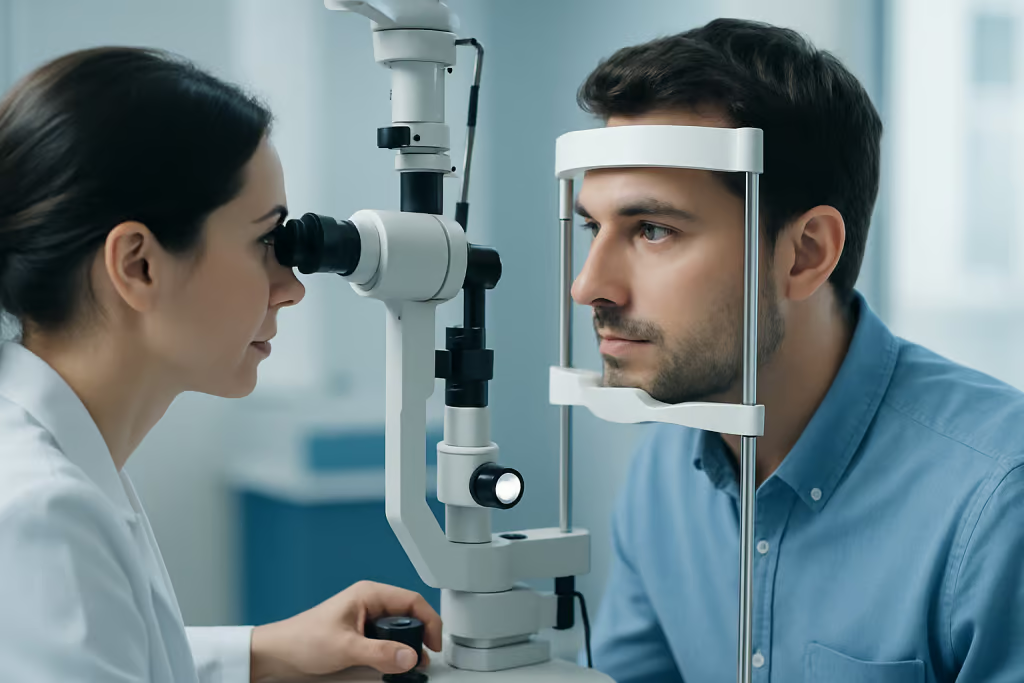
The eye surface is sensitive to its environment. Dry air, wind, smoke, swimming pool chemicals, extended screen use, contact lenses, lack of sleep, and rubbing the eyes can all make blood vessels dilate. The result may be eyes that look red, watery, tired, or less clear. In many cases, the change settles once the irritation is removed and the surface of the eye recovers.
Allergies are another common cause of red, itchy, watery eyes. Seasonal pollen, dust mites, pet dander, and some cosmetics can trigger symptoms. Viral or bacterial infections may cause redness along with discharge, crusting of the eyelashes, swelling, or a gritty sensation. These causes can overlap, so an examination may be needed when symptoms do not improve as expected.
A sharply defined red patch on the white of one eye can be a subconjunctival hemorrhage, which is a small broken blood vessel beneath the conjunctiva. It can look dramatic but is often painless and resolves over days to weeks. It should still be discussed with a clinician if it follows injury, recurs often, occurs with easy bruising or bleeding, or is accompanied by pain or vision changes.
Redness, Yellowing and Other Signs to Notice
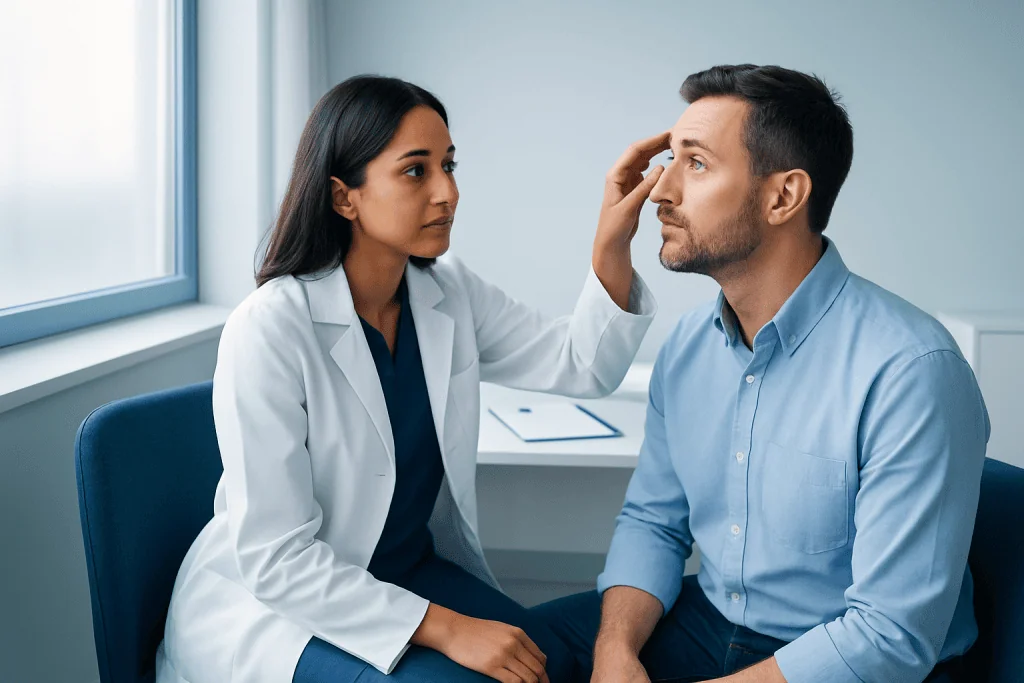
Redness may be diffuse, affecting much of the eye, or limited to a small area. Mild redness that follows an obvious trigger, such as a long flight or exposure to smoke, is often temporary. Persistent or increasing redness deserves assessment, particularly if it affects one eye, keeps returning, or does not improve after avoiding likely irritants.
Yellow whites of the eyes are different from ordinary eye redness. Yellowing can occur when bilirubin, a yellow pigment produced as red blood cells are broken down, builds up in the body. This may be associated with liver, gallbladder, bile duct, blood, or pancreatic conditions. New yellowing of the eyes should be evaluated promptly, especially if there is dark urine, pale stools, itching, abdominal discomfort, fever, nausea, or unusual tiredness.
Other visible changes may include a gray or white ring around the colored part of the eye, a growth or raised yellowish area on the sclera, eyelid swelling, discharge, or a cloudy-looking cornea. These findings have different possible explanations, ranging from dryness and sun exposure to infection or other eye disorders. A clinician can identify which structure is involved and whether treatment is needed.
Everyday Causes of Less Clear-Looking Eyes
Dry eye is one of the most frequent reasons eyes look red or feel uncomfortable. Tears do more than create moisture: they lubricate the surface, wash away debris, and support clear vision. Tear production and tear quality can be affected by age, hormonal changes, certain medicines, autoimmune conditions, eyelid problems, air conditioning, and reduced blinking during screen use.
Contact lens wear can also contribute to irritation when lenses are worn longer than advised, cleaned improperly, used while sleeping when not designed for overnight wear, or worn during an infection. Lens-related pain, redness, light sensitivity, or reduced vision should be treated as urgent, as infections involving the cornea can progress quickly.
Alcohol, dehydration, and poor sleep may temporarily make the eyes appear duller, puffier, or more bloodshot, although they are not the only possible explanations. Smoking and secondhand smoke can irritate the eyes and are linked with important long-term eye health risks. Cosmetic products, lash adhesives, and eye-whitening drops may also cause irritation or allergic reactions in some people.
- Use preservative-free lubricating eye drops if recommended by a pharmacist or eye care professional.
- Take regular visual breaks and blink fully during close work or screen use.
- Remove contact lenses before sleeping unless specifically prescribed for overnight wear.
- Avoid sharing eye makeup and replace products regularly to reduce contamination.
How Eye Changes Are Evaluated
An eye doctor or general physician will usually ask when the change began, whether one or both eyes are affected, and whether there is itching, pain, discharge, injury, fever, headache, light sensitivity, or a change in vision. Details about contact lens use, allergies, medications, travel, and general health can help narrow down the cause.
An eye examination may include checking visual acuity, examining the eyelids and eye surface with magnification, and using a dye to look for scratches or damage on the cornea. Depending on the symptoms, the clinician may measure eye pressure, examine the inside of the eye after dilating the pupils, or take a swab when infection is suspected.
If the sclera is yellow, a medical evaluation may include blood tests that assess bilirubin levels, liver function, blood counts, and other relevant measures. The right tests depend on the person’s symptoms and medical history. Self-diagnosing yellowing from photographs or changing lighting is not reliable; a professional assessment helps distinguish eye-surface changes from a body-wide medical concern.
Supporting Comfortable, Healthy-Looking Eyes
Simple routines can help protect the eye surface. Regular breaks from close work, conscious blinking, adequate sleep, and sufficient fluid intake may reduce dryness and strain. A commonly used approach for screen work is to look away periodically at a distant object, allowing the eyes and focusing muscles to rest. Adjusting screen position to slightly below eye level may also reduce tear evaporation.
Wraparound sunglasses that block ultraviolet radiation can protect the eyes from sun, wind, and dust. Protective eyewear should be used during sports, construction, gardening, and activities involving chemicals or flying particles. Contact lens users should follow the replacement, cleaning, and storage schedule provided by their eye care professional and should never rinse lenses with tap water.
It is best not to rely on redness-relieving drops for frequent or long-term use without medical advice. Some products temporarily constrict blood vessels and can lead to rebound redness when they are stopped. Lubricating drops may be more suitable for simple dryness, but ongoing symptoms should be reviewed to identify the underlying reason. A balanced diet, avoiding smoking, and management of conditions such as diabetes and high blood pressure also support overall eye health.
When to Seek Medical Care
Urgent medical care is appropriate for sudden loss of vision, new double vision, severe eye pain, significant light sensitivity, a chemical splash, a penetrating injury, or redness after eye trauma. Prompt assessment is also important for a painful red eye in a contact lens wearer, because this can indicate a corneal infection. Anyone with a suspected chemical exposure should immediately rinse the eye with clean lukewarm water for at least 15 minutes while arranging emergency care.
A same-day or prompt appointment is advisable for new yellowing of the whites of the eyes, persistent discharge, swelling around the eye, a red eye with headache or nausea, or redness that does not improve. Children and adults with symptoms of conjunctivitis may need guidance on infection control and the appropriate treatment, particularly if symptoms are severe or vision is affected.
Routine eye examinations remain valuable even when the eyeballs look clear and comfortable, because several eye diseases cause few early symptoms. Acibadem International’s multidisciplinary specialists and JCI-accredited hospitals can assess eye symptoms and related medical concerns for international patients. A qualified clinician can recommend the appropriate follow-up based on the person’s age, health history, vision needs, and examination findings.
Frequently asked questions
Are clear eyeballs a sign of good health?
Clear-looking eyes can suggest that the eye surface is comfortable and not visibly irritated, but they do not confirm overall eye health. Some important conditions, including glaucoma and retinal disease, may not cause visible changes early on. Regular eye examinations are still important, particularly for people with risk factors or vision changes.
Why are my eyes red when I wake up?
Morning redness can occur from overnight dryness, allergies, poor sleep, eyelid inflammation, or irritation from contact lenses or cosmetic products. It may improve after blinking, lubricating the eyes, and avoiding irritants. If it is painful, recurrent, associated with discharge, or affects vision, medical advice is appropriate.
Can dehydration cause bloodshot eyes?
Dehydration may contribute to dry, uncomfortable eyes and can make redness more noticeable in some people. However, bloodshot eyes have many possible causes, including allergies, infection, contact lens irritation, and inflammation. Persistent redness should not be assumed to be due to dehydration alone.
What does yellowing in the whites of the eyes mean?
Yellowing of the sclera may indicate increased bilirubin in the blood, sometimes called jaundice. It can be related to conditions involving the liver, gallbladder, bile ducts, pancreas, or blood. New yellowing should be assessed promptly, especially when it occurs with dark urine, pale stools, abdominal symptoms, fever, or tiredness.
Do eye-whitening drops make eyes healthier?
Drops marketed to reduce redness can make the eyes look whiter temporarily, but they do not treat every cause of redness. Some can cause rebound redness with repeated use. Persistent redness is better addressed by identifying the cause with an eye care professional.
When should a person see an eye doctor for red eyes?
An eye doctor should assess red eyes that are painful, persistent, worsening, linked to light sensitivity, discharge, injury, or changes in vision. Contact lens wearers with redness and discomfort should seek prompt care. Sudden vision loss, severe pain, or chemical injury requires urgent medical attention.
References
- American Academy of Ophthalmology
- National Eye Institute
- Mayo Clinic
- NHS
- American Optometric Association
This article is for general information only and is not a substitute for professional medical advice. Please consult a qualified doctor about your individual situation.
Explore treatments in Turkey — costs, top hospitals & a free quote
JCI-accredited · board-certified surgeons · reply within 24h
Add us as a Preferred Source to see more of our trusted health content across Google Search, AI Overviews and Discover.

More from the Health Library



Related Specialists

Dr. Mahmut Özyılmaz
Aesthetic Plastic & Reconstructive Surgery
Prof. Dr. Ahmet Kaya Bilge
Cardiology
Prof. Dr. Nadir Kaya
Gastroenterology
Assoc. Prof. Dr. Özden Sıla Ulus Buturak
Radiology