Cobra Pose: A Complete Medical Overview
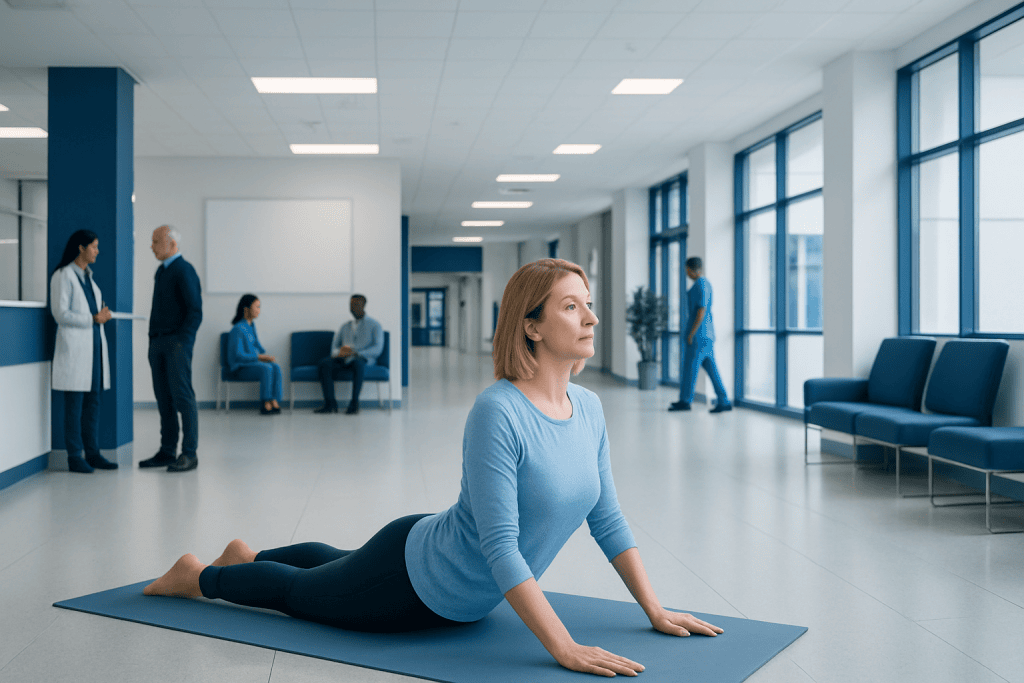
Cobra pose is a mild to moderate backbend used to improve spinal extension and open the front of the chest. The pose should come mainly from lengthening through the spine rather than pushing hard with the hands.
Key Takeaways
- Cobra pose is a mild to moderate backbend used to improve spinal extension and open the front of the chest.
- The pose should come mainly from lengthening through the spine rather than pushing hard with the hands.
- People with back pain, recent injury, pregnancy-related concerns, or certain spine conditions may need modifications or medical advice first.
- Pain, numbness, dizziness, or worsening symptoms during the pose are signs to stop and seek professional guidance.
- A gradual, well-aligned approach is generally safer than trying to lift too high.
Cobra pose is a yoga backbend, also called bhujangasana, that gently lifts the chest while the pelvis and legs stay on the floor. When practiced with good alignment, it can support posture, spinal mobility, and chest opening, but it should be modified or avoided in some people with back, neck, or shoulder problems.
Overview: What Cobra Pose Is
Cobra pose, known in yoga as bhujangasana, is a floor-based backbend performed lying face down and lifting the chest upward. The legs remain extended behind the body, and the hands help support a gentle rise through the upper spine. In exercise and wellness settings, it is commonly used to encourage spinal extension, chest opening, and postural awareness.
From a medical perspective, cobra pose is not a treatment on its own, but it can be part of a broader movement routine that supports flexibility, mobility, and muscle control. Many people find it helpful after long periods of sitting because it moves the spine in the opposite direction of a slumped posture. However, benefits depend on technique, body mechanics, and the individual’s underlying health.
The pose is often confused with a deeper backbend. In practice, cobra pose can range from a very small lift of the chest to a higher version, depending on comfort and flexibility. A low cobra, where the elbows stay bent and the lift is modest, is often the better starting point for beginners or for people with limited spinal mobility.
How Cobra Pose Affects the Body
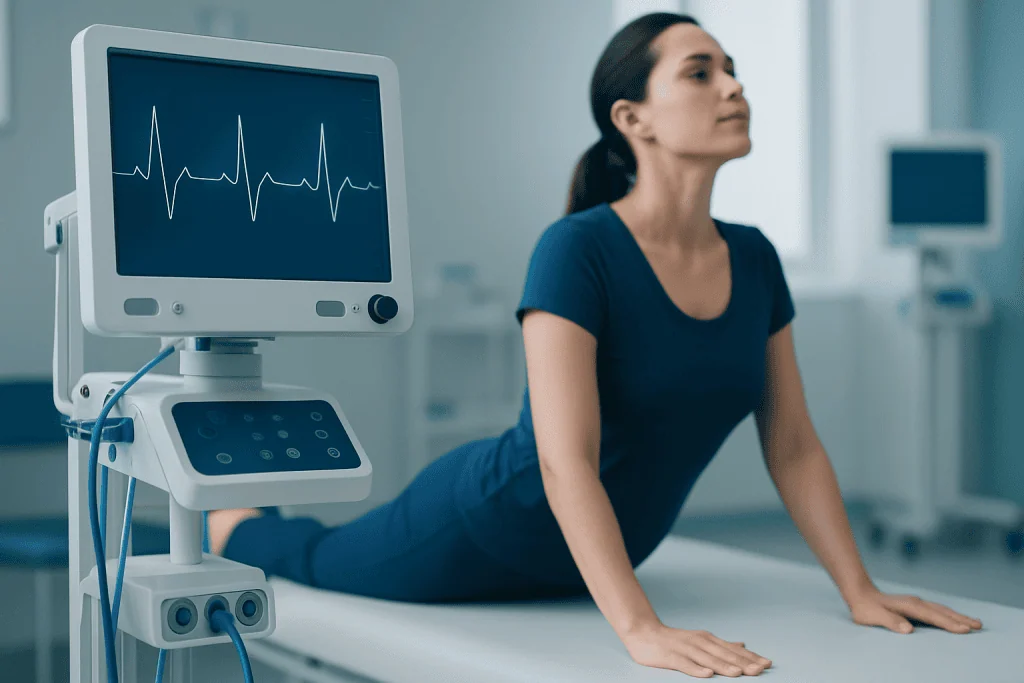
Cobra pose places the spine into extension, especially through the thoracic spine, which is the middle part of the back. This can help counteract stiffness related to prolonged desk work, driving, or frequent forward bending. The pose also encourages gentle activation of the back muscles and can improve awareness of how the shoulder blades and chest move together.
The front of the body also lengthens in cobra pose. Depending on how it is performed, people may feel a stretch across the chest, upper abdomen, and fronts of the shoulders. This may support a more upright posture over time, especially when cobra pose is combined with strengthening and ergonomic changes in daily life.
At the same time, the pose creates load through the lower back, wrists, and shoulders. If a person pushes too high, collapses into the lumbar spine, or lifts the chin excessively, the pose may cause strain instead of benefit. That is why controlled movement, gradual progression, and attention to symptoms are more important than the height of the lift.
Potential Benefits of Cobra Pose
When practiced correctly, cobra pose may offer several general wellness benefits. These effects are usually modest and develop with regular, comfortable practice rather than forceful stretching. Cobra pose is best viewed as one component of a balanced movement program.
Possible benefits include:
- Improved spinal mobility, especially extension through the mid-back
- Gentle strengthening of the back extensor muscles
- Opening of the chest and fronts of the shoulders
- Better postural awareness during sitting and standing
- Support for breathing mechanics by expanding the front of the rib cage
Some rehabilitation programs also use movements that resemble a gentle cobra, particularly for selected types of mechanical back pain. However, not all back pain responds well to extension-based exercises. People with persistent symptoms may benefit from a professional assessment, especially if there is concern for a herniated disc or other structural causes of pain.
How to Do Cobra Pose Safely
To perform cobra pose, a person usually lies face down with the legs extended and the tops of the feet resting on the floor. The hands are placed under or slightly in front of the shoulders, and the elbows stay close to the body. Before lifting, it helps to lengthen the spine by gently drawing the chest forward rather than immediately pushing upward.
On an inhale, the head and chest lift gradually off the floor. The lift should come from the back muscles first, with the hands offering only light support. The shoulders stay away from the ears, the elbows remain slightly bent, and the neck follows the line of the spine rather than sharply tilting back.
In a safe version of cobra pose, the pelvis and lower ribs may remain grounded, especially in a low cobra. The lower back should feel engaged but not pinched. If there is sharp pain, tingling, or pressure in the neck or low back, the person should lower down and stop. For some individuals, a structured assessment and physical therapy and rehabilitation plan may be more appropriate than self-directed stretching.
Helpful form cues include:
- Lift only as high as comfortable
- Keep the pubic bone and legs grounded
- Avoid locking the elbows
- Spread the effort through the whole spine instead of compressing the lower back
- Breathe steadily and avoid holding the breath
Who Should Be Cautious or Avoid Cobra Pose
Cobra pose is not suitable for everyone. People with acute back injuries, recent abdominal or chest surgery, uncontrolled pain, or severe stiffness should be cautious. The pose may aggravate certain conditions if it is performed without modification or if done too deeply.
Extra care may be needed in people with chronic low back pain, spondylolisthesis, facet joint irritation, wrist pain, shoulder impingement, neck problems, or osteoporosis. Some pregnant individuals may also need to avoid prone positions, especially later in pregnancy, and should seek individualized advice from a qualified clinician.
If back pain travels into the leg, or if there is weakness, numbness, or bowel or bladder change, self-treatment with stretches is not appropriate. These symptoms may point to nerve involvement or another condition needing medical attention. Depending on the cause, doctors may recommend evaluation with MRI or specialist review for scoliosis and other spine-related concerns.
Common Mistakes and Safer Modifications
A common mistake in cobra pose is pushing up too high with the arms while the lower back takes most of the pressure. Another is shrugging the shoulders or throwing the head back, which can strain the neck and upper trapezius muscles. These patterns reduce the intended benefit of distributing extension through the whole spine.
For many people, a low cobra is the safest version. In this modification, the hands stay light, the elbows remain bent, and the chest lifts only a small distance from the mat. A folded towel under the lower ribs or practicing on a firm but comfortable surface may also improve comfort.
Another useful option is sphinx pose, which keeps the forearms on the floor and reduces the demand on the wrists. This can be a better starting point for people with limited shoulder mobility or weak back extensors. If uncertainty remains about pain triggers or movement technique, assessment through orthopedic rehabilitation may help identify safer exercise choices.
When to Seek Medical Care
Mild muscle effort during cobra pose can be normal, but pain is not a sign that the pose is helping. A person should stop the movement and seek medical advice if cobra pose causes sharp back pain, shooting pain into the arms or legs, numbness, tingling, weakness, dizziness, or headache. These symptoms deserve proper evaluation rather than continued stretching.
Medical review is also important if there is ongoing back or neck pain that lasts more than a few days, pain after a fall or sports injury, fever, unexplained weight loss, or pain that wakes a person from sleep. These features may suggest a problem beyond simple muscle tightness.
Near the end of a care pathway, some people may benefit from coordinated assessment by spine, rehabilitation, and imaging specialists. Acibadem International’s multidisciplinary specialists and JCI-accredited hospitals diagnose and treat musculoskeletal and spine conditions for international patients.
Frequently asked questions
Is cobra pose good for back pain?
Cobra pose may help some people with stiffness related to prolonged sitting or certain types of mechanical back discomfort. However, it is not right for every cause of back pain, and it can worsen symptoms if done too deeply or in the wrong situation. Persistent or radiating pain should be assessed by a doctor or physiotherapist.
What muscles does cobra pose work?
Cobra pose mainly activates the muscles that extend the spine, along with muscles that help stabilize the shoulder blades. It also stretches the chest, upper abdomen, and fronts of the shoulders to varying degrees. The exact muscle demand depends on how high the chest is lifted and how much the hands assist.
Can beginners do cobra pose?
Yes, many beginners can practice cobra pose safely by starting with a low version. The key is to lift only slightly, keep the elbows bent, and avoid forcing the lower back. Beginners benefit from slow instruction and stopping if the pose causes pain.
What is the difference between cobra pose and upward-facing dog?
In cobra pose, the pelvis and much of the lower body usually stay in contact with the floor, and the elbows may remain bent. Upward-facing dog is a stronger backbend in which the thighs and pelvis lift off the floor and the arms are straighter. Because upward-facing dog places more demand on the wrists, shoulders, and spine, it is usually more advanced.
Who should avoid cobra pose?
People with acute back injury, severe pain, certain spine conditions, recent abdominal surgery, or significant wrist or shoulder problems may need to avoid or modify cobra pose. It may also be unsuitable during some stages of pregnancy. Anyone with numbness, weakness, or pain radiating into a limb should seek medical guidance first.
How long should cobra pose be held?
There is no single required hold time, and comfort matters more than duration. Many people begin with a brief, steady hold while breathing normally, then repeat the movement gently. It is better to practice several comfortable repetitions than to stay in the pose long enough to cause strain.
References
- National Center for Complementary and Integrative Health
- American Academy of Orthopaedic Surgeons
- National Institute of Arthritis and Musculoskeletal and Skin Diseases
- MedlinePlus
- World Health Organization
This article is for general information only and is not a substitute for professional medical advice. Please consult a qualified doctor about your individual situation.
Joint and spine care in Turkey — expert assessment & treatment
JCI-accredited · board-certified surgeons · reply within 24h
Add us as a Preferred Source to see more of our trusted health content across Google Search, AI Overviews and Discover.