What to Wear to Physical Therapy? A Doctor-Reviewed Answer

Wear loose or stretchable clothing that does not restrict walking, bending, reaching, or exercise. Choose clothing that gives the therapist practical access to the painful or injured area while preserving comfort and privacy.
Key Takeaways
- Wear loose or stretchable clothing that does not restrict walking, bending, reaching, or exercise.
- Choose clothing that gives the therapist practical access to the painful or injured area while preserving comfort and privacy.
- Supportive closed-toe shoes are usually preferable for balance, walking practice, and exercise.
- Bring relevant medical information, mobility aids, imaging reports, and a list of medicines if requested.
- New severe pain, marked swelling, fever, sudden weakness, or breathing symptoms should be medically reviewed rather than managed through routine exercise.
For most people, choosing what to wear to physical therapy is simple: clean, comfortable clothing that allows easy movement and lets the therapist reach the body area being treated is usually best. Supportive shoes, appropriate undergarments, and a few practical items can help make assessment and exercise more comfortable.
What to Wear to Physical Therapy
What to wear to physical therapy is usually straightforward: choose comfortable, flexible clothing that permits movement and allows the therapist to examine or treat the relevant body part. Athletic wear, loose trousers or shorts, a T-shirt, and supportive closed-toe shoes are practical choices for many appointments.
Most people do not need to buy special clothing for rehabilitation. The aim is to help a physical therapist observe posture, walking, joint movement, and muscle control without clothing getting in the way. Clothing should also help the patient feel secure and at ease during hands-on assessment, stretching, or guided exercise.
The best choice depends on the reason for therapy. A person attending for shoulder pain may wear a sleeveless top or loose T-shirt, while someone receiving knee treatment may find shorts or loose trousers easier. If there is uncertainty, contacting the clinic before the first visit can provide clear guidance.
Why Clothing Matters During a Therapy Visit
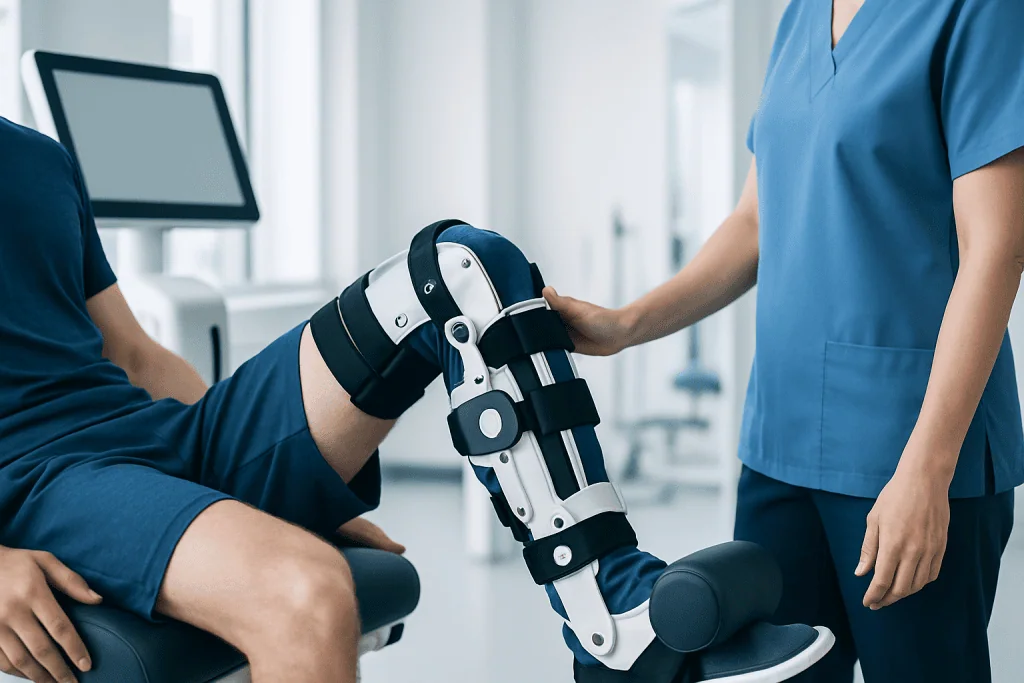
Physical therapy is not only an exercise session. At an initial appointment, the therapist may ask about symptoms, observe everyday movements, assess strength and flexibility, and check how a joint or muscle responds to gentle testing. Clothing that is restrictive can make these steps harder and may limit the accuracy of the assessment.
For example, a therapist evaluating back pain may need to observe the alignment of the spine, hips, and pelvis during standing, bending, or walking. For knee, ankle, or foot concerns, it can be useful to expose the leg below the knee and to bring the shoes normally used for work, exercise, or daily walking.
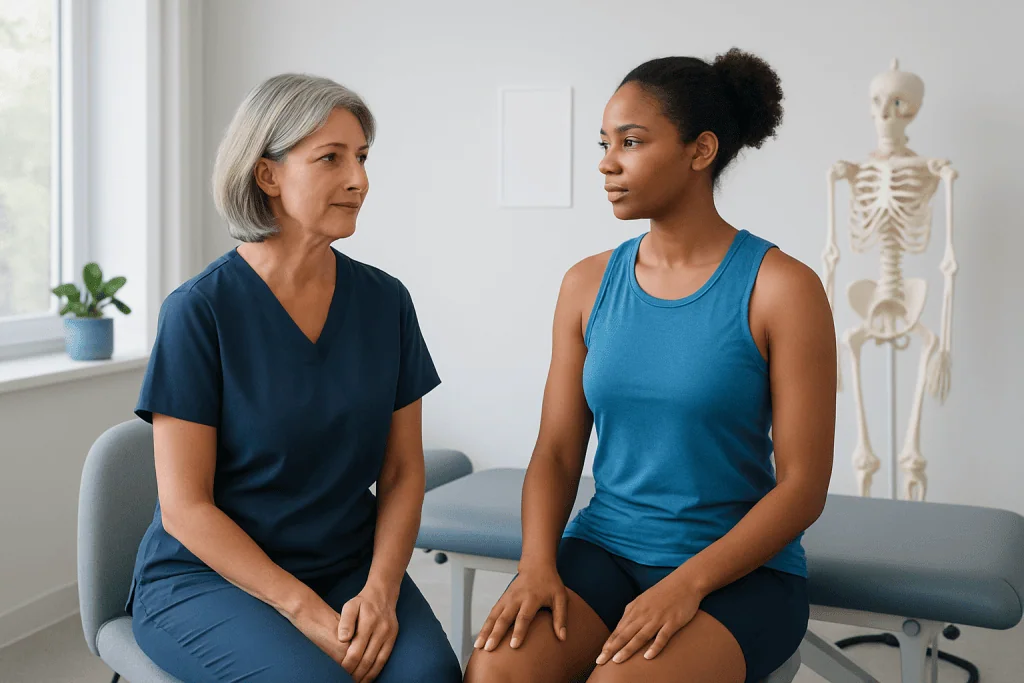
Comfort and dignity remain important. Patients may ask for a towel, gown, or drape when an area needs to be assessed, and they can tell the therapist if they would prefer a different approach. A qualified therapist should explain what they plan to assess or do, seek consent, and respect personal boundaries throughout care.
Clothing Choices for Different Body Areas
For neck, upper back, shoulder, elbow, or wrist rehabilitation, a loose T-shirt, tank top, or short-sleeved shirt is often helpful. A sleeveless top may make it easier to assess the shoulder, but it is not required; a loose shirt that can be moved comfortably is usually sufficient. Patients may also wish to avoid tight jackets, stiff collars, or restrictive layers.
For hip, knee, thigh, calf, ankle, or foot treatment, shorts are often the most convenient option. Loose jogging trousers or leggings can also work if they can be rolled up or moved away from the treatment area. Tight jeans, fitted formal trousers, and long skirts may make it difficult to assess swelling, alignment, movement, or surgical scars.
For lower back, pelvic, or abdominal rehabilitation, soft exercise clothing that permits bending and lying down is generally suitable. High-waisted leggings, sweatpants, or shorts can be practical. Patients who feel more comfortable with additional coverage may wear layers that can be adjusted, as long as the therapist can still assess movement safely.
After surgery, the clinic may provide more specific instructions. Loose clothing that does not rub against incisions, braces, casts, or dressings is often advisable. A patient should not remove a brace, compression garment, wound dressing, or medical device unless a clinician has instructed them to do so.
Shoes, Socks, and Helpful Accessories
Supportive, closed-toe shoes with non-slip soles are a sensible choice for many physical therapy sessions. They can improve stability during walking assessment, balance work, stair practice, and strengthening exercises. Athletic shoes are often suitable, particularly when the treatment plan includes treadmill walking, cycling, or functional movement training.
Open-toe sandals, high heels, loose slippers, and shoes with smooth or unstable soles may not be appropriate for active sessions. However, footwear needs vary. A therapist assessing a foot problem may ask the patient to walk barefoot briefly or to bring commonly worn shoes so that their wear pattern and fit can be reviewed.
Clean socks are useful, especially when shoes are removed for treatment or exercises. Patients using orthotics, ankle braces, knee supports, compression garments, walking boots, canes, crutches, or a walker should bring them unless the clinic says otherwise. These items help the therapist understand how the person moves in daily life and make appropriate adjustments when needed.
What to Bring to a First Physical Therapy Appointment
Preparing a small bag can make the first visit smoother. Useful items may include photo identification, insurance or referral information where relevant, a list of current medicines and allergies, and contact details for the referring clinician. It can also help to write down key symptoms, including when they started, what makes them better or worse, and how they affect sleep, work, or daily activities.
If available, patients can bring previous scan reports, X-ray or MRI images, operation notes, discharge summaries, and laboratory results. The therapist may not need every document, but this information can give helpful context. Bringing an exercise plan from another clinician may also prevent conflicting advice.
A water bottle is useful for longer or more active sessions. Some people appreciate a small snack afterward, particularly if they are attending after work or have medical conditions that affect energy levels. Valuables should generally be left at home or kept to a minimum, as treatment may involve moving between exercise areas and a treatment table.
- Comfortable clothes that allow movement
- Supportive shoes and clean socks
- Glasses, hearing aids, or communication devices used daily
- Braces, orthotics, mobility aids, or usual work-out shoes
- Relevant medical records and a current medication list
When to Seek Medical Care Before or During Therapy
Muscle soreness or mild tiredness after a new rehabilitation activity is common and often settles with rest and appropriate adjustment of the exercise plan. However, physical therapy should not be used to self-manage symptoms that may need urgent medical assessment. Patients should tell their therapist about any important change in symptoms, even if it seems unrelated to the original problem.
Prompt medical review is important for severe or rapidly worsening pain, a visibly deformed joint, inability to bear weight after an injury, major swelling, new numbness or weakness, loss of bladder or bowel control, fever with a painful or swollen joint, chest pain, fainting, or sudden shortness of breath. Emergency care may be appropriate for sudden symptoms suggesting a serious heart, lung, nerve, or circulation problem.
A clinician will usually begin with a medical history and physical examination. Depending on the symptoms, they may assess vital signs, strength, sensation, reflexes, joint stability, circulation, or walking. Imaging, blood tests, or referral to another specialist may be considered when there is concern for fracture, infection, nerve compression, inflammatory disease, or another condition requiring medical treatment.
Patients should also contact the treating team if a surgical wound becomes increasingly red, warm, swollen, painful, or leaky, or if a brace or cast causes pressure, numbness, or skin changes. Identifying these concerns early helps ensure that rehabilitation remains safe and appropriately tailored.
How to Feel Comfortable and Get the Most From Treatment
Arriving a few minutes early allows time to change shoes, complete forms, and discuss goals. It can be helpful to wear layers, because exercise areas may feel warm while treatment rooms may feel cooler. Clothing should be clean and comfortable, but there is no expectation that a person needs to look athletic or be physically fit before attending.
Patients can tell the therapist about cultural preferences, modesty concerns, sensory sensitivities, pain with certain positions, or difficulty changing clothes. These details allow the session to be adapted. Alternatives may include keeping more clothing in place, using draping, changing the exercise position, scheduling extra time, or involving a chaperone according to local policies.
It is also useful to ask what type of treatment is planned. Some sessions focus on education, manual techniques, mobility, or home exercises, while others involve supervised strengthening, balance training, or return-to-sport activities. This information can guide clothing and footwear choices for the next appointment.
Acibadem International’s multidisciplinary specialists and JCI-accredited hospitals support international patients who need assessment and rehabilitation planning for musculoskeletal, neurological, and post-operative concerns. A qualified clinician can advise on suitable preparation based on the individual diagnosis, treatment stage, and mobility needs.
Frequently asked questions
Can a person wear jeans to physical therapy?
Jeans may be acceptable for a consultation-focused visit, but they are often not ideal for physical therapy. They can restrict bending, squatting, stretching, and walking, and may prevent access to the knee, hip, or lower back. Loose trousers, shorts, or stretchable exercise clothing are usually more practical.
Should a person wear shorts for knee physical therapy?
Shorts are often a helpful choice for knee physical therapy because they allow the therapist to view the knee, thigh, and lower leg during movement. They may also make it easier to use supports, apply ice, or assess swelling. Loose trousers that can be rolled above the knee may be an alternative.
What shoes are best for a physical therapy appointment?
Supportive closed-toe shoes with stable, non-slip soles are suitable for many appointments. Athletic shoes are often useful when exercises involve walking, balance, or strengthening. A patient with a foot or ankle concern may also be asked to bring the footwear they use most often.
Does a person need to undress for physical therapy?
Usually, a person only needs to adjust clothing enough for the therapist to assess the affected area and observe movement. The therapist should explain why access is needed and obtain consent before any examination or hands-on treatment. Patients can request draping, bring a change of clothing, or discuss privacy preferences at any time.
What should a person avoid wearing to physical therapy?
It is generally best to avoid restrictive clothing, high heels, unstable sandals, heavy jewelry, and garments that make movement difficult. Clothing that rubs on a healing incision, brace, or painful area may also be uncomfortable. The clinic can provide specific advice after surgery or for specialized rehabilitation.
Should a person bring medical reports to physical therapy?
Bringing relevant reports, imaging results, operation notes, and a medication list can be useful, especially at the first appointment. These documents may help the therapist understand the diagnosis and any precautions. Patients should still share new symptoms or concerns directly, even if they are not written in the records.
References
- American Physical Therapy Association
- National Institute of Arthritis and Musculoskeletal and Skin Diseases
- National Health Service
- MedlinePlus
This article is for general information only and is not a substitute for professional medical advice. Please consult a qualified doctor about your individual situation.
Explore treatments in Turkey — costs, top hospitals & a free quote
JCI-accredited · board-certified surgeons · reply within 24h
Add us as a Preferred Source to see more of our trusted health content across Google Search, AI Overviews and Discover.

More from the Health Library



Related Specialists

Prof. Dr. Feyzullah Çetinkaya
Pediatrics
Prof. Dr. Ercüment Yılmaz
Cardiology
Prof. Dr. Mustafa Hakan Dinçkal
Cardiology
Assoc. Prof. Dr. Murat Yıldar
Liver Transplant Center