Coffee ground stool: Common Causes, Warning Signs, and When to See a Doctor

Coffee ground stool can be a sign of digested blood, often from bleeding higher in the digestive tract. Not every dark stool is caused by bleeding; iron supplements, bismuth medicines, and certain foods can also change stool color.
Key Takeaways
- Coffee ground stool can be a sign of digested blood, often from bleeding higher in the digestive tract.
- Not every dark stool is caused by bleeding; iron supplements, bismuth medicines, and certain foods can also change stool color.
- Warning signs such as dizziness, fainting, abdominal pain, vomiting blood, or weakness need prompt medical attention.
- Doctors may use a history, physical exam, blood tests, stool tests, and endoscopy to find the cause.
- Treatment depends on the source and may range from stopping an irritating medicine to treating an ulcer or another gastrointestinal condition.
Coffee ground stool usually refers to stool that looks dark, granular, or black-brown because blood may have been partly digested as it moved through the digestive tract. While some foods and medicines can also darken stool, this symptom should not be ignored, especially if it appears suddenly or occurs with pain, dizziness, weakness, or vomiting.
What coffee ground stool can mean
Coffee ground stool describes stool that appears very dark brown, black, or speckled in a way that may resemble wet coffee grounds. In medical terms, this appearance can suggest that blood has been exposed to stomach acid or digestive enzymes before leaving the body. That process changes the color and texture of blood, making it look darker and less obviously red.
This symptom is different from bright red blood in the stool, which more often points to bleeding lower in the intestines or around the rectum. Coffee ground stool more commonly raises concern for bleeding in the upper digestive tract, such as the esophagus, stomach, or first part of the small intestine. However, stool appearance alone cannot confirm the source.
It is also important to know that not every black or dark stool means bleeding. Iron tablets, bismuth-containing medicines, activated charcoal, and foods such as black licorice, blueberries, or foods with dark coloring can all affect stool color. Even so, a new change in stool that resembles coffee grounds should be reviewed by a healthcare professional, especially if there are other symptoms.
How it may look and feel
People describe coffee ground stool in different ways. It may be black and tarry, dark brown with granular flecks, or unusually sticky and foul-smelling. In some cases, it comes with other digestive symptoms, while in others the stool change is the first sign that something is wrong.
Symptoms that can appear along with coffee ground stool include nausea, upper abdominal discomfort, bloating, fatigue, shortness of breath with activity, or lightheadedness. If blood loss is more significant, a person may feel weak, faint, pale, or develop a rapid heartbeat. Some people may also have vomiting that looks like coffee grounds, which can happen with bleeding in the stomach.
These associated symptoms matter because they help doctors judge how urgent the situation may be. Dark stool after a new iron supplement may be less concerning than dark stool that begins suddenly with stomach pain and dizziness. Any combination of stool color change and symptoms of blood loss should be taken seriously.
Common causes and risk factors

The most common medical reason for coffee ground stool is bleeding somewhere in the upper gastrointestinal tract. This may happen with stomach or duodenal ulcers, inflammation of the stomach lining, tears in the esophagus after severe vomiting, enlarged veins in the esophagus, or growths in the digestive tract. Conditions affecting the stomach lining, such as gastritis, can also contribute.
Medicines are an important risk factor. Nonsteroidal anti-inflammatory drugs, such as ibuprofen or naproxen, can irritate the stomach and increase the chance of ulcers or bleeding. Blood thinners and antiplatelet medicines can make even a small bleed more significant. Alcohol misuse, smoking, severe illness, liver disease, and prior ulcer disease also raise risk.
Infections such as Helicobacter pylori can damage the stomach or duodenal lining and lead to ulcers. Doctors may consider stomach ulcer disease when dark stool occurs with upper abdominal burning or a history of pain related to meals. Less commonly, inflammatory disease, vascular abnormalities, or cancer may be involved.
Some non-bleeding causes can mimic coffee ground stool. Iron supplements, bismuth subsalicylate, and certain foods can darken stool without blood loss. Because it is hard to tell the difference at home, a new or unexplained change should still be assessed rather than assumed to be harmless.
How doctors find the cause
Evaluation begins with a detailed history. A doctor will ask when the dark stool started, whether it is persistent, and whether there are related symptoms such as abdominal pain, vomiting, weight loss, dizziness, or weakness. Questions about medicines, supplements, alcohol use, recent illness, and diet help narrow the possibilities.
The physical exam may include checking blood pressure, heart rate, skin color, and abdominal tenderness. If bleeding is suspected, blood tests can look for anemia, infection, clotting problems, or signs of dehydration. In some situations, stool testing may be used to confirm whether blood is present.
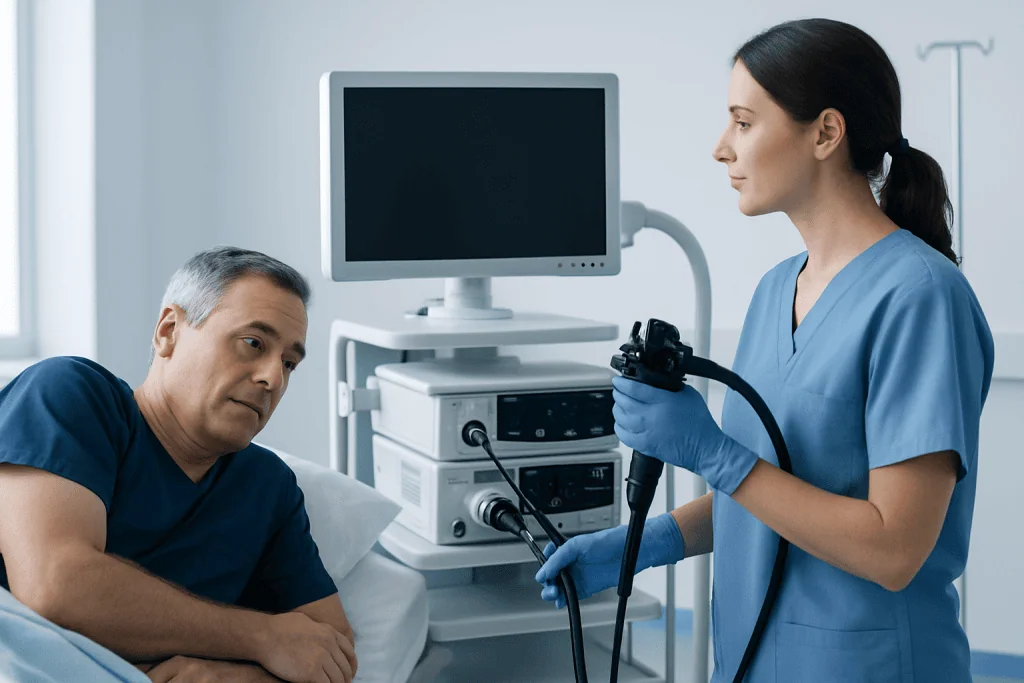
Endoscopy is often the key test when upper gastrointestinal bleeding is a concern. During endoscopy, a doctor uses a flexible camera to examine the esophagus, stomach, and first part of the small intestine. This can help identify ulcers, inflamed areas, tears, or other sources of bleeding, and sometimes treatment can be performed at the same time.
If a lower intestinal source is also being considered, especially when stool appearance is mixed or symptoms suggest a broader bowel issue, a specialist may recommend colonoscopy. Imaging studies or additional laboratory tests may also be needed, depending on age, symptoms, and medical history.
Treatment depends on the source
Treatment for coffee ground stool is not aimed at the stool itself but at the reason behind it. If bleeding is confirmed, the first goals are to stabilize the person, replace fluids if needed, and stop the bleeding. This may involve medications that reduce stomach acid, stopping irritating drugs, or treating the source directly during an endoscopic procedure.
Ulcers are commonly treated with acid-suppressing medicines and, when present, treatment for Helicobacter pylori infection. If medicines such as NSAIDs contributed, a doctor may advise avoiding them or switching to a safer alternative. Management of stomach cancer or other serious conditions depends on stage, overall health, and specialist evaluation.
When dark stool is caused by iron or bismuth rather than bleeding, no emergency treatment may be needed, but the person should still confirm this with a healthcare professional. The appearance often improves after the product is stopped, if a doctor agrees it is safe to do so.
Some patients may need hospital care, especially if they have ongoing bleeding, severe weakness, low blood pressure, chest symptoms, or significant anemia. Near the end of the care pathway, multidisciplinary gastroenterology and internal medicine teams, including those at Acibadem International’s JCI-accredited hospitals, may help diagnose and manage the underlying cause for international patients.
Prevention and self-care
Not every cause of coffee ground stool can be prevented, but some practical steps may lower risk. Taking pain relievers only as directed, avoiding unnecessary NSAID use, and discussing stomach protection with a doctor when these medicines are needed can help reduce ulcer-related bleeding. People on blood thinners should follow their prescription carefully and report any bleeding symptoms promptly.
Limiting alcohol, not smoking, and seeking treatment for ongoing indigestion or reflux may also support digestive health. If a person has a known history of ulcers or gastritis, regular follow-up and medication adherence can reduce the chance of complications. When Helicobacter pylori infection is diagnosed, completing treatment matters.
At home, it can be helpful to note the stool color, frequency, and any associated symptoms, as well as recent foods, supplements, and medications. However, self-diagnosis is not reliable. A sudden or unexplained dark stool should not be managed only with diet changes or over-the-counter remedies without medical advice.
When to seek medical care
Coffee ground stool deserves medical attention because it may reflect bleeding inside the digestive tract. A person should arrange prompt medical evaluation if the symptom is new, keeps returning, or cannot be clearly explained by a recently started medicine such as iron or bismuth. It is especially important to seek care if there is a history of ulcer disease, liver disease, blood thinner use, or heavy NSAID use.
Urgent care is needed if coffee ground stool appears with dizziness, fainting, severe weakness, chest discomfort, shortness of breath, rapid heartbeat, vomiting blood, or moderate to severe abdominal pain. These can be signs of significant blood loss or another serious digestive problem. Older adults and people with major medical conditions may need faster assessment even if symptoms seem mild.
Parents should also contact a doctor if a child has black, tarry, or coffee ground-like stool, because causes and urgency can differ by age. In any age group, repeated episodes, unexplained weight loss, trouble swallowing, or persistent vomiting should not be ignored.
- Seek emergency help for fainting, confusion, heavy vomiting of blood, or signs of shock.
- Seek prompt medical review for new dark granular stool, especially with weakness or abdominal pain.
- Book a non-urgent visit if stool darkening seems linked to a medicine or supplement but there is uncertainty.
Frequently asked questions
Is coffee ground stool always a sign of bleeding?
No. Iron supplements, bismuth-containing medicines, and some dark foods can make stool look black or granular. Still, because coffee ground stool can also mean digested blood, a doctor should help determine the cause.
What is the difference between coffee ground stool and bright red blood in stool?
Coffee ground stool usually suggests blood has been digested, often pointing to a source higher in the digestive tract. Bright red blood is more often linked to bleeding lower in the intestines, rectum, or anus. The difference is helpful, but only medical evaluation can identify the exact source.
Should someone go to the emergency room for coffee ground stool?
Emergency care is important if coffee ground stool occurs with fainting, dizziness, severe weakness, shortness of breath, chest symptoms, vomiting blood, or significant abdominal pain. These symptoms may indicate active bleeding or substantial blood loss. If the person feels unwell or the symptom is sudden and dramatic, urgent assessment is safest.
Can iron tablets cause stool that looks like coffee grounds?
Yes. Iron commonly darkens stool and can make it appear black or very dark green. Even so, if there is any doubt, or if the person also has pain, weakness, or dizziness, medical advice is still recommended.
How is coffee ground stool diagnosed?
Doctors usually start with a medical history, medication review, and physical examination. Blood tests and sometimes stool tests may follow. If bleeding from the upper digestive tract is suspected, endoscopy is often the most useful test.
Can coffee ground stool go away on its own?
It can, especially if the cause is a medicine or food that temporarily changes stool color. However, symptoms should not be dismissed because internal bleeding can also stop and start. Even if the stool returns to normal, recurrent or unexplained episodes should be checked by a doctor.
References
- National Institute of Diabetes and Digestive and Kidney Diseases
- American College of Gastroenterology
- National Health Service
- Mayo Clinic
- Merck Manual Consumer Version
This article is for general information only and is not a substitute for professional medical advice. Please consult a qualified doctor about your individual situation.
Persistent digestive symptoms? Get evaluated in Turkey
JCI-accredited · board-certified surgeons · reply within 24h
Add us as a Preferred Source to see more of our trusted health content across Google Search, AI Overviews and Discover.
Check your numbers in seconds
BMI, calories, due date, blood pressure and 30+ more clinical calculators — free, instant, doctor-reviewed ranges.