Cold Plunge Benefits: A Complete Medical Overview
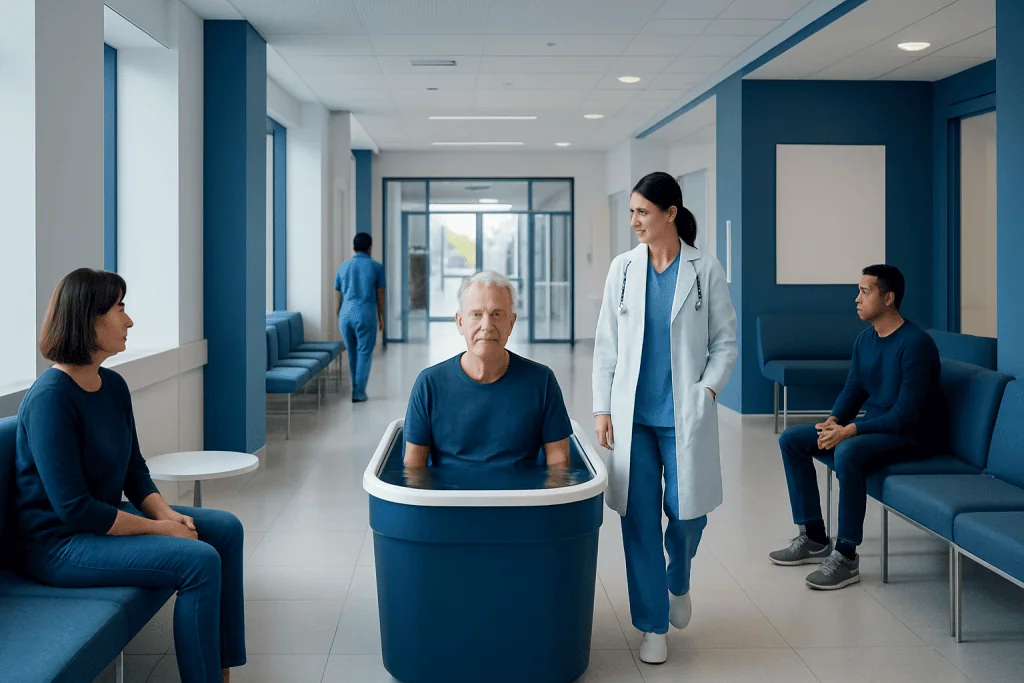
Cold plunges may briefly improve alertness, mood, and perceived recovery after exercise. Evidence is strongest for short-term effects; claims about immunity, weight loss, or long-term health are less certain.
Key Takeaways
- Cold plunges may briefly improve alertness, mood, and perceived recovery after exercise.
- Evidence is strongest for short-term effects; claims about immunity, weight loss, or long-term health are less certain.
- Cold water immersion can stress the heart, blood vessels, and lungs, so it is not suitable for everyone.
- Safer use involves gradual exposure, avoiding very long sessions, and stopping if concerning symptoms develop.
- People with cardiovascular, respiratory, neurologic, or circulation problems should seek medical advice before trying cold plunges.
Cold plunge benefits can include short-term improvements in alertness, mood, and post-exercise recovery for some people, but the effects are not the same for everyone. A medical view is important because cold water immersion also has risks, especially for people with heart, blood pressure, circulation, breathing, or nerve conditions.
Overview: what cold plunge benefits really mean
Cold plunge benefits usually refer to the effects of briefly immersing the body in cold water, often after exercise or as part of a wellness routine. For many healthy adults, the most realistic benefits are short-term: feeling more awake, experiencing a temporary lift in mood, and noticing less muscle soreness after intense activity. These effects are real for some people, but they are not universal and they do not mean cold plunges are medically necessary.
A complete medical overview also needs to separate popular claims from what is better supported by evidence. Research suggests cold water immersion may help with post-exercise recovery and may trigger changes in the nervous system that affect alertness and stress responses. However, stronger claims about boosting immunity, reversing inflammation-related disease, improving metabolism in a major way, or extending lifespan remain less certain.
Another important point is that “benefit” depends on the individual and the goal. An athlete looking to reduce soreness may evaluate cold exposure differently from someone hoping to manage chronic pain or improve mental well-being. In some cases, repeated cold exposure may even be unhelpful, such as immediately after strength training when the goal is to maximize muscle adaptation.
Because cold water rapidly affects breathing, blood pressure, skin blood flow, and heart workload, cold plunges should be viewed as a physical stressor rather than a harmless trend. A thoughtful approach can help people decide whether the potential advantages outweigh the risks for their personal health situation.
How cold water affects the body
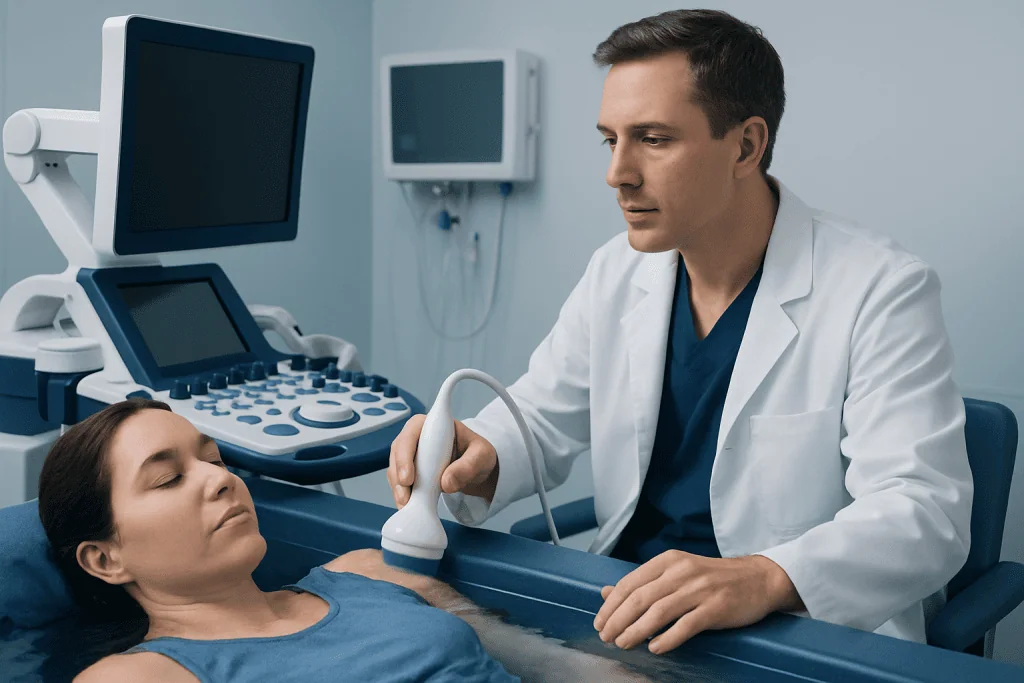
When the body enters cold water, it responds quickly. Skin blood vessels narrow, breathing often becomes faster, and the heart and nervous system react to preserve body temperature. This “cold shock” response can make a person feel suddenly alert, but it can also feel intense and uncomfortable, especially during the first minute.
Cold exposure may stimulate the release of stress-related hormones and influence neurotransmitters involved in attention and mood. That helps explain why some people report a short-lived sense of energy, sharper focus, or improved mood after a plunge. These changes are usually temporary and should not replace established care for fatigue, anxiety, or depression.
Muscles and soft tissues may also respond to cold by reducing local blood flow and nerve conduction for a time. This can decrease the sensation of soreness and may help some people feel better after hard training. For this reason, cold water immersion is commonly discussed alongside sports medicine and physical therapy and rehabilitation programs for recovery planning.
At the same time, the same physiologic reactions can be risky in susceptible individuals. Sudden cold exposure can trigger chest discomfort, dizziness, dangerous heart rhythm changes in some people, or worsening breathing symptoms in those with airway sensitivity. Understanding these body responses is central to using cold therapy more safely.
Potential benefits supported by current evidence

The best-supported cold plunge benefits relate to recovery from strenuous exercise. Some studies suggest that cold water immersion may reduce delayed-onset muscle soreness and the feeling of fatigue after intense training or competition. This may be useful for people who need to recover between repeated events or demanding training sessions, although the effect size varies.
Many users also describe improved alertness and a temporary sense of well-being after a cold plunge. The sudden sensory stimulus and stress response may contribute to this effect. While these experiences can be meaningful, they are generally short term and should be understood as supportive wellness effects rather than treatment for a medical condition.
There is also interest in whether regular cold exposure can influence stress resilience, sleep, circulation, or metabolic activity. Research in these areas is still developing. Some small studies and observational reports are encouraging, but there is not enough high-quality evidence to conclude that cold plunges reliably prevent disease or create major long-term health improvements in the general population.
Claims about weight loss need special caution. Cold exposure does increase energy demand as the body works to maintain temperature, but this does not make cold plunges a primary or proven weight-management strategy. Sustainable weight control is more strongly linked to nutrition, physical activity, sleep, and management of related conditions such as obesity.
Limits, risks, and who should be cautious
Cold plunge benefits must always be balanced against possible harms. The main immediate risks are cold shock, hyperventilation, dizziness, fainting, loss of coordination, and excessive drop in body temperature with prolonged exposure. In very cold water, judgment and muscle control can worsen quickly, which raises the risk of injury or drowning.
People with known or suspected heart disease should be especially careful. Cold water can raise blood pressure, increase heart workload, and in some cases trigger abnormal rhythms or chest symptoms. This is particularly relevant for anyone with coronary artery disease, uncontrolled hypertension, or a history of fainting with exertion or sudden temperature change.
Cold exposure may also be problematic for people with asthma or other breathing disorders, poor circulation, Raynaud phenomenon, peripheral nerve problems, diabetes-related nerve damage, seizure disorders, or certain skin conditions triggered by cold. Pregnant individuals, older adults with frailty, and very young children should not start cold plunge routines without professional guidance.
Even healthy people should think about timing and training goals. Frequent cold immersion right after resistance exercise may reduce some muscle-building signals, so it may not fit every fitness plan. Anyone recovering from illness, dehydration, alcohol use, or sleep deprivation should be extra cautious, as cold stress may be harder for the body to manage under those conditions.
How to use cold plunges more safely
For people who are generally healthy and want to try cold plunges, a gradual approach is safer than an intense first exposure. Starting with shorter, milder cold exposure and focusing on calm breathing can help reduce the sudden shock response. Entering slowly and avoiding panic or forced competition with others is important.
It is sensible to avoid very long sessions, especially in very cold water. Exact temperature and timing recommendations vary, and individual tolerance differs, so there is no single medically correct routine for everyone. A practical safety principle is to keep exposure brief, stop if symptoms develop, and warm up gradually afterward with dry clothing and a comfortable environment rather than extreme reheating.
Cold plunges should never be done alone if there is any concern about fainting, medical risk, or inexperience. People should leave the water immediately if they develop chest pain, severe shortness of breath, confusion, marked shivering, numbness that interferes with movement, or lightheadedness. Alcohol or recreational substances should be avoided before cold immersion because they can impair judgment and temperature regulation.
Anyone using cold exposure as part of sports recovery or rehabilitation may benefit from individualized advice. In some settings, a clinician or therapist may suggest alternatives or complementary strategies such as sports medicine guidance, sleep optimization, hydration, mobility work, or supervised recovery programs rather than relying on cold alone.
When to seek medical care
Medical care should be sought promptly if symptoms occur during or after a cold plunge such as chest pain, palpitations, fainting, severe trouble breathing, bluish lips, confusion, weakness on one side, or persistent shaking and coldness that do not improve after warming. These can be signs of a serious reaction that needs urgent assessment.
A person should also speak with a doctor before trying cold plunges if they have heart disease, high blood pressure, asthma, poor circulation, diabetes with nerve symptoms, a history of stroke, seizures, or unexplained fainting. The same applies if they take medicines that affect blood pressure, heart rhythm, or temperature regulation.
Cold exposure should not be used to self-treat chronic pain, inflammation, depression, or fatigue without proper evaluation, especially if symptoms are new, severe, or persistent. Ongoing pain may relate to orthopedic, neurologic, or vascular problems that need diagnosis. In some cases, a clinician may recommend further assessment or a tailored recovery plan that includes cardiology or other specialist input when risk factors are present.
For international patients who need evaluation, Acibadem International’s multidisciplinary specialists and JCI-accredited hospitals diagnose and treat a wide range of cardiovascular, respiratory, neurologic, and musculoskeletal conditions that may affect whether cold exposure is appropriate.
Practical perspective: deciding if a cold plunge is worth it
From a medical perspective, cold plunges are best seen as an optional wellness or recovery practice, not a requirement for good health. For a healthy person who enjoys the experience and uses it carefully, the possible benefits may include temporary freshness, improved perception of recovery, and a sense of routine or resilience. These advantages can be reasonable, but they should be kept in proportion.
For many people, the same goals can be supported by lower-risk habits with stronger evidence. Good sleep, balanced nutrition, regular exercise, stress management, hydration, and appropriate recovery time usually have a greater impact on long-term health than brief cold exposure. Someone who dislikes cold plunges does not need to adopt them to be healthy.
The most useful question is not whether cold plunges are universally good or bad, but whether they fit a specific person’s health profile and goals. A competitive athlete, a person with chronic illness, and an older adult with cardiovascular risk factors may all receive different guidance. Personalized advice matters more than trends.
If there is uncertainty, discussing cold exposure with a qualified clinician is the safest next step. That conversation can help identify risks, clarify realistic benefits, and place cold plunges within a broader health plan rather than treating them as a cure-all.
Frequently asked questions
Are cold plunge benefits scientifically proven?
Some are better supported than others. The strongest evidence is for short-term effects such as reduced muscle soreness after intense exercise and a temporary increase in alertness. Broader claims about immunity, major weight loss, or long-term disease prevention are less certain.
How often should a person do a cold plunge?
There is no single schedule that is right for everyone. Frequency depends on the person’s health, goals, and tolerance, and more is not always better. Anyone with medical conditions should ask a clinician before making it a regular practice.
Can cold plunges help with anxiety or depression?
Some people report a temporary lift in mood or a sense of calm after cold exposure. However, a cold plunge is not a proven replacement for mental health treatment. Persistent anxiety, depression, or panic symptoms should be evaluated by a qualified professional.
Who should avoid cold plunges?
People with heart disease, uncontrolled high blood pressure, rhythm problems, poor circulation, asthma triggered by cold, seizure disorders, or a history of fainting should be especially cautious. Pregnant individuals, frail older adults, and people with nerve damage or severe illness should seek medical advice first.
Can a cold plunge improve athletic recovery?
It may help some athletes feel less sore after hard training or competition. That said, immediate cold immersion after resistance training may not always fit muscle-building goals. Recovery plans work best when tailored to the sport, training phase, and individual health.
What symptoms after a cold plunge need urgent attention?
Chest pain, severe shortness of breath, fainting, confusion, bluish lips, persistent shivering, or palpitations should not be ignored. These symptoms may indicate a serious reaction and should prompt immediate medical evaluation.
This article is for general information only and is not a substitute for professional medical advice. Please consult a qualified doctor about your individual situation.
Explore treatments in Turkey — costs, top hospitals & a free quote
JCI-accredited · board-certified surgeons · reply within 24h
Add us as a Preferred Source to see more of our trusted health content across Google Search, AI Overviews and Discover.
Check your numbers in seconds
BMI, calories, due date, blood pressure and 30+ more clinical calculators — free, instant, doctor-reviewed ranges.

More from the Health Library

Lamaze Breathing — Explained by Medical Evidence, Not Myths

Multitask: What Patients Need to Know
Blakemore Tube: A Complete Medical Overview
Queasy and Light Headed: An Evidence-Based Guide for Patients

Antrum — Explained by Medical Evidence, Not Myths