Colon Screening: How It Works, Results and What to Expect
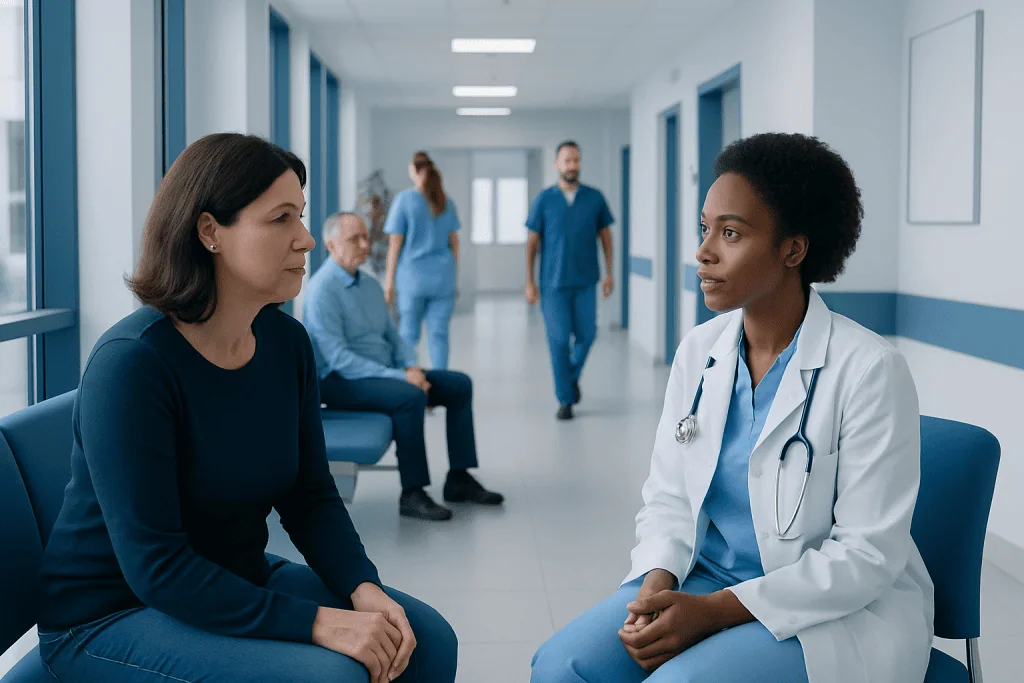
Colon screening can find precancerous polyps and colorectal cancer before symptoms appear. Average-risk adults are commonly advised to begin screening from age 45, although individual recommendations vary.
Key Takeaways
- Colon screening can find precancerous polyps and colorectal cancer before symptoms appear.
- Average-risk adults are commonly advised to begin screening from age 45, although individual recommendations vary.
- Screening options include stool-based tests, colonoscopy and certain imaging examinations.
- A positive stool test does not diagnose cancer; it usually needs follow-up with colonoscopy.
- New rectal bleeding, persistent bowel changes, unexplained anemia or weight loss should be assessed promptly rather than waiting for routine screening.
Colon screening helps detect colorectal cancer early and can identify polyps, which may be removed before they become cancerous. The best test and schedule depend on a person’s age, medical history, family history and preferences, so screening should be planned with a qualified clinician.
Colon Screening: How It Works
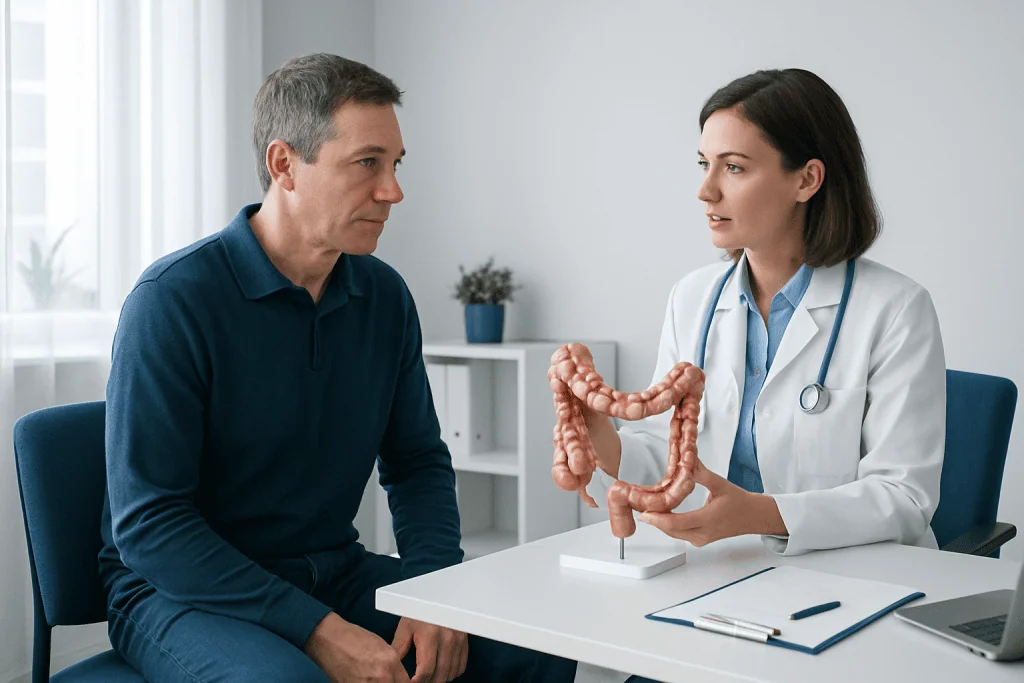
Colon screening, also called colorectal cancer screening, checks the colon and rectum for polyps, cancer and signs that further assessment is needed. Polyps are growths on the inner lining of the bowel. Many are harmless, but some types can slowly develop into cancer over years. Finding and removing suitable polyps is one important way screening may help prevent colorectal cancer.
Screening is intended for people without warning symptoms. It is different from diagnostic testing, which is arranged when a person has concerns such as rectal bleeding, a persistent change in bowel habits or unexplained iron-deficiency anemia. A clinician can help distinguish between routine screening and an investigation for symptoms.
Several approaches are available. Stool tests look for tiny traces of blood or abnormal DNA changes associated with colorectal cancer. Colonoscopy uses a flexible camera to inspect the inside of the colon and can allow biopsy or polyp removal during the same procedure. CT colonography uses specialized imaging to create detailed views of the colon, but abnormal findings generally still require colonoscopy.
Who Should Consider Colon Screening?
Many medical organizations recommend that adults at average risk begin colorectal cancer screening at age 45. The most suitable starting age, method and interval can differ between countries and individuals, so a person should discuss local guidance and personal circumstances with their doctor.
Someone may need earlier screening or more frequent colonoscopy if they have a parent, sibling or child with colorectal cancer or an advanced polyp; a personal history of polyps or colorectal cancer; inflammatory bowel disease affecting the colon; or a hereditary cancer syndrome. Examples include Lynch syndrome and familial adenomatous polyposis.
Screening decisions in older adulthood should be individualized. Overall health, previous screening results, life expectancy, the ability to undergo treatment if cancer is found and personal preferences all matter. Screening may be less appropriate when its likely benefits are limited, but this should be discussed carefully with a clinician rather than assumed.
- Average risk: no symptoms and no major personal or family risk factors.
- Increased risk: relevant family history, prior polyps, inflammatory bowel disease or inherited syndromes.
- Symptoms present: prompt medical assessment is needed; this is not simply routine screening.
Step by Step: What Happens During a Colonoscopy?
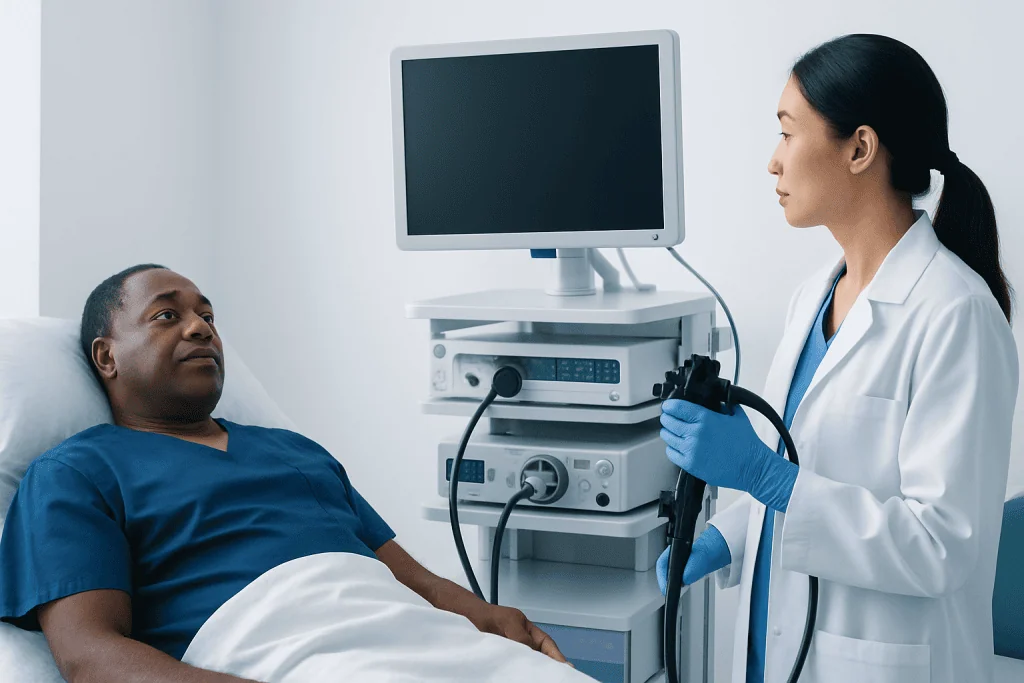
Colonoscopy is often the most comprehensive colon screening test because it both examines the bowel and enables the specialist to remove many polyps immediately. Before the appointment, the bowel must be emptied. The medical team provides instructions for a low-residue or clear-liquid diet and a prescribed bowel-cleansing preparation. Following these instructions closely is essential because stool remaining in the bowel can obscure small polyps.
At the clinic or hospital, the person is assessed, changes into a gown and usually receives sedation or anesthesia according to local practice and their health needs. The specialist gently passes a colonoscope, a thin flexible tube with a camera, through the rectum and around the colon. Air or carbon dioxide is introduced to open the bowel slightly and improve visibility.
The procedure commonly takes less than an hour, although timing varies if polyps are found or removed. Small tissue samples may be taken for laboratory examination, and polyps may be removed with specialized instruments passed through the scope. Colonoscopy services can support both screening and evaluation when a specialist recommends direct examination of the colon.
A person receiving sedation should arrange for a responsible adult to take them home and should avoid driving, alcohol, important decisions and operating machinery for the rest of the day. The care team gives individualized instructions, including advice about medicines such as blood thinners or diabetes treatments before the procedure.
Results, Recovery Timeline, Risks and Benefits
Results may be partly available immediately after colonoscopy. The specialist can often explain whether the bowel looked normal, whether polyps were removed and whether tissue was sent to a laboratory. Biopsy and polyp pathology results usually take longer, and the timing varies by laboratory. A normal colonoscopy may allow a longer interval before the next test, while the number, size and type of polyps can change follow-up recommendations.
For stool-based screening, a negative result means no concerning marker was detected at that time, but regular repeat testing is still important. A positive result does not mean a person has cancer. Blood in stool can have several causes, and the usual next step is colonoscopy to identify the source.
Most people feel mild bloating, gas or brief cramping after colonoscopy because air was used to expand the bowel. These effects usually settle within hours. Sedation can cause tiredness for the remainder of the day, and many people resume normal activities the following day if they feel well.
The benefits of colon screening include finding cancer earlier, when treatment may be simpler, and preventing some cancers through polyp removal. Serious complications from colonoscopy are uncommon but can include bleeding after polyp removal, a tear in the bowel wall, sedation-related reactions or infection. The clinician explains the individual balance of benefits and risks before consent.
What Is the Biggest Red Flag for Colon Cancer?
There is no single symptom that proves colon cancer, but visible blood in the stool or rectal bleeding is an important red flag that should be medically assessed. Blood may be bright red, dark red or make stools appear black and tar-like. Hemorrhoids and other benign conditions can also cause bleeding, so it should not be self-diagnosed.
Other warning signs include a persistent change in bowel habits, such as new constipation, diarrhea or narrower stools; ongoing abdominal pain or bloating; unexplained fatigue; unintentional weight loss; or iron-deficiency anemia. Symptoms can also arise from non-cancerous digestive conditions, but they deserve timely evaluation, especially when they are new or persistent.
People should not wait for a screening appointment if they have these symptoms. A doctor may recommend blood tests, stool testing, imaging or colonoscopy depending on the situation. Learning more about colorectal cancer can help patients understand risk factors, diagnosis and treatment pathways.
Will I Still Be Pooping During a Colonoscopy?
During the colonoscopy itself, a person is not expected to pass normal stool because the bowel preparation is designed to empty the colon beforehand. In the hours before the procedure, frequent loose bowel movements are expected as the preparation works. By the end, output should usually be clear or yellowish liquid, although the care team should be contacted if the preparation does not seem to be working as instructed.
During the examination, the person is often sedated and positioned comfortably. The colonoscope can be passed safely after appropriate bowel cleansing. Small amounts of liquid or residual material can sometimes remain, and the specialist can suction this away; however, inadequate preparation may occasionally mean that the test needs to be repeated sooner.
Afterwards, passing gas is common and encouraged because it relieves bloating. Normal bowel movements may not return until later that day or the next day, particularly if food intake has been limited. Any severe abdominal pain, fever, persistent vomiting, heavy rectal bleeding or dizziness after the procedure should be reported urgently.
Can a Doctor Tell If You Have Colon Cancer From a Colonoscopy?
Colonoscopy can often show a suspicious mass, ulcer or abnormal area that may be cancer, but a visual appearance alone usually cannot confirm the diagnosis. The specialist takes biopsies, meaning small tissue samples, which are examined by a pathologist. This laboratory analysis determines whether cancer cells are present and identifies important features of the tissue.
If cancer is confirmed, additional tests are commonly needed to understand its location and whether it has spread. These may include blood tests, CT or MRI scans and, in selected cases, other specialized imaging. The results guide discussions about surgery, systemic treatments, radiation therapy or other options.
Not every polyp is cancerous, and not every abnormal-looking area is cancer. This is why pathology is so important. If an abnormal result is found, coordinated care from gastroenterology, pathology, radiology, surgery and oncology can help ensure that next steps are appropriate and clearly explained.
Is Colon Cancer Screening Worth It?
For eligible adults, colon cancer screening is generally considered worthwhile because it can detect cancer before symptoms occur and can identify precancerous polyps that may be removed. Colorectal cancer can develop silently for a long time, so feeling well does not necessarily mean screening is unnecessary.
The most effective screening test is often the one a person can complete correctly and repeat at the recommended interval. Stool-based tests are noninvasive and performed at home, but they must be repeated more often and a positive result requires colonoscopy. Colonoscopy requires bowel preparation and a procedure visit, but it allows direct inspection and potential polyp removal at the same time.
A person should consider their risk level, health conditions, prior test results, access to follow-up care and preferences when choosing a method. At Acibadem International, multidisciplinary specialists in JCI-accredited hospitals can assess colorectal cancer screening needs and coordinate diagnostic and treatment planning for international patients.
Routine screening works alongside, rather than replacing, a healthy lifestyle. Not smoking, limiting alcohol, staying physically active, maintaining a weight that supports health and eating a balanced diet rich in fiber-containing foods may support overall colorectal health. These measures do not eliminate the need for recommended screening.
When to Seek Medical Care
A person should contact a doctor promptly for rectal bleeding, black stools, persistent or worsening abdominal pain, a bowel-habit change lasting more than a short period, unexplained weight loss, unusual tiredness or a diagnosis of iron-deficiency anemia. These symptoms do not necessarily indicate cancer, but they should be evaluated rather than attributed to stress, diet changes or hemorrhoids without medical advice.
Urgent assessment is appropriate for heavy bleeding, fainting, severe abdominal pain, a swollen abdomen with vomiting, or signs of dehydration. Following a colonoscopy, urgent medical advice is also needed for severe or increasing pain, fever, heavy bleeding, persistent vomiting, shortness of breath or weakness.
Anyone with a strong family history of colorectal cancer, a known inherited cancer condition or inflammatory bowel disease should ask a clinician about individualized screening plans even if they feel well. Early discussion gives the care team time to select the safest and most appropriate testing approach.
Frequently asked questions
What age should colon screening begin?
For many adults at average risk, colorectal cancer screening is recommended from age 45. Some people need screening earlier because of family history, prior polyps, inflammatory bowel disease or inherited cancer syndromes. A doctor can recommend the most appropriate starting age and schedule.
How often is colon screening needed?
The interval depends on the test used and the results. Stool-based tests are generally repeated more frequently than colonoscopy, while a normal colonoscopy may allow a longer interval for some average-risk people. Findings such as polyps can change the follow-up plan.
Is colonoscopy painful?
Most people receive sedation or anesthesia and do not feel significant discomfort during colonoscopy. Some bloating or cramping may occur afterward as the air used during the examination leaves the bowel. The medical team can explain sedation options and comfort measures before the procedure.
What happens if a stool screening test is positive?
A positive stool test means that blood or another marker was found; it does not diagnose colorectal cancer. A colonoscopy is usually recommended to examine the colon directly and determine the cause. Follow-up should be arranged without unnecessary delay.
Can colon screening find conditions other than cancer?
Yes. Colonoscopy may identify polyps, inflammation, diverticular disease, hemorrhoids or other causes of symptoms or bleeding. However, the test is primarily used to screen for colorectal cancer and precancerous changes or to investigate specific clinical concerns.
Do I need colon screening if I have no family history of colon cancer?
Yes, many colorectal cancers occur in people without a known family history. Average-risk screening is based largely on age because risk increases over time. A clinician can review all relevant factors and help choose a suitable screening method.
References
- World Health Organization
- American Cancer Society
- U.S. Preventive Services Task Force
- National Cancer Institute
- European Society for Medical Oncology
This article is for general information only and is not a substitute for professional medical advice. Please consult a qualified doctor about your individual situation.
Persistent digestive symptoms? Get evaluated in Turkey
JCI-accredited · board-certified surgeons · reply within 24h
Add us as a Preferred Source to see more of our trusted health content across Google Search, AI Overviews and Discover.