Colon Therapy: How It Works, Results and What to Expect

Colon therapy uses water to stimulate bowel emptying, but the body normally removes waste without colon cleansing. There is limited evidence that colon hydrotherapy provides lasting health benefits or meaningful weight loss.
Key Takeaways
- Colon therapy uses water to stimulate bowel emptying, but the body normally removes waste without colon cleansing.
- There is limited evidence that colon hydrotherapy provides lasting health benefits or meaningful weight loss.
- Possible short-term effects include cramping, bloating, urgency and changes in bowel habits; complications can occur.
- People with bowel disease, recent intestinal surgery, kidney or heart problems, or pregnancy should seek medical advice before considering it.
- Persistent constipation, rectal bleeding, severe abdominal pain or unexplained weight loss need medical assessment rather than self-treatment.
Colon therapy, often called colon hydrotherapy or colonic irrigation, involves gently introducing water into the large bowel through the rectum to encourage evacuation. It is sometimes used as an alternative wellness practice, but it is not a medically necessary detox method and may not be suitable for everyone.
Overview: What Is Colon Therapy?
Colon therapy is a broad term often used for practices intended to empty or “cleanse” the large intestine. The best-known form is colon hydrotherapy, also called colonic irrigation, in which filtered water is introduced into the rectum through a small tube and allowed to flow out with stool and gas. It differs from a medically prescribed enema or bowel preparation, which may be used before certain tests or procedures.
The colon has an important role in absorbing water and electrolytes while moving stool out of the body. In most healthy people, it does not need routine cleansing or detoxification. The liver, kidneys, lungs and digestive system continuously process and remove waste products as part of normal body function.
Some people seek colon therapy for constipation, bloating, a feeling of incomplete emptying or general wellness. However, good-quality evidence does not show that routine colon cleansing removes unspecified toxins, improves immunity or produces sustained improvements in energy, digestion or weight. Ongoing digestive symptoms are best evaluated to identify a treatable cause.
How Colon Hydrotherapy Works

During colon hydrotherapy, a trained practitioner places a disposable, lubricated tube a short distance into the rectum while the person lies on a treatment table. Warm, filtered water is introduced gradually into the colon. The water and bowel contents then drain through a closed system. The practitioner may adjust the flow and sometimes gently massage the abdomen.
A session commonly lasts around 30 to 45 minutes, although preparation and discussion may add time. The person is generally awake throughout. They may feel fullness, pressure, mild cramping or an urge to pass stool as the bowel responds to the water.
Medical bowel cleansing is different. Before a colonoscopy, clinicians may prescribe a specific oral bowel-preparation solution so the lining of the colon can be examined clearly. This should be followed exactly as directed and is part of safe colonoscopy preparation, not a general detox treatment.
Who May Consider Colon Therapy and Who Should Avoid It?
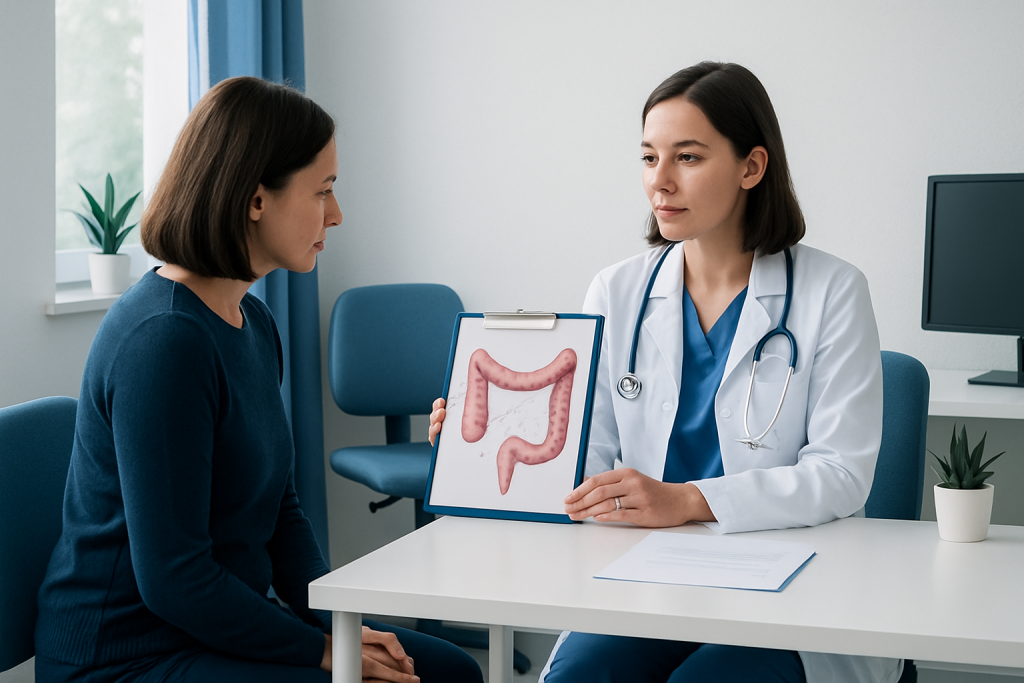
Colon therapy is not a standard medical treatment for constipation or digestive discomfort. Before considering it, a person should discuss symptoms with a qualified clinician, especially if they are new, persistent or worsening. Constipation can often improve with adequate fluids, dietary fibre, physical activity, regular toileting habits and, when appropriate, clinician-recommended medicines.
Colon hydrotherapy may be unsafe for people with inflammatory bowel disease, including ulcerative colitis, diverticulitis, bowel obstruction, colorectal cancer, rectal bleeding, severe hemorrhoids or anal fissures. It should also generally be avoided after recent bowel surgery and by people with a known bowel perforation or significant narrowing of the intestine.
People who are pregnant, older and medically frail, or who have kidney disease, heart failure, poorly controlled high blood pressure or electrolyte problems should obtain medical advice first. The procedure can affect fluid and mineral balance, and it may be particularly risky when the body cannot compensate for these changes easily.
- A medical review is important for long-lasting constipation, diarrhea or abdominal symptoms.
- Only professionally supervised, hygienic equipment can reduce—but not eliminate—procedure-related risks.
- “Detox” products, herbal laxatives and repeated cleansing may add further risks, including dehydration and medication interactions.
What Happens During and After the Procedure?
Before a session, the practitioner may ask about health conditions, bowel habits, medicines and previous surgeries. A responsible provider should explain that colon therapy is optional, discuss potential risks and advise against treatment when there are contraindications. It is reasonable for a person to ask about infection-control procedures, use of sterile or disposable equipment, water filtration and the practitioner’s training.
During the procedure, water is delivered in small amounts and allowed to drain repeatedly. A person should tell the practitioner immediately if they develop strong or increasing pain, dizziness, nausea, sweating, chills or discomfort that feels unusual. Pain should not be dismissed as a normal part of a session.
Afterward, some people have a bowel movement soon after leaving, while others do not. Mild temporary cramping, gas, loose stools or fatigue may occur. Drinking fluids, eating a light balanced meal if tolerated and allowing time to rest can be helpful. Severe pain, fever, vomiting, fainting or bleeding after the procedure require urgent medical assessment.
How Long Does It Take to Poop After Colon Hydrotherapy?
There is no fixed timeline. Some people pass stool or liquid shortly after a colonic, while others may not have another bowel movement until the next day or later. The water used during the procedure usually drains during the session, but normal bowel activity can vary based on diet, fluid intake, stress, medications and a person’s usual bowel pattern.
A brief change in bowel habits can occur after colon therapy. However, inability to pass stool or gas along with worsening abdominal swelling, significant pain or vomiting may signal a possible obstruction and needs urgent medical attention. Repeated hydrotherapy should not be used to manage ongoing constipation without a clinical evaluation.
For people with recurring bowel difficulties, a gastroenterology assessment can identify causes such as medication effects, pelvic floor problems, thyroid disease or functional bowel disorders. Evidence-based constipation treatment can be tailored to the individual rather than relying on repeated cleansing.
What Comes Out During a Colon Detox?
During colon hydrotherapy, the drainage may contain water, stool, gas and small amounts of mucus. Stool can be loose or formed, and its amount and appearance reflect what was already in the bowel as well as the added water. It does not reliably indicate that toxins, long-standing waste or harmful material have been removed.
Claims that colon cleansing removes layers of old stool stuck to the intestinal wall are not supported by normal digestive anatomy. The colon naturally moves waste forward through coordinated muscle contractions, and its lining continually renews itself. Mucus is also a normal protective substance produced by the bowel.
Changes in stool color, odor or consistency after a cleanse are common and are not, by themselves, proof of detoxification. Black or tarry stool, bright-red blood, pale stool, persistent diarrhea or ongoing mucus should be discussed with a doctor, particularly when accompanied by pain, fever or weight loss.
How Many Pounds Do You Lose After a Colonic?
Any weight change immediately after a colonic is usually temporary and mainly reflects the removal of stool and fluid. It is not the same as loss of body fat, and there is no reliable amount of weight that a person should expect to lose. Once regular eating, drinking and bowel function resume, the scale may change again.
Using colon therapy for weight control is not recommended. Repeated cleansing can contribute to dehydration, electrolyte disturbances and an unhealthy focus on bowel emptying rather than sustainable nutrition and activity habits. People concerned about their weight can benefit from individualized support through medical weight management.
Unintentional weight loss should be assessed by a doctor, especially if it occurs with persistent changes in bowel habits, poor appetite, fatigue, abdominal pain or bleeding. These symptoms can have many causes and deserve timely evaluation.
How Much Feces Is Removed During a Colonic?
There is no medically established or predictable quantity of feces removed during a colonic. The amount varies depending on when the person last had a bowel movement, their usual diet, hydration, bowel transit time and the amount of water used during the session. Much of what drains from the device is water rather than stool.
A colonic does not normally remove a fixed buildup of feces from a healthy colon. In true fecal impaction, hardened stool becomes stuck and may cause pain, rectal pressure, leakage of liquid stool or inability to pass stool. This is a medical issue that should be treated under clinical guidance rather than with commercial colon cleansing.
People who feel they cannot empty their bowels fully or who regularly strain should speak with a clinician. Evaluation may include a symptom review, examination and, when indicated, tests to assess the bowel and rule out conditions requiring specific care.
Risks, Benefits and When to Seek Medical Care
Some people report a temporary feeling of relief after colon therapy, particularly if they were constipated before the session. However, these effects are not proven to be long-lasting, and benefits must be weighed against possible harms. Risks include cramping, nausea, diarrhea, dehydration, electrolyte imbalance, infection, rectal injury and, rarely, bowel perforation, which is a medical emergency.
A person should seek urgent medical care for severe or persistent abdominal pain, a rigid or markedly swollen abdomen, fever, vomiting, fainting, shortness of breath, significant rectal bleeding, black stools, or an inability to pass stool or gas with worsening symptoms. These signs should not be managed with another cleanse, laxative or enema unless advised by a clinician.
Medical advice is also appropriate for constipation lasting more than a few weeks, a new change in bowel habits, recurrent diarrhea, unexplained weight loss, anemia or a family history of colorectal cancer. Acibadem International’s multidisciplinary specialists and JCI-accredited hospitals support international patients with assessment and treatment of digestive concerns when medical care is needed.
Frequently asked questions
Is colon therapy the same as an enema?
No. An enema usually involves a smaller amount of fluid placed into the rectum and lower bowel, often for a specific medical reason or short-term constipation relief. Colon hydrotherapy generally uses a larger volume of water over multiple fill-and-drain cycles and is not routinely recommended as a medical detox practice.
Does colon therapy detox the body?
There is no good evidence that colon therapy removes unspecified toxins or is needed to detoxify the body. The liver, kidneys, lungs and digestive system normally process and eliminate waste products. Persistent digestive symptoms should be assessed rather than attributed to toxin buildup.
Can colon hydrotherapy help constipation?
It may produce a temporary bowel movement, but it does not address the cause of chronic constipation and can cause side effects. Dietary changes, hydration, activity, medication review and clinician-guided treatment are generally safer approaches. A medical review is important when constipation is persistent or accompanied by warning symptoms.
Is colon therapy painful?
Some people experience pressure, cramping, bloating or an urgent need to pass stool during the procedure. Severe, sharp or worsening pain is not expected and should be reported immediately. Persistent pain after the procedure requires medical assessment.
How often should someone have a colonic?
There is no evidence-based schedule for routine colonics because they are not necessary for normal bowel health. Frequent sessions may increase the risk of dehydration, electrolyte imbalance and bowel irritation. A clinician can help identify safer options for recurring symptoms.
Can colon hydrotherapy cause infection?
Yes. Infection is a possible risk if equipment or water is not properly handled, and the procedure may also irritate or injure the rectum or bowel. Using a hygienic service does not remove all risks, particularly for people with underlying digestive or medical conditions.
References
- National Institute of Diabetes and Digestive and Kidney Diseases
- American Gastroenterological Association
- Mayo Clinic
- National Center for Complementary and Integrative Health
- World Gastroenterology Organisation
This article is for general information only and is not a substitute for professional medical advice. Please consult a qualified doctor about your individual situation.
Persistent digestive symptoms? Get evaluated in Turkey
JCI-accredited · board-certified surgeons · reply within 24h
Add us as a Preferred Source to see more of our trusted health content across Google Search, AI Overviews and Discover.
Check your numbers in seconds
BMI, calories, due date, blood pressure and 30+ more clinical calculators — free, instant, doctor-reviewed ranges.