

Colonoscopy Before Age 45: Who May Need Earlier Screening?

Average-risk colorectal cancer screening often begins at age 45, but some people need testing sooner. Rectal bleeding, unexplained iron-deficiency anemia, changes in bowel habits, or unexplained weight loss should be assessed promptly.
Key Takeaways
- Average-risk colorectal cancer screening often begins at age 45, but some people need testing sooner.
- Rectal bleeding, unexplained iron-deficiency anemia, changes in bowel habits, or unexplained weight loss should be assessed promptly.
- A strong family history of colorectal cancer or polyps can lead to earlier and more frequent colonoscopy.
- Inflammatory bowel disease and inherited cancer syndromes are important reasons for early surveillance.
- A doctor can recommend the right age and screening method based on personal and family risk.
Many adults do not need a screening colonoscopy before age 45, but some people should be evaluated earlier. Personal symptoms, family history, inherited syndromes, and certain digestive diseases can raise colorectal cancer risk and change the timing of screening.
Overview
Colonoscopy is a procedure that allows a doctor to examine the inside of the large intestine using a flexible camera. It is used both for screening, which looks for disease before symptoms appear, and for diagnosis, which investigates symptoms or abnormal test results. During the procedure, polyps can often be removed and tissue samples can be taken if needed.
For adults at average risk of colorectal cancer, screening commonly begins at age 45. However, this starting age does not apply to everyone. Some people may benefit from colonoscopy earlier because of symptoms, a family history of colorectal cancer or advanced polyps, chronic inflammatory bowel disease, or inherited conditions that increase cancer risk.
The reason earlier testing matters is that colorectal cancer can develop before age 45 in a smaller but important group of patients. Early colonoscopy may help identify precancerous polyps, confirm another cause of symptoms, or detect cancer at a more treatable stage. The decision is individualized, based on risk rather than age alone.
Who May Need Colonoscopy Before Age 45
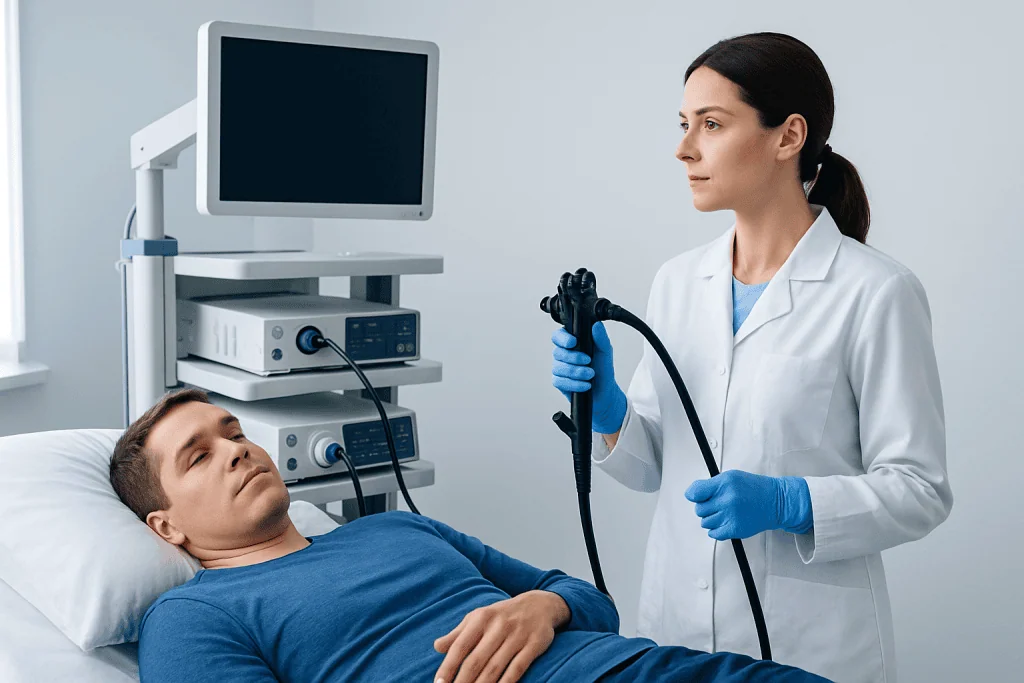
A colonoscopy before age 45 may be recommended when a person has symptoms that need investigation. Screening is for people without symptoms, but symptoms shift the goal from routine prevention to diagnostic evaluation. In these situations, age matters less than the clinical picture.
People who may need earlier colonoscopy include those with rectal bleeding, persistent unexplained abdominal pain, a clear change in bowel habits, ongoing diarrhea, unexplained iron-deficiency anemia, or unintentional weight loss. A positive stool-based screening test at any age also requires follow-up, often with colonoscopy.
Earlier colonoscopy can also be appropriate for those with risk factors even when they feel well. These include a first-degree relative with colorectal cancer or advanced polyps, especially if diagnosed at a younger age, and patients with long-standing inflammatory bowel disease such as Crohn’s disease involving the colon or ulcerative colitis. People with known inherited syndromes, such as Lynch syndrome or familial adenomatous polyposis, usually need a specialized surveillance plan that begins well before age 45.
- Symptoms suggesting possible bleeding or inflammation
- Abnormal stool test results
- Family history of colorectal cancer or advanced adenomas
- Personal history of inflammatory bowel disease affecting the colon
- Known hereditary cancer syndromes
Symptoms and Warning Signs That Should Not Be Ignored

Not every digestive symptom means cancer, and many causes are benign, such as hemorrhoids, infections, or irritable bowel disorders. Even so, some symptoms deserve prompt medical review because they can signal bleeding, inflammation, or a growth in the colon. A doctor can decide whether colonoscopy or another test is the best next step.
Rectal bleeding is one of the most common reasons younger adults are referred for colonoscopy. Bright red blood may come from hemorrhoids, but it can also have other causes, especially if it keeps happening or is associated with abdominal pain, weakness, or changes in stool. Dark stools, fatigue, or shortness of breath may suggest hidden blood loss and anemia.
Other concerning features include new constipation or diarrhea lasting more than a few weeks, stools that become narrower than usual, persistent abdominal discomfort, and unexplained weight loss. If symptoms are severe, recurrent, or paired with a family history of bowel cancer, earlier evaluation is especially important.
Risk Factors That Can Change Screening Age
Family history is one of the clearest reasons to consider colonoscopy before the standard starting age. The risk is generally higher when a first-degree relative, such as a parent, sibling, or child, has had colorectal cancer or an advanced polyp, particularly if diagnosed before age 60. In those cases, doctors often advise beginning screening earlier and repeating it more often than average-risk schedules.
Personal medical history also matters. People with ulcerative colitis or Crohn’s disease affecting the colon may need surveillance colonoscopy because long-term inflammation can increase the chance of abnormal cell changes. This is different from routine screening in average-risk adults and usually follows a schedule set by a gastroenterologist.
Inherited syndromes can raise risk substantially and typically require expert care. Lynch syndrome, familial adenomatous polyposis, and some other hereditary conditions may lead to earlier and more intensive screening, sometimes along with genetic counseling and testing. A doctor may also review broader risk factors, such as obesity, smoking, heavy alcohol use, type 2 diabetes, and low physical activity, although these factors alone do not always mean colonoscopy is needed before 45.
How Doctors Decide If Early Colonoscopy Is Appropriate
The decision starts with a careful medical history. A doctor will ask about symptoms, how long they have been present, any bleeding, weight changes, anemia, medication use, and whether there is a family history of colorectal cancer, polyps, or inherited syndromes. They may also ask about inflammatory bowel disease, prior abdominal treatments, or previous stool test results.
A physical examination and basic laboratory tests may help guide the next step. Blood tests can look for anemia or inflammation, and stool tests may detect hidden blood. In some younger patients with clear low-risk symptoms, a doctor may first evaluate for more common benign causes. In others, colonoscopy is the most direct and reliable way to assess the colon.
Colonoscopy is often considered the gold standard because it can both detect and treat certain findings during the same procedure. Polyps can be removed, suspicious areas can be biopsied, and the full colon can be examined. If a patient is being evaluated for bowel inflammation or suspected colon cancer, colonoscopy is usually a central part of diagnosis.
What to Expect From the Procedure and Possible Findings
Before colonoscopy, the bowel needs to be cleaned so the doctor can see the colon lining clearly. This usually involves a special liquid diet and a bowel preparation solution taken the day before or in split doses. Following the preparation instructions closely is important because an inadequately cleaned colon can reduce accuracy and may require the test to be repeated.
During the procedure, most patients receive sedation to improve comfort. The doctor advances a thin scope through the rectum and colon, looking for inflammation, bleeding sources, polyps, or tumors. If polyps are found, they can often be removed immediately with polyp removal during colonoscopy, which can help prevent some cancers from developing later.
Findings vary widely. Some patients have benign conditions such as hemorrhoids, diverticular disease, or mild inflammation. Others may be diagnosed with inflammatory bowel disease and need ongoing care, including colonoscopy evaluation as part of follow-up. If a suspicious mass is seen, biopsies are taken and additional treatment planning may involve imaging, surgery, or colon cancer treatment.
Prevention, Self-Care, and Follow-Up
Not everyone can prevent colorectal cancer, especially when inherited syndromes are involved, but healthy habits support overall colon health and may help reduce risk. Doctors commonly encourage a balanced diet rich in fiber, regular physical activity, maintaining a healthy weight, avoiding tobacco, and limiting alcohol. Managing chronic conditions and attending regular medical visits are also important.
For people with a family history or digestive disease, self-care also includes knowing personal risk and keeping a written family history updated. It can be helpful to ask relatives about diagnoses of colorectal cancer, large polyps, and the age at diagnosis. This information often changes screening recommendations more than patients realize.
After colonoscopy, the next step depends on the results. If the exam is normal and the patient is average risk, follow-up may not be needed for several years. If polyps are found, surveillance intervals vary by the number, size, and type of polyp. Patients with inflammatory bowel disease or hereditary syndromes usually need a more individualized long-term plan.
When to See a Doctor
A person should speak with a doctor sooner rather than later if they have rectal bleeding, black stools, unexplained anemia, ongoing abdominal pain, a lasting change in bowel habits, or unexplained weight loss. These symptoms do not always mean a serious condition, but they do warrant professional evaluation. Early assessment can help rule out significant disease and identify treatable causes.
Medical advice is also important for anyone with a strong family history of colorectal cancer or advanced polyps, even if they feel well. This is especially true when a first-degree relative was diagnosed at a younger age. A doctor or gastroenterologist can decide when screening should begin and which test is most appropriate.
Patients with inflammatory bowel disease or a known hereditary cancer syndrome should follow a specialist-led surveillance plan. Near the end of the care pathway, some international patients may choose centers with coordinated digestive care; Acibadem International’s multidisciplinary specialists and JCI-accredited hospitals diagnose and treat colorectal conditions for international patients.
Frequently asked questions
Is colonoscopy before age 45 common?
For people at average risk and without symptoms, routine screening usually begins at age 45 rather than earlier. Colonoscopy before 45 is more often recommended when there are symptoms, abnormal test results, family history, inflammatory bowel disease, or inherited cancer risk.
What symptoms might lead to an earlier colonoscopy?
Doctors may recommend colonoscopy for rectal bleeding, iron-deficiency anemia, persistent changes in bowel habits, unexplained abdominal pain, or unexplained weight loss. These symptoms can have many causes, but they should be evaluated rather than ignored.
Does family history mean screening should start before 45?
It can. A first-degree relative with colorectal cancer or an advanced polyp, especially at a younger age, may lead to earlier and more frequent screening. The exact timing depends on the relationship, the age at diagnosis, and the number of affected relatives.
If a stool test is positive before age 45, is colonoscopy needed?
In many cases, yes. A positive stool-based screening test usually needs follow-up colonoscopy to look for the source of bleeding or abnormal cells. Colonoscopy allows direct examination and possible removal of polyps during the same procedure.
Can younger adults get colorectal cancer?
Yes, although it is less common than in older adults. Because it can occur in younger people, symptoms and important risk factors should be taken seriously and discussed with a doctor.
Is colonoscopy only used to look for cancer?
No. Colonoscopy can also help diagnose inflammatory bowel disease, investigate bleeding, evaluate chronic diarrhea or anemia, and identify polyps before they become cancerous. It is both a diagnostic and preventive procedure.
References
- American Cancer Society
- U.S. Preventive Services Task Force
- National Cancer Institute
- Centers for Disease Control and Prevention
- American College of Gastroenterology
This article is for general information only and is not a substitute for professional medical advice. Please consult a qualified doctor about your individual situation.
Persistent digestive symptoms? Get evaluated in Turkey
JCI-accredited · board-certified surgeons · reply within 24h
Add us as a Preferred Source to see more of our trusted health content across Google Search, AI Overviews and Discover.

More from the Health Library


Related Specialists

Dr. Mehmet Fatih Özkan
Emergency Service
Dr. Necip Tuğrul
Pediatrics
Dt. Emin Gökalp Baş
Oral & Dental Health
Dr. Abdullah Etöz
Aesthetic Plastic & Reconstructive Surgery