Colonoscopy Prep Poop Color Chart: Candidacy, Procedure Steps, and Recovery Timeline
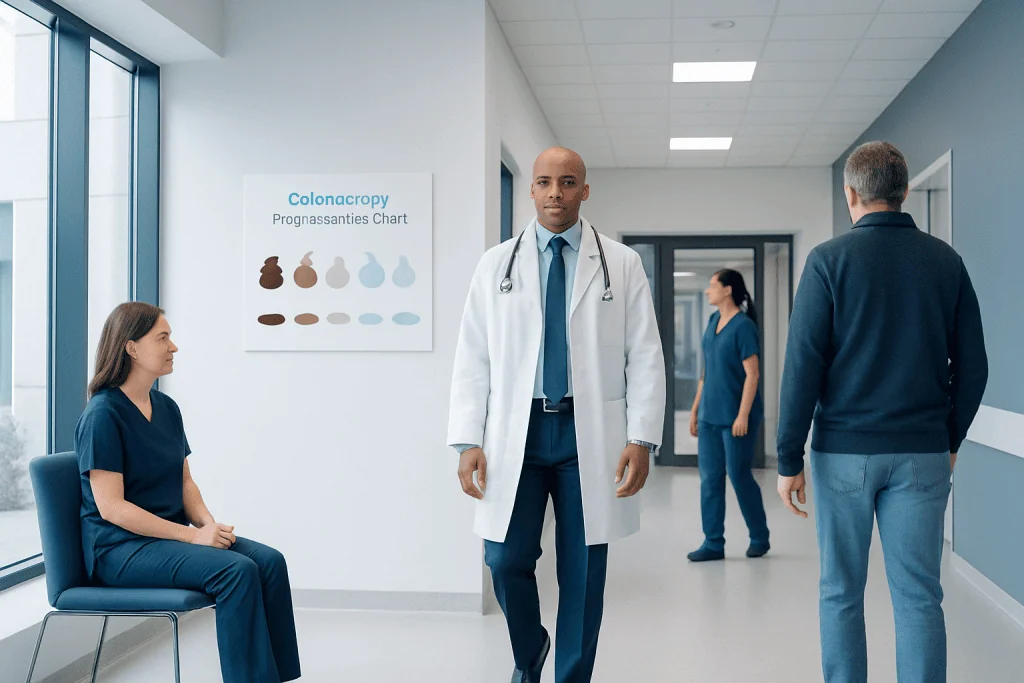
The usual goal of bowel prep is clear, yellow, or lightly tinted liquid stool with little to no solid material. A colonoscopy is used to examine the lining of the colon and rectum, often for screening, symptoms, or follow-up of digestive conditions.
Key Takeaways
- The usual goal of bowel prep is clear, yellow, or lightly tinted liquid stool with little to no solid material.
- A colonoscopy is used to examine the lining of the colon and rectum, often for screening, symptoms, or follow-up of digestive conditions.
- Good preparation improves visibility and helps the doctor detect polyps, inflammation, bleeding sources, or other abnormalities.
- Most people go home the same day and recover from sedation within hours, though bloating and tiredness can last until the next day.
- Patients should contact a medical team if prep is not working, vomiting prevents fluid intake, or they develop severe pain, heavy bleeding, or fainting.
A colonoscopy prep poop color chart is a practical way to understand whether bowel preparation is working. In most cases, the stool should progress from brown and cloudy to watery, then to clear or light yellow liquid with minimal particles before the procedure.
Overview: What the Colonoscopy Prep Poop Color Chart Means
A colonoscopy prep poop color chart helps patients judge whether their bowel preparation is adequate before a colonoscopy. In simple terms, the desired endpoint is usually liquid stool that looks pale yellow, light gold, or nearly clear, with very little or no solid matter. If the output is still brown, muddy, or contains formed pieces, the bowel may not yet be clean enough.
This matters because a colonoscopy works best when the lining of the colon is clearly visible. Leftover stool can hide polyps, irritation, bleeding points, or early signs of disease. For that reason, the visual appearance of bowel movements during preparation is not just a curiosity; it is a useful sign of how effectively the prep solution is clearing the bowel.
Typical progression during bowel prep follows a pattern. At first, stool is often dark brown and loose. It then becomes lighter brown, cloudy yellow-brown, and increasingly watery. Near the end, many people pass transparent, yellow, or slightly green-tinged liquid. Small flecks may still be acceptable in some cases, but the exact standard depends on the doctor’s instructions.
Colonoscopy itself is a procedure that allows a specialist to examine the colon and rectum using a flexible tube with a camera. It may be recommended for screening, investigating symptoms, monitoring known conditions, or removing polyps during the same session. For readers looking at both the preparation and the procedure together, colonoscopy is the main related examination.
How to Read Stool Color and Consistency During Bowel Prep
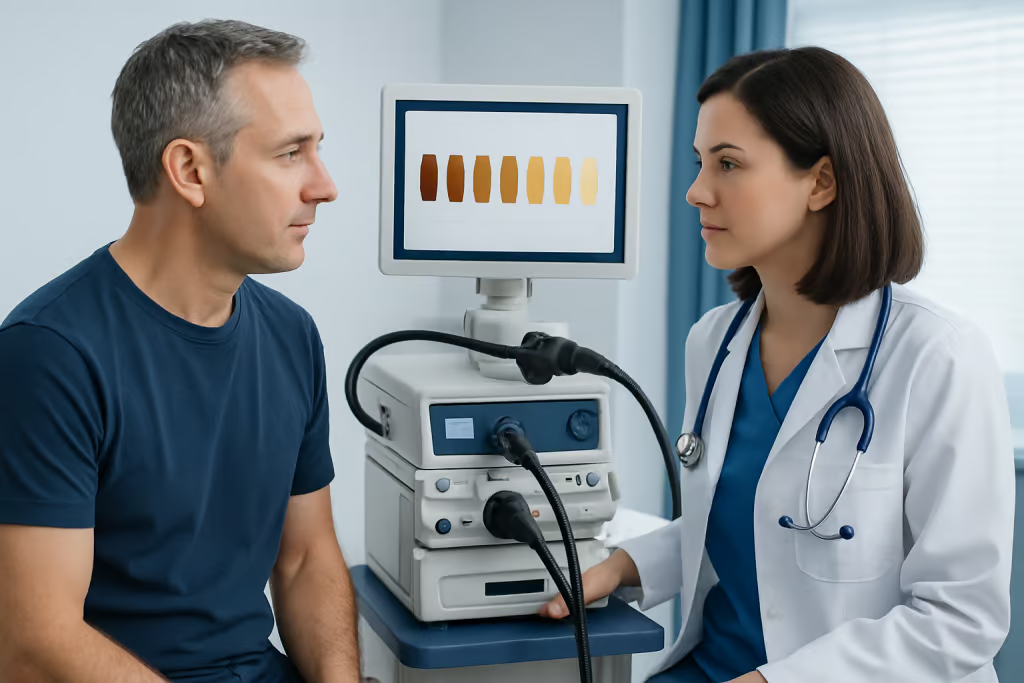
Patients often find it helpful to think of bowel prep in stages rather than a single pass-fail moment. At the beginning, bowel movements may still look normal or semi-formed. As the laxative solution begins to work, the stool generally becomes softer, then watery, and the color lightens. This transition can happen over several hours, especially with split-dose preparation.
A practical color-and-appearance guide may look like this:
- Brown, formed, or thick stool: preparation is usually not complete.
- Light brown or orange-brown watery stool: preparation is working, but the bowel may still contain residue.
- Cloudy yellow liquid: often close to adequate, though some debris may remain.
- Clear, pale yellow, or tea-colored liquid: commonly the target appearance before colonoscopy.
- Small floating particles: sometimes acceptable, but larger pieces or heavy cloudiness may reduce visibility.
Color alone is not the only clue. Consistency is equally important. A stool that is light yellow but still thick or murky may suggest residual material. On the other hand, very watery output with a faint yellow color is often a reassuring sign. If there is uncertainty, patients should follow the preparation instructions given by their own medical team, as practices can vary.
Some foods, drinks, iron supplements, and medicines can also influence color. For example, bile can make the liquid appear yellow or greenish, while certain dyes may temporarily alter appearance. What matters most is that the output is watery and free of substantial stool. If it remains dark or solid close to the procedure time, the clinic may need to advise additional steps.
Who May Need a Colonoscopy and Why Good Prep Matters

A colonoscopy may be recommended for several reasons. It is commonly used for colorectal cancer screening, especially in adults who reach screening age or who have a family history of bowel cancer or polyps. It may also be advised for symptoms such as rectal bleeding, ongoing changes in bowel habits, unexplained iron deficiency anemia, chronic diarrhea, or unexplained abdominal discomfort.
Doctors also use colonoscopy to evaluate or monitor digestive diseases. It can help assess inflammatory bowel conditions, detect polyps before they become cancerous, and identify causes of bleeding. In some patients, it is part of follow-up after an abnormal stool test or imaging result. Related conditions may include colon cancer or chronic inflammatory disorders such as Crohn's disease.
Not everyone is an immediate candidate on the scheduled day. A colonoscopy may need to be delayed or modified if a person has certain medical issues, such as severe dehydration, uncontrolled heart or lung disease, or problems tolerating the bowel prep. The medical team also reviews blood thinners, diabetes medicines, kidney disease, and pregnancy status when planning the examination.
Good bowel preparation is one of the most important parts of candidacy because it directly affects the quality of the exam. An incompletely cleaned colon can lead to missed findings, a longer procedure, or the need to repeat the test sooner. For patients, this means that the prep process is not separate from the colonoscopy; it is a key part of making the procedure accurate and worthwhile.
Procedure Steps: What Happens Before, During, and Right After
Before the procedure, the patient is usually asked to follow a low-fiber diet for a day or more and then switch to clear liquids. A bowel cleansing solution is taken according to the prescribed schedule, often in split doses so that the second part is closer to the colonoscopy time. The care team may also give instructions about pausing certain medicines, arranging an escort home, and avoiding solid food after a certain hour.
On the day of the colonoscopy, the patient checks in and reviews their medical history, medications, and allergies. An intravenous line is often placed for sedation. Once in the procedure room, monitoring equipment checks heart rate, blood pressure, and oxygen levels. Most people receive sedative medication to help them feel relaxed and comfortable during the exam.
During the colonoscopy, the doctor gently inserts a thin flexible scope through the rectum and advances it through the colon. Air or carbon dioxide is used to expand the bowel for better viewing. The camera sends images to a screen so the doctor can inspect the lining, take biopsies, and often remove polyps if needed. If polyps are found, removal may be done during procedures such as polypectomy.
After the exam, the patient rests in a recovery area while the sedative wears off. Mild bloating, gas, or cramping can occur because of air introduced into the bowel, but this often improves quickly. The doctor may discuss immediate findings before discharge, while biopsy results usually take longer. If there is a need for further evaluation of the lower digestive tract, tests such as endoscopy may also be discussed when appropriate.
Recovery Timeline, Benefits, and Possible Risks
Recovery after colonoscopy is usually straightforward. On the same day, many people feel sleepy for several hours because of sedation, and they are advised not to drive, sign important documents, or return to demanding activities until the effects wear off. Light meals and adequate fluid intake are often recommended, especially after bowel prep-related fluid loss.
By the next day, most patients can return to usual routines unless their doctor advises otherwise. Mild bloating or passing gas can continue for a short time, and bowel movements may not return to normal immediately. If biopsies were taken or polyps removed, the doctor may give temporary dietary or activity guidance and explain what symptoms would be expected versus concerning.
The benefits of colonoscopy are significant. It can detect precancerous polyps, diagnose sources of bleeding, evaluate inflammation, and help clarify persistent bowel symptoms. Unlike tests that only identify possible abnormalities, colonoscopy can also allow treatment during the same session, such as biopsy or polyp removal.
Risks are uncommon but important to understand. These can include dehydration from bowel prep, sedation-related reactions, bleeding after biopsy or polyp removal, and very rarely perforation of the colon wall. The medical team weighs these risks against the potential benefits for each patient, and following prep and aftercare instructions helps reduce complications.
Practical Self-Care Tips for a Better Prep Experience
Many patients tolerate bowel prep better when they plan ahead. Chilling the prep solution, drinking it in portions as directed, and using a straw may make it easier to take. Staying near a bathroom is important, and soft toilet paper, barrier cream, or unscented wipes can help reduce skin irritation from frequent bowel movements.
Hydration is a major part of safe preparation. Clear liquids such as water, broth, oral rehydration solutions, and other approved fluids can help replace losses. Unless the medical team gives different instructions, it is wise to avoid drinks with red or purple coloring because they can interfere with the procedure’s visual assessment.
Patients should take all medicine-related instructions seriously. Some drugs may need to be paused or adjusted, especially blood thinners, iron tablets, and some diabetes medications. Anyone with kidney disease, heart failure, or other chronic conditions should confirm which bowel prep formula is safest for them rather than using over-the-counter products on their own.
Near the end of prep, the stool appearance should be checked against the general goal of watery, light yellow, or nearly clear output. If the result is still thick, brown, or heavily cloudy, the patient should contact the endoscopy team rather than guessing. Clear communication can sometimes prevent an incomplete examination or unnecessary repeat preparation.
When to Seek Medical Care
Medical advice should be sought promptly if bowel prep causes repeated vomiting, inability to keep fluids down, signs of dehydration, severe weakness, chest pain, or trouble breathing. These symptoms are not expected parts of routine preparation and may need immediate assessment. Fainting, confusion, or very little urine output should also be taken seriously.
After colonoscopy, urgent care is appropriate for severe or worsening abdominal pain, persistent fever, heavy rectal bleeding, black stools, dizziness, or a swollen, firm abdomen. A small amount of blood can sometimes occur after biopsy or polyp removal, but heavier bleeding or ongoing symptoms should not be ignored.
Patients should also contact the clinic if they are approaching their procedure time and the bowel movements are still brown, opaque, or contain significant solid stool. The team may recommend extra prep, a schedule change, or other instructions. It is safer to clarify this in advance than to proceed with inadequate bowel cleansing.
For people traveling for care, coordination is especially helpful. Acibadem International’s multidisciplinary specialists and JCI-accredited hospitals diagnose and treat digestive conditions for international patients, including assessment pathways connected to colonoscopy and related gastrointestinal care.
Frequently asked questions
What color should stool be before a colonoscopy?
The usual goal is watery stool that is clear, pale yellow, or light gold, with little or no solid material. If it is still brown, thick, or cloudy with pieces of stool, the bowel may not be fully prepared.
Is cloudy yellow stool okay for colonoscopy prep?
Cloudy yellow stool often means the prep is close to working well, but it may still contain some residue. The ideal result is generally more transparent liquid, so patients should follow their clinic's instructions if they are unsure.
How long does it take for bowel prep to start working?
This varies by the prep solution and the person's digestion, but many people begin having bowel movements within a few hours of starting. The process usually continues in waves, especially when the prep is taken in split doses.
Can a colonoscopy still be done if the stool is not clear?
Sometimes a procedure can still go ahead if the bowel is mostly clean, but poor preparation can reduce visibility and may affect results. If stool remains brown or contains solids, the medical team may advise additional prep or rescheduling.
What should a person eat after a colonoscopy?
Many people start with light, easy-to-digest foods and drink extra fluids after returning home. The doctor may recommend temporary restrictions if biopsies were taken or polyps were removed.
How long does recovery from colonoscopy take?
Most people recover from sedation within the same day, though tiredness can last until the next morning. Normal routines usually resume the following day unless the doctor gives specific aftercare instructions.
References
- American Society for Gastrointestinal Endoscopy
- National Institute of Diabetes and Digestive and Kidney Diseases
- American Cancer Society
- Centers for Disease Control and Prevention
- National Health Service
This article is for general information only and is not a substitute for professional medical advice. Please consult a qualified doctor about your individual situation.
Persistent digestive symptoms? Get evaluated in Turkey
JCI-accredited · board-certified surgeons · reply within 24h
Add us as a Preferred Source to see more of our trusted health content across Google Search, AI Overviews and Discover.