

Colonoscopy Surveillance Guidelines: Preparation, Procedure and Results
Surveillance colonoscopy is follow-up testing after previous findings; it is different from first-time average-risk screening. People with one or two small, low-risk adenomas commonly need follow-up in 7 to 10 years when the examination was high quality.
Key Takeaways
- Surveillance colonoscopy is follow-up testing after previous findings; it is different from first-time average-risk screening.
- People with one or two small, low-risk adenomas commonly need follow-up in 7 to 10 years when the examination was high quality.
- Larger, numerous, advanced, or serrated polyps may require repeat colonoscopy sooner, often within 3 to 5 years or less.
- Clear bowel preparation is essential because hidden polyps can affect the reliability of results and the recommended follow-up interval.
- Medication changes, diet instructions, and timing of the bowel-cleansing solution should always follow the endoscopy team’s personalized plan.
Colonoscopy surveillance guidelines help doctors decide when a person should have their next colonoscopy after polyps, colorectal cancer, inflammatory bowel disease, or an incomplete examination. The interval is individualized, but it mainly depends on the quality of the bowel preparation and the number, size, and laboratory type of any polyps found.
Overview: what colonoscopy surveillance means
Colonoscopy surveillance guidelines recommend the timing of repeat colonoscopy after a previous examination has found polyps, removed abnormal tissue, identified a higher-risk condition, or had limited visibility because bowel cleansing was inadequate. The purpose is to find and remove new polyps before they can develop into cancer, and to monitor people whose personal history places them at increased risk.
Surveillance is not exactly the same as routine colorectal cancer screening. Screening applies to people without symptoms or known high-risk findings. Surveillance applies after a colonoscopy result changes the person’s future risk. A gastroenterologist uses the colonoscopy report, pathology results, family history, medical history, and the quality of the examination to recommend an interval that is appropriate for that individual.
Most polyps are not cancer. However, some types can slowly change over time. Colonoscopy can both identify these growths and remove many of them during the same procedure, making it an important part of prevention and follow-up for people with a history of colon polyps.
What are the recommended guidelines for colonoscopy surveillance?
Current guideline-based follow-up intervals assume that the earlier colonoscopy reached the entire colon, bowel preparation was adequate, and all visible polyps were completely removed. The pathology report is central: adenomas and serrated polyps have different surveillance recommendations, and the size, number, and microscopic features of each polyp matter.
- After a normal, high-quality colonoscopy in an average-risk adult, repeat screening is commonly recommended in 10 years.
- After one or two small tubular adenomas with low-risk features, follow-up is often recommended in 7 to 10 years.
- After three to four small adenomas, surveillance is often considered in 3 to 5 years.
- After five to ten adenomas, an adenoma at least 10 mm, a polyp with advanced microscopic features, or several clinically significant serrated polyps, repeat colonoscopy is commonly advised in about 3 years.
- After more than ten adenomas, follow-up may be advised within 1 year and assessment for an inherited polyposis condition may be appropriate.
- After a large polyp removed in pieces, an earlier site check, often around 6 months, may be needed to confirm complete removal.
These are general examples rather than a substitute for a personal recommendation. People with inflammatory bowel disease involving the colon, a strong family history of colorectal cancer, hereditary cancer syndromes, prior colorectal cancer, or an inadequate earlier preparation may follow a different schedule. The endoscopy team should provide a written recommendation after reviewing the final pathology report.
Who may need surveillance and how the examination works
A person may be a candidate for surveillance colonoscopy after a previous polyp removal, colorectal cancer treatment, longstanding ulcerative colitis or Crohn’s colitis, or a prior examination that could not adequately assess the colon. It may also be recommended sooner when symptoms develop, even if the next planned surveillance date is still years away. Symptoms can include rectal bleeding, unexplained iron-deficiency anemia, persistent change in bowel habits, or unintentional weight loss.
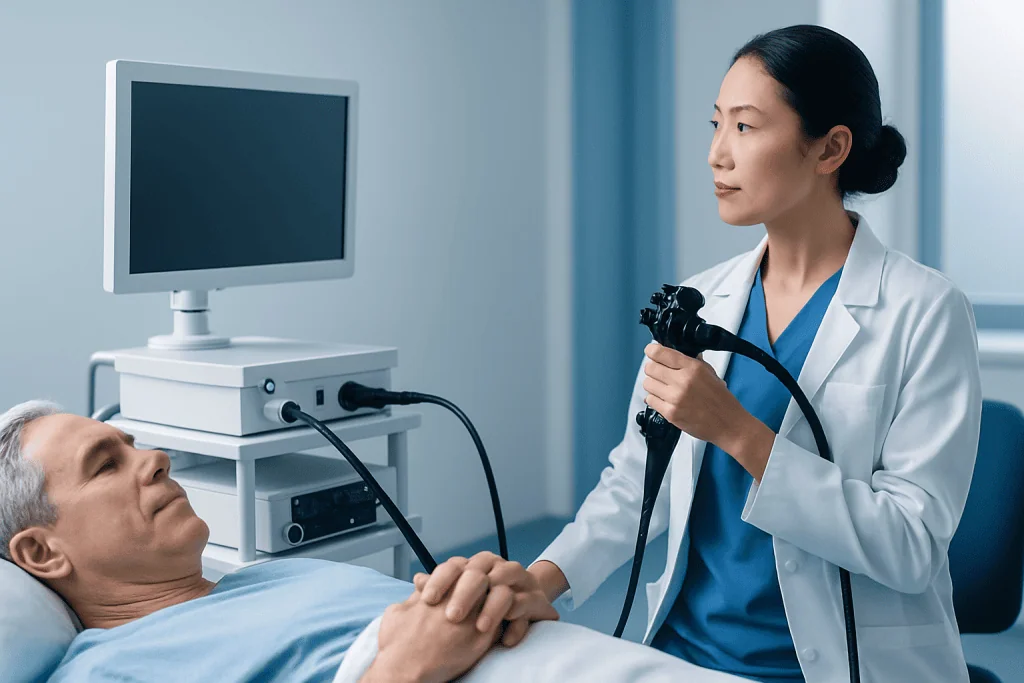
During colonoscopy, a specialist gently passes a flexible, camera-equipped tube through the rectum and around the large intestine. The camera sends images to a monitor, allowing close inspection of the bowel lining. Small instruments can be passed through the scope to take biopsies or remove many polyps. This diagnostic and preventive approach is part of colonoscopy evaluation and polyp removal.
Before scheduling, the team reviews health conditions, prior abdominal surgery, sleep apnea, heart or lung disease, allergies, pregnancy status, and medicines. Blood thinners, diabetes medicines, iron supplements, and certain weight-loss medicines may require an individualized plan. Patients should not stop prescribed medicines without instructions from the clinician managing their care.
What are the new guidelines for colonoscopy prep?
Modern colonoscopy preparation guidance emphasizes split-dose bowel cleansing. This means taking part of the prescribed laxative preparation the evening before the procedure and the remaining portion several hours before the appointment, according to the endoscopy unit’s exact schedule. Split dosing generally improves cleansing because the colon is cleared closer to the time of the examination.
Diet instructions vary slightly by the prescribed preparation, procedure time, and individual health needs. Many centers advise a low-fiber or low-residue diet for one or more days before the examination, followed by clear liquids on the day before. Clear liquids may include water, clear broth, tea or coffee without milk or cream, clear juices without pulp, and gelatin that is not red or purple. Alcohol is usually avoided, and patients should follow fasting instructions before sedation.
Newer approaches also focus on making the plan easier to complete: clear written instructions, attention to medication safety, and prompt contact with the care team if vomiting, severe bloating, kidney disease, heart failure, or diabetes complicates preparation. The best preparation is the one prescribed for the patient’s health needs and completed exactly as directed; over-the-counter alternatives should not be substituted without approval.
Can I eat scrambled eggs 2 days before a colonoscopy?
In many preparation plans, plain scrambled eggs may be allowed two days before a colonoscopy because eggs are low in fiber. Whether they are suitable depends on the instructions from the endoscopy service, however, because some plans begin dietary restrictions earlier than others and may limit added ingredients.
If eggs are permitted, they are usually best kept simple. Avoid mixing them with high-fiber foods such as vegetables, beans, whole-grain bread, seeds, or nuts. Cheese, milk, butter, and seasoning may also need consideration if a clinician has given specific instructions or if they worsen digestive symptoms.
The day before the procedure commonly requires a clear-liquid diet rather than solid food, so scrambled eggs would not usually be appropriate then. Patients should use their own written preparation guide as the final authority and call the endoscopy team if any part of the diet plan is unclear.
Step-by-step procedure, recovery and results
On arrival, the care team confirms medical history, medicines, allergies, fasting, and the quality of the bowel preparation. An intravenous line is usually placed, and many patients receive sedation to improve comfort. The procedure itself often takes less than an hour, although the total visit is longer because of admission, preparation, recovery, and discussion of initial findings.
During the examination, the specialist examines the colon lining and may remove polyps or collect tissue samples. Mild pressure, gas, or bloating can occur as air or carbon dioxide is used to open the colon for viewing. Serious discomfort is uncommon with appropriate sedation, and the care team monitors breathing, blood pressure, and heart rate throughout.
Afterward, temporary drowsiness and bloating are common. Most people can drink and eat as directed once they are awake, and they should have a responsible adult take them home after sedation. Driving, operating machinery, drinking alcohol, or making important decisions should be avoided for the rest of that day. The doctor may discuss visible findings immediately, while biopsy and polyp pathology results usually take longer. These final results determine the most accurate surveillance interval.
The benefits of colonoscopy include detailed inspection, biopsy, and removal of many precancerous polyps in one visit. Risks are uncommon but include medication reactions, bleeding after polyp removal, and a tear in the bowel wall. The likelihood varies with the person’s health and the complexity of treatment performed; the clinician explains relevant risks before consent.
Will I be on the toilet all night with colonoscopy prep?
Frequent, urgent, watery bowel movements are expected after the bowel-cleansing solution begins to work. The timing varies by preparation type and by the individual, but many people need to stay close to a toilet for several hours after each dose. With split-dose preparation, bowel movements may continue after the morning dose as well.
Preparation does not always mean being awake all night. Taking the medicine at the scheduled time, choosing a convenient bathroom location, and preparing supplies in advance can make the process more manageable. Soft toilet tissue, fragrance-free wipes, and a protective skin barrier can reduce irritation around the anus.
The goal is for the stool to become clear or yellow liquid with no solid material. If the output remains brown or contains solid stool near the scheduled procedure time, patients should contact the endoscopy unit because additional instructions may be needed. Severe abdominal pain, repeated vomiting that prevents completion of the preparation, fainting, or inability to keep fluids down requires medical advice promptly.
When to seek medical care
People should seek medical advice before their planned surveillance date if they develop new rectal bleeding, black stools, persistent abdominal pain, an unexplained change in bowel habits, unusual fatigue associated with possible anemia, or unexplained weight loss. These symptoms have many possible causes, but they should not be managed by simply waiting for the next routine colonoscopy.
After colonoscopy, urgent assessment is important for severe or worsening abdominal pain, fever, persistent vomiting, fainting, heavy rectal bleeding, or bleeding that does not settle. A small amount of blood can occur after some polyp removals, but the endoscopy team should provide specific aftercare instructions and emergency contact information.
Acibadem International’s multidisciplinary specialists and JCI-accredited hospitals support international patients who need evaluation, surveillance planning, and treatment for digestive conditions. Follow-up should remain coordinated with a qualified gastroenterologist, particularly when pathology results or family history suggest a higher-risk pattern.
Frequently asked questions
How often should a person have a surveillance colonoscopy?
The interval depends on the prior colonoscopy findings and how well the colon was seen. A normal high-quality examination may allow a 10-year interval, while certain polyps or higher-risk conditions require repeat testing in a shorter period. The final recommendation should be based on the procedure and pathology reports.
Why can the surveillance interval change after pathology results?
The endoscopist can see and remove a polyp during colonoscopy, but laboratory examination identifies its exact type and microscopic features. Those details help determine whether the polyp carries a lower or higher future risk. This is why the initial discussion after the procedure may be updated when pathology is available.
Do all colon polyps require a repeat colonoscopy in three years?
No. One or two small, low-risk adenomas may allow a longer interval, often 7 to 10 years after a high-quality examination. Larger polyps, multiple polyps, advanced pathology, or certain serrated lesions can justify a shorter interval. Individual circumstances can also change the plan.
Can I take my usual medicines before colonoscopy preparation?
Many medicines can be continued, but some need special planning. Blood thinners, insulin and other diabetes medicines, iron, and some medications that affect stomach emptying are important examples. Patients should ask their prescribing clinician and endoscopy unit for personalized instructions rather than stopping medicines independently.
What happens if my bowel preparation is not clear enough?
Poor cleansing can hide polyps and make the examination less reliable. The specialist may recommend an earlier repeat colonoscopy or, in some cases, provide additional preparation instructions before proceeding. Contacting the endoscopy unit when preparation is not working well can help avoid an incomplete examination.
Can colonoscopy surveillance prevent colorectal cancer?
Colonoscopy can reduce colorectal cancer risk by finding and removing many precancerous polyps before they develop further. It cannot prevent every cancer, and no test is perfect, which is why appropriate follow-up and attention to new symptoms remain important. Following the recommended interval helps maximize the benefit of surveillance.
References
- U.S. Multi-Society Task Force on Colorectal Cancer
- American College of Gastroenterology
- American Society for Gastrointestinal Endoscopy
- National Cancer Institute
- World Gastroenterology Organisation
This article is for general information only and is not a substitute for professional medical advice. Please consult a qualified doctor about your individual situation.
Persistent digestive symptoms? Get evaluated in Turkey
JCI-accredited · board-certified surgeons · reply within 24h
Add us as a Preferred Source to see more of our trusted health content across Google Search, AI Overviews and Discover.

More from the Health Library
Related Specialists

Esra Atasu
Physical Medicine & Rehabilitation
Prof. Dr. Nergiz Hüseyinoğlu
Neurology
Dr. Hafsa Hicret Bülbül Göktaş
Neurology
Assoc. Prof. Dr. Oğuz Durakbaşa
Orthopedic Surgery & Traumatology