Concussion Treatments: Symptoms, Causes, and Treatment Options
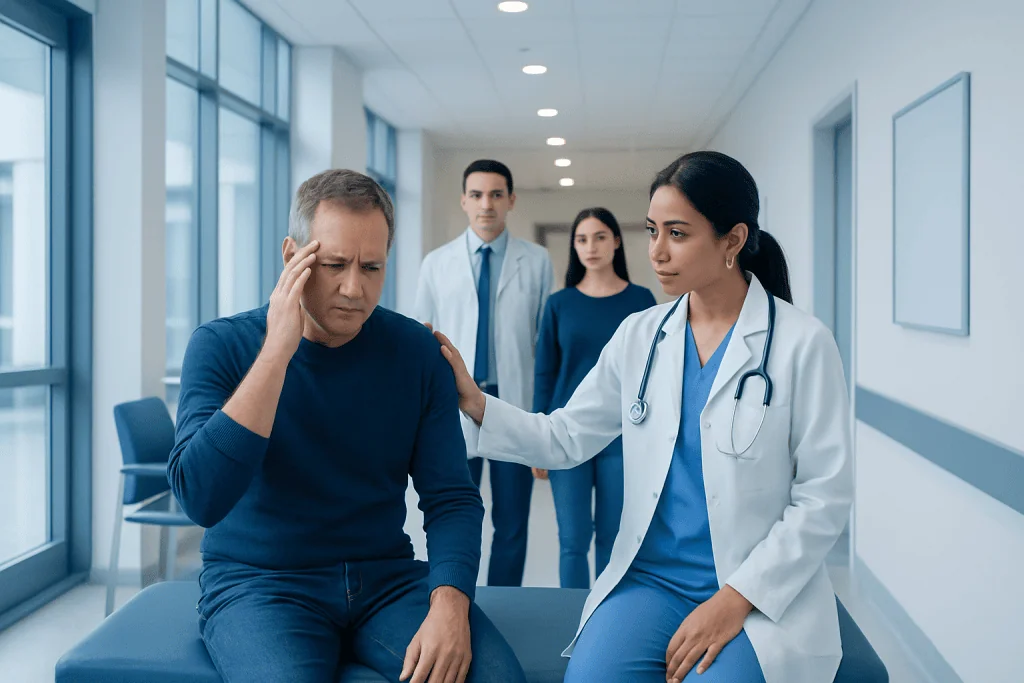
Concussion treatments are based on symptom control, brain rest, and a gradual return to school, work, exercise, and sports. A concussion can happen even without loss of consciousness and may affect memory, balance, sleep, mood, and concentration.
Key Takeaways
- Concussion treatments are based on symptom control, brain rest, and a gradual return to school, work, exercise, and sports.
- A concussion can happen even without loss of consciousness and may affect memory, balance, sleep, mood, and concentration.
- Warning signs such as worsening headache, repeated vomiting, confusion, seizures, or unusual drowsiness need urgent medical evaluation.
- Recovery is individualized; returning to activity too quickly can prolong symptoms or raise the risk of another injury.
- Persistent symptoms may require care from neurology, rehabilitation, or other specialists.
Concussion treatments usually center on early rest, gradual return to daily activity, and medical monitoring for symptoms that affect thinking, balance, sleep, or mood. Most people recover well, but the safest plan depends on symptom severity, age, medical history, and whether another head injury could occur.
Overview: what concussion treatments usually involve
Concussion treatments are designed to help the brain recover after a mild traumatic brain injury. In most cases, treatment starts with physical and cognitive rest for a short period, followed by a gradual return to normal activities as symptoms improve. Doctors may also recommend symptom-specific care for headache, nausea, sleep disruption, dizziness, or concentration problems.
A concussion does not always involve fainting or visible injury. It can result from a blow to the head, a fall, a sports collision, or even a sudden movement that causes the brain to shift inside the skull. Symptoms may appear right away or develop over several hours, which is why observation after an injury is important.
Although many people recover within days to weeks, some need a more structured recovery plan. Care may include neurological evaluation, balance assessment, temporary adjustments at school or work, and follow-up if symptoms linger. This is different from severe brain trauma, but it still deserves careful medical attention because the brain needs time to heal.
How a concussion can feel: common symptoms
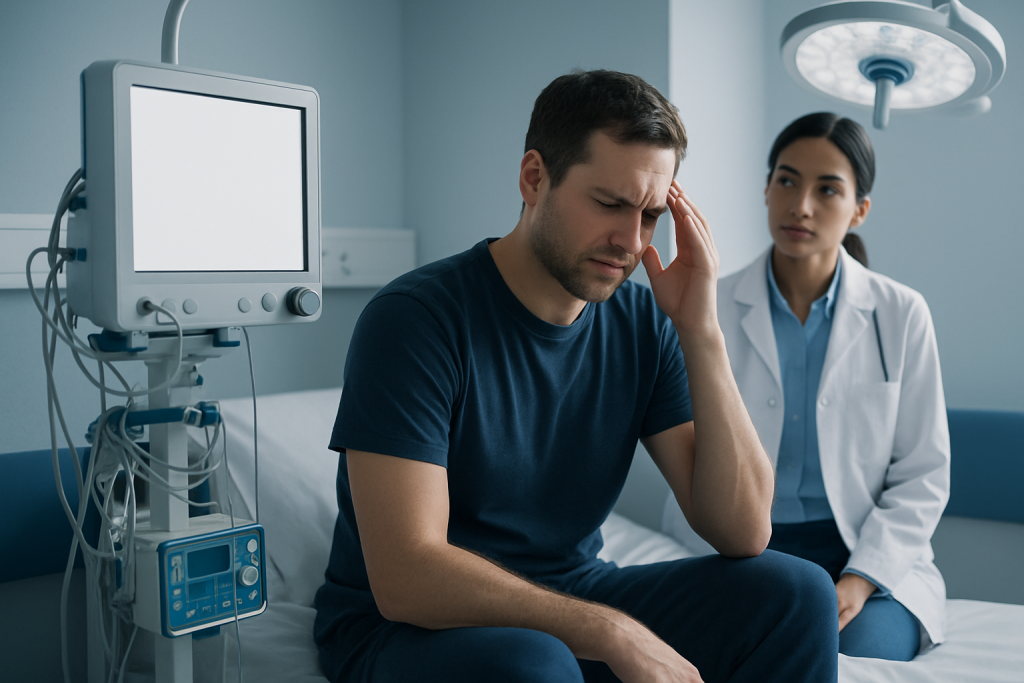
Concussion symptoms can affect thinking, physical comfort, sleep, and emotions. A person may have a headache, feel foggy, become sensitive to light or noise, or notice trouble focusing on routine tasks. Some people seem generally “not themselves” after the injury, even when scans are normal.
Symptoms vary widely and may be subtle, especially in children, older adults, or people who are trying to keep playing sports or continue working. In some cases, the main complaint is fatigue or slowed thinking rather than pain. Family members, teachers, coaches, or coworkers may notice the changes before the injured person does.
- Headache or pressure in the head
- Dizziness, balance problems, or nausea
- Blurred vision or sensitivity to light and sound
- Confusion, slowed thinking, or memory difficulty
- Fatigue, sleep changes, or unusual drowsiness
- Irritability, anxiety, sadness, or mood changes
If symptoms continue beyond the expected recovery period, doctors may evaluate for persistent post-concussion symptoms and related conditions such as vestibular problems, migraine, sleep issues, or neck strain.
Causes and risk factors

A concussion happens when a force causes the brain to move rapidly within the skull. This can occur during contact sports, bicycle or vehicle accidents, falls, workplace injuries, physical assault, or everyday incidents such as slipping at home. The injury may be direct, such as a hit to the head, or indirect, such as a sudden jolt to the body.
Risk is higher in people who play collision sports, ride without proper safety equipment, or have jobs with fall or impact hazards. Children and teenagers may need closer supervision during recovery because their brains are still developing. Older adults are also at increased risk because falls are more common and they may take blood thinners, which can raise concern for bleeding after a head injury.
Previous concussion can matter as well. A person who has had one concussion may be more vulnerable to another, and repeated injuries before full recovery can lead to longer-lasting symptoms. Some people also have conditions that can complicate recovery, such as migraine, learning differences, anxiety, depression, sleep disorders, or neck injuries. In broader evaluation, a clinician may also consider related head and neurological conditions such as brain trauma depending on the mechanism and severity of injury.
How doctors diagnose a concussion
There is no single blood test or scan that confirms every concussion. Diagnosis is usually based on the history of the injury, the symptoms that follow, and a focused examination of memory, attention, balance, coordination, eye movements, and neurological function. This clinical evaluation helps the doctor decide whether the person likely has a concussion and whether more urgent problems need to be ruled out.
Brain imaging such as CT or MRI is not always needed for a simple concussion. However, imaging may be recommended if there are warning signs such as severe or worsening headache, repeated vomiting, loss of consciousness, seizure, significant confusion, weakness, or concern for skull fracture or bleeding. In that setting, urgent evaluation is important because the problem may be more than a concussion alone.
Some patients benefit from a more detailed assessment, especially if symptoms are persistent or the case is medically complex. Doctors may arrange observation, neurocognitive testing, vestibular assessment, or specialist review in neurology, rehabilitation, or sports medicine. If imaging is needed to look for structural injury, it may be part of a broader neuroradiology evaluation.
Treatment options and recovery planning
The main goal of concussion treatments is to support healing while avoiding activities that worsen symptoms or risk another injury. For the first day or two, doctors often advise a period of relative rest. This means reducing intense physical exertion and mentally demanding tasks, while still allowing light daily activities that do not clearly aggravate symptoms.
After the early rest period, recovery usually works best with a gradual, step-by-step return to normal function. This may include short periods of reading or screen use, partial school attendance, work modifications, and then slowly increasing exercise under medical guidance. Returning too quickly to sports, heavy labor, or high-risk activity can delay recovery and increase the chance of another concussion before the brain has healed.
Treatment may also address specific symptoms. A doctor may suggest strategies for headache relief, hydration, regular sleep, reduced alcohol use, and management of light or noise sensitivity. Persistent dizziness, neck pain, or balance problems may lead to referral for physical therapy and rehabilitation. People with longer-lasting cognitive, emotional, or sleep symptoms may benefit from a multidisciplinary plan that can include neurology and, when appropriate, neurology care.
There is no universal timeline for recovery. Children, athletes, older adults, and people with previous concussions or underlying neurological conditions may need a more individualized approach. If symptoms last or interfere with daily life, doctors may evaluate for conditions related to concussion recovery rather than assuming rest alone will solve the problem.
Self-care, return to activity, and prevention
At home, recovery is usually supported by good sleep, adequate fluids, balanced meals, and avoiding activities that noticeably increase symptoms. It often helps to take regular breaks from screens, reading, or multitasking at first, then slowly build tolerance. Family support can be useful because the injured person may underestimate fatigue or concentration problems.
For students and workers, temporary accommodations can reduce strain during recovery. Examples include shorter school days, reduced homework, extra time for tasks, scheduled breaks, limited screen exposure, or temporary changes in job duties. These adjustments are not a setback; they are part of allowing the brain to recover in a controlled way.
Prevention focuses on reducing the chance of head injury and avoiding a second concussion before the first one has healed. Seat belt use, appropriate sports technique, well-fitted helmets for relevant activities, fall prevention at home, and following return-to-play or return-to-work guidance all matter. People should never resume contact sports or risky physical activity while they still have concussion symptoms.
When to seek medical care
Medical care is appropriate after any suspected concussion, especially if symptoms are new, persistent, or affecting daily activities. Children, older adults, people taking blood thinners, and anyone with repeated head injuries should be assessed more carefully. Prompt evaluation can help confirm the diagnosis, guide recovery, and identify signs that a more serious injury may be present.
Urgent medical attention is needed if warning signs develop after a head injury. These include worsening headache, repeated vomiting, increasing confusion, unusual behavior, weakness, numbness, trouble waking up, seizure, slurred speech, fluid from the nose or ears, or loss of consciousness. A person with these symptoms should not drive themselves for care.
People whose symptoms last longer than expected, or who are struggling to return to school, work, exercise, or sleep, may need follow-up with specialists. In selected cases, care can involve structured rehabilitation and neurological review. Acibadem International’s multidisciplinary specialists and JCI-accredited hospitals evaluate and treat concussion-related conditions for international patients when advanced assessment or coordinated follow-up is needed.
Frequently asked questions
What are the most common concussion treatments?
The most common concussion treatments include a short period of relative rest, symptom monitoring, and a gradual return to normal activities. Doctors may also recommend treatment for specific symptoms such as headache, dizziness, sleep problems, or trouble concentrating.
How long does it take to recover from a concussion?
Recovery time varies from person to person. Many people improve within days to weeks, but some have symptoms that last longer and need closer follow-up or rehabilitation.
Should someone with a concussion stay in a dark room and avoid all activity?
Complete isolation is generally not recommended for most people. A brief period of reduced activity can help at first, but gradual return to light physical and mental activity is usually part of modern concussion care, as long as symptoms do not clearly worsen.
Can a concussion happen without losing consciousness?
Yes. Many concussions occur without fainting or blacking out, which is why it is important to pay attention to symptoms such as headache, confusion, dizziness, nausea, and memory problems after a head injury.
When is a CT scan or MRI needed after a concussion?
Imaging is not necessary for every concussion. Doctors usually order CT or MRI when there are red-flag symptoms or concern about bleeding, skull fracture, or another more serious injury.
When can an athlete return to sports after a concussion?
An athlete should return only after symptoms have resolved and a qualified clinician has guided a stepwise return-to-play process. Returning too soon can increase the risk of another concussion and a longer recovery.
References
- Centers for Disease Control and Prevention
- National Institute of Neurological Disorders and Stroke
- American Academy of Neurology
- Mayo Clinic
- World Health Organization
This article is for general information only and is not a substitute for professional medical advice. Please consult a qualified doctor about your individual situation.
Persistent digestive symptoms? Get evaluated in Turkey
JCI-accredited · board-certified surgeons · reply within 24h
Add us as a Preferred Source to see more of our trusted health content across Google Search, AI Overviews and Discover.