Congestive Heart Failure Diastolic Dysfunction: What Patients Need to Know

Diastolic dysfunction means the heart has trouble relaxing and filling, even if its pumping function appears preserved. It is often linked to aging, high blood pressure, diabetes, obesity, sleep apnea, and coronary artery disease.
Key Takeaways
- Diastolic dysfunction means the heart has trouble relaxing and filling, even if its pumping function appears preserved.
- It is often linked to aging, high blood pressure, diabetes, obesity, sleep apnea, and coronary artery disease.
- Symptoms can include breathlessness, tiredness, reduced exercise tolerance, and ankle or leg swelling.
- Diagnosis usually combines history, physical examination, echocardiography, blood tests, and other heart tests when needed.
- Treatment focuses on controlling blood pressure, managing fluid overload, treating related conditions, and supporting heart-healthy habits.
- Prompt medical care is important if symptoms worsen suddenly or are accompanied by chest pain or severe breathing difficulty.
Congestive heart failure diastolic dysfunction refers to a form of heart failure in which the heart’s pumping strength may stay near normal, but the heart muscle becomes stiff and does not relax well between beats. This can raise pressure inside the heart and lungs, leading to symptoms such as shortness of breath, fatigue, and swelling that deserve proper medical evaluation and ongoing care.
Overview: what congestive heart failure diastolic dysfunction means
Congestive heart failure diastolic dysfunction is a patient-friendly way of describing a type of heart failure in which the heart muscle becomes less flexible and does not relax properly between beats. Because the heart cannot fill efficiently, pressure builds up inside the chambers and may back up into the lungs or body tissues. This can cause congestion, even when the heart’s overall pumping percentage, called ejection fraction, looks normal or near normal on testing.
Doctors often refer to this condition as heart failure with preserved ejection fraction, or HFpEF. In practical terms, this means the heart is still squeezing, but the filling phase is impaired. Many people are surprised to learn that heart failure does not always mean a weak heart muscle; sometimes the main problem is stiffness rather than poor contraction.
This form of heart failure is common, especially in older adults and in people with long-standing high blood pressure or metabolic conditions. It can develop gradually, with symptoms first appearing during physical activity and later becoming more noticeable during daily life. Early recognition matters because symptom control and treatment of contributing conditions can improve comfort, function, and quality of life.
How it affects the heart and body
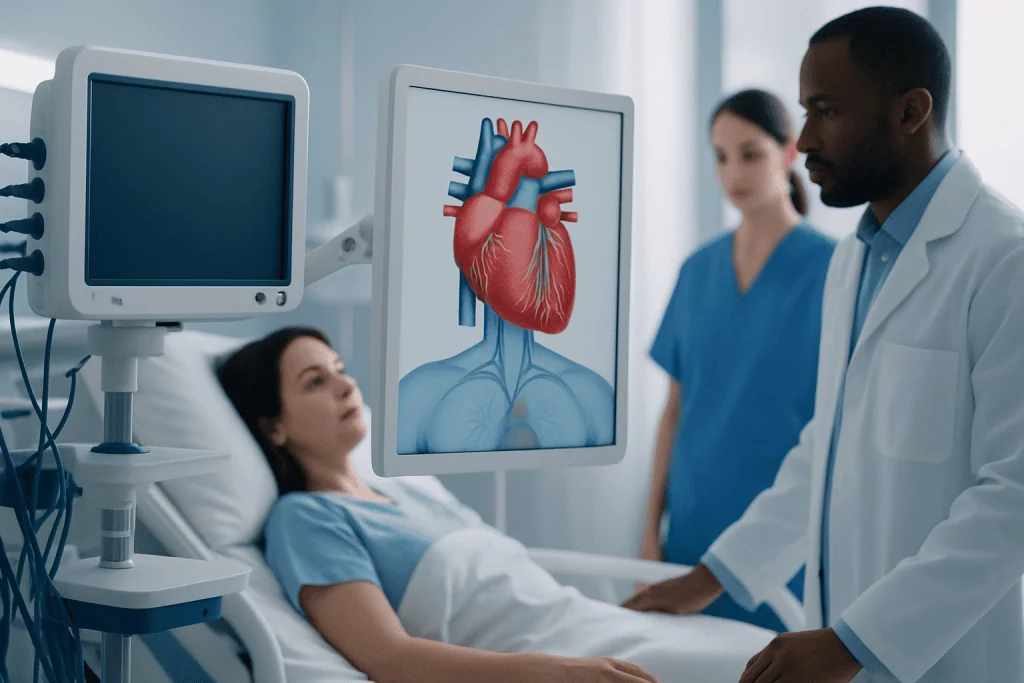
During diastole, the heart relaxes and fills with blood. When the heart muscle is stiff, filling requires higher pressure. That extra pressure can travel backward into the lungs, making breathing more difficult, especially when lying flat or during exertion. Over time, fluid may also collect in the legs, ankles, or abdomen.
Diastolic dysfunction can exist before full heart failure develops. Some people may have mild stiffness seen on an echocardiogram but no obvious symptoms. Others progress to symptomatic heart failure, particularly if additional stressors are present, such as uncontrolled blood pressure, an abnormal heart rhythm, infection, kidney problems, or excess salt and fluid intake.
The condition is closely related to other cardiovascular problems. For example, a person may also have coronary artery disease, heart valve disease, or thickening of the heart muscle due to chronic hypertension. Understanding the whole picture helps doctors choose the most appropriate treatment plan rather than focusing on one test result alone.
Symptoms patients may notice

Symptoms often build up gradually and can be mistaken for aging, low fitness, or a lung problem. Shortness of breath is one of the most common complaints, particularly when walking uphill, climbing stairs, or carrying groceries. Some people wake at night feeling breathless or need extra pillows to sleep comfortably.
Other symptoms may include unusual fatigue, decreased exercise tolerance, swelling in the feet or ankles, abdominal bloating, rapid weight gain from fluid retention, or a feeling of chest pressure. Heart palpitations may occur if an arrhythmia such as atrial fibrillation is also present. In some cases, a dry cough or frequent nighttime urination may be part of the picture.
Symptoms are not always constant. They may worsen during periods of high blood pressure, infection, skipped medications, excess dietary sodium, or poor sleep. Because these symptoms overlap with conditions such as asthma, chronic lung disease, anemia, or arrhythmia, a proper medical assessment is important rather than self-diagnosing.
- Shortness of breath with activity or when lying down
- Fatigue and reduced stamina
- Swelling in the legs, ankles, or abdomen
- Rapid weight gain due to fluid retention
- Palpitations or irregular heartbeat
- Waking at night feeling breathless
Causes and risk factors
Congestive heart failure diastolic dysfunction usually develops as a result of conditions that make the heart muscle thicker, stiffer, or harder to relax. High blood pressure is one of the most important contributors because it forces the heart to work against increased resistance for many years. This can lead to thickening of the left ventricle and reduced flexibility.
Other common risk factors include older age, diabetes, obesity, chronic kidney disease, coronary artery disease, sleep apnea, and physical inactivity. Atrial fibrillation can make symptoms worse because the heart loses part of its normal filling support from a coordinated atrial contraction. In some patients, valve disease or infiltrative conditions affecting the heart muscle may also play a role.
Women and older adults are frequently affected, although the condition can occur in anyone. It is also common for several risk factors to occur together, such as high blood pressure, insulin resistance, and excess body weight. This is one reason treatment often involves more than one strategy, including lifestyle changes and management of related medical problems.
How doctors diagnose it
Diagnosis starts with a careful review of symptoms, medical history, medications, and risk factors, followed by a physical examination. A doctor listens for signs of fluid buildup, checks blood pressure and heart rhythm, and looks for swelling or other clues. Because symptoms may come and go, describing when they happen and what makes them worse or better can be very helpful.
Echocardiography is one of the main tools used to evaluate diastolic dysfunction. This ultrasound test shows heart structure, ejection fraction, valve function, chamber size, and features that suggest abnormal filling pressures. Doctors may also order an electrocardiogram, chest imaging, blood tests such as natriuretic peptides, kidney function tests, and sometimes exercise or stress testing to better understand the cause of symptoms.
Diagnosis is not always based on a single number. Instead, clinicians combine symptoms, physical findings, imaging, and laboratory results to determine whether a person has diastolic dysfunction alone or symptomatic heart failure with preserved ejection fraction. In more complex cases, advanced heart testing may be needed, and some patients benefit from specialist input through services such as cardiology evaluation or echocardiography.
Treatment options and long-term management
Treatment aims to relieve congestion, improve daily functioning, and address the conditions driving the problem. Diuretics may be used to reduce extra fluid and ease swelling or breathlessness. Doctors also focus on controlling blood pressure, managing diabetes, treating coronary artery disease, correcting abnormal rhythms when possible, and addressing sleep apnea or kidney disease if present.
Medications are chosen individually. In recent years, some therapies used for heart failure and diabetes have also shown benefit in selected patients with HFpEF, but treatment decisions depend on a person’s overall health, kidney function, symptoms, and coexisting conditions. Some people may also need treatment for valve disease or further evaluation if symptoms do not match routine test findings.
Long-term management usually works best when patients monitor symptoms consistently and attend regular follow-up appointments. Tracking body weight, swelling, breathing changes, and blood pressure can help detect fluid buildup early. If a person also has rhythm problems, coordinated assessment through electrophysiology care may be appropriate. Near the end of the care pathway, some international patients may seek assessment at Acibadem International, where multidisciplinary specialists in JCI-accredited hospitals diagnose and treat complex heart conditions.
Prevention and self-care
Although not every case can be prevented, many people can lower their risk or reduce symptom flare-ups by taking a structured approach to heart health. Consistent control of high blood pressure is especially important. Following prescribed treatment plans for diabetes, cholesterol, kidney disease, and sleep apnea can also support better outcomes over time.
Practical self-care includes limiting excess dietary sodium, staying physically active within a doctor’s guidance, maintaining a healthy weight, avoiding tobacco, and moderating alcohol if advised. A gradual, sustainable exercise program can improve stamina and quality of life in many patients. Vaccination against common respiratory infections may also help reduce illness-related worsening in vulnerable individuals.
Patients should take medicines exactly as prescribed and speak with a doctor before stopping or adding over-the-counter drugs. Some pain relievers and other medications can worsen fluid retention or affect blood pressure and kidney function. Daily weight checks can be useful; a sudden gain may indicate fluid buildup and should prompt a call to the healthcare team.
When to seek medical care
Medical review is advisable if there is new or worsening shortness of breath, increasing swelling, unusual fatigue, or a reduced ability to perform normal activities. These changes may suggest fluid buildup, blood pressure problems, an infection, or a change in heart rhythm that needs attention. Early evaluation often makes treatment simpler and may prevent hospital-level illness.
Urgent care is needed for severe breathing difficulty, chest pain, fainting, blue lips, confusion, or symptoms that worsen quickly over hours. These can signal a medical emergency and should not be monitored at home. People with known heart failure should also seek prompt advice if they notice rapid weight gain over a short period, especially when it happens along with swelling or breathlessness.
Anyone with persistent symptoms should arrange follow-up with a qualified doctor, even if prior heart tests were described as normal. Because diastolic dysfunction can be subtle, repeated assessment may be needed when symptoms continue. A careful, individualized evaluation offers the best path to symptom relief and long-term heart health.
Frequently asked questions
Is diastolic dysfunction the same as heart failure?
Not exactly. Diastolic dysfunction describes abnormal heart relaxation and filling, while heart failure means those changes are causing symptoms or signs such as breathlessness or fluid buildup. Some people have mild diastolic dysfunction on imaging without active heart failure symptoms.
Can someone have heart failure if the ejection fraction is normal?
Yes. In heart failure with preserved ejection fraction, the squeezing function may look normal, but the heart muscle is stiff and does not fill properly. This can still lead to congestion, shortness of breath, and reduced exercise tolerance.
Can congestive heart failure diastolic dysfunction be reversed?
The stiffness itself is not always fully reversible, but symptoms and progression can often be improved by treating the underlying causes. Good control of blood pressure, diabetes, weight, sleep apnea, and fluid balance can make a meaningful difference. Early diagnosis and regular follow-up are important.
What is the best exercise for this condition?
For many patients, regular low- to moderate-intensity aerobic activity such as walking, cycling, or supervised cardiac exercise is helpful. The safest plan depends on symptoms, fitness level, and other medical conditions. A doctor should guide exercise limits, especially after recent symptom worsening.
Does diastolic dysfunction always get worse over time?
Not always. Some people remain stable for years, especially when risk factors are well managed and treatment is followed carefully. Others may have flare-ups related to high blood pressure, infections, irregular heartbeat, or kidney problems.
What foods should be limited?
Many patients are advised to limit excess sodium because salt can contribute to fluid retention and raise blood pressure. Highly processed foods, salty snacks, canned soups, and fast food are common sources. Dietary advice should be individualized, especially if kidney disease or diabetes is also present.
References
- American Heart Association
- Heart Failure Society of America
- National Heart, Lung, and Blood Institute
- European Society of Cardiology
- Mayo Clinic
This article is for general information only and is not a substitute for professional medical advice. Please consult a qualified doctor about your individual situation.
Heart Failure in Turkey — costs, top hospitals & a free quote
JCI-accredited · board-certified surgeons · reply within 24h
Add us as a Preferred Source to see more of our trusted health content across Google Search, AI Overviews and Discover.
Check your numbers in seconds
BMI, calories, due date, blood pressure and 30+ more clinical calculators — free, instant, doctor-reviewed ranges.