

Congestive Heart Failure: Symptoms, Causes, and When to Seek Care

Congestive heart failure does not mean the heart has stopped; it means the heart is not pumping efficiently. Common symptoms include shortness of breath, tiredness, swelling in the legs or ankles, and sudden weight gain from fluid buildup.
Key Takeaways
- Congestive heart failure does not mean the heart has stopped; it means the heart is not pumping efficiently.
- Common symptoms include shortness of breath, tiredness, swelling in the legs or ankles, and sudden weight gain from fluid buildup.
- High blood pressure, coronary artery disease, heart valve problems, diabetes, and prior heart damage are common causes and risk factors.
- Diagnosis usually involves a medical history, physical exam, blood tests, ECG, chest imaging, and an echocardiogram.
- Treatment often combines medication, heart-healthy habits, fluid and salt management, and sometimes devices or procedures.
- Urgent care is needed for severe breathlessness, chest pain, fainting, confusion, or rapid worsening of swelling.
Congestive heart failure is a chronic condition in which the heart cannot pump blood as effectively as the body needs. With early diagnosis, medicines, lifestyle changes, and regular follow-up, many people can manage symptoms and maintain daily activities.
Overview
Congestive heart failure is a condition in which the heart cannot pump blood as strongly or efficiently as it should. As a result, blood and fluid may back up in the lungs, legs, feet, or other tissues, leading to symptoms such as breathlessness and swelling. Although the term sounds alarming, it does not mean the heart has stopped working. It means the heart needs medical support and ongoing management.
Heart failure may affect the left side of the heart, the right side, or both. In some people, the heart becomes too weak to pump well. In others, the heart muscle becomes stiff and cannot fill properly between beats. Both problems can reduce the amount of oxygen-rich blood delivered to the body.
Congestive heart failure is usually a long-term condition, but treatment can make a meaningful difference. Many people feel better when the cause is identified and managed early. Care often includes medicines, lifestyle changes, regular monitoring, and treatment of related conditions such as high blood pressure or coronary artery disease.
Symptoms
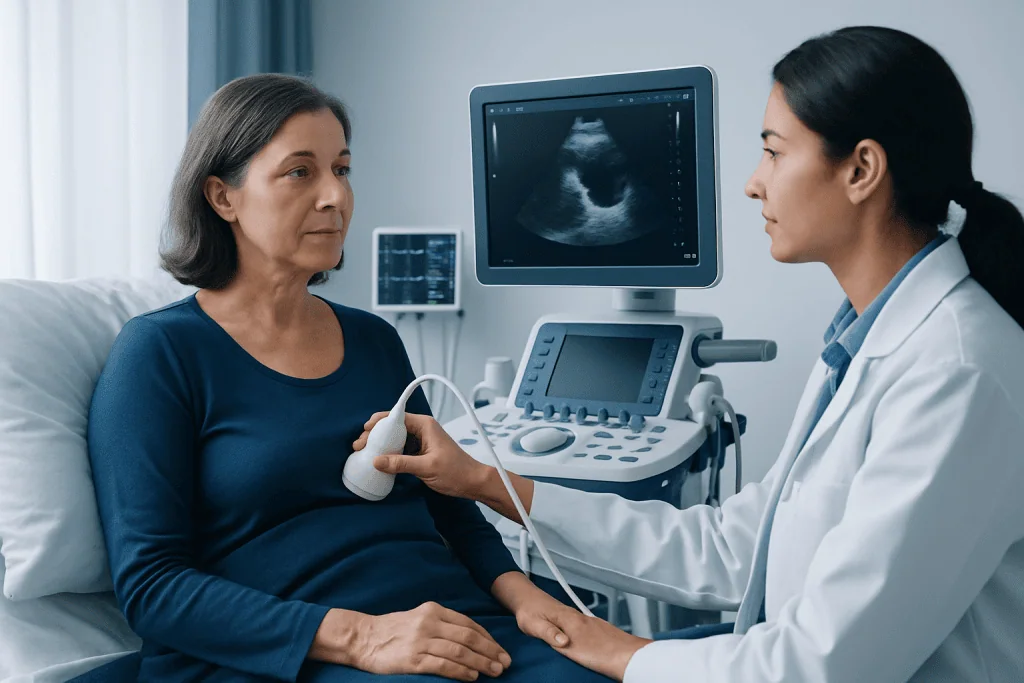
The symptoms of congestive heart failure can develop gradually or appear more suddenly. One of the most common signs is shortness of breath, especially during activity or when lying flat. Some people notice they need extra pillows to sleep comfortably or wake up at night feeling breathless.
Fatigue is another frequent symptom. Because the heart is not pumping efficiently, muscles and organs may receive less oxygen-rich blood. Everyday activities such as walking, climbing stairs, or carrying groceries may become more tiring than usual.
Fluid retention is also common. This can cause swelling in the feet, ankles, legs, or abdomen, and it may lead to quick weight gain over a few days. Other symptoms may include a persistent cough, wheezing, reduced exercise tolerance, a fast or irregular heartbeat, poor appetite, nausea, or difficulty concentrating.
- Shortness of breath during activity or at rest
- Swelling of the legs, ankles, feet, or abdomen
- Unusual tiredness or weakness
- Rapid weight gain from fluid buildup
- Persistent cough, especially when lying down
- Reduced ability to exercise
Causes and Risk Factors
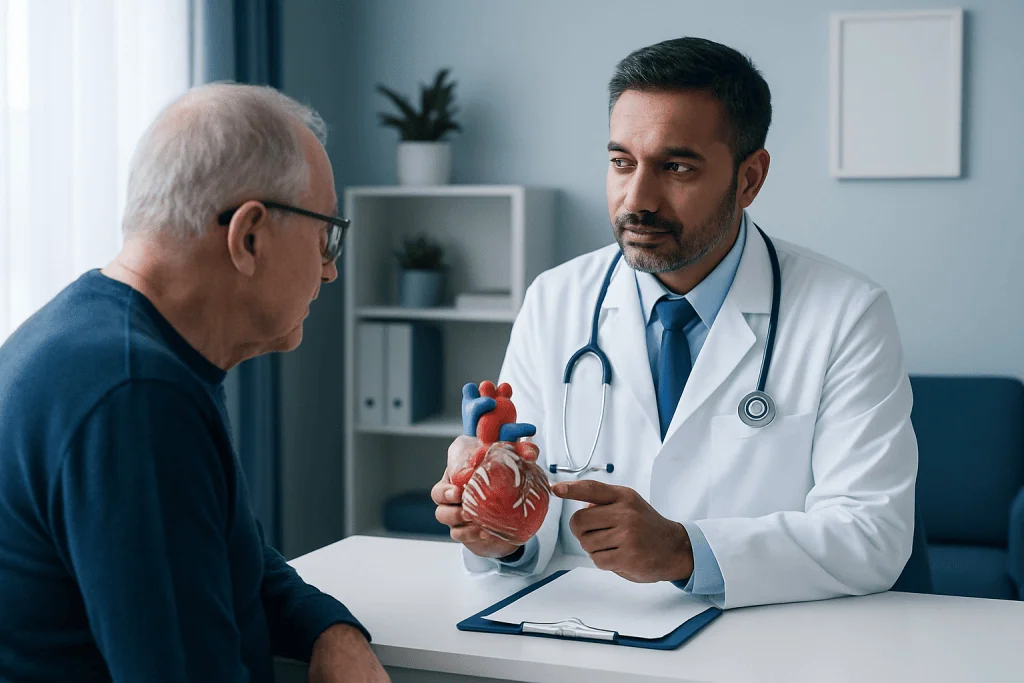
Congestive heart failure is often the result of another condition that has damaged or overworked the heart over time. A leading cause is coronary artery disease, in which narrowed heart arteries reduce blood flow to the heart muscle. A prior heart attack can also leave scar tissue that weakens pumping ability. Conditions such as coronary artery disease are therefore closely linked with heart failure.
High blood pressure is another major cause. When blood pressure stays high for many years, the heart has to work harder to push blood through the body. This extra strain can thicken or weaken the heart muscle. Heart valve disease, congenital heart defects, cardiomyopathy, and abnormal heart rhythms can also lead to heart failure.
Several health conditions increase risk, including diabetes, obesity, chronic kidney disease, sleep apnea, and thyroid disorders. Lifestyle factors such as smoking, heavy alcohol use, physical inactivity, and a diet high in salt may worsen heart strain. Age is also a risk factor, but heart failure is not considered a normal part of aging.
Sometimes heart failure is classified by how the heart functions. In reduced ejection fraction, the heart does not contract strongly enough. In preserved ejection fraction, the heart contracts but does not relax and fill normally. This distinction helps doctors choose the most appropriate treatment plan.
How Doctors Diagnose Congestive Heart Failure
Diagnosis begins with a careful review of symptoms, medical history, and risk factors. A doctor will usually ask about shortness of breath, swelling, fatigue, chest discomfort, sleep habits, and recent weight changes. During the physical exam, they may check blood pressure, heart rate, lung sounds, neck veins, and signs of fluid retention.
Several tests help confirm the diagnosis and identify the cause. Blood tests may look for kidney function, thyroid problems, anemia, or markers that rise when the heart is under strain. An electrocardiogram, or ECG, can detect abnormal rhythms or signs of prior heart damage. A chest X-ray may show fluid in the lungs or an enlarged heart.
One of the most important tests is an echocardiogram, an ultrasound that shows the heart’s structure and pumping function. In some cases, doctors may also recommend stress testing, coronary imaging, or cardiac MRI to assess heart muscle damage, blood flow, or valve problems more closely. The goal is not only to confirm heart failure but also to understand what is causing it and how severe it is.
Treatment Options
Treatment for congestive heart failure depends on the cause, symptoms, and type of heart failure. Most people benefit from a combination of medications and lifestyle changes. Medicines may help the heart pump more effectively, relax blood vessels, remove excess fluid, control blood pressure, or regulate heart rhythm. It is important to take medications exactly as prescribed and not stop them without medical advice.
When an underlying condition is contributing, treating that cause is an essential part of care. This may include managing high blood pressure, diabetes, valve disease, or blocked arteries. Some patients may need procedures to restore blood flow, such as coronary angiography to assess the heart’s arteries, followed in selected cases by coronary angioplasty or surgery if recommended by a cardiology team.
For certain people, implanted devices may be helpful. A pacemaker, cardiac resynchronization therapy device, or implantable cardioverter defibrillator may support heart rhythm and function in the right clinical setting. In advanced cases, specialized therapies or surgery may be considered.
Long-term follow-up matters just as much as the initial treatment. Doctors often monitor symptoms, kidney function, blood pressure, heart rhythm, and weight over time. Adjusting treatment early can help reduce flare-ups and hospital visits, and it may improve quality of life.
Prevention and Self-care
Not every case of congestive heart failure can be prevented, but many risk factors can be reduced. Protecting heart health starts with controlling blood pressure, blood sugar, and cholesterol. Regular exercise, not smoking, limiting alcohol, and maintaining a healthy body weight can lower strain on the heart.
For people already living with heart failure, self-care is an important part of treatment. Doctors often recommend limiting salt, since sodium can increase fluid retention. Some people may also need guidance on fluid intake. Weighing daily, taking medicines consistently, and keeping follow-up appointments can help detect changes early.
It also helps to learn personal warning signs. A sudden increase in weight, more swelling, worsening breathlessness, or needing to sleep more upright can signal fluid buildup. Reporting these changes promptly may allow treatment adjustments before symptoms become more severe.
Near the end of the care journey, some people may benefit from support at specialized heart centers. Acibadem International’s multidisciplinary specialists and JCI-accredited hospitals diagnose and treat congestive heart failure for international patients, with care plans based on individual needs.
When to See a Doctor
A medical review is important if symptoms such as breathlessness, swelling, unexplained fatigue, or a rapid heartbeat appear and do not improve. These symptoms are not always caused by heart failure, but they should be assessed by a qualified doctor, especially in people with high blood pressure, diabetes, previous heart disease, or kidney disease.
People who already have congestive heart failure should contact their doctor if symptoms worsen, if they gain weight quickly, or if they notice less response to usual treatment. Early communication can help prevent complications and may avoid the need for emergency care.
Emergency care is needed for severe shortness of breath, chest pain, fainting, blue lips, new confusion, or sudden weakness. These symptoms can signal a serious problem such as acute heart failure, a heart attack, or a dangerous heart rhythm. Prompt treatment is the safest approach.
Frequently asked questions
What is congestive heart failure?
Congestive heart failure is a condition in which the heart cannot pump blood as effectively as the body needs. This can lead to fluid buildup in the lungs and other parts of the body, causing symptoms such as breathlessness, swelling, and tiredness.
Is congestive heart failure the same as a heart attack?
No. A heart attack happens when blood flow to part of the heart muscle is suddenly blocked. Congestive heart failure is usually a long-term problem with how the heart pumps or fills, although a heart attack can sometimes lead to heart failure.
Can congestive heart failure be cured?
In many cases, heart failure is a chronic condition rather than a complete cure. However, symptoms can often be controlled well with medication, lifestyle changes, and treatment of the underlying cause. Some people improve significantly when the cause is corrected.
What are the early warning signs of heart failure?
Early signs may include getting short of breath more easily, feeling unusually tired, swelling in the ankles or feet, and sudden weight gain from fluid retention. Some people also develop a cough at night or need more pillows to sleep comfortably.
What should someone with heart failure avoid?
Many people are advised to avoid smoking, excess alcohol, high-salt foods, and stopping medications without medical advice. It is also important to avoid ignoring sudden weight gain or worsening symptoms. A doctor can give personalized guidance based on the person's condition and other health problems.
How serious is congestive heart failure?
Congestive heart failure is a serious medical condition, but many people live with it for years using the right treatment plan. The outlook depends on the cause, severity, response to treatment, and overall health. Regular follow-up and early attention to symptom changes are important.
References
- American Heart Association
- National Heart, Lung, and Blood Institute
- European Society of Cardiology
- Centers for Disease Control and Prevention
- World Health Organization
This article is for general information only and is not a substitute for professional medical advice. Please consult a qualified doctor about your individual situation.
Heart Failure in Turkey — costs, top hospitals & a free quote
JCI-accredited · board-certified surgeons · reply within 24h
Add us as a Preferred Source to see more of our trusted health content across Google Search, AI Overviews and Discover.
Check your numbers in seconds
BMI, calories, due date, blood pressure and 30+ more clinical calculators — free, instant, doctor-reviewed ranges.

More from the Health Library



Related Specialists

Dt. Neslihan Türker
Oral & Dental Health
Dr. Funda Aybar Susur
Gynecology & Obstetrics
Dr. Safiye Sayilir
Physical Medicine & Rehabilitation
Dr. Hacer Dönmez
Internal Medicine