Conjunctiva: A Complete Medical Overview

The conjunctiva helps protect the eye and keep its surface moist. Common conjunctival problems include irritation, allergy, infection, and benign growths.
Key Takeaways
- The conjunctiva helps protect the eye and keep its surface moist.
- Common conjunctival problems include irritation, allergy, infection, and benign growths.
- Redness, discharge, itching, or persistent discomfort should be assessed if symptoms do not improve.
- Diagnosis usually involves a medical history and an eye examination.
- Treatment depends on the cause and may include lubricating drops, allergy treatment, or infection-focused care.
The conjunctiva is a thin, transparent membrane that lines the inside of the eyelids and covers the white part of the eye. It plays an important role in comfort, lubrication, and protection, and problems affecting it can lead to redness, irritation, discharge, or visible growths.
Overview: What the conjunctiva is and why it matters
The conjunctiva is a thin, clear tissue layer that covers the white part of the eye and lines the inside of the eyelids. Although it is delicate and almost invisible in a healthy eye, it has an important job: it helps protect the eye from environmental irritation and supports a smooth, moist surface. Small blood vessels, immune cells, and mucus-producing cells within the conjunctiva all contribute to normal eye comfort.
Many people only notice the conjunctiva when something goes wrong and the eye looks red, irritated, or watery. Because this membrane is exposed to air, dust, allergens, microbes, and contact lenses, it is especially prone to inflammation. This is why conjunctival conditions are among the most common reasons people seek eye care.
The conjunctiva is not the same as the cornea, which is the clear dome over the front of the eye that helps focus vision. However, the two work closely together as part of the eye surface. Problems in the conjunctiva can affect comfort, appearance, and sometimes vision indirectly if irritation becomes significant or if inflammation spreads to nearby tissues.
How the conjunctiva supports eye health
The conjunctiva acts as a protective covering and a supportive part of the tear film system. Its goblet cells help produce mucin, a substance that allows tears to spread evenly across the eye. This helps keep the eye lubricated, reduces friction when blinking, and supports clear, comfortable vision.
It also contributes to immune defense. The conjunctiva contains cells that help recognize and respond to bacteria, viruses, allergens, and other irritants. This local immune activity is useful, but it can also lead to visible redness and swelling when the tissue becomes inflamed.
Doctors sometimes divide the conjunctiva into different areas, including the palpebral conjunctiva lining the eyelids and the bulbar conjunctiva covering the sclera, or white of the eye. This matters during an eye examination because the pattern of redness, discharge, swelling, or lesions can give clues about the underlying cause.
Because the conjunctiva is so exposed, it can reflect both local eye problems and broader health issues. Dry environments, allergies, infections, autoimmune conditions, and long-term irritation may all affect this tissue.
Common symptoms and conjunctival conditions

Conjunctival problems often cause redness, watering, burning, itching, or a gritty sensation. Some people notice discharge, crusting on the eyelids, swelling, or increased sensitivity to light. Mild conjunctival irritation may be temporary, but persistent symptoms deserve medical attention to identify the cause accurately.
One of the best-known conditions is conjunctivitis, often called pink eye. This term describes inflammation of the conjunctiva and may be caused by viruses, bacteria, allergens, or irritants. Viral and allergic causes are especially common, but treatment depends on the reason for the inflammation rather than the redness alone. In some cases, a doctor may assess for conjunctivitis if symptoms include redness, tearing, discharge, or recent exposure to others with eye infection.
Other conjunctival conditions include:
- Allergic conjunctival inflammation: often linked with itching, tearing, and swelling.
- Dry eye-related irritation: may cause stinging, fluctuating discomfort, and a feeling of sand in the eye.
- Subconjunctival hemorrhage: a bright red patch caused by a small broken blood vessel, usually painless.
- Pinguecula and pterygium: growths related to sun, wind, and irritation; a doctor may discuss pterygium when a tissue growth extends toward the cornea.
- Conjunctival cysts or lesions: these may be benign, but any new or changing spot should be evaluated.
Symptoms that suggest a more serious eye issue include significant pain, reduced vision, marked light sensitivity, or severe swelling. These symptoms are not typical of simple conjunctival irritation and should not be ignored.
Causes and risk factors
Conjunctival irritation can develop for many reasons. Infections are a major cause and may be viral, bacterial, or less commonly fungal or parasitic. Viral causes often occur along with cold-like symptoms, while bacterial infections may lead to thicker discharge and eyelid crusting. Allergens such as pollen, dust mites, animal dander, and mold can trigger itching and redness, especially in people with seasonal allergies or eczema.
Noninfectious irritants are also common. Smoke, chlorine, air pollution, cosmetics, dry air, and prolonged screen use can all stress the eye surface. Contact lens wear may increase the risk of irritation or infection, especially if lenses are worn longer than recommended, cleaned poorly, or used while sleeping.
Certain environmental and personal factors make conjunctival problems more likely. These include:
- Exposure to wind, sun, dust, or chemical fumes
- History of allergies, asthma, or sensitive skin
- Dry eye disease or reduced tear production
- Recent upper respiratory infection
- Sharing towels, eye makeup, or contact lens supplies
- Immune system disorders or inflammatory conditions
Age can also play a role. Children often experience infectious conjunctivitis because germs spread easily in close-contact settings, while adults may be more affected by allergy, dryness, contact lens-related irritation, or conjunctival growths linked to lifelong sun exposure.
How doctors diagnose conjunctival problems
Diagnosis begins with a careful history. A doctor usually asks when symptoms started, whether one or both eyes are affected, and whether there is itching, discharge, pain, blurred vision, or recent exposure to someone with an eye infection. Information about contact lens use, allergies, trauma, new cosmetics, or workplace exposures can also be very helpful.
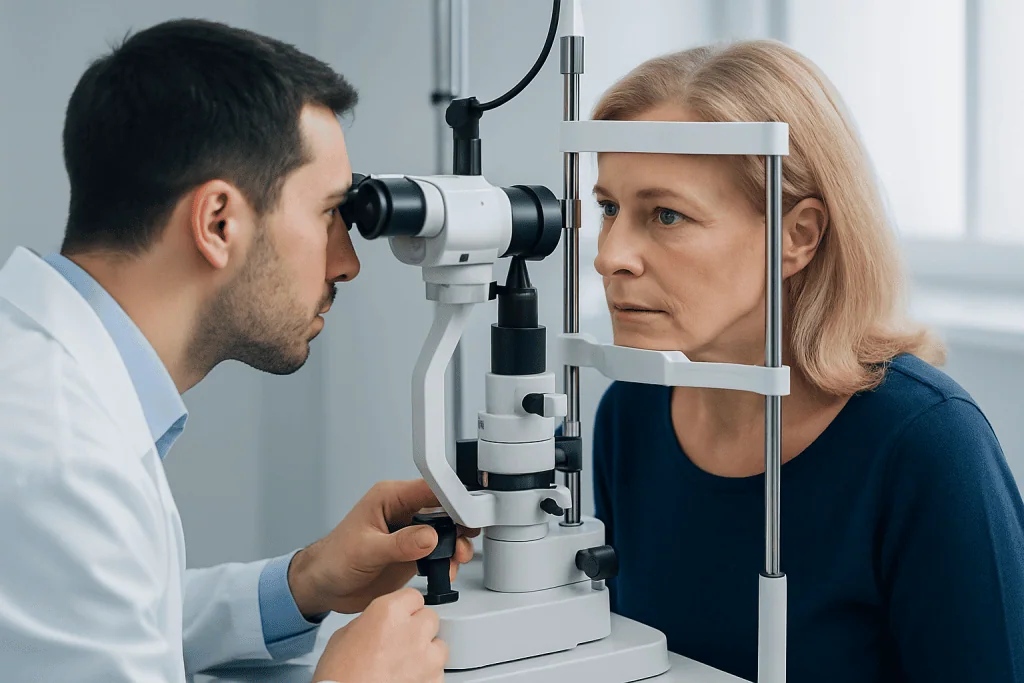
An eye examination often provides most of the needed information. The doctor may inspect the eyelids, the color and pattern of redness, the type of discharge, and the surface of the eye. In some cases, special dyes are used to look for damage to the eye surface, and the eyelids may be gently turned to inspect the inner lining.
Additional testing is not always necessary, but it may be recommended if symptoms are severe, recurrent, unusual, or not improving with standard care. Swabs or laboratory testing can help in selected cases of suspected infection. If a growth, pigmented spot, or persistent lesion is present, referral to an ophthalmologist is important to determine whether further imaging, monitoring, or biopsy is needed.
When other eye surface disorders are suspected, the evaluation may include assessment for tear film problems or neighboring structures. For example, a specialist may look for contributing conditions such as dry eye when burning, stinging, and fluctuating discomfort are long-standing.
Treatment options and eye care approaches
Treatment depends on the underlying cause. Mild irritation may improve with avoiding triggers and using preservative-free lubricating eye drops. Allergic inflammation may respond to allergy-focused eye drops, cool compresses, and reducing exposure to pollen or dust. Infectious cases are managed differently depending on whether the likely cause is viral or bacterial, so self-treating every red eye with leftover medication is not a good idea.
Supportive care is often important regardless of cause. This may include gently cleaning discharge from the eyelids, taking breaks from contact lenses, not rubbing the eyes, and replacing eye makeup or lens cases after an infection. If a doctor suspects a contact lens-related complication, lenses may need to be stopped until the eye fully recovers.
Some conjunctival conditions involve structural changes or surface growths. If a pterygium causes persistent irritation, recurrent inflammation, or affects vision, the doctor may discuss pterygium surgery. In selected cases, a specialist may also recommend a more detailed eye examination to assess the full eye surface and rule out related problems.
Persistent or complex cases may need care from ophthalmology, allergy, dermatology, or internal medicine specialists depending on the trigger. Near the end of the care pathway, patients may also wish to know that Acibadem International’s multidisciplinary specialists and JCI-accredited hospitals diagnose and treat eye surface conditions for international patients.
Prevention and self-care
Many conjunctival problems can be reduced with simple everyday habits. Good hand hygiene is one of the most effective ways to prevent infectious spread, especially in homes, schools, and workplaces. People should avoid touching or rubbing their eyes whenever possible, since this can worsen irritation and introduce germs.
Contact lens care is especially important. Lenses should be cleaned and stored exactly as recommended, never shared, and not worn beyond their intended schedule. Sleeping in lenses when they are not designed for overnight use can increase the risk of significant eye surface problems.
Protecting the eye surface from the environment can also help. Useful measures include:
- Wearing sunglasses outdoors to reduce wind and ultraviolet exposure
- Using artificial tears in dry or air-conditioned environments
- Taking regular screen breaks to encourage blinking
- Avoiding smoke and harsh chemical fumes when possible
- Managing seasonal allergies with medical guidance
If symptoms are recurring, it is helpful to look for patterns. Redness after using a new cosmetic product, discomfort in a dusty workplace, or itching during pollen season may point toward a preventable trigger. A doctor can help tailor prevention strategies to the individual situation.
When to seek medical care
Many mild cases of conjunctival irritation settle with basic care, but some symptoms should be assessed promptly. Medical care is important if the eye is very painful, vision is reduced, light sensitivity is marked, or swelling is severe. These features may suggest a condition beyond simple conjunctival inflammation.
It is also wise to see a doctor if symptoms last more than a few days, keep returning, or do not improve with sensible self-care. Contact lens wearers should seek evaluation sooner because redness and discomfort in a lens-wearing eye can sometimes signal a more serious surface problem.
New growths, dark spots, or any visible change on the conjunctiva that enlarges or does not resolve should be examined by an eye specialist. Early assessment helps distinguish common benign conditions from less common problems that need closer follow-up or treatment.
Frequently asked questions
What is the conjunctiva?
The conjunctiva is a thin, transparent membrane that lines the inside of the eyelids and covers the white part of the eye. It helps protect the eye and keeps the surface moist by supporting the tear film.
Can the conjunctiva affect vision?
The conjunctiva does not focus vision like the cornea or lens, but problems affecting it can still impact comfort and sometimes blur vision indirectly. Redness, discharge, or swelling may disturb the tear film or signal a condition involving nearby eye structures.
Why does the conjunctiva become red?
Redness usually happens because the small blood vessels in the conjunctiva become enlarged during inflammation or irritation. Common reasons include infection, allergy, dryness, smoke exposure, and eye rubbing.
Is conjunctivitis the same as a problem with the conjunctiva?
Conjunctivitis is one specific condition that affects the conjunctiva. It means inflammation of this membrane, but not every conjunctival problem is conjunctivitis because growths, cysts, dryness, and hemorrhages can also affect the tissue.
How long do conjunctival symptoms usually last?
The duration depends on the cause. Mild irritation may improve within a day or two, while viral or allergic symptoms can last longer and may need supportive or targeted treatment.
When should someone worry about a red eye?
A red eye should be assessed urgently if it comes with pain, reduced vision, significant light sensitivity, severe swelling, or recent eye injury. These symptoms can point to a condition that needs prompt medical attention.
This article is for general information only and is not a substitute for professional medical advice. Please consult a qualified doctor about your individual situation.
Explore treatments in Turkey — costs, top hospitals & a free quote
JCI-accredited · board-certified surgeons · reply within 24h
Add us as a Preferred Source to see more of our trusted health content across Google Search, AI Overviews and Discover.

More from the Health Library

Do men ovulate? A Doctor-Reviewed Answer

Male Kegel Workouts: Procedure, Recovery and Results

Insulin Pen Needles: A Complete Medical Overview

Diclofenac Sodium Topical Gel: An Evidence-Based Guide for Patients

Chromium Picolinate — Explained by Medical Evidence, Not Myths