Do men ovulate? A Doctor-Reviewed Answer

Men do not ovulate because they do not have ovaries or eggs to release. Male fertility depends on sperm production, hormone balance, and healthy reproductive anatomy.
Key Takeaways
- Men do not ovulate because they do not have ovaries or eggs to release.
- Male fertility depends on sperm production, hormone balance, and healthy reproductive anatomy.
- Testosterone levels can fluctuate, but that is not the same as a monthly ovulation cycle.
- Symptoms such as infertility, low sex drive, erectile problems, or breast enlargement may need medical evaluation.
- A doctor can assess concerns with a medical history, exam, hormone tests, and semen analysis.
No, men do not ovulate. Ovulation is the release of an egg from an ovary, while the male reproductive system continuously makes and transports sperm through a different hormone-driven process.
Overview: Do Men Ovulate?
No, men do not ovulate. Ovulation is a biological process in which an ovary releases an egg, so it only occurs in people who have ovaries. Men do not have ovaries, eggs, or menstrual cycles, which means they do not ovulate.
The confusion often comes from the fact that both male and female fertility are controlled by hormones. In men, these hormones help the testes produce sperm and testosterone. This process is continuous rather than cyclical, so it does not follow a monthly pattern like ovulation.
Put simply, the male reproductive system is designed to make sperm, not release eggs. Understanding that difference can make it easier to interpret changes in libido, mood, energy, or fertility without assuming they are the male equivalent of ovulation.
How the Male Reproductive System Works
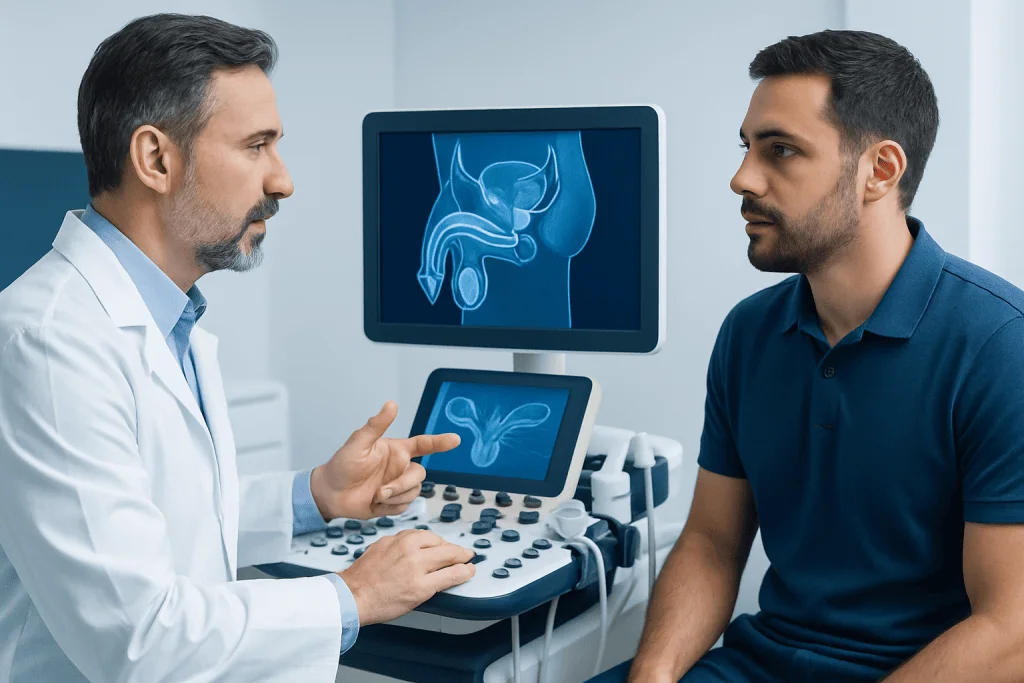
The testes make sperm and produce most of the body’s testosterone. Hormones from the brain, especially luteinizing hormone (LH) and follicle-stimulating hormone (FSH), signal the testes to support sperm development and hormone production. This coordination is sometimes called the hypothalamic-pituitary-gonadal axis.
Sperm production happens over time inside tiny tubes in the testes and continues throughout adult life, although it can slow with age or illness. Mature sperm then move into the epididymis, where they are stored and gain the ability to swim. During ejaculation, sperm travel through the vas deferens and mix with fluids from the prostate and seminal vesicles to form semen.
This process is very different from ovulation. Ovulation usually refers to one egg being released during a menstrual cycle. In contrast, sperm production is ongoing, and there is no monthly release event that serves the same role.
Men who have questions about fertility may benefit from learning more about the anatomy involved, especially if they have had surgery, injury, or infection affecting the reproductive tract.
Why People Ask if Men Ovulate

People may ask this question for several reasons. Some notice changes in mood, energy, sex drive, or sexual interest and wonder whether men have a hormonal cycle similar to ovulation. Others hear terms such as “male cycle” online and assume there may be a direct reproductive equivalent.
It is true that men can experience hormone fluctuations. Testosterone levels naturally vary during the day and may be affected by sleep, stress, body weight, illness, aging, medications, or alcohol use. However, these changes do not involve the release of an egg and are not considered ovulation.
Another reason for confusion is that fertility itself can vary. A man’s ability to conceive with a partner may change due to sperm count, sperm movement, hormone levels, heat exposure, or underlying health conditions. These are real medical issues, but they are separate from the concept of ovulation.
In short, there is no medical process known as male ovulation. If someone is noticing symptoms that seem hormone-related, it is more accurate to consider possible changes in testosterone, stress, sleep, or reproductive health rather than ovulation.
Male Hormones, Sperm Production, and Fertility
Male fertility depends on several factors working together. The brain must send the right hormone signals, the testes must be able to produce sperm, and the reproductive tract must transport sperm effectively. Testosterone supports sexual development, libido, muscle mass, and many aspects of reproductive function, but sperm production also depends on FSH and the local environment within the testes.
Healthy sperm production takes time and can be influenced by overall health. High fever, certain medications, smoking, heavy alcohol use, anabolic steroids, untreated sleep problems, and some chronic diseases can reduce sperm quality. Varicocele, infections, prior undescended testes, and hormone disorders may also affect fertility.
Some men have no obvious symptoms when fertility is reduced. Others may notice low sex drive, difficulty with erections, testicular discomfort, reduced body hair, fatigue, or trouble conceiving with a partner. In these cases, a doctor may evaluate for common causes of male infertility or hormone-related conditions.
If there are concerns about low testosterone, evaluation may include a discussion of symptoms, blood testing, and possible causes rather than assuming there is a monthly reproductive cycle. When treatment is appropriate, care should be individualized because fertility goals and hormone therapy do not always align.
Signs That May Point to a Reproductive or Hormonal Problem
Men do not ovulate, but some symptoms deserve attention because they can suggest an underlying reproductive or endocrine issue. The most common concern is difficulty helping achieve pregnancy after regular unprotected intercourse over time. Fertility problems may affect sperm count, sperm movement, or sperm delivery.
Other symptoms can include low sex drive, erectile dysfunction, reduced morning erections, breast enlargement, unexplained fatigue, loss of muscle mass, hot flashes, or changes in mood and concentration. Testicular pain, swelling, or a new lump should also be assessed promptly, since these are not normal signs of hormone fluctuation.
Sometimes urinary or sexual symptoms overlap with fertility concerns. Pain with ejaculation, blood in semen, or pelvic discomfort may suggest inflammation, infection, or a problem involving the prostate or reproductive tract. Erectile difficulties may also be part of a broader health picture and can be evaluated alongside erectile dysfunction treatment.
Persistent symptoms should not be self-diagnosed based on online descriptions of “male ovulation.” A qualified doctor can help identify whether the issue involves hormones, fertility, circulation, medication effects, or another medical condition.
How Doctors Evaluate Fertility and Hormone Concerns in Men
Evaluation usually starts with a medical history and physical examination. A doctor may ask about puberty, sexual function, past pregnancies, medications, surgeries, infections, family history, and lifestyle factors such as smoking, alcohol use, sleep, and heat exposure. This helps narrow down whether symptoms are more likely hormonal, anatomical, or related to general health.
When fertility is the main concern, semen analysis is often a key test. It assesses how many sperm are present, how well they move, and how they look under the microscope. Blood tests may measure hormones such as testosterone, LH, FSH, prolactin, and thyroid function when appropriate.
Imaging may be useful in some cases, especially if there is testicular pain, swelling, or suspicion of a structural problem. A doctor may also evaluate for treatable causes such as varicocele or obstruction. Depending on the findings, management may involve lifestyle changes, medication, hormone treatment, or fertility treatment for couples who are trying to conceive.
For international patients seeking coordinated care, Acibadem International offers evaluation and treatment through multidisciplinary specialists in JCI-accredited hospitals, including support for reproductive, endocrine, and urologic concerns.
What Helps Support Male Reproductive Health
Although men do not ovulate, there are practical ways to support sperm production and hormone health. General health habits matter because the reproductive system is sensitive to sleep, nutrition, weight changes, stress, and chronic disease. Improving everyday routines can benefit energy, sexual health, and fertility.
Helpful measures may include:
- Getting regular sleep and managing stress
- Maintaining a healthy weight
- Avoiding smoking and limiting alcohol
- Reviewing medications or supplements with a doctor
- Avoiding anabolic steroids unless medically prescribed and supervised
- Reducing prolonged heat exposure to the testicles when possible
- Seeking treatment for conditions such as diabetes, thyroid disease, or sleep apnea
Couples trying to conceive may also benefit from timed intercourse around the female partner’s fertile window, since ovulation occurs in the partner with ovaries, not in the man. If conception is not happening as expected, both partners should be considered for evaluation rather than assuming the issue lies with one person.
When a specific male-factor problem is found, treatment depends on the cause. Some men may need medication or hormone management, while others may be referred for urology treatment or reproductive specialist care.
When to Seek Medical Care
Medical care is worth seeking if a man has persistent symptoms such as low sex drive, erectile difficulties, infertility, breast enlargement, unexplained fatigue, or reduced body hair. Testicular pain, swelling, a lump, or sudden changes in sexual function should also be assessed. These symptoms are not signs of ovulation, but they can point to conditions that benefit from diagnosis and treatment.
Couples should consider a fertility evaluation if pregnancy has not occurred after a reasonable period of regular unprotected intercourse, especially if the man has known risk factors such as prior testicular surgery, chemotherapy, mumps after puberty, or a history of undescended testes. Earlier evaluation may be appropriate when symptoms are significant or the female partner is older or has known fertility concerns.
Urgent medical attention is important for severe testicular pain, rapid swelling, fever with scrotal symptoms, or a new hard testicular lump. These may indicate problems that should not wait. A clinician can explain the cause clearly and guide the next steps.
Frequently asked questions
Do men ovulate every month?
No. Men do not ovulate at all because ovulation is the release of an egg from an ovary. Men produce sperm continuously rather than through a monthly reproductive cycle.
Is there a male version of ovulation?
There is no direct male equivalent of ovulation in medical terms. Men can have hormone fluctuations, but these do not involve releasing an egg and are not part of a menstrual cycle.
Can men have hormonal cycles?
Hormone levels in men can vary over the course of the day and may change with age, sleep, stress, illness, and body weight. However, this is different from the regular ovarian cycle that leads to ovulation.
If men do not ovulate, what determines male fertility?
Male fertility depends mainly on sperm production, sperm quality, hormone balance, and the ability to deliver sperm during ejaculation. General health, medications, lifestyle factors, and reproductive tract conditions can all affect fertility.
Can low testosterone mean a man is not ovulating?
No, because men do not ovulate. Low testosterone may affect libido, energy, mood, and sometimes sperm production, but it is a separate issue that should be evaluated on its own medical terms.
When should a man see a doctor about fertility or hormones?
A doctor visit is a good idea for ongoing low sex drive, erectile dysfunction, trouble conceiving, breast enlargement, testicular pain, or other persistent symptoms. Early evaluation can help identify treatable causes and guide the right care.
This article is for general information only and is not a substitute for professional medical advice. Please consult a qualified doctor about your individual situation.
IVF & fertility treatment in Turkey — success rates and costs
JCI-accredited · board-certified surgeons · reply within 24h
Add us as a Preferred Source to see more of our trusted health content across Google Search, AI Overviews and Discover.
Check your numbers in seconds
BMI, calories, due date, blood pressure and 30+ more clinical calculators — free, instant, doctor-reviewed ranges.

More from the Health Library

Premenstrual Stress: A Complete Medical Overview

Bad Back and Diarrhea: What Patients Need to Know

Dry Skin Around Eyes: What Patients Need to Know

Bloody Snot — Explained by Medical Evidence, Not Myths

Facet Injections — Explained by Medical Evidence, Not Myths