Connective Tissue — Explained by Medical Evidence, Not Myths

Connective tissue includes collagen, elastin, fat, cartilage, bone, blood, and the matrix that holds cells together. Its main roles are support, protection, flexibility, healing, and transport within the body.
Key Takeaways
- Connective tissue includes collagen, elastin, fat, cartilage, bone, blood, and the matrix that holds cells together.
- Its main roles are support, protection, flexibility, healing, and transport within the body.
- Connective tissue problems may be inherited, autoimmune, degenerative, traumatic, or related to aging.
- Symptoms vary widely and can include joint pain, skin changes, unusual flexibility, swelling, fatigue, or poor wound healing.
- Diagnosis often combines a physical exam, family history, blood tests, and imaging, with specialist input when needed.
- Treatment depends on the cause and may include lifestyle measures, medicines, rehabilitation, and monitoring for organ involvement.
Connective tissue is the body's structural support network. It binds, cushions, protects, and repairs tissues throughout the body, so when it is affected by injury, inflammation, or inherited conditions, symptoms can involve the skin, joints, blood vessels, muscles, and internal organs.
Overview: what connective tissue is and why it matters
Connective tissue is the body’s internal framework. It supports organs, links structures together, cushions movement, stores energy, carries blood cells, and helps wounds heal. In simple terms, it is not one single organ or one single tissue type, but a broad family of tissues that hold the body together and help it function normally.
Medical evidence shows that connective tissue includes both cells and the material around them, called the extracellular matrix. This matrix contains proteins such as collagen and elastin, along with water and other substances that give tissues their strength, stretch, or shock-absorbing ability. Different combinations create bone, cartilage, tendons, ligaments, fat, blood, and the supportive layers around muscles, nerves, and organs.
Because connective tissue is found almost everywhere in the body, disorders affecting it can look very different from person to person. Some problems are mainly mechanical, such as a tendon strain. Others are systemic, meaning they can affect several body systems at once, such as autoimmune or inherited connective tissue diseases. Understanding this broad role helps explain why symptoms may involve much more than the joints alone.
Types and functions of connective tissue
Connective tissue is commonly grouped by its structure and function. Loose connective tissue helps hold organs and tissues in place. Dense connective tissue forms strong structures like tendons and ligaments. Specialized connective tissues include cartilage, bone, blood, and adipose tissue, also known as body fat.
Collagen is the main strength protein in many connective tissues. It helps skin stay firm, tendons resist pulling, and bones maintain structure. Elastin gives tissues stretch and recoil, which is important in skin, lungs, and blood vessel walls. The balance between these components affects how tissues tolerate movement, pressure, and aging.
Main functions of connective tissue include:
- Supporting and binding organs and body parts
- Protecting delicate structures
- Absorbing shock and reducing friction in movement
- Storing energy and insulating the body
- Transporting oxygen, nutrients, and immune cells through blood
- Helping repair and healing after injury
These functions explain why connective tissue health affects mobility, circulation, skin integrity, and recovery from everyday wear and tear. Even mild changes in these tissues can lead to pain, stiffness, swelling, or reduced physical function.
Symptoms and signs of connective tissue problems

Symptoms depend on which tissue is involved and whether the problem is local or systemic. A person with a tendon or ligament injury may mainly notice pain with movement, swelling, and weakness. Someone with a systemic connective tissue disorder may have symptoms affecting the skin, joints, muscles, blood vessels, lungs, kidneys, or digestive system.
Common symptoms and signs can include joint pain, stiffness, muscle aches, swelling, easy bruising, skin that is unusually stretchy or fragile, delayed wound healing, fatigue, and changes in flexibility. Some people have hypermobility, meaning joints move beyond the usual range. Others experience dry eyes, dry mouth, rashes, finger color changes in the cold, or chest symptoms if blood vessels or lungs are involved.
Not every symptom means a serious disease. Many connective tissue complaints are related to overuse, age-related wear, or temporary inflammation. However, persistent symptoms, recurring injuries, or symptoms involving several body systems deserve a medical assessment.
In children and young adults, inherited conditions may first appear as frequent sprains, unusual joint flexibility, scoliosis, skin differences, or a family history of similar traits. In adults, autoimmune conditions may develop more gradually with fatigue, stiffness, swelling, and organ-related symptoms over time.
Causes, risk factors, and common disorders
Connective tissue problems can develop for several reasons. Mechanical causes include overuse, repetitive strain, sports injuries, and age-related degeneration. Inflammatory and autoimmune causes occur when the immune system mistakenly targets the body’s own tissues. Genetic causes affect proteins such as collagen or elastin, changing how tissues are formed and maintained.
Risk factors vary by condition but may include family history, smoking, chronic inflammation, repetitive physical stress, obesity, aging, hormonal influences, and certain infections or medications. Sometimes there is no single clear cause. Instead, several risk factors interact over time.
Examples of connective tissue-related conditions include localized problems such as tendinopathy, ligament injuries, bursitis, and scarring. Systemic disorders include lupus, scleroderma, inflammatory muscle disease, mixed connective tissue disease, and inherited syndromes such as Marfan syndrome. Some people may also have hypermobility conditions that affect daily function even without major inflammation.
Because symptoms often overlap, diagnosis should not be based on myths or self-labeling alone. For example, joint flexibility by itself does not confirm a disease, and fatigue alone does not prove an autoimmune disorder. Careful medical evaluation is the most reliable way to distinguish temporary strain from a broader connective tissue condition.
How doctors diagnose connective tissue conditions
Diagnosis starts with a detailed history and physical examination. Doctors ask about pain patterns, stiffness, swelling, rashes, fatigue, injuries, flexibility, family history, and any symptoms involving the lungs, heart, kidneys, eyes, or digestive system. The examination may include joint movement, skin findings, muscle strength, circulation, and posture.
Blood tests can help look for inflammation, immune system activity, muscle injury, or organ involvement. Depending on the situation, a doctor may request autoantibody testing, complete blood count, kidney and liver function tests, or urinalysis. These results are interpreted alongside symptoms rather than in isolation, because a single abnormal test does not always equal disease.
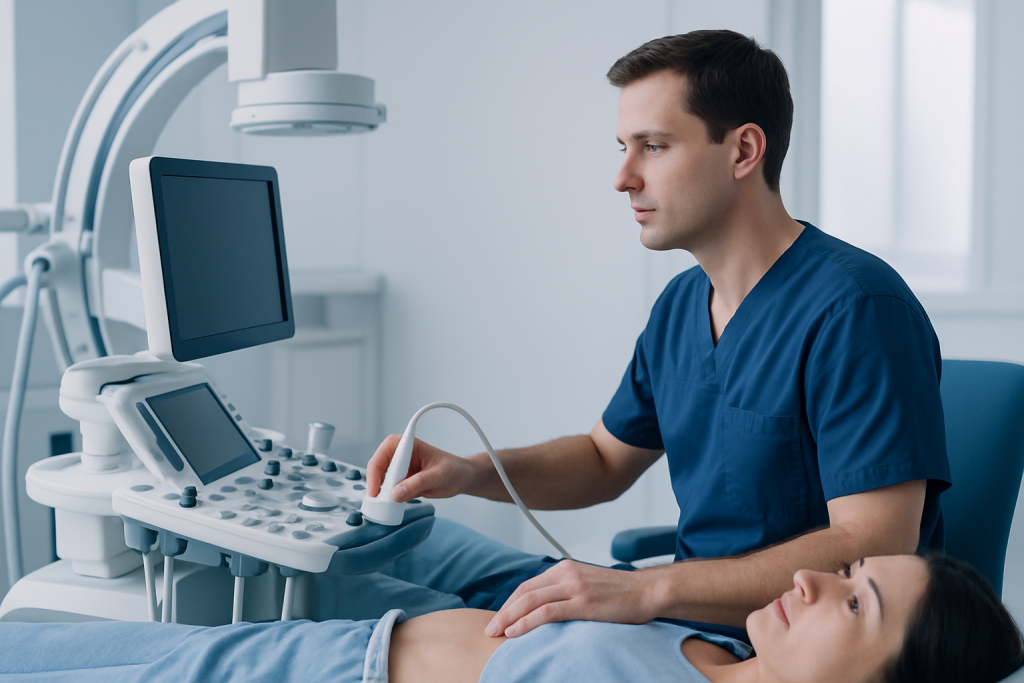
Imaging may be useful when structural damage or inflammation is suspected. X-rays can show bone and joint changes, while ultrasound or MRI may better assess tendons, ligaments, soft tissue, and inflammation. If a specialist needs a closer look at muscles, joints, or nerves, advanced imaging or additional tests may be recommended through MRI evaluation.
Some patients benefit from care by rheumatologists, orthopedists, cardiologists, dermatologists, or rehabilitation specialists, depending on the organs involved. In more complex cases, doctors may use genetic evaluation, echocardiography, lung function tests, or tissue biopsy to confirm the diagnosis and guide follow-up.
Treatment options and long-term management
Treatment depends on the cause, severity, and body systems involved. For injuries and overuse problems, care may include activity modification, structured exercise, pain relief, bracing when appropriate, and rehabilitation. For inflammatory or autoimmune disorders, treatment may include medicines to reduce inflammation, control immune activity, and protect organs. The goal is not only symptom relief, but also preserving daily function and preventing complications.
Rehabilitation plays an important role in many connective tissue conditions. A guided program can improve strength, posture, flexibility, balance, and joint protection. In people with pain or repeated injuries, physical therapy and rehabilitation can help reduce strain on vulnerable tissues and support safer movement patterns.
When joints are affected by chronic inflammation or damage, care may involve rheumatology and orthopedic input. Some patients need imaging-guided follow-up, injection-based treatments, or surgery for specific structural problems, while many improve with conservative measures. If a broader autoimmune process is suspected, evaluation through rheumatology care may help tailor monitoring and treatment.
Long-term management often includes regular review of symptoms, medication side effects, physical function, and any organ-related risks. A multidisciplinary approach is especially helpful for systemic disorders. Near the end of the care pathway, some international patients seek assessment at centers such as Acibadem International, where multidisciplinary specialists in JCI-accredited hospitals evaluate and treat connective tissue conditions according to the organs involved.
Prevention and self-care
Not all connective tissue disorders can be prevented, especially inherited or autoimmune conditions. Still, healthy habits can lower strain on tissues and support overall musculoskeletal health. Regular low-impact exercise, strength training suited to individual ability, balanced nutrition, good sleep, and avoiding smoking can all support tissue repair and joint function.
People with hypermobility or recurrent soft-tissue injuries may benefit from learning joint-protection strategies. These can include pacing activities, avoiding repeated extreme ranges of motion, using proper form during exercise, and building muscle strength to improve stability. Supportive footwear and ergonomic changes at work may also reduce stress on vulnerable structures.
Self-care is most helpful when it is practical and consistent:
- Stay physically active, but avoid sudden increases in intensity
- Warm up before exercise and recover well afterward
- Maintain a healthy body weight to reduce load on joints
- Eat a varied diet that supports bone and muscle health
- Protect skin and soft tissues from unnecessary trauma
- Keep follow-up appointments if a chronic condition is being monitored
It is best to avoid unproven claims that promise to “rebuild collagen” or “cure” systemic connective tissue disease quickly. Evidence-based care focuses on the specific diagnosis, symptom control, functional improvement, and prevention of complications.
When to seek medical care
Medical review is appropriate if joint pain, swelling, stiffness, or soft-tissue injuries keep returning, last more than a short time, or interfere with work, exercise, or sleep. A person should also seek care if symptoms involve several body systems, such as skin changes plus fatigue, joint symptoms, breathing issues, or circulation problems in the fingers.
Urgent medical attention is important for chest pain, sudden shortness of breath, severe weakness, unexplained fainting, rapid swelling, new neurologic symptoms, or signs of reduced blood flow to a limb. These symptoms do not always come from connective tissue disease, but they should not be ignored.
Early assessment can make a difference by clarifying whether the problem is a strain, a chronic musculoskeletal issue, or a systemic illness that needs specialist follow-up. A qualified doctor can help decide whether blood tests, imaging, rehabilitation, or specialist referral are the next best steps.
Frequently asked questions
What is connective tissue in simple terms?
Connective tissue is the material that supports, binds, cushions, and protects structures throughout the body. It includes tissues such as tendons, ligaments, cartilage, bone, fat, blood, and the supportive matrix around organs and muscles.
What are the most common symptoms of connective tissue problems?
Common symptoms include joint pain, stiffness, swelling, muscle aches, fatigue, skin changes, and repeated sprains or strains. In systemic conditions, symptoms can also affect blood vessels, lungs, kidneys, or other organs.
Are connective tissue disorders always inherited?
No. Some connective tissue disorders are inherited, while others are autoimmune, inflammatory, degenerative, or related to injury and overuse. A medical evaluation helps determine the likely cause in each individual case.
Can connective tissue heal itself?
Many connective tissues can heal, but the speed and quality of healing vary. Structures with a limited blood supply, such as tendons and ligaments, may recover more slowly than other tissues and often benefit from guided rehabilitation.
How do doctors test for connective tissue disease?
Doctors usually combine a physical examination with blood tests, imaging, and a review of family and symptom history. If needed, they may involve specialists such as rheumatologists, orthopedists, or genetic experts.
Can exercise help connective tissue health?
Yes, appropriate exercise often helps by improving muscle support, joint stability, circulation, and overall function. The best program depends on the diagnosis, because some people need strengthening and pacing rather than stretching alone.
References
- World Health Organization
- National Institutes of Health
- MedlinePlus
- American College of Rheumatology
- Mayo Clinic
This article is for general information only and is not a substitute for professional medical advice. Please consult a qualified doctor about your individual situation.
Joint and spine care in Turkey — expert assessment & treatment
JCI-accredited · board-certified surgeons · reply within 24h
Add us as a Preferred Source to see more of our trusted health content across Google Search, AI Overviews and Discover.
Check your numbers in seconds
BMI, calories, due date, blood pressure and 30+ more clinical calculators — free, instant, doctor-reviewed ranges.

More from the Health Library

Tubal Ligation Reversal: What Patients Need to Know

Ors for Electrolyte Imbalance: What Patients Need to Know

Vesicostomy: A Complete Medical Overview

Broken Nose — Explained by Medical Evidence, Not Myths

Temp Dental Filler: What Patients Need to Know