Contracted Gallbladder: What Patients Need to Know

The gallbladder normally contracts after eating, especially after a fatty meal. A contracted gallbladder on ultrasound is not automatically a disease or an emergency.
Key Takeaways
- The gallbladder normally contracts after eating, especially after a fatty meal.
- A contracted gallbladder on ultrasound is not automatically a disease or an emergency.
- Fasting before an ultrasound helps clinicians determine whether the finding is expected or may reflect chronic gallbladder disease.
- Gallstones and repeated inflammation can lead to a persistently contracted, poorly functioning gallbladder.
- Severe or persistent upper abdominal pain, fever, jaundice, or vomiting needs prompt medical assessment.
A contracted gallbladder means the gallbladder appears small and tightened rather than full of bile. This can be a normal finding after a meal, but it may also occur with gallstones or long-standing gallbladder inflammation and should be interpreted alongside symptoms and imaging results.
What does a contracted gallbladder mean?
A contracted gallbladder is a gallbladder that looks small, compressed, or nearly empty on an imaging test, most often an abdominal ultrasound. The gallbladder is a small sac beneath the liver that stores bile, a fluid made by the liver that helps the body digest fats. When food reaches the small intestine, the gallbladder normally squeezes bile into the digestive tract.
For this reason, a contracted gallbladder can be a normal temporary finding if a person has eaten recently. It may also be seen when the gallbladder has been repeatedly irritated or inflamed, often because of gallstones. The result should not be interpreted in isolation: the timing of meals, symptoms, blood tests, and other ultrasound features all help clarify its meaning.
If an ultrasound was performed without the recommended fasting period, the clinician may suggest repeating it after fasting. This allows the gallbladder to fill with bile and makes its wall, contents, and any stones easier to assess.
How the gallbladder normally works
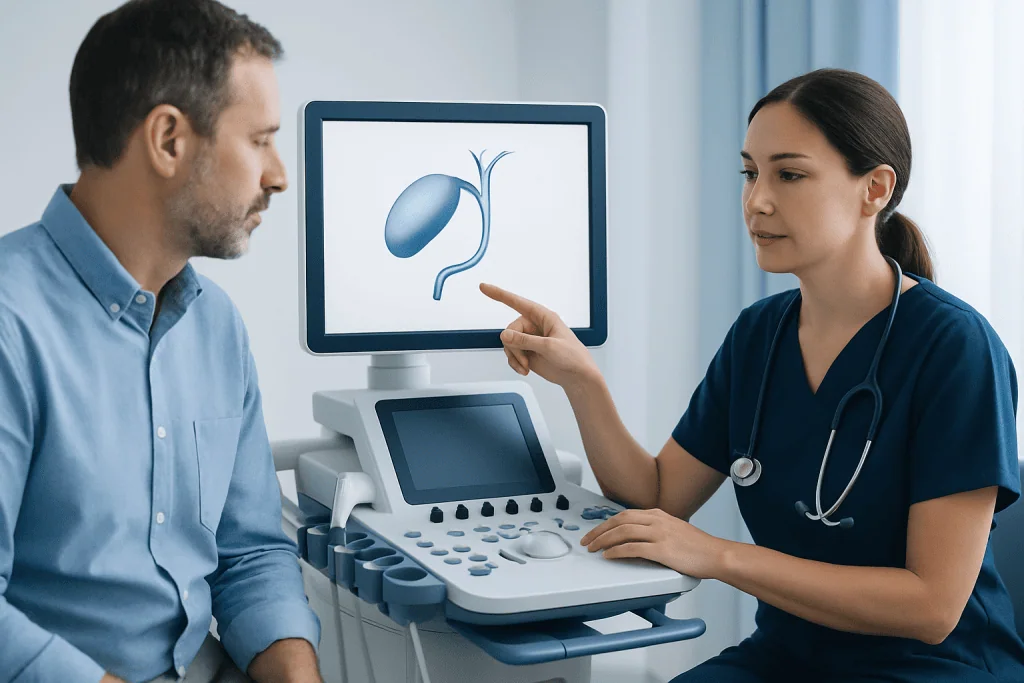
The liver produces bile continuously. Between meals, the gallbladder stores and concentrates this fluid. After a meal, particularly one containing fat, hormonal signals cause the gallbladder to contract and release bile through small ducts into the small intestine.
A healthy gallbladder therefore changes size during the day. It is generally fuller after a period of fasting and smaller after food has been eaten. This normal pattern is why patients are commonly asked not to eat for several hours before a gallbladder ultrasound.
When the gallbladder cannot fill normally despite fasting, or when it is scarred and chronically shrunken, clinicians look for an underlying reason. Common possibilities include stones, chronic inflammation, and less commonly other conditions affecting bile flow or gallbladder function.
Possible symptoms and what they can indicate

Some people with a contracted gallbladder have no symptoms. The finding may be discovered incidentally during imaging performed for another reason, especially if the person had eaten before the scan. In these cases, a clinician may simply review whether repeat fasting imaging is needed.
When symptoms are present, they are usually related to gallstones or gallbladder inflammation rather than to the small size itself. Typical symptoms can include pain or pressure in the upper right or upper middle abdomen, often after meals; nausea; bloating; indigestion; or discomfort that spreads to the right shoulder or back. Episodes may last from minutes to several hours.
A long-standing, poorly functioning gallbladder may be associated with repeated episodes of biliary pain. However, similar symptoms can also arise from acid reflux, stomach conditions, liver disorders, pancreas conditions, or bowel problems. A medical evaluation is important rather than assuming that all upper abdominal symptoms come from the gallbladder.
- Sudden, severe, or worsening pain may suggest a complication and needs urgent assessment.
- Fever, chills, or persistent vomiting can occur with inflammation or infection.
- Yellowing of the eyes or skin, dark urine, or pale stools may indicate impaired bile drainage.
Causes and factors linked with a persistently contracted gallbladder
The most frequent benign explanation is recent eating. If bile has been released after a meal, the gallbladder may look contracted on ultrasound. This is why fasting instructions are important and why an imaging report may note that assessment is limited when the gallbladder is not fully distended.
Gallstones are another common explanation. Stones can irritate the gallbladder or intermittently block its outlet, causing pain and inflammation. Repeated inflammation over time, sometimes called chronic cholecystitis, can lead to scarring and a small, less flexible gallbladder. More information about gallstones can help patients understand this frequent underlying condition.
Risk factors for gallstones include family history, increasing age, obesity, rapid weight loss, pregnancy, certain blood disorders, diabetes, and some medicines. Having a risk factor does not mean a person will develop gallstones, and many people with gallstones never have symptoms.
Less commonly, doctors may consider other causes when imaging or symptoms are atypical. These can include disorders affecting bile ducts, previous inflammation, or changes after certain treatments or operations. Further investigation is individualized and guided by the full clinical picture.
How doctors evaluate the finding
Abdominal ultrasound is usually the first test used to examine the gallbladder. It can show whether the gallbladder is distended or contracted, whether stones or sludge are present, whether the wall is thickened, and whether bile ducts appear enlarged. A fasting scan provides the clearest view in many cases.
A clinician will also ask about the location, timing, and duration of pain; the relationship to meals; nausea or vomiting; past episodes; medications; and relevant medical history. A physical examination may look for abdominal tenderness and signs of jaundice or systemic illness.
Blood tests may be used to check liver function, bile duct blockage, infection, or pancreatic irritation. If ultrasound does not explain ongoing symptoms, additional imaging or a gallbladder function study may be considered. The choice of test depends on the individual situation and is not necessary for everyone.
It is useful for patients to bring prior scan reports and note whether they followed fasting instructions. This helps the care team distinguish a normal post-meal contraction from a finding that deserves further evaluation.
Treatment depends on the cause and symptoms
A contracted gallbladder does not always require treatment. If it was seen after eating and there are no concerning symptoms, a clinician may recommend repeating the ultrasound while fasting or may simply interpret the result in context. Treatment is directed at the underlying condition, not solely at the description on the scan.
For people with gallstones but no symptoms, observation is often appropriate. If recurrent biliary pain, chronic inflammation, or complications are clearly linked to gallstones, doctors may recommend surgery to remove the gallbladder. This operation is called cholecystectomy and is commonly performed using minimally invasive techniques; patients can discuss gallbladder surgery with a qualified surgeon.
Acute inflammation, duct blockage, or infection may require hospital-based treatment, including fluids, pain relief, medicines, and sometimes urgent procedures. The timing and type of care depend on the severity of illness, imaging findings, and the person’s overall health.
Acibadem International’s multidisciplinary specialists and JCI-accredited hospitals evaluate gallbladder conditions and provide treatment planning for international patients. Decisions should always be made with a clinician who can review the person’s symptoms, tests, and medical history.
Everyday care while awaiting medical advice
Dietary changes cannot remove gallstones or reverse scarring in a chronically diseased gallbladder, but they may reduce meal-related discomfort for some people. Smaller meals and limiting foods that reliably trigger symptoms, such as very fatty or fried foods, may be helpful while a person is being assessed.
Regular meals, gradual weight changes, adequate hydration, and a balanced diet can support general digestive health. Rapid weight loss or very restrictive diets may increase the likelihood of gallstones in some people, so weight-management plans are best discussed with a healthcare professional.
Keeping a simple symptom record can be useful. Patients may note the time of pain, foods eaten, duration, severity, nausea or vomiting, fever, and any yellowing of the skin or eyes. This information can help a clinician identify patterns and decide whether further testing is needed.
Over-the-counter medicines should not be used to mask severe or recurring abdominal pain without medical advice. People with known liver disease, kidney disease, pregnancy, medication allergies, or other health conditions should ask a clinician or pharmacist before taking pain-relief medicines.
When to seek medical care
People should arrange a medical appointment if they have repeated upper abdominal pain, pain after meals, persistent nausea, or an imaging report describing a contracted gallbladder that has not been explained. A clinician can determine whether the finding is related to fasting status, gallstones, chronic inflammation, or another digestive issue.
Urgent medical care is appropriate for severe or constant abdominal pain, pain lasting several hours, fever or chills, repeated vomiting, faintness, or new jaundice. These symptoms can occur when a stone blocks a duct or when there is significant gallbladder inflammation or infection.
Prompt assessment is also important for dark urine, pale stools, confusion, inability to keep fluids down, or symptoms in someone who is pregnant, older, or living with significant medical conditions. Early evaluation can help identify complications and guide safe care.
Frequently asked questions
Is a contracted gallbladder dangerous?
Not necessarily. The gallbladder normally contracts after eating, so this can be an expected ultrasound finding. It becomes more clinically important when it persists after fasting or occurs with pain, gallstones, inflammation, fever, or jaundice.
Can a contracted gallbladder return to normal size?
If it is contracted because of a recent meal, it will usually refill with bile during fasting. A gallbladder that is chronically scarred from repeated inflammation may not expand normally. A fasting ultrasound can help clarify the difference.
Does a contracted gallbladder always mean gallstones?
No. Recent eating is a common reason the gallbladder appears contracted on imaging. Gallstones are an important possible cause, particularly when the finding is accompanied by recurrent pain or signs of chronic inflammation.
Why is fasting needed before a gallbladder ultrasound?
Fasting helps the gallbladder fill with bile, making it easier to see its shape, wall, and contents. Eating causes the gallbladder to squeeze, which can make the scan harder to interpret. The imaging center will provide specific fasting instructions.
Can diet cure a contracted gallbladder?
Diet cannot remove gallstones or repair a gallbladder that has become scarred from chronic inflammation. However, avoiding personal food triggers and limiting high-fat meals may reduce discomfort for some people. Persistent or recurring symptoms should be assessed by a doctor.
When is gallbladder removal considered?
Removal may be considered when gallstones cause repeated biliary pain, inflammation, blockage, or other complications. It is not usually recommended solely because an ultrasound report says the gallbladder is contracted. A surgeon will weigh symptoms, imaging results, and overall health before recommending treatment.
References
- National Institute of Diabetes and Digestive and Kidney Diseases
- National Health Service
- American College of Gastroenterology
- Society of American Gastrointestinal and Endoscopic Surgeons
- Merck Manual Consumer Version
This article is for general information only and is not a substitute for professional medical advice. Please consult a qualified doctor about your individual situation.
Explore treatments in Turkey — costs, top hospitals & a free quote
JCI-accredited · board-certified surgeons · reply within 24h
Add us as a Preferred Source to see more of our trusted health content across Google Search, AI Overviews and Discover.

More from the Health Library

Body Image — Explained by Medical Evidence, Not Myths

Black Butts: What Patients Need to Know

Chia Seeds Benefits — Explained by Medical Evidence, Not Myths

Terrible Twos: What Patients Need to Know

Neck Artery: What Patients Need to Know