COPD: Symptoms, Diagnosis, and Treatment Planning

Learn about COPD symptoms, diagnosis, risk factors, treatment planning, self-care, and when to seek medical advice.
Key Takeaways
- COPD is usually caused by long-term irritation of the lungs, most often from smoking, but other exposures and genetic factors can contribute.
- Common symptoms include persistent cough, mucus production, wheezing, shortness of breath, and reduced exercise tolerance.
- Spirometry is the key test used to confirm COPD and assess airflow limitation.
- Treatment planning may include smoking cessation support, inhaled medicines, vaccinations, pulmonary rehabilitation, oxygen therapy for selected patients, and flare-up action plans.
- People with worsening breathlessness, new chest pain, blue lips, confusion, or severe symptoms should seek urgent medical care.
COPD is a long-term lung condition that makes breathing progressively more difficult, but early diagnosis and a personalized treatment plan can help people stay active and reduce flare-ups. Understanding symptoms, risk factors, testing, and day-to-day care supports safer decisions and better quality of life.
Overview
Chronic obstructive pulmonary disease, commonly called COPD, is a long-term condition in which airflow in and out of the lungs becomes limited. It usually develops gradually over many years. The two main patterns are chronic bronchitis, which involves long-term airway inflammation and mucus production, and emphysema, which involves damage to the air sacs where oxygen enters the blood.
COPD is not simply a normal part of aging. It is a medical condition that can be assessed, monitored, and treated. Although lung changes may not be fully reversible, many people can breathe more comfortably, reduce flare-ups, and maintain daily activities with the right care plan.
A helpful way to understand COPD is to think of it as a condition with stable periods and episodes of worsening symptoms, often called exacerbations or flare-ups. Treatment planning focuses on daily symptom control, preventing flare-ups, protecting lung function, and supporting the person’s overall health.
COPD Symptoms
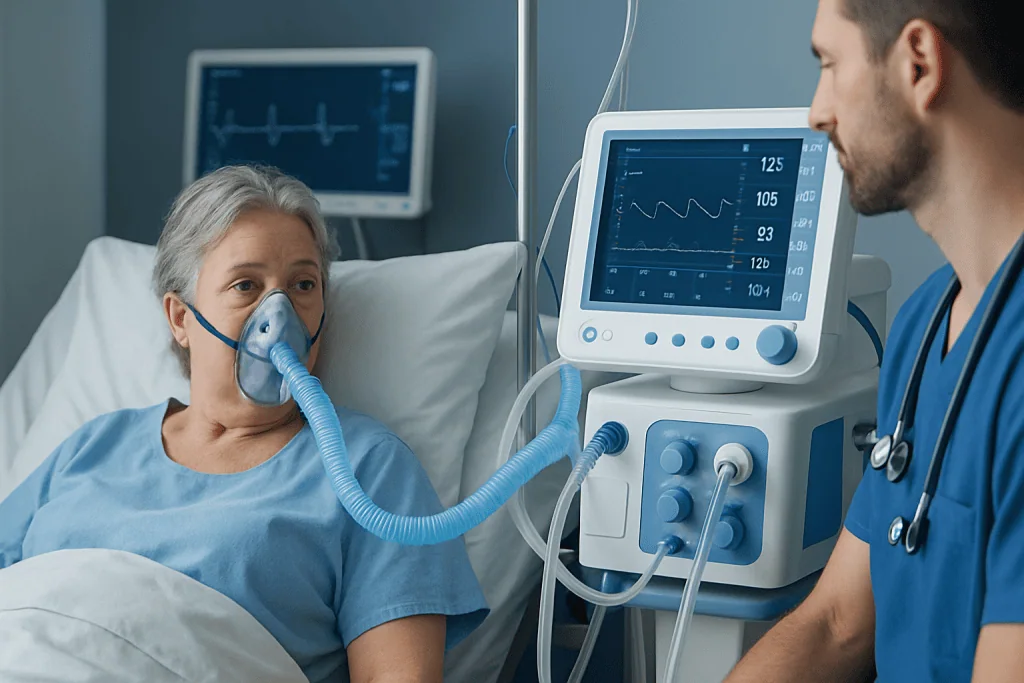
COPD symptoms often start mildly and may be overlooked at first. A person may notice that climbing stairs, walking uphill, or carrying groceries feels more difficult than before. Over time, breathlessness can become more noticeable during routine activities.
Common COPD symptoms include persistent cough, increased mucus or phlegm, wheezing, chest tightness, and shortness of breath. Some people have frequent respiratory infections or feel unusually tired because breathing requires more effort. Symptoms may vary from day to day and can worsen during cold weather, air pollution, or infections.
Typical signs and symptom patterns may include:
- A cough that lasts for weeks or months, especially in the morning
- Clear, white, yellow, or greenish mucus
- Breathlessness during activity or, in more advanced disease, at rest
- Whistling or noisy breathing
- Reduced ability to exercise or complete usual tasks
- Episodes when symptoms suddenly become worse than usual
Because COPD symptoms can overlap with asthma, heart disease, lung infections, and other conditions, a medical evaluation is important. A doctor can identify the cause and recommend appropriate testing rather than relying on symptoms alone.
Causes and Risk Factors
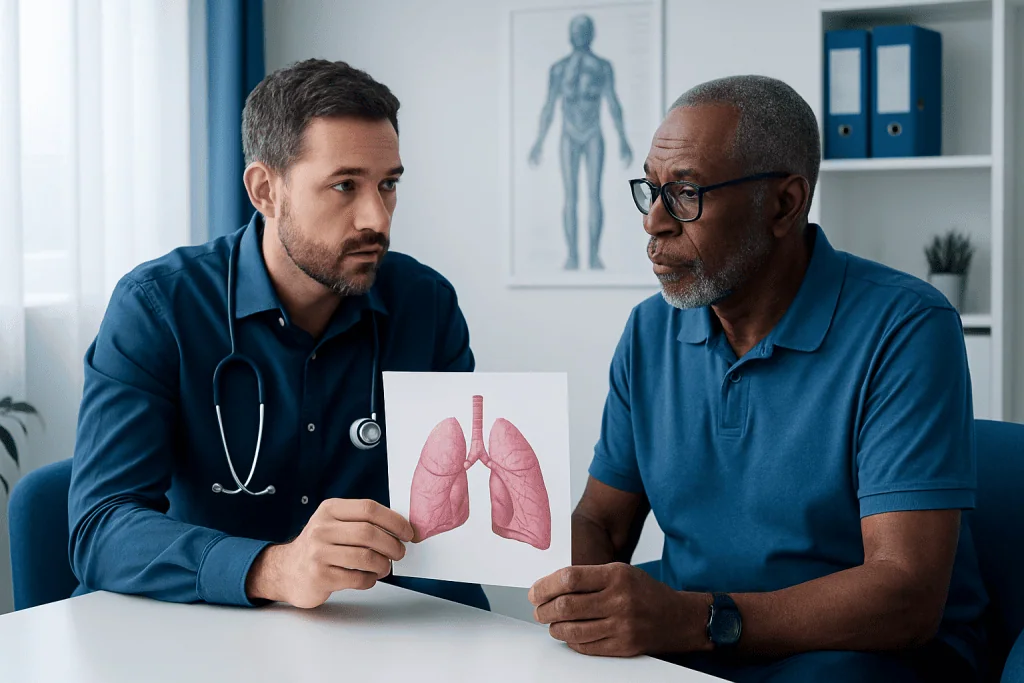
The most common cause of COPD is long-term exposure to substances that irritate and inflame the lungs. Cigarette smoking is the leading risk factor, including current and former smoking. However, COPD can also occur in people who have never smoked, especially when other exposures or inherited risks are present.
Other risk factors include long-term exposure to secondhand smoke, air pollution, dust, chemical fumes, biomass fuel smoke, and workplace irritants. Repeated respiratory infections, poor lung development in childhood, and a history of asthma may also increase vulnerability in some individuals.
A less common but important inherited cause is alpha-1 antitrypsin deficiency. This genetic condition can lead to emphysema at a younger age, sometimes even in people with little or no smoking history. Testing may be recommended for people with early-onset COPD, a family history, or disease patterns that suggest this condition.
Risk factors do not determine a person’s future with certainty. Reducing exposures, stopping smoking, staying vaccinated, and following a structured care plan can help slow progression and lower the risk of flare-ups.
Diagnosis and Tests
COPD diagnosis begins with a careful medical history and physical examination. The doctor asks about symptoms, smoking history, occupational and environmental exposures, previous lung infections, family history, and how breathlessness affects daily life. Listening to the lungs may reveal wheezing or reduced breath sounds, but a physical exam alone cannot confirm COPD.
Spirometry is the key test used to diagnose COPD. During spirometry, the person takes a deep breath and blows forcefully into a device that measures airflow. The test helps determine whether airflow obstruction is present and how severe it is. Sometimes a bronchodilator medicine is given during testing to see how much the airways improve afterward.
Additional tests may be used to understand the full picture. A chest X-ray or CT scan may help evaluate lung structure and rule out other conditions. Pulse oximetry or arterial blood gas testing may assess oxygen levels when needed. Blood tests, sputum testing, electrocardiography, or heart evaluation may be recommended if symptoms suggest infection, anemia, heart disease, or another contributing problem.
Diagnosis is also about classifying risk and planning care. Doctors may ask about flare-up history, hospital visits, symptom burden, exercise capacity, and other medical conditions. This information guides treatment choices and follow-up frequency.
Treatment Options and Planning
COPD treatment is personalized. The goal is to reduce symptoms, improve exercise tolerance, prevent flare-ups, and support long-term health. A treatment plan may change over time based on symptoms, test results, side effects, flare-up history, and the person’s goals and daily routine.
For people who smoke, stopping smoking is the most important step to protect lung health. Doctors can offer counseling, nicotine replacement options, and prescription medicines when appropriate. Avoiding secondhand smoke, fumes, and indoor or outdoor pollution also matters.
Medicines commonly used in COPD include inhaled bronchodilators, which help relax airway muscles and improve airflow. Some people may also benefit from inhaled anti-inflammatory medicines, especially if they have frequent flare-ups or features that overlap with asthma. Correct inhaler technique is essential; many people benefit from a demonstration and periodic review.
Other parts of a COPD plan may include pulmonary rehabilitation, vaccinations, nutrition support, exercise guidance, breathing techniques, and an action plan for flare-ups. Oxygen therapy is prescribed only for selected people with persistently low oxygen levels. In advanced cases, specialist procedures or surgery may be considered for carefully selected patients after detailed evaluation.
Prevention and Self-Care
Self-care is a central part of living well with COPD. It does not replace medical treatment, but it helps people recognize changes early and maintain strength. A practical plan may include daily movement, balanced nutrition, hydration, good sleep habits, and avoiding respiratory irritants.
Pulmonary rehabilitation is one of the most helpful non-medicine treatments for many people with COPD. It usually combines supervised exercise, breathing strategies, education, and confidence-building. Techniques such as pursed-lip breathing may help some people manage breathlessness during activity, although they should be taught and practiced correctly.
Important prevention and self-care steps include:
- Stopping smoking and avoiding secondhand smoke
- Receiving recommended vaccines, such as influenza, pneumococcal, and other vaccines advised by a doctor
- Using inhalers exactly as prescribed and checking technique regularly
- Keeping a written flare-up action plan
- Staying physically active within safe limits
- Monitoring changes in cough, mucus, breathing, and energy level
People with COPD should also manage other health conditions, such as heart disease, diabetes, anxiety, depression, sleep problems, or osteoporosis. These conditions can affect breathing, stamina, and treatment choices, so coordinated care is valuable.
When to See a Doctor
A person should arrange a medical appointment if they have a long-lasting cough, regular mucus production, wheezing, or breathlessness that limits activities. This is especially important for current or former smokers, people exposed to dust or fumes, or anyone with repeated chest infections.
People already diagnosed with COPD should contact their healthcare provider if symptoms become more frequent, medicines seem less effective, exercise tolerance declines, or flare-ups occur. A review may identify inhaler issues, infection, medication side effects, oxygen needs, or another condition that requires attention.
Urgent medical care is needed if breathlessness is severe or rapidly worsening, lips or fingertips look blue or gray, confusion or extreme drowsiness occurs, chest pain develops, or the person cannot speak in full sentences because of shortness of breath. These symptoms need prompt assessment.
For international patients, Acibadem International provides evaluation and treatment for COPD through multidisciplinary specialists and JCI-accredited hospitals. As with any respiratory condition, care should be guided by a qualified doctor who can review the person’s history, tests, and individual needs.
Frequently asked questions
Is COPD the same as asthma?
No. COPD and asthma can both cause wheezing, cough, and shortness of breath, but they are different conditions with different patterns and treatment approaches. Some people have features of both, which is why lung function testing and medical assessment are important.
Can COPD be cured?
COPD is generally considered a chronic condition, and existing lung damage may not be fully reversible. However, treatment can significantly improve symptoms, reduce flare-ups, and help many people stay active. Early diagnosis and consistent care are especially helpful.
What test confirms COPD?
Spirometry is the main test used to confirm COPD. It measures how much air a person can exhale and how quickly they can blow it out. Doctors may also order imaging or blood tests to assess severity and rule out other causes of symptoms.
Do all people with COPD need oxygen?
No. Oxygen therapy is prescribed only for people whose oxygen levels remain low according to medical testing. Using oxygen when it is not needed does not usually help and should not be started without a doctor’s assessment.
Can exercise be safe with COPD?
Yes, many people with COPD benefit from regular, appropriate exercise. Activity should be matched to the person’s ability and medical condition. Pulmonary rehabilitation can provide supervised exercise and education in a safe, structured setting.
What is a COPD flare-up?
A flare-up is a period when COPD symptoms become worse than usual, often with more breathlessness, cough, or mucus. Infections, air pollution, smoke, and other triggers can contribute. A written action plan helps people know when to adjust care and when to contact a doctor.
This article is for general information only and is not a substitute for professional medical advice. Please consult a qualified doctor about your individual situation.
Explore treatments in Turkey — costs, top hospitals & a free quote
JCI-accredited · board-certified surgeons · reply within 24h
Add us as a Preferred Source to see more of our trusted health content across Google Search, AI Overviews and Discover.

Pulmonary Medicine Specialists at Acibadem

Assoc. Prof. Dr. Murat Sezer
Pulmonary Medicine
Prof. Dr. Muzaffer Metintaş
Pulmonary Medicine
Dr. Nihal Özşeker
Pulmonology
Assoc. Prof. Dr. Nilüfer Aykaç
Pulmonary Medicine