

Coping with Ovarian Cancer Treatment Side Effects: What to Expect and How to Manage
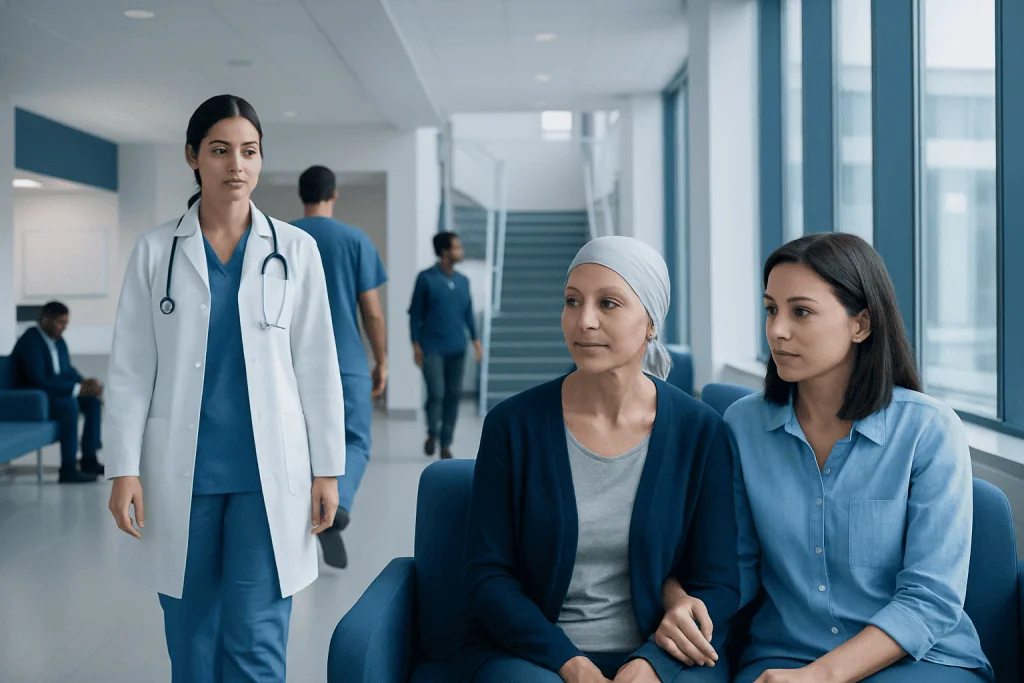
Side effects vary by treatment type, dose, overall health and individual response. New or worsening symptoms should be reported promptly rather than managed alone.
Key Takeaways
- Side effects vary by treatment type, dose, overall health and individual response.
- New or worsening symptoms should be reported promptly rather than managed alone.
- Supportive care may include medicines, nutrition support, rehabilitation, mental health care and symptom monitoring.
- Treatment plans are individualized and may change according to cancer stage, pathology, genetic results and treatment response.
- Urgent symptoms such as fever during chemotherapy, breathing difficulty, severe pain or uncontrolled vomiting need prompt medical assessment.
Coping with ovarian cancer treatment side effects is easier when symptoms are discussed early with the oncology team and managed with individualized supportive care. Surgery, chemotherapy, targeted therapy and other treatments can affect people differently, but many side effects can be prevented, reduced or treated.
Overview: coping with ovarian cancer treatment side effects
Coping with ovarian cancer treatment side effects usually starts with knowing what may happen, tracking symptoms and contacting the cancer care team early. Many effects of treatment, including nausea, fatigue, bowel changes, pain, low blood counts and emotional distress, can be relieved with supportive medicines, rehabilitation, dietary adjustments and practical planning.
Ovarian cancer treatment may involve surgery, chemotherapy, targeted medicines, hormone therapy in selected cases, immunotherapy in limited situations or a combination of approaches. The treatment plan depends on the cancer type, stage, molecular and genetic findings, previous treatment, personal goals and general health. A care team can explain which effects are most likely with a specific regimen and how to prepare.
Supportive care is not separate from cancer care. It is an important part of treatment from diagnosis onward and focuses on comfort, function, nutrition, emotional wellbeing and safety. Keeping a short symptom diary, including timing, severity and what improves or worsens symptoms, can help clinicians tailor care.
What treatments may involve and who may receive them
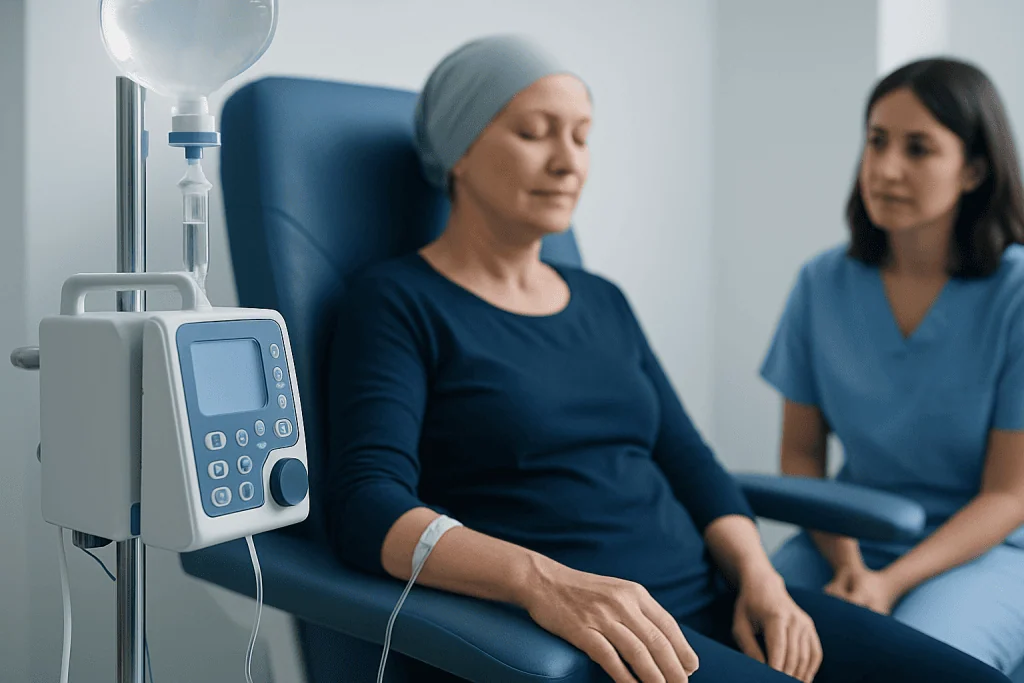
Surgery is commonly used to diagnose, stage and treat ovarian cancer. The operation may remove one or both ovaries, the fallopian tubes, uterus, omentum and visible tumor deposits, depending on the situation. The goal is often to remove as much visible cancer as safely possible; this is sometimes called cytoreductive or debulking surgery.
Chemotherapy, often using platinum-based medicines and taxanes, may be given before surgery, after surgery or for recurrent disease. Some people may also be candidates for targeted treatments, including medicines that affect tumor blood vessels or PARP inhibitors for certain tumor or inherited genetic features. Eligibility is assessed through pathology, imaging, blood tests, genetic counseling and discussion of expected benefits and risks.
Before treatment begins, the multidisciplinary team reviews fitness for treatment, other health conditions, medicines, fertility and menopause concerns, nutritional status and personal preferences. A specialist may recommend ovarian cancer treatment that combines surgery and systemic therapy in a sequence suited to the individual.
No two plans are identical. Some people need treatment quickly, while others need time for further testing, recovery from an operation or optimization of other medical conditions. Questions about the intended purpose of treatment, likely side effects and available alternatives are appropriate at every stage.
How treatment is delivered: steps, benefits and risks
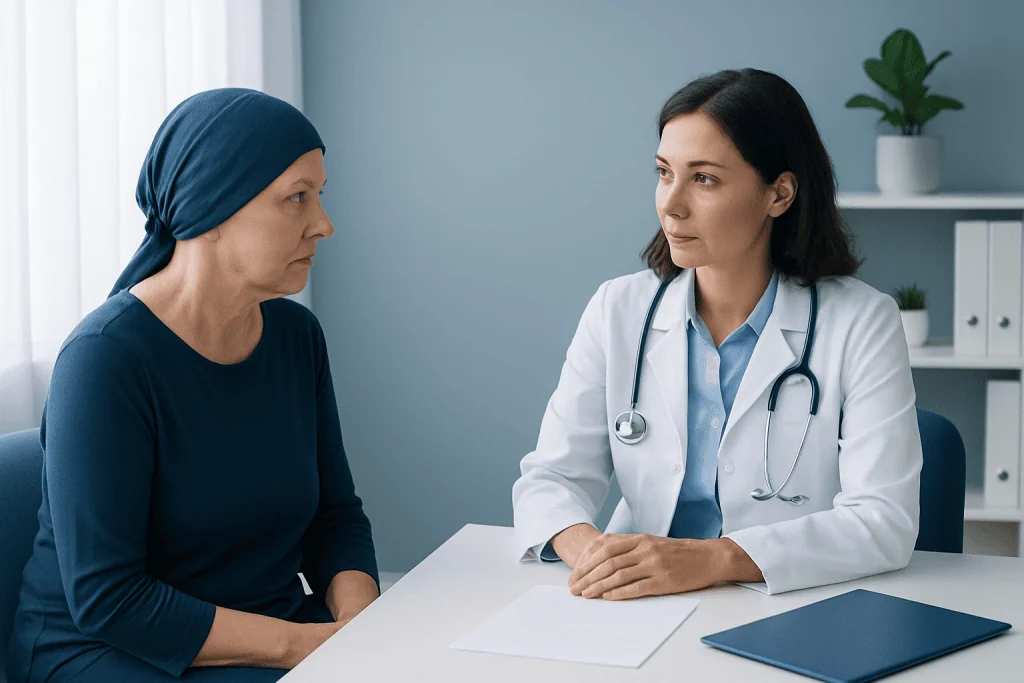
For surgery, the process generally includes pre-operative assessment, anesthesia planning, the operation itself and inpatient recovery. Depending on the extent of surgery and the person’s health, recovery may include pain management, prevention of blood clots, gradual return to eating and movement, and wound monitoring. Pathology results from surgery help guide any further treatment.
Chemotherapy is commonly delivered in repeating cycles with rest periods between them. Before each cycle, clinicians may review symptoms, blood counts, kidney and liver function, and any treatment-related problems. Infusion visits vary in length, and some medicines are taken by mouth at home. Dose timing or dose intensity may be adjusted if side effects become unsafe or significantly affect daily life.
Potential benefits include reducing or controlling cancer, easing cancer-related symptoms and lowering the chance of recurrence in appropriate settings. Risks depend on the treatment but may include infection from low white blood cells, anemia, bleeding risk from low platelets, nerve symptoms, digestive problems, blood clots, surgical complications and treatment-specific effects on organs such as the kidneys, heart or liver.
The clinical team weighs these benefits and risks throughout care. It is important not to skip appointments, stop prescribed medicines or use supplements without discussing them with the oncology team, because some products can interact with treatment or increase bleeding risk.
Common side effects and practical ways to manage them
Fatigue is one of the most common concerns. It can be caused by treatment, anemia, sleep disruption, pain, reduced food intake, infection or emotional strain. A balance of planned rest and gentle activity, such as short walks or clinician-approved exercises, often supports recovery better than complete inactivity. The care team may check for treatable contributors such as anemia, thyroid problems, dehydration or depression.
Nausea, vomiting, appetite loss and changes in taste can occur with chemotherapy and other medicines. Antinausea medicines work best when used as directed, including before symptoms become severe. Small, frequent meals, cool foods, adequate fluids and a referral to an oncology dietitian may help. Persistent vomiting, inability to keep fluids down or rapid worsening should be reported promptly.
Constipation, diarrhea, bloating and abdominal discomfort may arise from surgery, medicines, changes in diet or the cancer itself. Hydration, gentle movement and individualized dietary changes can help, but laxatives, antidiarrheal medicines and fiber supplements should be used with clinical guidance. Severe abdominal pain, marked swelling, repeated vomiting or inability to pass stool or gas requires urgent assessment because bowel obstruction is possible in some people with ovarian cancer.
Hair loss, skin changes, mouth soreness and changes in nails can affect confidence and comfort. Soft oral care, a soft toothbrush, avoiding irritating mouthwashes, sun protection and asking about scalp cooling, wigs, head coverings or dermatology support may be useful. Hair commonly begins to regrow after chemotherapy ends, although texture or color may initially be different.
Some chemotherapy medicines can cause peripheral neuropathy, experienced as tingling, numbness, burning, pain or reduced sensitivity in the hands and feet. Early reporting is important because treatment adjustments and symptom-relief strategies may prevent worsening. Taking care to avoid falls, burns and injuries is especially important when sensation is reduced.
Living with ovarian cancer: recovery, relationships and daily routines
Living with ovarian cancer may involve periods of active treatment, recovery, surveillance and, for some people, treatment for recurrent disease. A realistic routine can protect energy: prioritize essential activities, break tasks into smaller steps, accept practical help and schedule recovery time after appointments. Returning to work, travel, driving and exercise should be discussed individually, particularly after surgery or when fatigue is significant.
Recovery after ovarian cancer surgery varies considerably. In the first days and weeks, people may have pain, tiredness, reduced appetite, bowel changes and limited mobility. Healing after more extensive abdominal surgery may take several weeks or longer. The surgical team will provide individualized guidance about wound care, lifting, bathing, activity, sexual activity and when to resume normal routines.
Body image, menopause symptoms, fertility concerns and changes in sexual wellbeing are common and valid issues to raise. Vaginal dryness, discomfort, low desire and fear of pain can be addressed with the oncology team, gynecology specialist, pelvic-floor physiotherapist or sexual health counselor. Whether hormone therapy is appropriate depends on the ovarian cancer type and individual medical circumstances.
Emotional responses can include worry, sadness, anger, uncertainty and difficulty concentrating. Counseling, support groups, psycho-oncology services, spiritual care and trusted family or friends can all be helpful. Acibadem International’s multidisciplinary specialists and JCI-accredited hospitals support international patients with diagnosis, treatment and coordinated supportive care for ovarian cancer.
How quickly do ovarian cancers grow?
Ovarian cancers do not all grow at the same rate. Growth depends on the specific tumor type, grade, molecular features and the person’s biology. Some ovarian tumors are relatively slow-growing, while many high-grade epithelial ovarian cancers can grow and spread more quickly.
Symptoms alone cannot reliably show how fast a cancer is growing. Imaging, tumor marker trends when relevant, physical examination and pathology findings provide a clearer picture. A clinician can explain what is known about an individual tumor and why a particular treatment timeline is recommended.
Because ovarian cancer symptoms can be nonspecific, persistent bloating, pelvic or abdominal pain, feeling full quickly, urinary urgency or changes in bowel habits should be medically assessed, especially when they are new, frequent or worsening. These symptoms are common and often have non-cancer causes, but evaluation is important.
What are the current management guidelines for ovarian cancer?
Current management guidelines emphasize care by a gynecologic oncology team, accurate pathology review, staging assessment and treatment tailored to the tumor type and extent of disease. For many epithelial ovarian cancers, the main treatment approach includes surgery and platinum-based chemotherapy, with the order determined by resectability, health status and the likelihood of safely removing visible disease.
Guidelines also recommend genetic counseling and testing for many people with epithelial ovarian cancer, including testing for inherited BRCA-related changes and tumor testing that may help guide targeted treatment decisions. Results can influence maintenance therapy options and may have implications for relatives, who can seek counseling about their own risk.
After initial treatment, follow-up commonly includes symptom review, examination and selected tests based on the clinical situation. Imaging is usually used when symptoms, examination findings or laboratory changes raise concern rather than as a replacement for clinical follow-up. Recurrence management is individualized and may include additional systemic therapy, selected surgery, symptom-directed care and clinical trial discussion.
Guidelines are updated as evidence develops. People can ask their oncology team which professional guidance informs their plan and whether consultation with a gynecologic oncologist or a second opinion would be useful.
When to seek medical care
People receiving chemotherapy should contact their oncology team promptly for fever or chills, especially if the temperature reaches the threshold provided by their treatment center. Fever can be a sign of infection when white blood cell counts are low and should not be managed with over-the-counter fever medicines before speaking with the care team unless they have been specifically instructed otherwise.
Urgent medical care is also needed for trouble breathing, chest pain, sudden confusion, fainting, heavy bleeding, a swollen or painful leg, severe or worsening abdominal pain, repeated vomiting, signs of dehydration, or uncontrolled diarrhea. These symptoms do not always mean a serious complication, but they require timely assessment.
Contact the team soon for new numbness or weakness, painful mouth sores, worsening rash, problems with a surgical wound, inability to eat adequately, distress that is difficult to manage, or any side effect interfering with daily activities. Early support can reduce discomfort and help treatment continue as safely as possible.
Regular communication is one of the most effective tools for coping with ovarian cancer treatment side effects. The cancer care team can provide an after-hours contact number and clear instructions for symptoms that require urgent evaluation.
Frequently asked questions
How to live with ovarian cancer?
Living with ovarian cancer usually involves combining medical treatment with symptom management, follow-up care and emotional support. Planning rest, maintaining safe activity, eating as well as possible and asking for help with daily tasks can make treatment periods more manageable. A cancer care team can also arrange dietetic, rehabilitation, pain, fertility, menopause and mental health support.
How was your ovarian cancer cured?
Whether ovarian cancer can be described as cured depends on the cancer type, stage, treatment response and length of time without evidence of disease. Many people are treated with surgery and chemotherapy, and some may receive maintenance treatment afterward. Clinicians may use terms such as remission or no evidence of disease, while continuing follow-up because recurrence can occur.
What are the current management guidelines for ovarian cancer?
Guidelines generally recommend management by a gynecologic oncology team, appropriate surgery when feasible, platinum-based chemotherapy for many epithelial ovarian cancers and genetic or tumor testing to guide targeted options. Follow-up and treatment for recurrence are individualized. The treating team can explain how current guidelines apply to a person’s cancer subtype and health needs.
How long do ovarian cancer treatment side effects last?
Some effects, such as nausea or fatigue after chemotherapy, may improve between cycles or in the weeks after treatment finishes. Surgical recovery often takes several weeks, while neuropathy, menopause symptoms or fatigue may last longer in some people. Persistent symptoms should be assessed because treatment and rehabilitation options may help.
Can ovarian cancer treatment side effects be prevented?
Not all side effects can be prevented, but many can be reduced through pre-treatment assessment, preventive medicines, careful monitoring and early reporting. For example, antinausea medicines, infection precautions, nutrition support and medication adjustments may reduce treatment burden. The best preventive plan depends on the treatment being used.
Should supplements be used during ovarian cancer treatment?
Supplements should only be started after discussion with the oncology team. Some vitamins, herbal products and concentrated antioxidants can interact with cancer medicines, affect bleeding or alter how treatments are processed. A dietitian can help identify safe ways to meet nutritional needs through food and, when appropriate, prescribed supplements.
References
- National Cancer Institute
- American Cancer Society
- National Comprehensive Cancer Network
- European Society for Medical Oncology
- Centers for Disease Control and Prevention
This article is for general information only and is not a substitute for professional medical advice. Please consult a qualified doctor about your individual situation.
Ovarian Cancer in Turkey — costs, top hospitals & a free quote
JCI-accredited · board-certified surgeons · reply within 24h
Add us as a Preferred Source to see more of our trusted health content across Google Search, AI Overviews and Discover.

More from the Health Library



Related Specialists
Dr. Emir Akıncıoğlu
Urology
Prof. Dr. Rezan Topaloğlu
Pediatric Nephrology
Prof. Dr. Alper Kaya
Orthopedic Surgery & Traumatology
Dr. Mehmet Behram Çam
Otorhinolaryngology