Corn on Finger — Explained by Medical Evidence, Not Myths

A corn on finger most often forms because of repeated rubbing or pressure on the skin. It can look like a small, hard, well-defined thickened area and may feel tender when pressed.
Key Takeaways
- A corn on finger most often forms because of repeated rubbing or pressure on the skin.
- It can look like a small, hard, well-defined thickened area and may feel tender when pressed.
- Not every bump on a finger is a corn; warts and other skin problems can appear similar.
- Treatment focuses on reducing friction, softening thickened skin, and confirming the diagnosis when needed.
- Medical assessment is important if the lesion is painful, growing, infected, or uncertain in diagnosis.
A corn on finger is usually a small, firm patch of thickened skin that develops after repeated friction or pressure. It is often benign, but proper evaluation matters because some growths that look like a corn can actually be a wart, cyst, or another skin condition.
What a corn on finger usually means
A corn on finger is a localized area of thickened skin that usually forms as the body responds to repeated friction or pressure. In simple terms, the skin builds extra layers to protect itself. This is why a corn may appear in people who grip tools, write for long periods, play string instruments, or perform repetitive hand tasks.
Most finger corns are harmless and are not a sign of cancer or a serious disease. They are often small, round, firm, and more clearly defined than a callus. Some have a harder central core that can make pressure uncomfortable, especially when the person pinches, grips, or presses on the area.
One important point is that not every rough or raised spot on a finger is truly a corn. Common warts, small cysts, eczema-related thickening, and other skin changes can look similar. That is why persistent or unusual lesions should be assessed by a qualified clinician, particularly if home care is not helping.
How a finger corn looks and feels
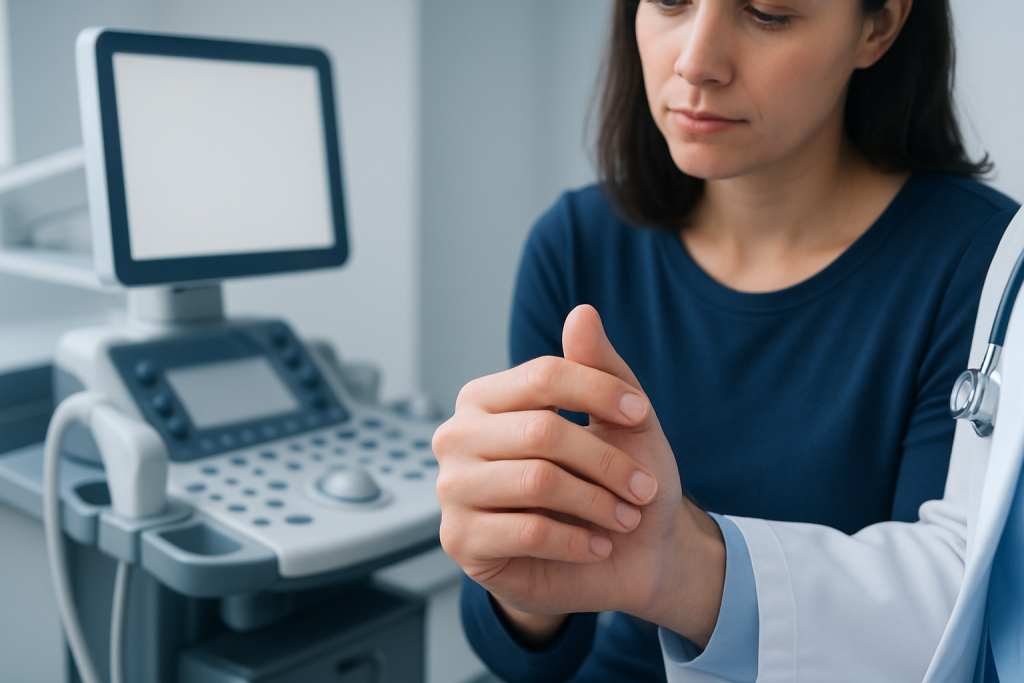
A typical corn on finger appears as a small, thickened patch of skin with a dense surface. It may be skin-colored, yellowish, or slightly gray. The borders are often distinct, and the center may feel harder than the surrounding skin.
Symptoms vary. Some people notice only a rough bump, while others feel tenderness when pressing directly on it or while using the hand. If the corn sits where a pen, tool handle, ring, sports equipment, or phone frequently rubs, the discomfort may be more noticeable during those activities.
Unlike an open wound, a corn usually does not bleed or ooze unless it has been picked, cut, or irritated. Itching is not the main symptom. If the area is very itchy, has black dots, disrupts normal skin lines, or feels painful when pinched from the sides, a wart may be more likely than a corn.
- Firm, thickened skin
- Small, round, well-defined lesion
- Tenderness with direct pressure
- Rough texture
- Worsening with repeated rubbing or gripping
Why corns develop on the fingers

The main cause of a corn on finger is repeated mechanical stress. When skin is exposed to frequent friction or pressure, it produces extra keratin, the protein that strengthens the outer layer of skin. Over time, this protective response creates a compact, hardened area.
Daily habits often explain where the corn appears. Repetitive writing, crafting, sewing, gaming, manual labor, weightlifting, rock climbing, and instrument practice can all create local pressure points. A finger deformity, altered grip, or poorly fitted equipment can also increase stress on the same spot.
Some people are more prone to thickened skin because of dry skin, repetitive occupation-related movements, or skin that heals with excess keratin buildup. Friction is the key driver, but correct identification still matters because conditions such as warts can resemble corns and require different care.
Corn, callus, or wart: telling the difference
A corn is often confused with a callus, but they are not exactly the same. A callus is usually broader, flatter, and less sharply defined. It tends to develop over larger areas of repeated friction. A corn is smaller, more focused, and may have a dense central core that causes tenderness.
Warts can be more difficult to distinguish because they may also appear as rough raised lesions on the fingers. However, warts are caused by human papillomavirus and often interrupt normal skin lines. They may show tiny dark dots from clotted capillaries and can be painful when squeezed from the sides rather than from direct downward pressure. If a lesion is uncertain, a specialist may evaluate it as a possible skin lesion or another dermatologic condition, especially if it changes over time.
Other look-alikes include knuckle pads, foreign body reactions, mucous cysts, eczema with lichenification, and small benign skin growths. This is why self-diagnosis can be misleading when a spot is persistent, recurrent, or unusual in color or shape.
How doctors diagnose a corn on finger
Diagnosis usually begins with a history and skin examination. The doctor asks how long the lesion has been present, whether it hurts, what activities involve repeated pressure, and whether there has been any bleeding, growth, or prior treatment. Many cases can be diagnosed clinically by appearance and location alone.
During the examination, the clinician may look at the surface texture, skin lines, tenderness pattern, and whether the lesion has a central hard core. Sometimes gentle paring of the thickened skin helps reveal whether there are features more typical of a wart or another condition. Dermoscopy, a magnified skin examination, may also be used in dermatology practice.
If the diagnosis remains uncertain, if the lesion keeps returning, or if there are warning signs such as ulceration or atypical color change, further assessment may be needed. In selected cases, referral to dermatology evaluation or minor procedural treatment can help confirm the cause and guide care.
Treatment options and what usually helps
The most effective treatment for a corn on finger is to reduce the friction or pressure that caused it. Without that step, the thickened skin often returns even if it is removed. Practical changes may include adjusting grip technique, using padded gloves, changing a pen grip, modifying sports equipment, or protecting the area with cushioning.
Conservative treatment often includes soaking the skin, gently filing the thickened area with an emery board or pumice-like tool made for skin care, and applying moisturizers or keratolytic products when suitable. People should avoid cutting the lesion with blades or scissors at home, because this can lead to pain, bleeding, or infection. If there is diabetes, poor circulation, nerve problems, or reduced sensation, self-treatment should be discussed with a doctor first.
When the corn is painful, persistent, or difficult to distinguish from a wart, office-based treatment may be recommended. A clinician may carefully pare down the thickened skin, advise medicated topical therapy, or treat an alternative diagnosis if the lesion is actually a wart. If a wart is confirmed, options such as cryotherapy may be discussed. In some situations, patients may also benefit from targeted skin procedures when clinically appropriate.
Self-care and prevention
Because a finger corn develops from repeated stress, prevention centers on protecting the skin and changing the trigger when possible. Small adjustments can make a meaningful difference, especially for musicians, athletes, office workers, and people who use hand tools regularly.
Good skin care also helps. Moisturized skin is often less likely to crack and become irritated, although moisturizing alone will not remove the pressure source. If thickening has already formed, gentle maintenance may reduce discomfort and help prevent the lesion from becoming denser.
- Use protective gloves or finger sleeves during repetitive tasks
- Improve grip ergonomics for pens, tools, and sports equipment
- Take breaks during prolonged hand activity
- Moisturize dry skin regularly
- Avoid picking or cutting thickened skin
- Seek advice if the lesion keeps returning despite pressure reduction
Near the end of the care pathway, a specialist review can be useful if prevention measures are not enough. Acibadem International’s multidisciplinary specialists in JCI-accredited hospitals evaluate and treat skin and hand conditions for international patients when further assessment is needed.
When to seek medical care
A person should seek medical care if a corn on finger is very painful, rapidly enlarging, recurrent, or interfering with daily activities. Evaluation is also important when the diagnosis is uncertain, because treatment depends on whether the lesion is truly a corn or another skin condition.
Prompt assessment is especially sensible if there are signs of infection such as redness spreading around the area, warmth, pus, or increasing tenderness. Medical review is also advisable if the lesion bleeds easily, changes color, develops an irregular shape, or does not improve with reasonable home care.
People with diabetes, poor circulation, weakened immunity, or reduced sensation in the hands should not attempt aggressive self-removal. In these situations, even a small skin injury can become more complicated, so professional guidance is the safer approach.
Frequently asked questions
Is a corn on finger dangerous?
A corn on finger is usually not dangerous and most often develops from repeated friction or pressure. The main concern is making sure it is truly a corn and not a wart, cyst, or another skin lesion. If it is changing, painful, or unclear in diagnosis, a doctor should assess it.
Can a corn on finger go away on its own?
It can improve or disappear if the repeated pressure or friction stops. However, if the same activity continues, the thickened skin often comes back or persists. Removing the cause is usually the most important part of treatment.
What is the difference between a finger corn and a wart?
A finger corn is a buildup of thickened skin from pressure, while a wart is caused by a viral infection. Corns are often tender with direct pressure and may have a hard central core. Warts may interrupt normal skin lines and sometimes show tiny dark dots.
Should a person cut off a corn at home?
No. Cutting a corn at home with blades or sharp tools can injure the skin and raise the risk of infection. Safer options include reducing friction, gentle filing after soaking, and seeking medical advice if the lesion is painful or persistent.
What doctor treats a corn on finger?
A primary care doctor or dermatologist can usually evaluate and treat a finger corn. If the lesion is uncertain, recurrent, or needs a procedure, dermatology input may be especially helpful. The right specialist depends on the appearance and cause of the lesion.
Can children get a corn on finger?
Yes, children can develop thickened skin on a finger if there is repeated rubbing from sports, hobbies, or habits. Still, wart lesions are also common in children, so the diagnosis should be considered carefully. A pediatric or dermatology review may help if the spot persists.
This article is for general information only and is not a substitute for professional medical advice. Please consult a qualified doctor about your individual situation.
Explore treatments in Turkey — costs, top hospitals & a free quote
JCI-accredited · board-certified surgeons · reply within 24h
Add us as a Preferred Source to see more of our trusted health content across Google Search, AI Overviews and Discover.

More from the Health Library

Mephedrone — Explained by Medical Evidence, Not Myths

Unconditional Love — Explained by Medical Evidence, Not Myths

St john’s wort oil: A Complete Medical Guide for Patients

Karmic — Explained by Medical Evidence, Not Myths

And Arteries: What Patients Need to Know