Mephedrone — Explained by Medical Evidence, Not Myths

Mephedrone is a synthetic stimulant that affects the brain and body in ways similar to other stimulant drugs. Its short-term effects may include increased energy and euphoria, but it can also cause agitation, chest symptoms, overheating, and panic.
Key Takeaways
- Mephedrone is a synthetic stimulant that affects the brain and body in ways similar to other stimulant drugs.
- Its short-term effects may include increased energy and euphoria, but it can also cause agitation, chest symptoms, overheating, and panic.
- The risks rise when mephedrone is mixed with alcohol, MDMA, cocaine, antidepressants, or other stimulants.
- Doctors diagnose mephedrone-related problems mainly from symptoms, vital signs, and toxicology history rather than a single standard test.
- Urgent medical care is important for chest pain, seizures, severe confusion, collapse, trouble breathing, or very high body temperature.
Mephedrone is a man-made stimulant drug linked to short-term euphoric effects, but also to risks such as rapid heart rate, overheating, anxiety, and dangerous interactions with other substances. Medical evidence shows that its effects can be unpredictable because purity, dose, and added ingredients often vary.
Overview: what mephedrone is and why it matters
Mephedrone is a synthetic stimulant, sometimes described as a designer drug or a member of the synthetic cathinone group. It acts on the central nervous system and can produce short-lived feelings of alertness, energy, sociability, and euphoria. However, medical evidence shows that these desired effects can be accompanied by potentially harmful changes in heart rate, blood pressure, body temperature, mood, and behavior.
One reason mephedrone is medically important is that the substance sold under this name may not always be pure mephedrone. Powders, tablets, and capsules may contain other stimulants, fillers, or contaminants. This means the intensity of effects can be unpredictable, and the same amount may affect different people in very different ways.
Mephedrone may be swallowed, snorted, or taken in other ways, and the onset and duration vary by route. People may redose repeatedly because the effects can wear off quickly, which can increase the risk of toxicity. From a medical perspective, the main concerns are not myths or labels, but the real effects on the brain, heart, circulation, temperature regulation, and mental state.
How mephedrone affects the body and brain
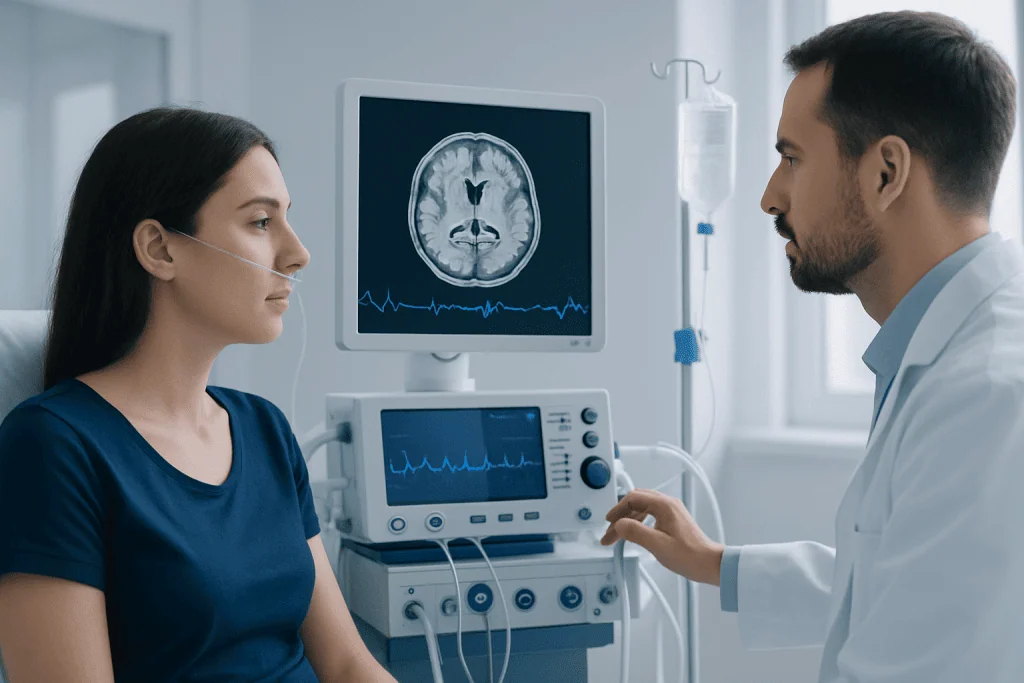
Mephedrone increases signaling of certain brain chemicals, especially dopamine, norepinephrine, and serotonin. These chemical shifts can lead to stimulation, pleasure, and increased wakefulness, but they can also trigger anxiety, irritability, impulsive behavior, and a “crash” after use. In some people, the mental effects are more prominent than the physical ones.
On the physical side, mephedrone can make the heart beat faster and raise blood pressure. It may reduce appetite, disturb sleep, and contribute to dehydration or overheating, especially in hot settings such as clubs, crowded events, or prolonged physical activity. Snorting can irritate the nose and sinuses, while repeated use may lead to binge patterns.
The risk profile becomes more serious when mephedrone is combined with other substances. Mixing it with alcohol may increase impaired judgment and dehydration. Combining it with MDMA, cocaine, amphetamines, or certain antidepressants may raise the risk of dangerous overstimulation, serotonin toxicity, and cardiovascular strain. If a person has underlying heart rhythm problems, stimulant effects may pose added concern.
Signs and symptoms of mephedrone use or toxicity

The effects of mephedrone can range from mild stimulation to a medical emergency. Common short-term symptoms include restlessness, talkativeness, dilated pupils, sweating, trembling, dry mouth, jaw clenching, fast heartbeat, and trouble sleeping. Some people also report nausea, dizziness, reduced appetite, or a strong urge to take more.
Mental and emotional symptoms can include anxiety, panic, suspiciousness, irritability, low mood after use, and poor decision-making. In more severe cases, a person may become highly agitated, confused, or aggressive. Hallucinations or paranoid thoughts can occur, particularly with high doses, repeated dosing, lack of sleep, or use of multiple substances.
Serious toxicity may present with chest pain, severe palpitations, shortness of breath, collapse, seizures, very high body temperature, or loss of consciousness. These warning signs need urgent medical evaluation. In some cases, stimulant use can contribute to emergencies involving stroke or other acute neurologic problems, especially when blood pressure rises sharply or dehydration is severe.
- Mild to moderate signs: rapid pulse, sweating, anxiety, insomnia, nausea
- Concerning signs: chest pain, confusion, severe agitation, persistent vomiting
- Emergency signs: seizure, collapse, breathing difficulty, extreme overheating, unresponsiveness
Causes of harm and risk factors
Mephedrone-related harm depends on more than the drug name itself. Important factors include the amount taken, how often it is used, the route of use, the environment, body size, hydration, and whether other substances are involved. Repeated dosing over a short period can raise blood levels and increase the chance of overstimulation or dangerous side effects.
People with certain health conditions may face higher risk. Heart disease, high blood pressure, anxiety disorders, bipolar disorder, a history of psychosis, seizure disorders, and liver or kidney problems may all make complications more likely. Some prescription medicines can also interact with stimulants, including antidepressants and other drugs that affect serotonin or heart rhythm.
Context matters too. Sleep deprivation, overheating, intense activity, and poor fluid balance can worsen the body’s stress response. Because unregulated drugs may be mixed with unknown compounds, one episode of use can be more toxic than expected. This uncertainty is a key reason clinicians treat mephedrone exposure as a potentially serious poisoning rather than assuming a predictable course.
How doctors diagnose mephedrone-related problems
There is usually no single rapid test that confirms mephedrone exposure in routine emergency care. Doctors often make the diagnosis based on the person’s symptoms, vital signs, physical examination, and the history of what may have been taken. Family, friends, or emergency responders may provide helpful details if the person is confused or unable to speak clearly.
Assessment usually focuses on immediate safety. Clinicians check temperature, pulse, blood pressure, oxygen levels, hydration, mental state, and neurologic signs. Blood tests may be used to look for complications such as dehydration, muscle breakdown, kidney strain, electrolyte problems, or acid-base disturbances. An electrocardiogram may be needed to assess fast heartbeat, chest symptoms, or a suspected heart rhythm evaluation.
If symptoms are severe, additional testing may be needed to rule out other urgent conditions such as infection, heat stroke, head injury, heart problems, or overdose from mixed substances. In patients with significant agitation, confusion, or collapse, monitoring in an emergency or hospital setting is often the safest approach.
Treatment options and supportive care
There is no specific antidote for mephedrone. Treatment is mainly supportive and is tailored to the person’s symptoms. The priorities are to keep the airway safe, support breathing and circulation, reduce overheating, control severe agitation, and monitor for heart or neurologic complications. Calm surroundings and close observation can help when symptoms are mild.
In emergency settings, doctors may give fluids, oxygen, cooling measures, and medicines to manage agitation, seizures, or abnormal vital signs when needed. Chest pain, dangerous blood pressure changes, irregular heartbeat, or severe confusion require prompt medical evaluation. If a person develops symptoms suggesting a neurologic emergency, specialists may use advanced imaging and stroke rehabilitation services later if appropriate after an acute event.
Recovery care is also important. Some people experience anxiety, low mood, sleep disturbance, or cravings after stimulant use. Follow-up may involve mental health support, substance use counseling, and treatment of coexisting conditions. When medically appropriate, broader evaluation may be recommended to look for stimulant-related complications affecting the heart, brain, or other organs.
For international patients who need coordinated assessment, Acibadem International’s multidisciplinary specialists in JCI-accredited hospitals diagnose and treat substance-related medical complications, including cardiac and neurologic concerns, with access to services such as comprehensive check-up when follow-up evaluation is needed.
Prevention, self-care, and reducing harm
The safest way to prevent mephedrone-related harm is not to use the drug. For people who may already be using it, practical harm-reduction steps can still lower immediate risk. These include avoiding mixing substances, not redosing repeatedly, staying with trusted people, taking breaks from hot environments, and seeking help early if symptoms escalate.
Hydration should be balanced rather than excessive, especially during prolonged activity or heat exposure. People should avoid driving, swimming, or risky activities after using any stimulant. Because mood changes can follow use, it is wise to have a plan for rest, food, hydration, and emotional support afterward.
Longer-term self-care includes paying attention to sleep, anxiety, low mood, palpitations, or problems with concentration after use. These may signal a need for medical or psychological support. A doctor can help evaluate whether symptoms are likely to be temporary or whether there may be another underlying condition requiring treatment.
When to seek medical care
Immediate medical care is important if a person has chest pain, severe shortness of breath, a seizure, collapse, blue lips, very high fever, severe agitation, hallucinations, or is difficult to wake. These symptoms may indicate a dangerous stimulant reaction, dehydration, overheating, or a mixed-drug overdose. It is safer to seek emergency help early than to wait for symptoms to pass on their own.
Prompt medical review is also wise if there is persistent fast heartbeat, repeated vomiting, new confusion, severe anxiety, or symptoms that last longer than expected. Anyone with known heart disease, high blood pressure, epilepsy, or serious mental health conditions should be especially cautious about stimulant-related symptoms.
Follow-up care matters even after the immediate effects wear off. A doctor can assess ongoing sleep problems, mood changes, concentration issues, and cardiovascular symptoms, and can guide the person toward safer recovery and substance use support if needed.
Frequently asked questions
What is mephedrone?
Mephedrone is a synthetic stimulant drug in the cathinone family. It can affect mood, energy, heart rate, body temperature, and behavior, and its effects can be unpredictable when purity or ingredients are unknown.
How long do mephedrone effects last?
The effects can begin quickly, especially if it is snorted, and may last for a few hours, though the exact timing varies. Some people redose because the initial effects wear off relatively fast, which can increase the risk of toxicity.
Is mephedrone dangerous on its own, or mainly when mixed with other drugs?
Mephedrone can be dangerous on its own because it may cause overstimulation, overheating, chest symptoms, anxiety, or confusion. The risk often becomes higher when it is mixed with alcohol, MDMA, cocaine, amphetamines, or medicines that affect serotonin or heart rhythm.
Can mephedrone cause long-term health problems?
It may contribute to ongoing problems such as anxiety, sleep disturbance, mood changes, or repeated stimulant use patterns. In some cases, there may also be heart or neurologic complications, especially after severe toxicity or repeated exposure.
How do hospitals treat mephedrone poisoning?
Treatment is mainly supportive, which means doctors manage the person's symptoms and protect vital functions. Care may include monitoring, fluids, cooling, oxygen, medicines for agitation or seizures, and tests to look for heart, kidney, or other complications.
When should someone go to the emergency department after using mephedrone?
Emergency care is needed for chest pain, trouble breathing, seizure, collapse, severe confusion, extreme agitation, very high temperature, or loss of consciousness. It is also sensible to seek help if symptoms are getting worse, not improving, or if other substances may have been taken.
References
- World Health Organization
- Centers for Disease Control and Prevention
- National Institute on Drug Abuse
- European Monitoring Centre for Drugs and Drug Addiction
- Substance Abuse and Mental Health Services Administration
This article is for general information only and is not a substitute for professional medical advice. Please consult a qualified doctor about your individual situation.
Heart care in Turkey — expert evaluation and treatment
JCI-accredited · board-certified surgeons · reply within 24h
Add us as a Preferred Source to see more of our trusted health content across Google Search, AI Overviews and Discover.
Check your numbers in seconds
BMI, calories, due date, blood pressure and 30+ more clinical calculators — free, instant, doctor-reviewed ranges.

More from the Health Library

Vasopressors: A Complete Medical Overview

Adrenal Cocktail: A Complete Medical Overview

Cheek Filler: What Patients Need to Know

Farxiga Dosing — Explained by Medical Evidence, Not Myths

Stress Stress Testicles — Explained by Medical Evidence, Not Myths