Vasopressors: A Complete Medical Overview

Vasopressors are emergency medicines used to support blood pressure and circulation. They are commonly used in shock, severe infections, major bleeding, and some heart-related emergencies.
Key Takeaways
- Vasopressors are emergency medicines used to support blood pressure and circulation.
- They are commonly used in shock, severe infections, major bleeding, and some heart-related emergencies.
- These medicines do not cure the underlying problem, so the cause must be identified and treated at the same time.
- Vasopressors require close monitoring because they can affect the heart, blood vessels, kidneys, and blood flow to the limbs.
- Treatment is typically given through an IV in a hospital, often in an intensive care unit.
Vasopressors are medicines used in critical care to raise dangerously low blood pressure and help vital organs receive enough blood flow. They are usually given in hospital settings, especially intensive care, while doctors treat the underlying cause of shock or severe low blood pressure.
Overview: what vasopressors are and why they are used
Vasopressors are medicines that raise blood pressure when it falls to a dangerously low level. They work mainly by tightening blood vessels, helping the heart move blood to important organs such as the brain, heart, and kidneys. In most cases, they are used in medical emergencies rather than for routine blood pressure management.
These medicines are often given to people with shock, a condition in which the body is not getting enough blood flow to meet its needs. Shock can happen for several reasons, including severe infection, heavy bleeding, allergic reactions, major heart problems, or complications after surgery or trauma. Vasopressors can be life-supporting while doctors correct the underlying cause.
Because they can act quickly and strongly, vasopressors are usually given in a hospital through an intravenous line. Many people receiving them are cared for in an intensive care unit, where blood pressure, heart rhythm, urine output, oxygen levels, and other vital signs can be watched closely. The goal is not simply to increase the numbers on a monitor, but to restore adequate circulation to the body’s organs.
How vasopressors work in the body
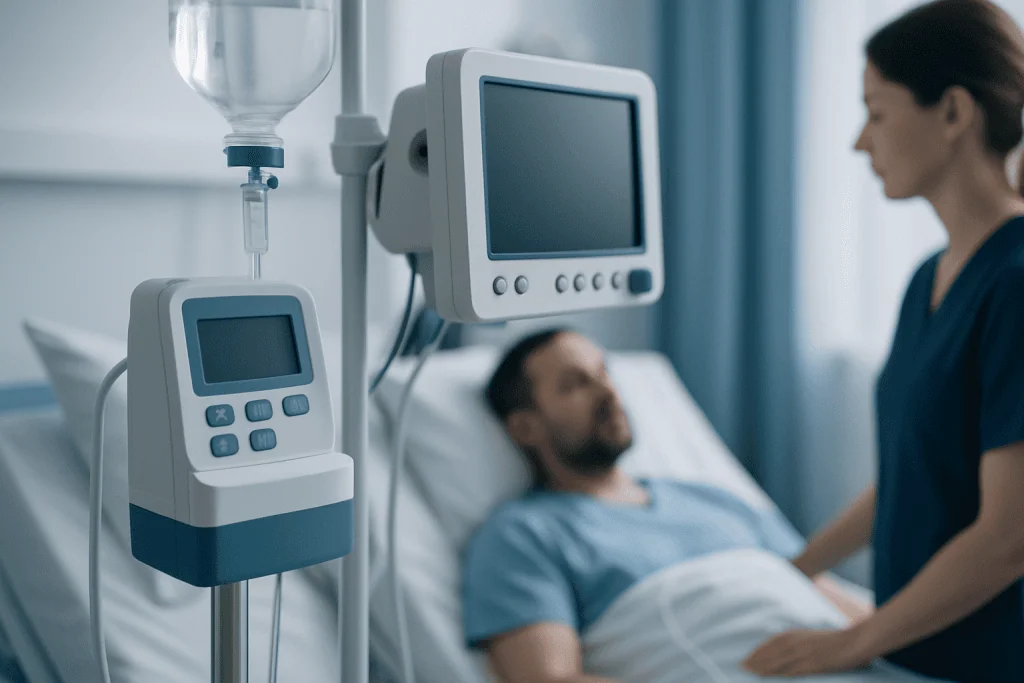
Blood pressure depends on several factors, including how strongly the heart pumps, how much fluid is in the blood vessels, and how wide or narrow those blood vessels are. Vasopressors mainly improve blood pressure by causing blood vessels to narrow, a process called vasoconstriction. Some also strengthen the heart’s pumping action or affect heart rate.
Different vasopressors act on different receptors in the body, especially alpha and beta receptors found in blood vessels and the heart. For example, some medicines have a stronger effect on tightening blood vessels, while others offer a balance of vessel tightening and heart support. This is why the choice of vasopressor depends on the person’s condition, blood pressure pattern, heart function, and response to treatment.
In practice, vasopressors are often used alongside other treatments such as IV fluids, oxygen, antibiotics, blood transfusion, or procedures to control bleeding or support the heart. A person with septic shock may need infection treatment and fluids, while someone with a heart problem may need a different approach. Vasopressors are one part of a broader emergency care plan, not a stand-alone cure.
Common types of vasopressors

Several vasopressor medicines are used in modern critical care. Common examples include norepinephrine, epinephrine, vasopressin, dopamine, phenylephrine, and sometimes dobutamine, which is more often described as an inotrope because it mainly supports the heart’s pumping function. Each medicine has a specific role, and doctors choose among them based on the cause of low blood pressure and the patient’s overall condition.
Norepinephrine is often a first-choice medicine in many forms of shock because it reliably raises blood pressure by tightening blood vessels while usually preserving blood flow to vital organs. Epinephrine may be used in severe allergic reactions, cardiac arrest, or when additional blood pressure and heart support are needed. Vasopressin may be added in some cases to reduce the dose of other medicines or help when blood vessels remain too relaxed.
Phenylephrine mainly narrows blood vessels and may be selected in certain situations, while dopamine is used more selectively today because it can increase the risk of some heart rhythm problems in certain patients. The best choice is individualized. Doctors consider the patient’s heart function, risk of arrhythmias, source of shock, and overall circulation status before starting or adjusting therapy.
- Norepinephrine: commonly used for many shock states
- Epinephrine: important in anaphylaxis and some severe emergencies
- Vasopressin: often added when blood pressure remains low
- Phenylephrine: primarily tightens blood vessels
- Dopamine: used selectively in specific cases
When vasopressors are needed
Vasopressors are most often used when blood pressure is low enough to threaten organ function. This can happen in septic shock, where a serious infection causes blood vessels to relax and leak fluid; in hemorrhagic shock after major blood loss; in cardiogenic shock caused by severe heart weakness; or in obstructive and anaphylactic shock. They may also be needed during or after surgery if circulation becomes unstable.
Doctors usually look beyond a single blood pressure reading. They assess symptoms and signs of poor circulation such as confusion, cool skin, reduced urine output, rising blood lactate, chest pain, or shortness of breath. A person can have low blood pressure without needing vasopressors, and another person can have a blood pressure that appears acceptable but still show signs of poor organ perfusion. This is why clinical judgment and continuous monitoring matter.
In many cases, vasopressors are started after fluids have been given, especially when dehydration or blood vessel leakage may be contributing. However, in some emergencies they may be started early, sometimes at the same time as fluid treatment, to avoid prolonged poor blood flow to the brain and other organs. People with severe infection may be evaluated and treated for sepsis, while those with serious heart-related shock may need advanced cardiology care as part of the same treatment pathway.
How doctors monitor safety and effectiveness
Because vasopressors are powerful medicines, they must be used carefully. The medical team tracks blood pressure often and may use an arterial line, a small tube placed into an artery for continuous readings. Heart rhythm, oxygen levels, breathing, mental status, urine output, and blood test results are also followed closely to see whether organ perfusion is improving.
These medicines are commonly given through a central venous catheter, especially if high doses or prolonged treatment are expected. This helps reduce the chance of the medicine leaking into surrounding tissue, which can irritate or damage the skin. In emergencies, treatment may begin through a regular IV line while more secure access is arranged.
The most common concerns include overly narrow blood vessels, irregular heart rhythms, reduced blood flow to the hands or feet, strain on the heart, and changes in kidney function. Doctors adjust doses carefully, aiming for enough blood pressure to protect organs without causing unnecessary side effects. As the underlying condition improves, vasopressors are slowly reduced rather than stopped abruptly in many cases.
Treatment alongside vasopressors
Vasopressors are only one part of treatment. The underlying cause of low blood pressure must be found and treated as quickly as possible. For example, septic shock may require rapid antibiotics and source control, hemorrhagic shock may require blood products and bleeding control, and cardiogenic shock may need medications, procedures, or device-based support for the heart.
Doctors may use bedside imaging, blood tests, cultures, electrocardiography, and echocardiography to guide decisions. If a heart problem is suspected, a patient may need echocardiography to assess how well the heart is pumping. In some situations, intensive care teams also consider mechanical ventilation, dialysis, or procedures to restore circulation or remove an obstruction.
People with severe heart-related illness may also be treated in coordination with specialists in heart failure or other cardiovascular conditions. Near the end of a hospital course, the focus shifts from emergency stabilization to recovery, rehabilitation, and prevention of future episodes whenever possible. Acibadem International’s multidisciplinary specialists and JCI-accredited hospitals diagnose and treat critically ill international patients who need advanced evaluation and hospital-based care.
When to seek medical care
Vasopressors themselves are not medicines people take at home, so the main question is when low blood pressure or shock symptoms need urgent medical attention. Emergency care is needed right away for fainting, severe weakness, confusion, new chest pain, severe shortness of breath, bluish lips, very cold or clammy skin, heavy bleeding, or signs of a severe allergic reaction such as swelling of the face or trouble breathing. These symptoms can indicate a circulation emergency.
Medical assessment is also important for high fever with worsening weakness, persistent vomiting or diarrhea with dehydration, or infection symptoms accompanied by dizziness, rapid breathing, or reduced urination. Early treatment can reduce the risk of complications and may prevent organ injury. In hospital, specialists may evaluate causes using advanced monitoring and, when needed, supportive care in intensive care or intensive care settings.
After a hospital stay, follow-up care helps address the reason vasopressors were needed in the first place. Patients and families may need guidance about infection recovery, heart disease management, medication review, hydration, nutrition, and warning signs to watch for at home. Any return of concerning symptoms should be discussed promptly with a qualified doctor.
Frequently asked questions
Are vasopressors the same as regular blood pressure medicines?
No. Vasopressors are emergency medicines used to raise dangerously low blood pressure, usually in a hospital or intensive care setting. Routine blood pressure medicines are generally used to lower high blood pressure or manage long-term heart and vascular conditions.
Do vasopressors cure shock?
No, they do not cure the underlying cause of shock. They temporarily support circulation and organ blood flow while doctors treat the reason for the blood pressure drop, such as infection, bleeding, or heart failure.
How are vasopressors given?
They are usually given through an intravenous line so they can act quickly and the dose can be adjusted minute by minute. Many patients receive them in intensive care, where blood pressure and organ function can be monitored closely.
Can vasopressors cause side effects?
Yes. Possible side effects include irregular heartbeat, reduced blood flow to the hands or feet, increased strain on the heart, and irritation if the medicine leaks outside the vein. Careful monitoring helps the medical team balance benefits and risks.
Why might someone need more than one vasopressor?
Sometimes one medicine is not enough to support blood pressure safely or effectively. Doctors may combine medications with different actions so they can better stabilize circulation while limiting excessive dosing of a single drug.
How long do patients stay on vasopressors?
The length of treatment varies widely. Some people need vasopressors for only a short period, while others require longer support until infection, bleeding, heart dysfunction, or another underlying problem improves.
This article is for general information only and is not a substitute for professional medical advice. Please consult a qualified doctor about your individual situation.
Explore treatments in Turkey — costs, top hospitals & a free quote
JCI-accredited · board-certified surgeons · reply within 24h
Add us as a Preferred Source to see more of our trusted health content across Google Search, AI Overviews and Discover.
Check your numbers in seconds
BMI, calories, due date, blood pressure and 30+ more clinical calculators — free, instant, doctor-reviewed ranges.

More from the Health Library

Sumatriptan — Explained by Medical Evidence, Not Myths

Hyperextended Elbow — Explained by Medical Evidence, Not Myths

Remission: A Complete Medical Overview
Lemon: A Complete Medical Overview

Pumpkin Seeds: What Patients Need to Know