Corn on Pinky Toe — Explained by Medical Evidence, Not Myths

A corn on pinky toe is a buildup of hard skin caused by repeated pressure or friction. Tight, narrow, or high-heeled shoes are common triggers, but toe shape and walking mechanics can also contribute.
Key Takeaways
- A corn on pinky toe is a buildup of hard skin caused by repeated pressure or friction.
- Tight, narrow, or high-heeled shoes are common triggers, but toe shape and walking mechanics can also contribute.
- Corns can look similar to calluses or warts, so persistent or painful lesions should be assessed by a clinician.
- Safe care includes reducing pressure, using properly fitted shoes, and avoiding cutting the corn at home.
- People with diabetes, poor circulation, or nerve problems should seek medical advice early for any foot lesion.
A corn on pinky toe is usually a small, thickened patch of skin that forms where repeated pressure or rubbing affects the outer toe. In many cases it is linked to tight footwear or toe shape, and treatment focuses on reducing friction, softening the skin, and addressing any underlying foot problem.
What a Corn on Pinky Toe Really Is
A corn on pinky toe is a localized thickening of the outer skin layer that develops as the body tries to protect itself from repeated pressure or friction. It most often appears on the side or top of the little toe, where shoes may rub. The skin becomes denser and harder over time, sometimes forming a central core that presses into deeper tissue and causes discomfort.
This matters because a corn is not simply “extra skin.” It is a sign that a mechanical problem is acting on the toe over and over again. The trigger may be narrow shoes, a prominent toe joint, crowding from neighboring toes, or an abnormal walking pattern. Unless that pressure is reduced, the corn may return even after it is softened or removed.
Corns are commonly confused with calluses and warts. A callus is usually broader and flatter, while a corn is smaller, more focused, and often tender to direct pressure. A wart may interrupt normal skin lines and can have tiny dark dots from clotted blood vessels. If the diagnosis is unclear, a foot specialist or dermatologist can help distinguish among these conditions, including warts.
Common Signs and Symptoms
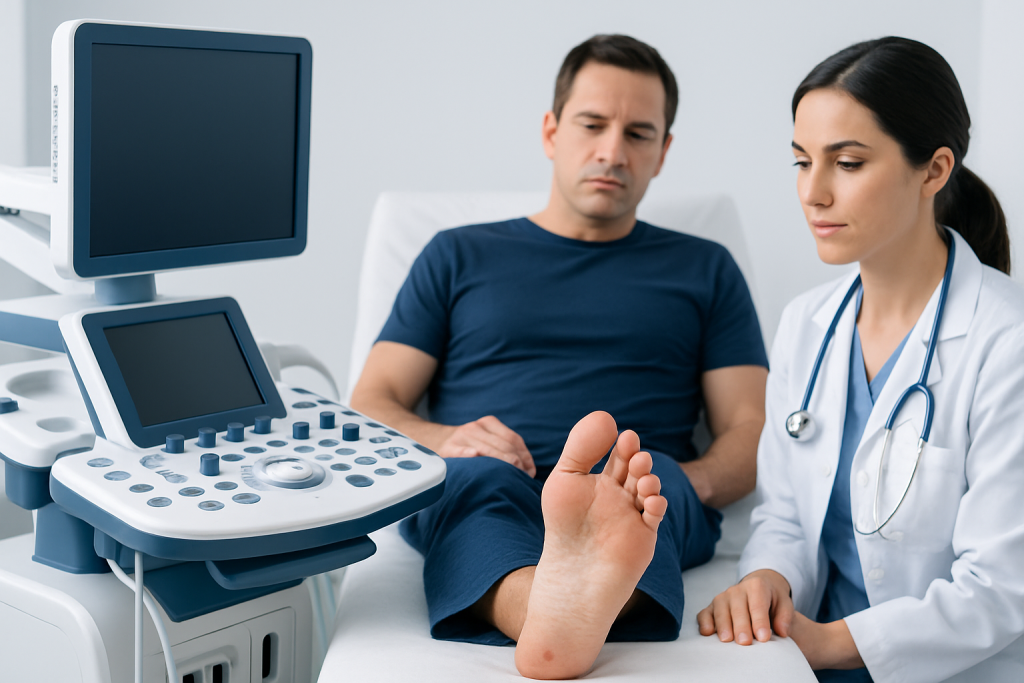
The appearance of a corn on pinky toe can vary, but many people notice a round or cone-shaped area of thick, hardened skin. It may be yellowish, waxy, or dry. On the little toe, it often forms where the shoe upper or seam rubs repeatedly.
Symptoms are often mild at first but may gradually become more noticeable. Many people describe tenderness when wearing shoes, walking, or pressing on the area. If the central core becomes firm, pain may feel surprisingly sharp despite the corn being small.
Symptoms can include:
- A small, hard, raised spot on the pinky toe
- Localized pain or soreness from shoe pressure
- Skin dryness, thickening, or roughness
- Redness or irritation around the lesion
- A feeling of something pressing into the toe when walking
If the skin breaks down, there may also be swelling, warmth, or drainage, which are not typical features of an uncomplicated corn and may suggest infection or another condition. Any sudden change in color, rapid growth, bleeding, or severe pain deserves medical evaluation.
Why Corns Form on the Little Toe
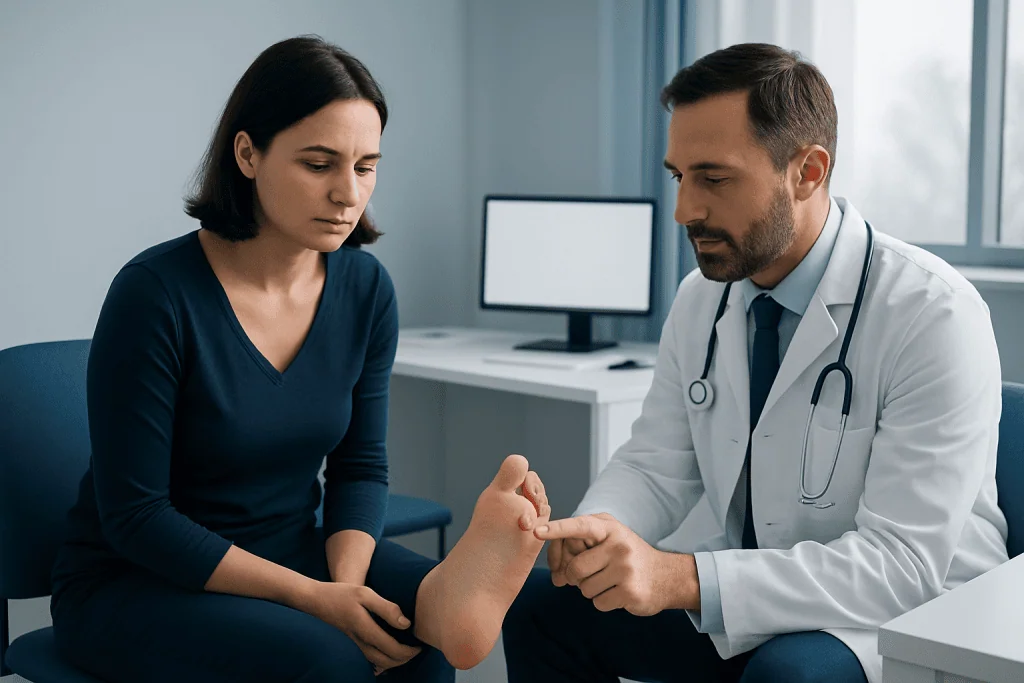
The pinky toe is especially prone to corns because it sits at the outer edge of the foot, where it can be squeezed against footwear. Repeated rubbing causes the skin to defend itself by producing extra keratin, the protein that forms the outer protective layer. Over time this creates the firm, compact area recognized as a corn.
Shoes are the most common factor. Narrow toe boxes, pointed shoes, high heels, stiff materials, and prominent seams can all concentrate pressure on the little toe. Even shoes that are technically the right size may still rub if their shape does not match the foot. Socks that bunch up or create seams over the toe can add to the problem.
Foot structure also plays an important role. Some people have bony prominences, curled toes, toe crowding, or alignment problems that place more stress on the outer toe. Conditions such as hammertoe or bunion-related shifting can alter how the little toe contacts the shoe and the ground. In some cases, a specialist may evaluate whether related foot mechanics, such as bunions, are contributing to recurring pressure.
Risk tends to be higher in people who spend long hours standing or walking, wear restrictive footwear regularly, or have reduced padding under the skin with age. Recurrent corns are often a clue that the issue is not only the skin itself, but also the fit of the shoe and the shape or function of the foot.
How Doctors Diagnose It and Rule Out Other Problems
Diagnosis is usually clinical, meaning a doctor can often identify a corn by looking at it and asking about symptoms, footwear, and daily activities. The location, pattern of thickened skin, and tenderness to pressure usually provide important clues. The clinician may also examine the way the toes are aligned and how the foot bears weight when standing or walking.
The main goal of assessment is not only to confirm that it is a corn, but to understand why it formed. A recurring lesion on the pinky toe may reflect tight shoes, a bony prominence, toe deformity, or friction from a neighboring toe. This is why the foot is often examined as a whole rather than focusing only on the skin lesion.
Doctors may also distinguish a corn from other conditions that can look similar, including calluses, warts, cysts, or less commonly skin tumors. In uncertain cases, referral to dermatology evaluation may help clarify the diagnosis. If there is significant deformity, persistent pain, or gait-related pressure points, a broader orthopedic assessment may be useful.
People with diabetes, poor circulation, or loss of sensation need especially careful evaluation because even a small foot lesion can become complicated. In these situations, what seems like a simple corn may need close monitoring to prevent ulceration or infection.
Treatment Options Based on Medical Evidence
The most effective treatment for a corn on pinky toe is to reduce the pressure that caused it. Without this step, even well-performed skin treatment may bring only temporary relief. For many people, changing to shoes with a wider toe box and softer upper material is the single most helpful measure.
Home care may include soaking the foot briefly, then gently using a pumice stone on softened skin, followed by a moisturizer. Nonprescription pads or sleeves can cushion the toe, but they should not be so tight that they create new pressure. Medicated corn products containing salicylic acid can help some people, but they should be used cautiously and are generally not appropriate for people with diabetes, poor circulation, fragile skin, or nerve damage unless a clinician advises them.
When symptoms persist, a healthcare professional may carefully trim or debride the thickened skin. This can reduce pressure from the central core and provide more immediate comfort. However, self-cutting with blades or sharp tools is not recommended because it can lead to injury, bleeding, or infection.
If a structural problem is causing repeated recurrence, treatment may also address the underlying foot issue with protective devices, custom orthotics, or specialist care. In selected cases, correction of a pressure-producing deformity may be discussed. Some patients benefit from review in foot care services or, if there is toe misalignment or a prominent bony point, further management through foot and ankle surgery may be considered when conservative measures fail.
Self-care, Prevention, and Common Myths
Preventing a corn on pinky toe usually means preventing repeated rubbing. Shoes should allow the toes to lie naturally without being squeezed. The little toe should not press against the side of the shoe, and there should be enough depth so the top of the toe does not rub the upper material.
Practical prevention strategies include:
- Choosing shoes with a wide, rounded toe box
- Avoiding prolonged use of high heels or pointed shoes
- Wearing socks that fit smoothly without bulky seams
- Using protective silicone sleeves or cushions if advised
- Moisturizing dry skin to reduce cracking and friction
- Checking the feet regularly if there is diabetes or reduced sensation
Several myths can make corns harder to manage. A corn is not caused by poor hygiene, and it is not simply a problem to “scrape off” repeatedly. It is also not always permanent: if the pressure source is removed, the skin often improves. Another common myth is that all thickened toe lesions are corns; in reality, some are warts, calluses, or other skin conditions.
Near the end of the care pathway, persistent or recurrent cases may benefit from multidisciplinary review. Acibadem International’s specialists in dermatology, orthopedics, and foot care at JCI-accredited hospitals diagnose and treat foot skin lesions and the structural problems that may contribute to them for international patients.
When to Seek Medical Care
Medical care is appropriate if a corn on pinky toe is very painful, keeps coming back, or does not improve after reducing pressure from footwear. A doctor should also assess any lesion that looks unusual, grows quickly, bleeds, or has an uncertain diagnosis. These features can point to a problem other than a simple corn.
Prompt evaluation is especially important if there are signs of infection such as increasing redness, warmth, swelling, pus, or fever. People with diabetes, peripheral artery disease, neuropathy, or weakened immunity should seek advice early rather than trying to manage the lesion alone. Even minor foot injuries in these groups can worsen more easily.
It is also wise to get medical help if walking is affected or if there is concern about toe deformity, shoe fit, or repeated pressure from the foot structure itself. Early treatment can improve comfort and may help prevent skin breakdown and recurrence.
Frequently asked questions
How do you get rid of a corn on pinky toe?
The key step is to remove the pressure that caused it, usually by changing footwear and cushioning the toe. The thickened skin may then gradually soften, and a clinician can safely trim it if needed. If the corn keeps returning, the underlying foot structure or walking mechanics may need assessment.
Is a corn on pinky toe the same as a callus?
Not exactly. A corn is usually smaller, more focused, and may have a hard central core that causes point tenderness. A callus is typically broader and less sharply defined, often forming on weight-bearing areas.
Can I cut off a corn at home?
It is not recommended to cut a corn with scissors, razors, or other sharp tools. Doing so can injure the skin and increase the risk of bleeding or infection. Gentle filing after soaking may be reasonable for some people, but those with diabetes or circulation problems should seek professional advice first.
Why does my corn on pinky toe keep coming back?
Recurrence usually means the source of friction or pressure is still present. Common reasons include narrow shoes, toe crowding, a bony prominence, or a toe deformity. Treating the skin alone may help temporarily, but reducing the mechanical cause is what prevents repeated return.
Are medicated corn removers safe?
They can help some people, but they are not safe for everyone. Products containing salicylic acid may irritate healthy skin, especially in people with diabetes, poor circulation, or nerve damage. A doctor or pharmacist can advise whether they are appropriate in a specific case.
When should a corn on pinky toe be checked by a doctor?
A doctor should assess it if it is painful, persistent, recurrent, or if the diagnosis is uncertain. Medical review is also important if there is redness, swelling, drainage, bleeding, or if the person has diabetes or poor circulation. Early evaluation helps prevent complications and guides the safest treatment.
References
- American Academy of Dermatology
- American Podiatric Medical Association
- National Health Service
- Mayo Clinic
- Merck Manual Consumer Version
This article is for general information only and is not a substitute for professional medical advice. Please consult a qualified doctor about your individual situation.
Explore treatments in Turkey — costs, top hospitals & a free quote
JCI-accredited · board-certified surgeons · reply within 24h
Add us as a Preferred Source to see more of our trusted health content across Google Search, AI Overviews and Discover.