Cornea: What Patients Need to Know

The cornea is essential for both clear vision and eye protection. Common corneal problems include injuries, infections, dry eye-related damage, and shape changes such as keratoconus.
Key Takeaways
- The cornea is essential for both clear vision and eye protection.
- Common corneal problems include injuries, infections, dry eye-related damage, and shape changes such as keratoconus.
- Symptoms often include eye pain, redness, blurred vision, tearing, and sensitivity to light.
- Prompt diagnosis is important because some corneal conditions can worsen quickly and threaten vision.
- Treatment depends on the cause and may include lubricating drops, medicines, contact lens changes, or surgery.
The cornea is the clear, curved front surface of the eye that helps focus light and protect deeper eye structures. When the cornea becomes scratched, infected, swollen, or irregularly shaped, it can affect vision and comfort, but many corneal problems can be diagnosed and treated effectively.
What the cornea is and why it matters
The cornea is the transparent, dome-shaped tissue at the very front of the eye. It covers the iris and pupil and acts like a clear window, allowing light to enter the eye. It also plays a major role in focusing that light so images can be seen sharply.
In simple terms, the cornea helps people see clearly and shields the eye from dust, germs, and minor injury. Although it looks delicate, it is made of several organized layers that work together to stay smooth and transparent. Because the cornea has no blood vessels, it gets oxygen from the air and nutrients from tears and the fluid inside the eye.
Even small changes in the cornea’s surface or clarity can affect vision. A scratch, swelling, infection, or irregular curve may cause blurring, glare, discomfort, or pain. This is why corneal symptoms should not be ignored, especially if they appear suddenly.
How the cornea supports vision
The eye focuses light through a combination of the cornea and the lens. The cornea provides most of the eye’s focusing power because of its curved shape and clear structure. If that shape changes, light may no longer focus properly on the retina, leading to blurred or distorted vision.
The surface of the cornea is covered by a tear film. This tear layer is important for comfort and visual quality because it keeps the surface smooth. If the tears are poor in quality or too limited in amount, the cornea may dry out, causing irritation and fluctuating vision.
The cornea also has a rich nerve supply, which makes it very sensitive. This sensitivity is protective because it triggers blinking and tearing when something irritates the eye. However, it also means that corneal injuries or inflammation can feel especially uncomfortable.
Common cornea problems and symptoms

Corneal conditions can happen for different reasons. Some are temporary and mild, such as a small scratch on the eye’s surface. Others are longer-term problems that may change the shape or clarity of the cornea over time. Examples include infections, ulcers, swelling, scarring, and conditions such as keratoconus, in which the cornea becomes thinner and more cone-shaped.
Typical symptoms of a corneal problem include blurred vision, eye redness, pain, a gritty or foreign-body sensation, tearing, and sensitivity to light. Some people notice halos around lights, difficulty keeping the eye open, or sudden changes in contact lens comfort. Infections or deeper injuries may also cause discharge or a visible white spot on the cornea.
Not every symptom means a serious condition, but symptoms that develop quickly deserve attention. Sudden pain, significant light sensitivity, or rapidly worsening vision can be warning signs of a corneal emergency. Early assessment can help prevent complications such as scarring or lasting vision loss.
- Blurred or distorted vision
- Redness and watering
- Eye pain or burning
- Light sensitivity
- Feeling that something is in the eye
- Reduced contact lens tolerance
Causes and risk factors
Corneal problems may result from injury, infection, inflammation, or structural change. A fingernail scratch, dust particle, chemical splash, or prolonged contact lens wear can damage the corneal surface. Bacterial, viral, fungal, and parasitic infections may affect the cornea, especially if contact lenses are not cleaned or used correctly.
Dry eye disease is another important factor because the cornea depends on a healthy tear film. When the surface becomes too dry, irritation and tiny areas of damage can develop. Conditions that affect eyelid closure, autoimmune disease, previous eye surgery, or long hours in dry or windy environments may increase this risk.
Some corneal disorders are linked to inherited or age-related changes. For example, the cornea may gradually lose its normal shape or become swollen if its inner pumping layer does not work well. Risk factors vary by condition but may include eye rubbing, allergies, family history, earlier infection, trauma, and long-term contact lens use.
How corneal conditions are diagnosed
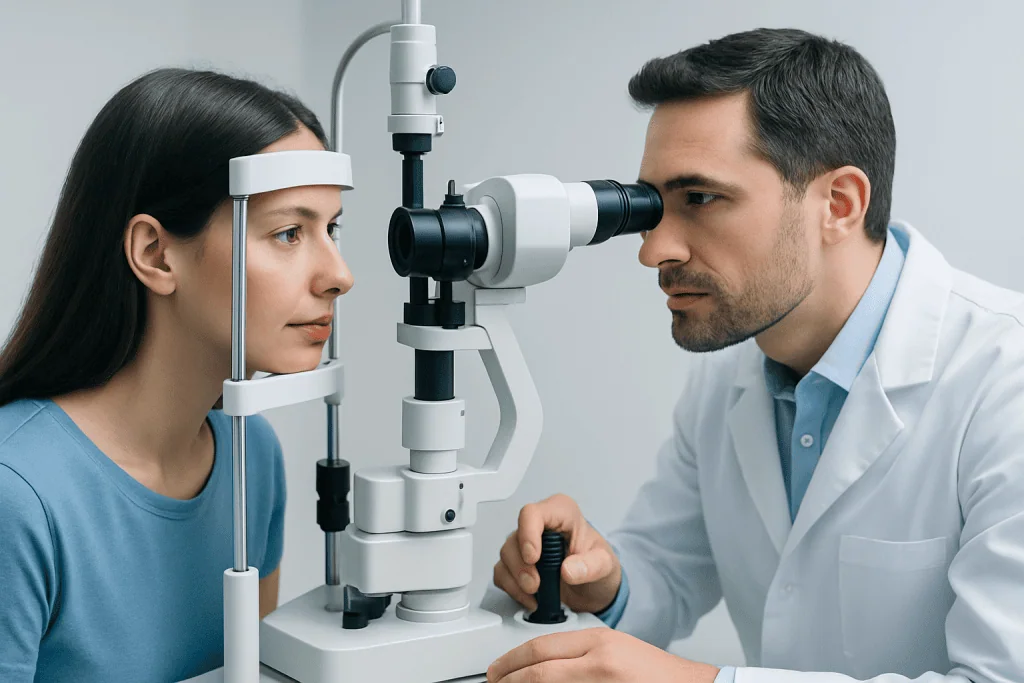
An eye specialist usually begins with a careful history of symptoms, contact lens use, recent injury, past eye conditions, and any general health problems. The eye is then examined with a slit lamp, a microscope that allows the doctor to inspect the cornea in detail. Special dyes may be used to highlight scratches, dry areas, or ulcers on the corneal surface.
Depending on the problem, additional testing may be needed. Corneal topography can map the cornea’s shape and is especially helpful in conditions such as keratoconus. Thickness measurements, tear testing, and pressure checks may also be performed. If infection is suspected, the doctor may take a small sample from the cornea for laboratory testing.
Diagnosis is important because different corneal conditions can look similar at first but require very different treatments. For example, a viral infection should not be treated in the same way as a bacterial ulcer, and an injury related to contact lenses needs different care from dry eye disease. A clear diagnosis helps guide safe and effective treatment.
Treatment options for cornea disorders
Treatment depends on the underlying cause. Mild surface irritation or a small scratch may improve with lubricating drops, temporary activity changes, and close follow-up. Infections may require medicated eye drops, and inflammation may need treatment directed by an eye doctor. Contact lens users are often advised to stop wearing lenses until the cornea has healed.
When the cornea’s shape is abnormal, treatment may include glasses, specialized contact lenses, or procedures to stabilize the tissue. In selected patients with progressive keratoconus, corneal cross-linking may help strengthen the cornea and slow further change. If corneal clouding or severe damage affects sight, surgery may be considered.
Some advanced cases are treated with cornea transplantation, in which part or all of the damaged cornea is replaced with healthy donor tissue. Other patients may benefit from procedures that improve the corneal surface or treat related vision problems, such as eye laser surgery when appropriate and after careful evaluation. Treatment choices should always be individualized based on the diagnosis, eye health, and visual needs.
Because the cornea heals in a delicate way, self-treatment is not always safe. Steroid drops, leftover antibiotics, or home remedies may worsen certain conditions. Anyone with persistent symptoms should seek professional advice rather than trying to manage a painful red eye alone.
Prevention and daily self-care
Many corneal problems can be reduced with simple protective habits. Good contact lens hygiene is especially important: lenses should be cleaned and stored exactly as instructed, worn for the recommended time only, and never shared. Sleeping in lenses or exposing them to water, including swimming pools and showers, can raise the risk of serious infection.
Protective eyewear helps prevent injuries during sports, home repairs, gardening, and certain workplaces. If chemicals or debris enter the eye, immediate rinsing with clean water is important, followed by medical advice when needed. People who spend long hours at screens may benefit from regular blinking, rest breaks, and measures that support a healthy tear film.
Managing dry eye and allergies can also protect the cornea. Lubricating drops, avoiding smoke and overly dry air, and treating eyelid or allergy symptoms may reduce irritation and eye rubbing. Near the end of the care pathway, patients seeking specialist evaluation may find support from Acibadem International, where multidisciplinary eye specialists in JCI-accredited hospitals diagnose and treat corneal conditions for international patients.
When to seek medical care
Medical care should be sought promptly for sudden eye pain, new redness with blurred vision, marked light sensitivity, or any suspected eye injury. Symptoms after contact lens wear deserve particular attention because some infections can progress quickly. A painful red eye should not be assumed to be simple tiredness or allergy, especially if vision is affected.
Urgent assessment is also important if there is discharge, a white spot on the cornea, trouble opening the eye, or symptoms after a chemical splash. People with diabetes, immune system problems, or previous eye disease should be especially cautious. Early treatment can lower the risk of scarring and help preserve vision.
Even milder symptoms should be checked if they persist, recur, or interfere with daily activities. An eye doctor can identify whether the problem involves the cornea, eyelids, tear film, or another part of the eye. Timely advice is the safest way to protect comfort and eyesight.
Frequently asked questions
What does the cornea do?
The cornea is the clear front layer of the eye. It helps focus light for sharp vision and acts as a protective barrier against dust, germs, and minor injury.
Can the cornea heal on its own?
Minor surface scratches can sometimes heal quickly because the outer layer of the cornea renews itself. However, pain, redness, or blurred vision should still be assessed, because deeper injury or infection may need treatment.
What are the warning signs of a serious corneal problem?
Eye pain, sudden blurred vision, strong light sensitivity, redness, discharge, or a white spot on the eye can all be warning signs. These symptoms are more urgent if they begin after contact lens use, injury, or chemical exposure.
Do dry eyes affect the cornea?
Yes. The cornea relies on a stable tear film to stay smooth, comfortable, and clear. If the eyes are very dry, the corneal surface can become irritated and develop small areas of damage.
Can contact lenses damage the cornea?
They can if they are worn too long, cleaned improperly, or used while sleeping or swimming. Poor lens hygiene raises the risk of scratches, irritation, and serious corneal infection.
Is corneal surgery always necessary?
No. Many corneal problems improve with drops, medicines, observation, or contact lens changes. Surgery is usually considered only when there is significant structural damage, progressive disease, or vision loss that cannot be managed conservatively.
References
- American Academy of Ophthalmology
- National Eye Institute
- Mayo Clinic
- Merck Manual Professional Edition
This article is for general information only and is not a substitute for professional medical advice. Please consult a qualified doctor about your individual situation.
Explore treatments in Turkey — costs, top hospitals & a free quote
JCI-accredited · board-certified surgeons · reply within 24h
Add us as a Preferred Source to see more of our trusted health content across Google Search, AI Overviews and Discover.