Coronary Arteries — Explained by Medical Evidence, Not Myths
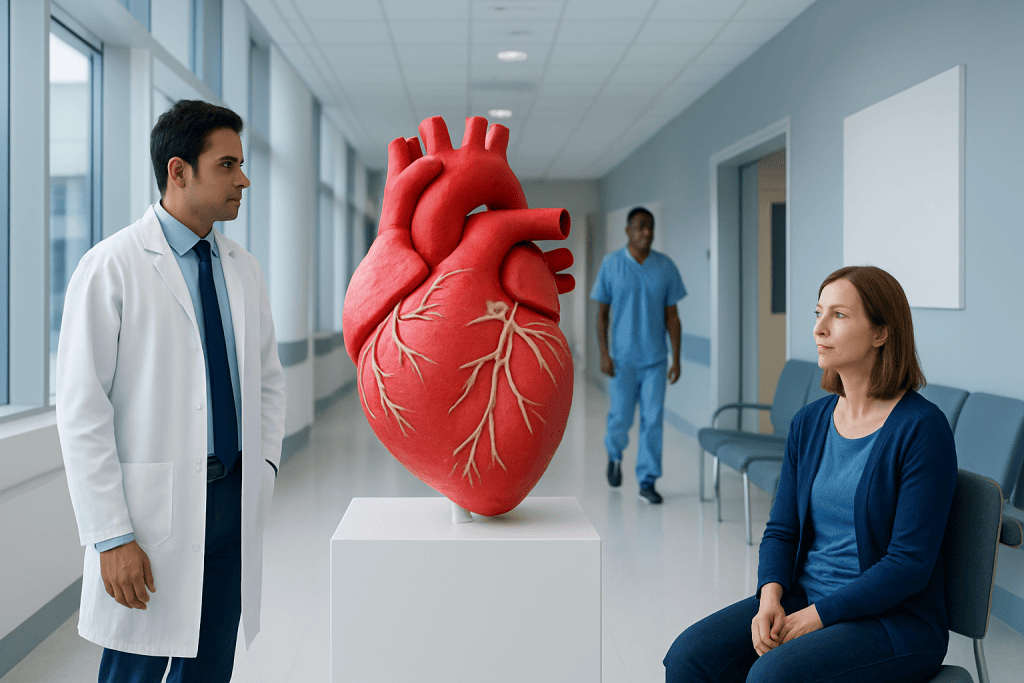
Coronary arteries feed the heart muscle and are essential for normal heart function. Problems usually happen when plaque buildup narrows the artery or when a clot suddenly blocks it.
Key Takeaways
- Coronary arteries feed the heart muscle and are essential for normal heart function.
- Problems usually happen when plaque buildup narrows the artery or when a clot suddenly blocks it.
- Symptoms can include chest pressure, shortness of breath, fatigue, or may be subtle in some people.
- Diagnosis often combines a medical history, exam, ECG, blood tests, and imaging or stress testing.
- Treatment depends on severity and may include lifestyle changes, medicines, catheter-based procedures, or surgery.
- Sudden chest pain, shortness of breath, or symptoms of a heart attack need urgent medical attention.
Coronary arteries are the blood vessels that deliver oxygen-rich blood to the heart muscle itself. When these arteries narrow or become blocked, the heart may not get enough blood, which can cause chest pain, reduced exercise tolerance, or a heart attack.
What coronary arteries are and why they matter
Coronary arteries are the blood vessels that wrap around the surface of the heart and supply the heart muscle with oxygen and nutrients. This is different from the blood flowing through the chambers of the heart. In simple terms, the heart pumps blood to the body, but it also needs its own dedicated blood supply to keep beating effectively.
There are two main coronary arteries: the left main coronary artery and the right coronary artery. The left main usually divides into important branches, including the left anterior descending artery and the circumflex artery. These branches nourish different areas of the heart muscle, so a blockage in one area can affect a specific part of the heart.
When people talk about “blocked coronary arteries,” they are usually referring to narrowing caused by plaque buildup, a process called atherosclerosis. Over time, this can reduce blood flow, especially during exercise or stress, when the heart needs more oxygen. If a plaque ruptures and a clot forms, blood flow may stop suddenly, leading to a heart attack.
This topic is often surrounded by myths, such as the idea that heart artery disease always causes dramatic chest pain or only affects older men. In reality, symptoms may be mild, unusual, or absent until disease is advanced, and people of different ages and sexes can be affected.
How healthy coronary arteries work
Healthy coronary arteries are flexible, open blood vessels lined by a smooth inner layer called the endothelium. This lining helps regulate blood flow, supports normal clotting balance, and responds to the body’s changing needs. During physical activity, coronary arteries widen so the heart muscle receives more oxygen-rich blood.
Most coronary blood flow occurs when the heart relaxes between beats, a phase called diastole. That is why conditions that reduce artery opening or increase the heart’s workload can quickly create a mismatch between oxygen supply and demand. Even partial narrowing can become important during exertion, emotional stress, fever, or anemia.
Coronary circulation can also be affected by spasm, inflammation, or dysfunction of the tiny vessels within the heart, sometimes called microvascular disease. This means a person can have symptoms suggestive of poor heart blood flow even if major arteries do not show a severe blockage. Accurate evaluation matters because not all coronary problems look the same.
Understanding this normal function helps explain why risk factors such as smoking, high blood pressure, diabetes, and high cholesterol matter. These conditions can gradually injure the artery lining and make plaque formation or clotting more likely.
Symptoms linked to coronary artery problems
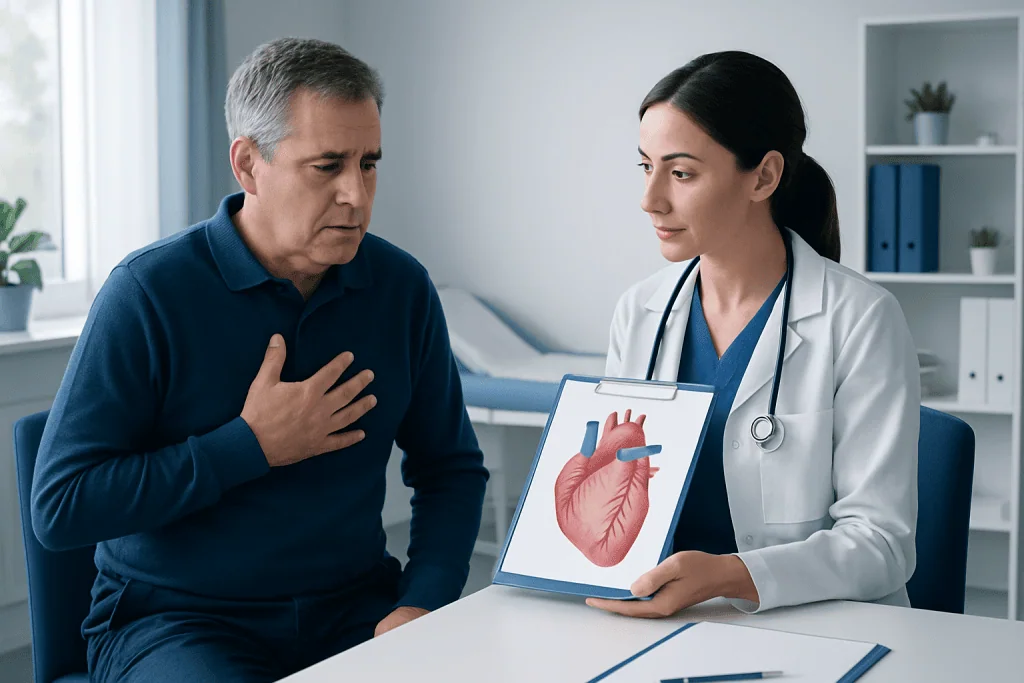
The most familiar symptom is angina, often described as pressure, tightness, heaviness, burning, or discomfort in the chest. Some people feel it in the arm, shoulder, back, neck, jaw, or upper abdomen rather than in the center of the chest. It may come on with walking, climbing stairs, emotional stress, or cold weather and improve with rest.
Not everyone experiences classic chest pain. Coronary artery disease may also cause shortness of breath, unusual fatigue, reduced exercise capacity, nausea, lightheadedness, or sweating. Older adults, women, and people with diabetes are more likely to have less typical symptoms, which can delay recognition.
Symptoms can occur in different patterns. Stable symptoms tend to be predictable and happen with a similar amount of exertion. Symptoms that are new, more frequent, happen at rest, or feel more intense may suggest unstable disease and require prompt medical attention.
- Chest pressure or tightness
- Pain spreading to the arm, jaw, back, or shoulder
- Shortness of breath
- Unusual tiredness with activity
- Nausea, sweating, or dizziness
- Sudden severe symptoms that may signal a heart attack
A heart attack can happen when a coronary artery becomes fully blocked. In that setting, symptoms often last longer than a few minutes, may not improve with rest, and can be accompanied by marked weakness, sweating, or breathlessness. Immediate emergency care is essential.
What causes coronary arteries to narrow or block
The most common cause is atherosclerosis, a gradual buildup of fatty deposits, inflammatory cells, and scar-like material inside the artery wall. This plaque can make the channel narrower and less able to deliver blood when the heart works harder. It may also become unstable and rupture, which can trigger clot formation.
Several risk factors increase the chance of coronary artery disease. Some cannot be changed, such as older age, family history of early heart disease, and certain inherited cholesterol conditions. Others are strongly influenced by health habits and long-term medical conditions.
- Smoking or tobacco exposure
- High LDL cholesterol or low HDL cholesterol
- High blood pressure
- Diabetes or insulin resistance
- Overweight and obesity
- Physical inactivity
- Unhealthy dietary patterns
- Chronic stress and poor sleep
- Kidney disease and some inflammatory conditions
Less common causes of coronary artery problems include coronary artery spasm, spontaneous coronary artery dissection, congenital abnormalities, and disease of the small vessels. Because chest symptoms have different possible causes, an individualized assessment is important rather than assuming all discomfort is the same.
Coronary artery narrowing is closely related to coronary artery disease, but a complete evaluation may also consider whether symptoms reflect a broader cardiovascular condition or another non-cardiac issue.
How doctors diagnose coronary artery disease
Diagnosis begins with a careful history and physical examination. A doctor will ask about the type of discomfort, what brings it on, how long it lasts, and whether there are risk factors such as smoking, diabetes, or family history. This first step helps estimate how likely it is that symptoms are coming from the coronary arteries.
Common initial tests include an electrocardiogram (ECG), blood pressure measurement, and blood tests. If a heart attack is suspected, cardiac troponin blood tests help detect heart muscle injury. Routine blood work may also assess cholesterol, blood sugar, kidney function, anemia, or thyroid-related contributors.
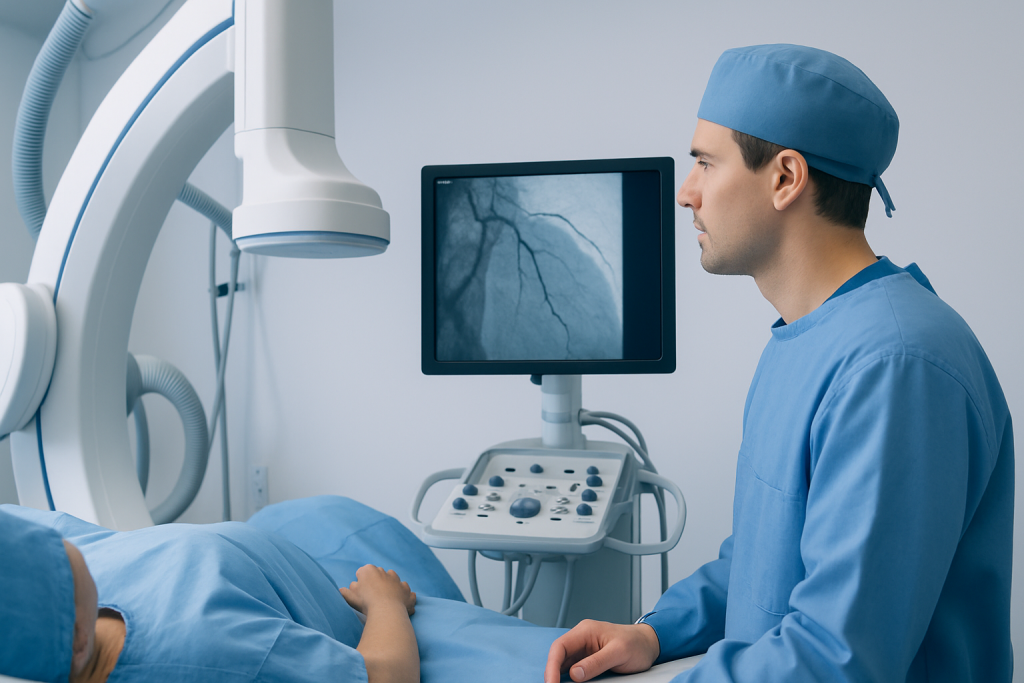
Further testing depends on the situation. A stress test looks for evidence that the heart is not getting enough blood during exercise or with medicine that simulates exertion. Imaging options may include echocardiography, nuclear perfusion imaging, stress MRI, or CT coronary angiography. In some cases, invasive coronary angiography is used to directly view the arteries and, if needed, proceed to treatment.
Doctors use these tools not just to confirm whether blockage exists, but to understand severity, location, effect on heart function, and the best next step. This may include medical therapy alone, close monitoring, or procedures such as coronary angiography or coronary angioplasty and stent placement when appropriate.
Treatment options for blocked or narrowed coronary arteries
Treatment is tailored to symptoms, test findings, overall health, and the degree of artery disease. For many people, the foundation is lifestyle improvement plus medicines that reduce symptoms and lower the risk of heart attack. These may include drugs to manage cholesterol, blood pressure, clotting risk, or the heart’s oxygen demand.
Lifestyle measures remain essential even when procedures are needed. Stopping smoking, following a heart-healthy eating pattern, being physically active within medical guidance, maintaining a healthy weight, and controlling diabetes all help protect the coronary arteries over time. Treatment is not a one-time event but a long-term strategy.
When an artery is significantly narrowed and causing symptoms or threatening heart muscle, a catheter-based procedure may be recommended. During angioplasty, a small balloon opens the narrowed area and a stent may be placed to help keep the artery open. In more extensive or complex disease, especially when several vessels are involved, surgery may be the better option, such as coronary artery bypass surgery.
Follow-up care matters after any treatment. Ongoing medical review helps adjust medicines, monitor symptoms, and support risk-factor control. Near the end of the care pathway, some patients may also benefit from supervised cardiac rehabilitation. For international patients, Acibadem International’s multidisciplinary specialists and JCI-accredited hospitals diagnose and treat coronary conditions with individualized planning.
Prevention and everyday self-care for coronary artery health
Protecting the coronary arteries starts long before symptoms appear. A balanced eating pattern rich in vegetables, fruits, legumes, whole grains, nuts, and healthy fats can support cholesterol and blood pressure control. Limiting tobacco, excess salt, highly processed foods, and trans fats is also important.
Regular physical activity helps the heart and blood vessels work more efficiently. Many adults benefit from consistent moderate exercise, but the safest plan depends on age, fitness, and medical history. A doctor should guide activity levels for anyone with known heart disease, chest symptoms, or major risk factors.
Self-care also includes taking prescribed medicines as directed and attending routine checkups. High blood pressure, diabetes, and abnormal cholesterol often do not cause early symptoms, yet they can steadily damage the artery lining. Good control of these conditions can slow progression of coronary disease and lower future risk.
Stress management, enough sleep, and avoiding secondhand smoke are useful additions to heart care. While supplements and internet remedies are often promoted for “cleaning arteries,” no supplement should replace evidence-based treatment. It is safest to discuss any over-the-counter product with a qualified clinician, especially because some can interact with heart medicines.
When to seek medical care
Medical review is important for chest discomfort, unexplained breathlessness, or a noticeable decline in exercise tolerance, especially in a person with risk factors such as smoking, diabetes, high blood pressure, or high cholesterol. Symptoms that keep returning with activity should not be ignored, even if they improve with rest.
Urgent care is needed for symptoms that may suggest a heart attack. These include chest pressure or pain lasting more than a few minutes, pain spreading to the arm or jaw, sudden shortness of breath, cold sweat, faintness, or severe nausea. Emergency assessment is also important if symptoms are new, more intense than usual, or happening at rest.
Some people delay care because the symptoms feel mild or unusual. However, coronary artery disease does not always present in the same way. Early evaluation can clarify whether the cause is cardiac and may prevent complications.
Anyone already diagnosed with coronary disease should seek prompt advice if medicines stop working as expected, physical activity becomes harder, or new symptoms appear. A healthcare professional can decide whether treatment needs adjustment or whether further testing is required.
Frequently asked questions
What do coronary arteries do?
Coronary arteries supply oxygen-rich blood to the heart muscle. Without this blood flow, the heart cannot pump effectively. They are essential for every heartbeat.
Can coronary artery disease exist without symptoms?
Yes. Some people have no clear symptoms until the disease becomes advanced or a heart attack occurs. Others may notice only reduced stamina, mild shortness of breath, or unusual fatigue.
Is chest pain always caused by blocked coronary arteries?
No. Chest pain can come from the muscles, lungs, digestive tract, anxiety, or other heart-related conditions. Because some causes are serious, new or unexplained chest discomfort should be assessed by a doctor.
Can lifestyle changes really help the coronary arteries?
Yes. Stopping smoking, improving diet, staying active, and managing blood pressure, cholesterol, and diabetes can reduce risk and slow disease progression. Lifestyle changes are important whether or not a procedure is needed.
What is the difference between angioplasty and bypass surgery?
Angioplasty is a minimally invasive catheter procedure used to open a narrowed artery, often with a stent. Bypass surgery creates a new route for blood flow around blocked segments. The best option depends on how many arteries are affected, where the blockages are, and the person’s overall health.
Who is at higher risk for coronary artery disease?
Risk is higher in people who smoke, have diabetes, high blood pressure, high cholesterol, obesity, kidney disease, or a strong family history. Risk also generally rises with age, although younger adults can be affected too.
References
- American Heart Association
- National Heart, Lung, and Blood Institute
- Centers for Disease Control and Prevention
- European Society of Cardiology
- World Health Organization
This article is for general information only and is not a substitute for professional medical advice. Please consult a qualified doctor about your individual situation.
Heart care in Turkey — expert evaluation and treatment
JCI-accredited · board-certified surgeons · reply within 24h
Add us as a Preferred Source to see more of our trusted health content across Google Search, AI Overviews and Discover.
Check your numbers in seconds
BMI, calories, due date, blood pressure and 30+ more clinical calculators — free, instant, doctor-reviewed ranges.

More from the Health Library



Related Specialists

Çiğdem Ünver
Physical Medicine & Rehabilitation
Dr. Nuri Soysal
Aesthetic Plastic & Reconstructive Surgery
Prof. Dr. Muammer Doygun
Neurosurgery
Dt. Mete Dalbeler
Oral & Dental Health