Cpap Alternatives: What Patients Need to Know

CPAP is not the only treatment for obstructive sleep apnea, but alternatives should be matched to the individual cause and severity. Common CPAP alternatives include oral appliance therapy, positional therapy, weight management, nasal treatment, surgery, and selected implantable devices.
Key Takeaways
- CPAP is not the only treatment for obstructive sleep apnea, but alternatives should be matched to the individual cause and severity.
- Common CPAP alternatives include oral appliance therapy, positional therapy, weight management, nasal treatment, surgery, and selected implantable devices.
- A sleep evaluation is important before changing treatment, because untreated sleep apnea can affect sleep quality, blood pressure, heart health, and daytime alertness.
- Some options work best for mild to moderate obstructive sleep apnea, while others may help patients who cannot tolerate CPAP.
- Patients should seek medical advice if they have loud snoring, witnessed pauses in breathing, severe daytime sleepiness, or ongoing symptoms despite treatment.
CPAP alternatives are available, but the best option depends on why sleep apnea happens, how severe it is, and whether CPAP is ineffective or simply hard to use. Patients often have several evidence-based choices, including oral appliances, lifestyle measures, positional therapy, surgery, and selected device-based treatments after proper evaluation.
Overview: What are CPAP alternatives?
CPAP alternatives are other ways to treat obstructive sleep apnea when continuous positive airway pressure is not tolerated, not preferred, or not the best fit for a patient’s anatomy and sleep pattern. These options can include oral appliances worn in the mouth during sleep, positional therapy, weight management, treatment for nasal blockage, surgery, and certain newer device-based approaches. The right choice depends on the severity of sleep apnea, the structure of the airway, body weight, nasal breathing, and overall health.
For many people, CPAP remains a very effective treatment because it keeps the airway open throughout the night. However, real-world treatment success also depends on comfort and regular use. If a patient struggles with mask fit, dryness, pressure intolerance, or claustrophobia, a clinician may first try to improve CPAP use before recommending a different option.
It is also important to understand that not all sleep-disordered breathing is the same. Most CPAP alternatives discussed for the general public are designed for obstructive sleep apnea, in which the throat narrows or collapses during sleep. They are not automatically suitable for central sleep apnea, which has a different mechanism and needs specialist assessment.
Who may consider an alternative to CPAP?
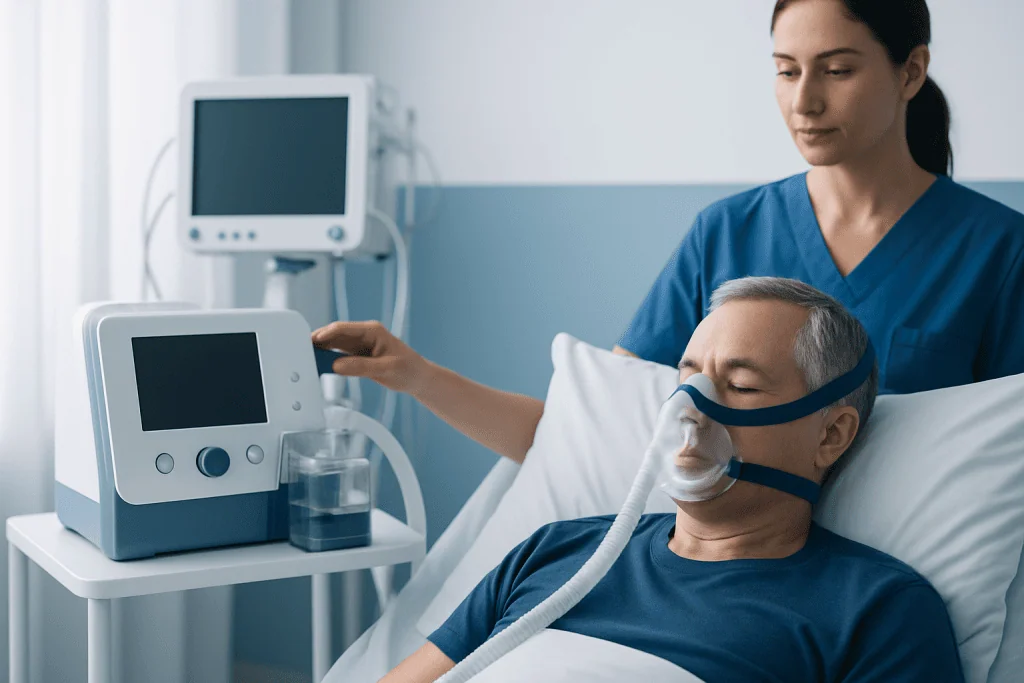
Patients may consider alternatives when they have confirmed obstructive sleep apnea and cannot use CPAP consistently despite support. Some people find the mask uncomfortable, remove it during sleep, or feel they cannot sleep naturally with pressurized airflow. Others may travel often, have persistent nasal congestion, or prefer a smaller device after discussing the risks and benefits with a sleep specialist.
Alternatives may also be considered when sleep apnea is mild or moderate and a simpler treatment is likely to work well. For example, some people mainly have apnea when sleeping on their back, while others have jaw or tongue positions that respond to a dental device. In these situations, treatment can sometimes be tailored more precisely.
A careful sleep assessment helps guide the decision. This may include a sleep study, an ear, nose, and throat examination, and review of symptoms such as loud snoring, witnessed pauses in breathing, morning headaches, poor concentration, and daytime sleepiness. Because breathing during sleep can overlap with other conditions, patients may also need evaluation for sleep apnea and related breathing problems.
Main CPAP alternatives and how they work
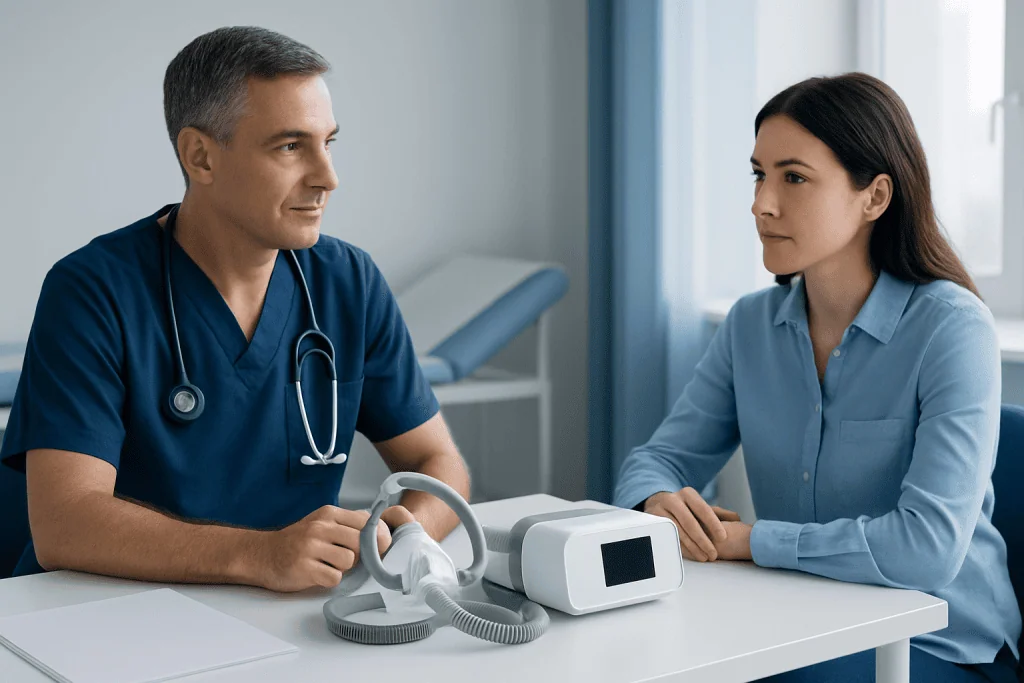
One of the most established CPAP alternatives is an oral appliance, also called a mandibular advancement device. This custom-made device is fitted by a trained dentist and gently moves the lower jaw forward during sleep. By doing this, it can help keep the airway more open. Oral appliances are often considered for mild to moderate obstructive sleep apnea or for patients with snoring and CPAP intolerance.
Positional therapy is another option for people whose breathing problems happen mainly when they sleep on their back. Special devices, wearable sensors, or behavioral strategies can encourage side-sleeping. This approach is usually most helpful when a sleep study shows clear position-related apnea rather than events that occur in all sleep positions.
Lifestyle measures can also be an important part of treatment. Weight loss may reduce airway narrowing in some people, especially when excess tissue around the neck and upper airway contributes to obstruction. Avoiding alcohol close to bedtime, stopping smoking, and reviewing sedating medications with a doctor may also improve sleep breathing in selected patients.
Some patients benefit from treatment of nasal obstruction or structural airway issues. If chronic blockage, enlarged tissues, or other anatomical problems play a major role, a specialist may discuss septoplasty or related procedures to improve airflow. In selected cases, upper airway surgery or more advanced treatments may be considered after a thorough workup.
Medical and surgical options in selected patients
When non-surgical approaches are not enough, a doctor may consider procedures that target the areas causing blockage. These can involve the nose, soft palate, tonsils, tongue base, or jaw structure. Surgery is not one single treatment; it is a group of options chosen according to the patient’s anatomy, symptom pattern, and sleep study findings.
Nasal surgery may help people whose blocked nasal passages make CPAP difficult or worsen nighttime breathing discomfort. Throat procedures may be considered if enlarged tonsils, redundant soft tissue, or other tissue collapse contribute to obstruction. In some situations, doctors may discuss sleep apnea surgery as part of a broader treatment plan rather than a stand-alone answer for every patient.
For carefully selected adults with moderate to severe obstructive sleep apnea who cannot tolerate CPAP, implantable treatments that stimulate the airway muscles during sleep may be an option in some centers. These are not appropriate for everyone and usually require detailed testing to see whether the pattern of airway collapse is suitable. Patients with significant jaw structure problems may also be evaluated for maxillofacial surgery when facial anatomy plays a major role in airway narrowing.
How doctors choose the best alternative
Choosing among CPAP alternatives starts with confirming the diagnosis and understanding the severity of disease. A sleep study helps show how often breathing pauses happen, how low oxygen levels fall, and whether events are worse in certain positions or sleep stages. Doctors also ask about daytime symptoms, work and driving safety, blood pressure, and medical conditions such as heart disease or obesity.
Physical examination is equally important. The nose, palate, tonsils, tongue, jaw, and neck shape can all influence treatment choice. Some patients may need additional evaluation by ear, nose, and throat specialists, dental sleep medicine clinicians, or maxillofacial surgeons. In certain cases, doctors look more closely at the upper airway to decide whether a procedure would likely help.
The best alternative is the one that is both medically appropriate and realistic for the patient to use long term. A highly effective therapy will not help if it is not used consistently. For that reason, treatment planning often balances effectiveness, comfort, side effects, convenience, and the patient’s preferences.
Self-care, follow-up, and long-term management
Even when a patient switches from CPAP to another treatment, follow-up remains important. Sleep apnea can change over time with aging, weight changes, nasal problems, or new medical conditions. A treatment that worked well before may need adjustment later, and symptoms such as recurrent snoring or daytime tiredness should not be ignored.
Simple self-care steps can support any treatment plan. These may include keeping a regular sleep schedule, sleeping on the side if advised, limiting alcohol in the evening, avoiding untreated nasal allergies, and working toward a healthy weight if recommended by a clinician. If an oral appliance is used, regular dental review helps ensure comfort, fit, and jaw health.
Patients should also know that snoring improvement alone does not always mean sleep apnea is fully controlled. In many cases, doctors recommend repeat testing after starting a new therapy to confirm that breathing during sleep has improved. At experienced centers, including Acibadem International, multidisciplinary specialists in sleep medicine, ENT, dentistry, and surgery can assess international patients and guide individualized treatment planning.
When to seek medical care
Medical care is important if a person has loud habitual snoring, witnessed pauses in breathing, choking or gasping during sleep, morning headaches, poor concentration, or excessive daytime sleepiness. These symptoms may suggest obstructive sleep apnea, which can affect quality of life and may contribute to broader health problems when left untreated.
Patients already using CPAP should seek review if they cannot tolerate the device, keep removing it at night, or continue to feel unrefreshed despite treatment. Ongoing symptoms may mean the therapy needs adjustment or that another diagnosis should be considered. Sudden worsening of sleep-related breathing, severe daytime drowsiness, or safety concerns such as sleepiness while driving deserve prompt medical attention.
It is also wise to seek specialist advice before buying over-the-counter devices marketed as a simple cure. Some may not fit properly or may be ineffective for the underlying problem. A doctor can help patients compare established options, including snoring and sleep-related airway conditions that may overlap but require different treatment strategies.
Frequently asked questions
What is the best alternative to CPAP?
There is no single best option for everyone. The most suitable alternative depends on the type and severity of obstructive sleep apnea, the shape of the airway, body weight, nasal breathing, and whether the patient can use the treatment regularly.
Are oral appliances as effective as CPAP?
Oral appliances can work well for some patients, especially those with mild to moderate obstructive sleep apnea. In general, CPAP is often more effective at reducing breathing events, but an oral appliance may be a better real-life option for someone who cannot tolerate CPAP consistently.
Can weight loss replace CPAP?
Weight loss may improve sleep apnea in some people and can be an important part of treatment. However, it does not reliably cure sleep apnea in every patient, so follow-up testing is usually needed before stopping CPAP or another prescribed therapy.
Do CPAP alternatives work for all types of sleep apnea?
Most common alternatives are intended for obstructive sleep apnea, which happens when the airway narrows or collapses. Central sleep apnea has a different cause and requires medical assessment before treatment changes are made.
Can surgery cure sleep apnea?
Surgery may significantly help selected patients, especially when a structural blockage is clearly identified. Still, results vary, and some people may need additional therapy afterward, so surgery is usually considered as part of a personalized treatment plan.
Should a patient stop CPAP if they want to try another option?
Patients should not stop prescribed CPAP without medical guidance. A doctor can help plan a safe transition, arrange appropriate testing, and confirm whether the alternative treatment is working well enough.
References
- American Academy of Sleep Medicine
- National Heart, Lung, and Blood Institute
- American Thoracic Society
- National Institute for Health and Care Excellence
- American Academy of Dental Sleep Medicine
This article is for general information only and is not a substitute for professional medical advice. Please consult a qualified doctor about your individual situation.
Explore treatments in Turkey — costs, top hospitals & a free quote
JCI-accredited · board-certified surgeons · reply within 24h
Add us as a Preferred Source to see more of our trusted health content across Google Search, AI Overviews and Discover.

More from the Health Library

HPV Aptima: A Complete Medical Overview
Myxedema: An Evidence-Based Guide for Patients
Antibacterial Mouthwash — Explained by Medical Evidence, Not Myths
Nodular acne: Symptoms, Causes, and Treatment — Complete Patient Guide
Liquid Iron: An Evidence-Based Guide for Patients