Cramping After Ovulation Explained: Causes, Management, and When to See a Doctor
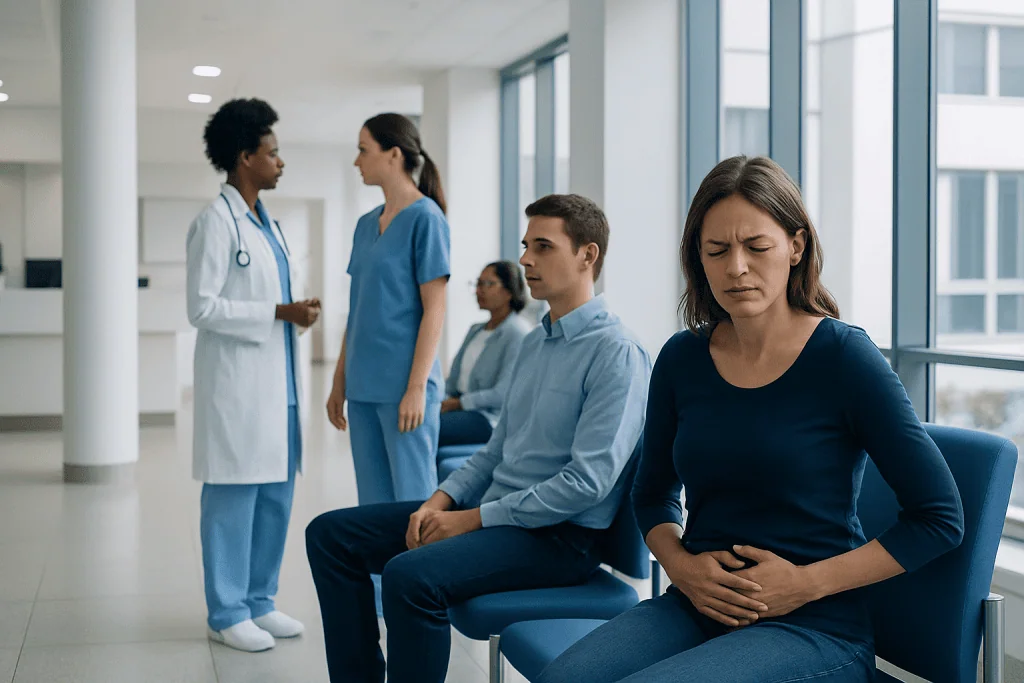
Mild cramping after ovulation can be a normal part of the menstrual cycle. Ovulation pain is usually one-sided, short-lived, and not severe.
Key Takeaways
- Mild cramping after ovulation can be a normal part of the menstrual cycle.
- Ovulation pain is usually one-sided, short-lived, and not severe.
- Persistent or intense cramps may be related to conditions such as cysts, endometriosis, or infection.
- Tracking symptoms across the menstrual cycle can help identify patterns and support diagnosis.
- Medical care is important if pain is sudden, severe, or occurs with fever, heavy bleeding, or dizziness.
Cramping after ovulation is commonly linked to normal hormonal changes or brief ovulation-related pelvic pain, and it often goes away on its own. However, cramps that are severe, ongoing, or accompanied by symptoms such as fever, heavy bleeding, or unusual discharge may point to another condition and deserve medical evaluation.
Overview: Is Cramping After Ovulation Normal?
Cramping after ovulation is often normal. Many people notice a mild ache, twinge, or pressure in the lower abdomen around the middle of the menstrual cycle or shortly afterward. This can happen as the ovary releases an egg and hormone levels begin to shift in the second half of the cycle.
For most, this discomfort is mild, brief, and improves without treatment. It may feel one-sided or centered low in the pelvis, and it can last from a few minutes to a day or two. Some people also notice bloating, breast tenderness, or changes in vaginal discharge at the same time.
Still, not every cramp after ovulation is caused by ovulation itself. Similar pain can come from digestive upset, muscle strain, urinary problems, or gynecologic conditions. The timing, intensity, and any other symptoms are important clues.
Understanding what is expected and what is not can help a person decide when self-care is enough and when a medical assessment is a better next step.
What It Can Feel Like
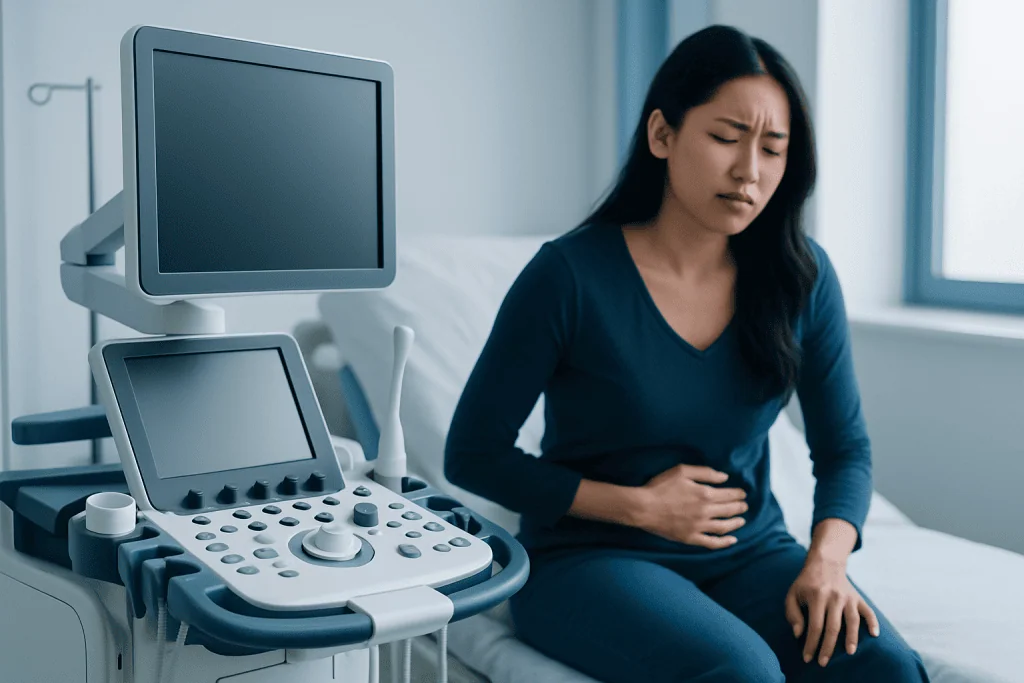
People describe cramping after ovulation in different ways. It may feel like a dull ache, a pulling sensation, light pressure, or a brief sharp pain. Some notice it only on one side of the lower abdomen, while others feel a more general pelvic discomfort.
Typical ovulation-related cramps are usually mild to moderate rather than severe. They may appear around ovulation and continue for a short time afterward as the body responds to changing levels of estrogen and progesterone. Pain that comes and goes and does not interfere much with daily activities is more likely to be benign.
Other symptoms can occur along with cramping, including:
- Light spotting
- Temporary bloating
- Increased cervical mucus or slippery discharge
- Breast tenderness
- A sense of pelvic fullness
If cramping becomes stronger over time, spreads widely through the abdomen, or starts to affect sleep, work, or exercise, it is less likely to be routine cycle discomfort and should be discussed with a doctor.
Common Causes of Cramping After Ovulation
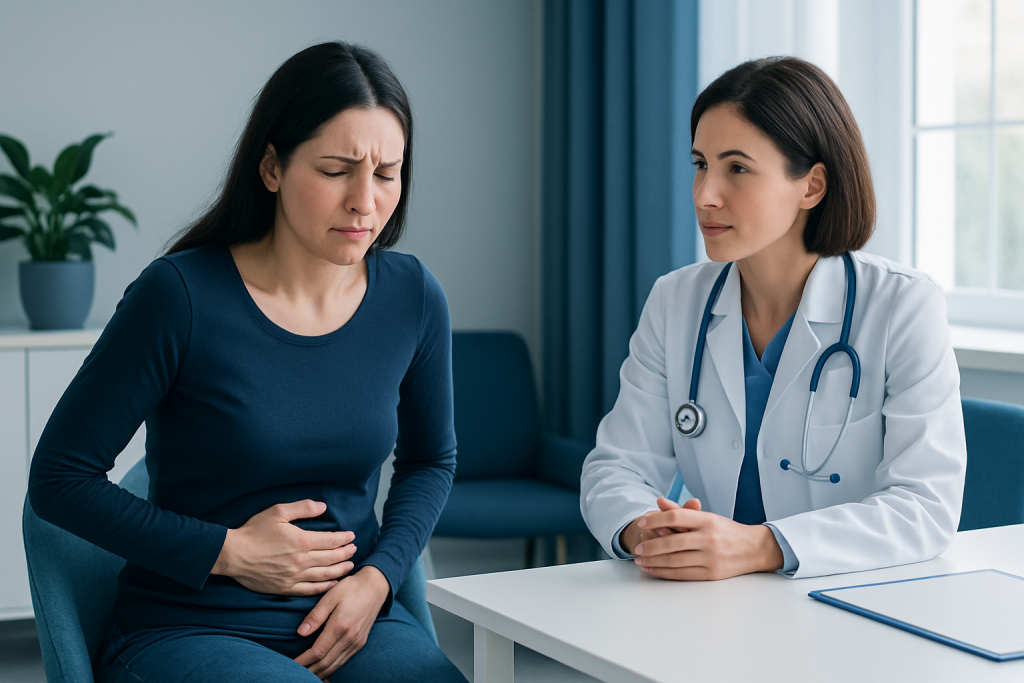
The most common explanation is ovulation pain, also called mittelschmerz. This happens near the release of an egg, possibly due to stretching of the ovarian surface or mild irritation from the fluid released during ovulation. Even though the main event is ovulation itself, some discomfort can continue for a short time afterward.
Hormonal changes are another common cause. After ovulation, progesterone rises. These shifts can affect the uterus, bowel activity, and the way pain is perceived in the pelvis. Some people are simply more sensitive to these normal changes than others.
Cramping after ovulation may also be linked to other conditions, especially if the pattern is repeated or the pain is significant. Examples include ovarian cysts, endometriosis, uterine fibroids, pelvic inflammatory disease, or irritation related to the bowel or bladder. In some cases, implantation cramping may be considered if pregnancy is possible, though this occurs later than ovulation and is not a reliable sign on its own.
Less commonly, persistent pelvic pain may need assessment with gynecologic testing or imaging. Depending on the suspected cause, doctors may recommend pelvic examination, blood tests, or MRI scanning or ultrasound to clarify what is happening.
Risk Factors and Conditions That Can Mimic It
Some people are more likely to notice pelvic pain during the menstrual cycle. A history of painful periods, ovarian cysts, hormonal fluctuations, endometriosis, or prior pelvic infection can increase the chance that cramping after ovulation feels stronger or lasts longer.
Symptoms can also be confused with conditions that are not directly related to ovulation. Digestive causes such as constipation, gas, or irritable bowel syndrome can produce lower abdominal discomfort at any point in the cycle. Urinary tract problems may cause pelvic pressure or burning, while muscle strain can create pain that worsens with movement.
It is also important to consider gynecologic conditions with overlapping symptoms. These may include ovarian cysts, adenomyosis, or early pregnancy-related changes. In some situations, pain that seems cyclical can actually reflect a chronic pelvic pain condition.
Keeping a record of when the cramps start, how long they last, whether they occur on one side, and what other symptoms happen at the same time can help distinguish ovulation-related discomfort from another cause.
How Doctors Diagnose the Cause
Diagnosis starts with a careful history. A doctor will usually ask where the pain is felt, when it occurs in relation to the menstrual cycle, how severe it is, whether it is new or recurring, and if there are related symptoms such as bleeding, discharge, nausea, urinary symptoms, or bowel changes.
A pelvic examination may be recommended, especially if the pain is persistent or there are signs of infection or another gynecologic issue. Pregnancy testing may also be appropriate if there is any possibility of pregnancy, since some early pregnancy complications can cause cramping.
Imaging is often helpful when symptoms are not clearly due to normal ovulation. Pelvic ultrasound is commonly used first to look for cysts, fibroids, or other structural causes. If the symptoms suggest a more complex issue, a doctor may recommend gynecological ultrasound or other targeted evaluations. In selected cases, laparoscopy may be used to investigate ongoing pelvic pain, especially when conditions such as endometriosis are suspected.
The goal of diagnosis is not only to identify a cause, but also to rule out urgent conditions and guide treatment that fits the person’s symptoms, age, reproductive plans, and general health.
Management and Treatment Options
Mild cramping after ovulation usually improves with simple self-care. Rest, hydration, a warm compress or heating pad, and gentle activity may all help. Some people find that avoiding heavy exertion for a short time reduces discomfort.
Over-the-counter pain relief may be appropriate for some adults, if a doctor or pharmacist says it is safe based on their health history. This can be useful when the pain is clearly mild, cyclical, and not accompanied by warning signs. Repeated need for pain relief every cycle, however, should prompt a medical review.
When there is an underlying cause, treatment depends on what is found. Hormonal treatment may be considered for cycle-related pain, while infection, ovarian cysts, or other conditions require a different approach. If symptoms are linked to a chronic gynecologic condition, long-term management may involve a combination of medication, follow-up imaging, and specialist care.
Near the end of the care pathway, some patients benefit from multidisciplinary assessment. Acibadem International’s specialists in women’s health, working in JCI-accredited hospitals, evaluate pelvic pain and related conditions for international patients when further diagnosis or treatment is needed.
Self-Care, Cycle Tracking, and Prevention
Not all ovulation-related cramps can be prevented, because they are often tied to normal cycle biology. Still, paying attention to patterns can make symptoms easier to manage and can help identify when a change may need medical attention.
Cycle tracking is often useful. Recording the first day of each period, likely ovulation timing, pain severity, side of the pain, bleeding, discharge, and any digestive or urinary symptoms can show whether the cramps follow a predictable pattern. This information is especially helpful during a doctor visit.
General measures that may support comfort include:
- Using heat on the lower abdomen
- Staying hydrated
- Getting regular sleep
- Managing stress
- Doing light movement or stretching if comfortable
- Seeking review if symptoms are worsening over time
If pregnancy is possible and menstruation is late, taking a home pregnancy test and speaking with a clinician when pain continues is a sensible step. New or changing pelvic pain should not automatically be assumed to be due to ovulation.
When to Seek Medical Care
Cramping after ovulation should be assessed by a doctor if it is severe, lasts more than a couple of days, keeps coming back in a troubling way, or interferes with daily life. Medical review is also appropriate when symptoms are new, different from the usual pattern, or associated with fertility concerns.
Urgent care is important if pain is sudden and intense, occurs with fever, fainting, vomiting, heavy vaginal bleeding, unusual discharge, shoulder pain, or dizziness. These symptoms can suggest a condition that needs prompt evaluation rather than routine cycle discomfort.
A person should also seek medical advice if they may be pregnant and have pelvic pain, or if the pain is accompanied by urinary burning, bowel symptoms, or pain during sex. These details may point to infection, cyst complications, or another pelvic condition.
Early assessment often provides reassurance when symptoms are harmless and allows timely treatment when they are not. A qualified gynecologist can help determine whether the cramps are part of a normal menstrual cycle or a sign of something else.
Frequently asked questions
How long does cramping after ovulation usually last?
When it is related to ovulation, cramping is usually short-lived. It often lasts from a few minutes to one or two days. If pain continues longer, becomes stronger, or happens outside the expected cycle pattern, a medical review is a good idea.
Can cramping after ovulation be a sign of pregnancy?
It can happen in the same general part of the cycle when pregnancy is possible, but cramping alone is not a reliable sign of pregnancy. Implantation-related sensations, if they occur, usually happen several days after ovulation rather than immediately. A pregnancy test and medical advice are the best ways to clarify the cause.
Is one-sided pain after ovulation normal?
Yes, one-sided pelvic pain can be normal because ovulation usually occurs from one ovary at a time. Mild discomfort on either the right or left side may happen around ovulation and shortly afterward. Severe or persistent one-sided pain, however, should be checked to rule out a cyst or another problem.
What is the difference between ovulation pain and period cramps?
Ovulation pain usually happens around the middle of the cycle and may be felt on one side. Period cramps tend to occur just before or during menstruation and are caused by uterine contractions. The timing in the cycle is often the clearest difference.
Should cramping after ovulation happen every month?
Not necessarily. Some people notice it often, while others feel it only occasionally or not at all. A change in the pattern is not always serious, but recurring pain that becomes disruptive should be discussed with a doctor.
Can stress make cramping after ovulation feel worse?
Stress does not directly cause ovulation, but it can affect how strongly pain is felt and how the body responds to discomfort. Tension, poor sleep, and anxiety may make mild pelvic sensations seem more noticeable. Stress management can be part of symptom support, though it does not replace medical evaluation when warning signs are present.
References
- American College of Obstetricians and Gynecologists
- National Health Service
- Mayo Clinic
- Office on Women's Health
- Merck Manual Consumer Version
This article is for general information only and is not a substitute for professional medical advice. Please consult a qualified doctor about your individual situation.
IVF & fertility treatment in Turkey — success rates and costs
JCI-accredited · board-certified surgeons · reply within 24h
Add us as a Preferred Source to see more of our trusted health content across Google Search, AI Overviews and Discover.
Check your numbers in seconds
BMI, calories, due date, blood pressure and 30+ more clinical calculators — free, instant, doctor-reviewed ranges.