Craniectomy: How It Works, Recovery, and What to Expect

A craniectomy removes a portion of the skull, often to relieve swelling or pressure on the brain. It may be performed urgently after trauma, stroke, bleeding, or infection, or planned as part of other brain treatment.
Key Takeaways
- A craniectomy removes a portion of the skull, often to relieve swelling or pressure on the brain.
- It may be performed urgently after trauma, stroke, bleeding, or infection, or planned as part of other brain treatment.
- Recovery varies widely and may include intensive care, rehabilitation, and a later surgery to replace the skull section.
- Benefits can be lifesaving, but the procedure also carries risks such as infection, bleeding, seizures, and neurological complications.
- Close follow-up with a neurosurgical team is important during healing and long-term recovery.
Craniectomy is a neurosurgical procedure in which a section of the skull is removed, usually to reduce pressure on the brain or to allow safe access for treatment. Recovery depends on the reason for surgery, the patient’s overall health, and whether additional brain treatment is needed afterward.
Overview: what a craniectomy is and why it is done
A craniectomy is an operation in which a neurosurgeon removes a section of the skull to create space for a swollen brain or to reach an area that needs treatment. Unlike some other skull surgeries, the bone piece is not put back right away. This difference matters because the main goal is often to reduce pressure that could otherwise damage delicate brain tissue.
Doctors most often perform a craniectomy in emergencies, such as severe head injury, major stroke, or bleeding inside the skull. In selected cases, it may also be part of treatment for infection, tumor, or other serious brain conditions. Because the brain sits inside a rigid skull, even a small increase in swelling can become dangerous if pressure rises too high.
A craniectomy is not a routine procedure, but it can be lifesaving when brain pressure cannot be controlled with medicines or other supportive measures. After the swelling improves or the underlying condition is treated, many patients later have another operation called cranioplasty, which restores the skull opening with the original bone or a custom implant.
How craniectomy works
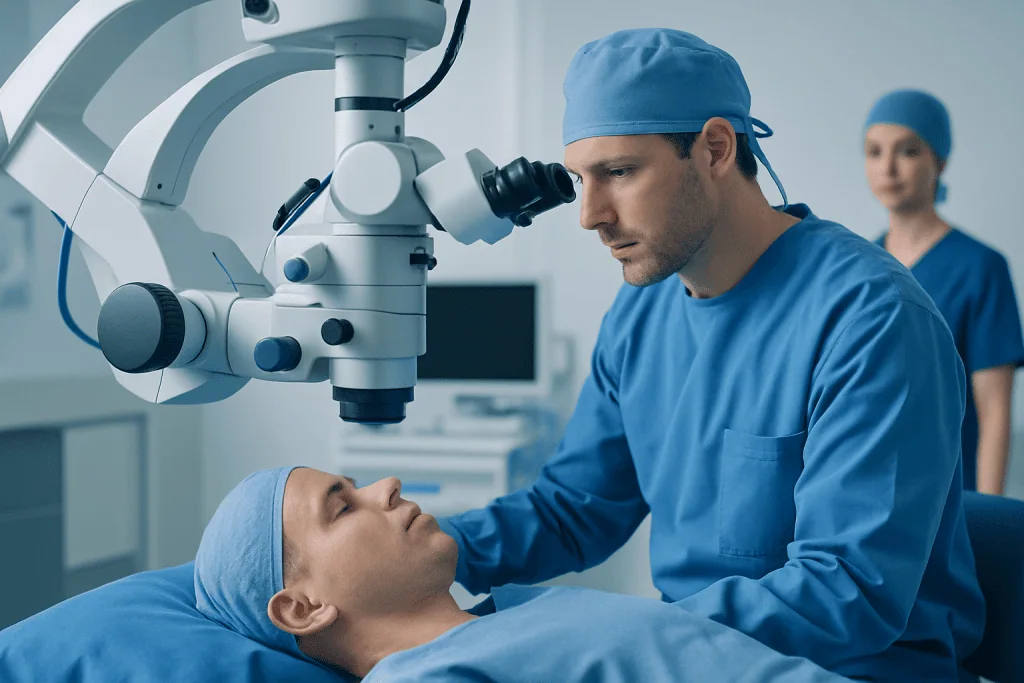
The skull is a hard protective shell, so it cannot expand when the brain swells. If pressure builds inside the head, blood flow to the brain may decrease and brain tissue can be injured. A craniectomy works by temporarily removing part of the skull, giving the swollen brain more room and lowering pressure.
This pressure relief is why the procedure is often called a decompressive craniectomy. It may be used after traumatic brain injury, a large stroke, bleeding around the brain, or severe brain swelling from other causes. In some situations, it also allows the surgeon to safely reach a diseased area for treatment while helping avoid additional pressure-related injury.
The surgery does not treat every cause of brain swelling by itself. Instead, it is usually one part of a broader treatment plan that may include intensive care monitoring, medications, drainage of fluid, treatment of bleeding, or specialized brain tumor treatment when a mass is involved.
Who may need a craniectomy
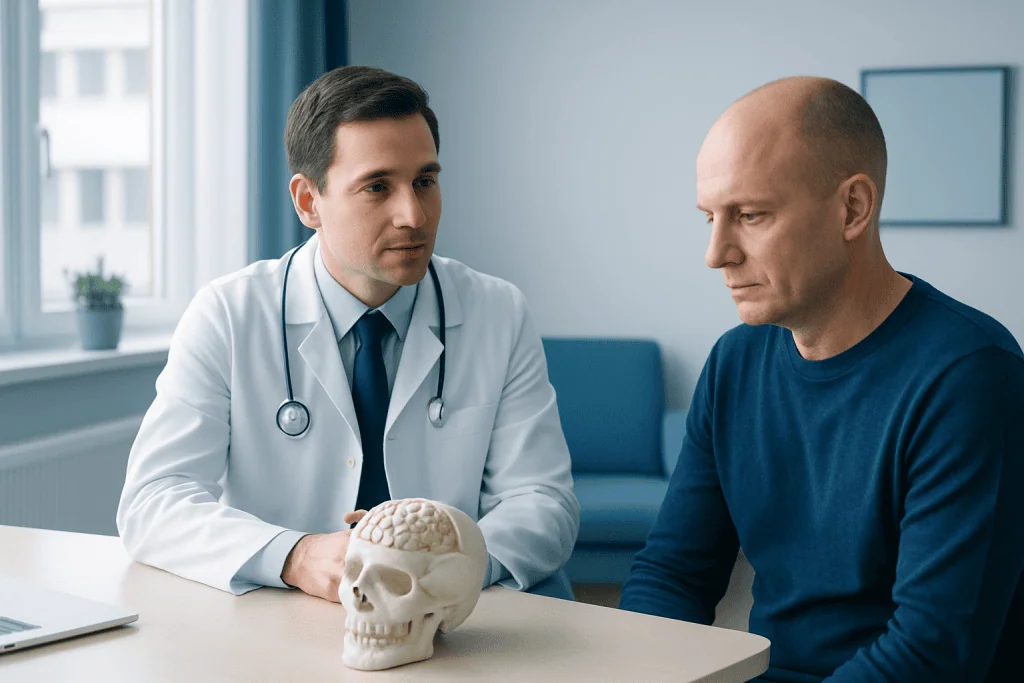
Candidacy for craniectomy depends on the cause of the problem, the amount of brain swelling or pressure, imaging findings, and the patient’s overall condition. In emergency settings, decisions are made quickly because delaying treatment can increase the risk of permanent brain injury. In planned cases, the surgical team reviews scans, symptoms, medical history, and expected benefits and risks in more detail.
Common reasons a patient may need a craniectomy include:
- Severe traumatic brain injury with dangerous swelling
- Large stroke causing significant brain edema
- Bleeding within or around the brain
- Brain infection leading to swelling or abscess
- A tumor or lesion causing pressure or requiring surgical access
- Rare complications after other brain procedures
Not every patient with brain swelling will benefit from surgery. Doctors also consider age, neurological examination, other illnesses, and whether the underlying condition is reversible or treatable. Families are often involved in urgent discussions about goals of care, likely recovery, and the possibility of rehabilitation needs after surgery.
What happens during the procedure
A craniectomy is performed under general anesthesia, so the patient is asleep and pain-free during the operation. The surgical team first monitors vital signs closely and positions the head to safely reach the affected area. After shaving and cleaning the scalp, the surgeon makes an incision and carefully moves aside soft tissue to expose the skull.
Using specialized tools, the surgeon removes a planned section of skull. The size and location depend on where pressure is highest or where access is needed. The covering of the brain, called the dura, may be opened and expanded with a patch to create additional space. If there is blood clot, damaged tissue, infection, or another treatable problem, the surgeon addresses it at the same time when appropriate.
The removed bone flap is usually stored for possible later use or replaced in a future procedure with a synthetic implant. The scalp is then closed over the opening, and the patient is transferred to intensive care for close monitoring. In some patients, the neurosurgical team may combine surgery with advanced imaging, pressure monitoring, or related procedures such as brain surgery for the underlying condition.
Recovery timeline and what to expect afterward
Recovery after craniectomy varies greatly. The first stage usually happens in the intensive care unit, where doctors watch breathing, blood pressure, brain pressure, and neurological function. Some patients wake up quickly, while others need longer support with ventilation, sedation, or repeated imaging. The early focus is stabilizing the brain and preventing secondary injury.
Over the next days to weeks, the team assesses strength, speech, balance, memory, swallowing, and other functions. Depending on the cause of surgery, a patient may need physical, occupational, and speech therapy. Rehabilitation can begin in the hospital and continue after discharge. This is especially common after traumatic injury or stroke-related swelling.
Because part of the skull is temporarily absent, patients often need to protect the area carefully. A helmet may be recommended when out of bed. Follow-up appointments help determine when a later skull reconstruction is appropriate. That procedure, called cranioplasty, is often planned once swelling, infection risk, and overall health have improved. For patients who need continued neurological assessment or rehabilitation after brain tumor treatment or other complex conditions, recovery may take several months and proceeds step by step.
Benefits, risks, and possible complications
The main benefit of craniectomy is pressure relief. In life-threatening situations, this can protect brain tissue, improve blood flow, and give other treatments time to work. For some patients, it may reduce the chance of death or severe additional injury. It can also make treatment of the underlying cause safer when access to the brain is required.
At the same time, craniectomy is major neurosurgery and carries important risks. Possible complications include bleeding, infection, seizures, fluid buildup, stroke, wound problems, blood clots, and reactions related to anesthesia. Some patients also experience lasting neurological difficulties related to the original brain injury or illness rather than the surgery itself.
Longer-term issues may include headaches, changes in thinking or mood, weakness, speech problems, or cosmetic changes until cranioplasty is completed. Some patients develop a condition in which the missing skull segment affects pressure dynamics and symptoms improve after reconstruction. The neurosurgical team explains these possibilities as clearly as possible so patients and families understand both the urgent benefits and the realistic limits of treatment.
Self-care, follow-up, and when to seek medical care
After discharge, recovery often centers on wound care, medication use, activity precautions, and rehabilitation. Patients should follow the care plan exactly, including instructions on bathing, lifting, driving, work, sports, and protective headgear. Good sleep, nutrition, hydration, and attending therapy sessions can all support healing. Any new medicine, supplement, or travel plan should be discussed with the treating doctor.
Medical care should be sought promptly if there is fever, increasing redness or drainage from the incision, severe or worsening headache, vomiting, new confusion, weakness, seizures, fainting, or any sudden change in speech, vision, balance, or alertness. These symptoms do not always mean a serious complication, but they need urgent assessment. Emergency evaluation is especially important after recent brain surgery.
Ongoing follow-up is essential because recovery can continue for months. Imaging may be repeated, and the team may discuss the timing of cranioplasty or other specialized care such as neurosurgery. Near the end of the recovery pathway, some patients and families choose centers that can coordinate surgery, rehabilitation, and follow-up in one place. Acibadem International’s multidisciplinary specialists and JCI-accredited hospitals provide diagnosis and treatment for international patients with complex neurosurgical conditions.
Frequently asked questions
Is a craniectomy the same as a craniotomy?
No. In a craniotomy, the surgeon removes a piece of skull and usually replaces it before the operation ends. In a craniectomy, the bone is left off temporarily so the brain has more room, often because swelling or pressure is a major concern.
How long does recovery after craniectomy take?
Recovery time is different for every patient and depends largely on why the surgery was needed. Some people improve over weeks, while others need months of rehabilitation and follow-up. Recovery is often shaped more by the original brain injury or illness than by the procedure alone.
Will the missing part of the skull be replaced later?
In many cases, yes. A later operation called cranioplasty may be performed once brain swelling has settled and the patient is stable enough for reconstruction. The timing varies based on healing, infection risk, and the overall treatment plan.
Can a person live normally after a craniectomy?
Some people recover very well, while others have ongoing neurological symptoms or need long-term support. Outcomes depend on the underlying condition, age, complications, and response to rehabilitation. A neurologist or neurosurgeon can give the most realistic guidance for an individual case.
What are the most common risks after craniectomy?
Important risks include infection, bleeding, seizures, wound problems, and fluid-related complications. There may also be weakness, speech changes, or cognitive problems caused by the original brain injury or disease. Careful monitoring and follow-up are used to reduce and detect these complications early.
When should someone go to the emergency room after craniectomy?
Emergency care is needed for seizures, sudden confusion, severe worsening headache, repeated vomiting, fainting, new weakness, trouble speaking, or changes in alertness. Fever or drainage from the wound also deserves prompt medical review. After brain surgery, it is safest not to ignore new or rapidly changing symptoms.
References
- National Institute of Neurological Disorders and Stroke
- American Association of Neurological Surgeons
- National Health Service
- Mayo Clinic
- World Federation of Neurosurgical Societies
This article is for general information only and is not a substitute for professional medical advice. Please consult a qualified doctor about your individual situation.
Explore treatments in Turkey — costs, top hospitals & a free quote
JCI-accredited · board-certified surgeons · reply within 24h
Add us as a Preferred Source to see more of our trusted health content across Google Search, AI Overviews and Discover.