Craniotomy Recovery: Healing Stages, Activity Limits, and Follow-Up Care
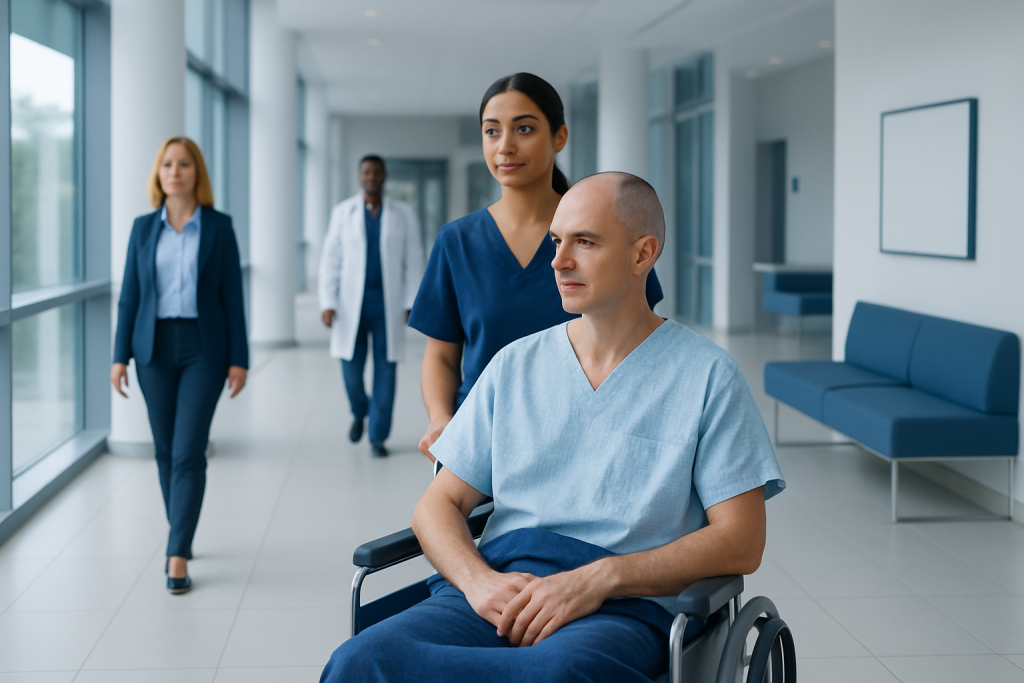
Craniotomy recovery varies from person to person and depends on the reason for surgery, overall health, and any neurological symptoms. Fatigue, headaches, scalp tenderness, swelling, and slower thinking can be common during early healing.
Key Takeaways
- Craniotomy recovery varies from person to person and depends on the reason for surgery, overall health, and any neurological symptoms.
- Fatigue, headaches, scalp tenderness, swelling, and slower thinking can be common during early healing.
- Activity usually needs to increase gradually, with clear guidance about driving, lifting, work, and exercise.
- Regular follow-up visits and imaging help the care team monitor healing and address concerns early.
- Urgent medical attention is needed for warning signs such as seizures, worsening weakness, severe headache, or signs of infection.
Craniotomy recovery is a gradual process that often continues for several weeks to months after brain surgery. Knowing the usual healing stages, temporary activity limits, and follow-up needs can help patients and families feel more prepared and supported.
Overview of craniotomy recovery
Craniotomy recovery refers to the healing period after a surgeon temporarily removes part of the skull to reach the brain and then replaces it at the end of the operation. A craniotomy may be performed for several reasons, including tumors, bleeding, trauma, vascular problems, infection, or certain seizure-related conditions. Recovery is influenced not only by the surgery itself, but also by the underlying brain condition, the area of the brain involved, and the person’s general health before the operation.
Many people recover in stages. The first stage happens in the hospital, where the medical team watches closely for pain, swelling, infection, seizures, bleeding, and changes in neurological function. After discharge, healing continues at home or sometimes in a rehabilitation center. It is common for progress to feel uneven, with some good days and some more tiring days.
In the early weeks, the body is healing the scalp, bone, and deeper tissues while the brain also recovers from the operation. As a result, physical and mental energy may be lower than usual. Patients may notice fatigue, headaches, mood changes, reduced concentration, or sensitivity around the incision. These symptoms often improve gradually, though the exact timeline differs for each person.
Follow-up care is an important part of recovery. Neurosurgeons, neurologists, rehabilitation specialists, nurses, and therapists may all be involved. The goal is to support safe healing, manage symptoms, restore function, and help the person return to daily life as smoothly as possible.
Healing stages and what to expect
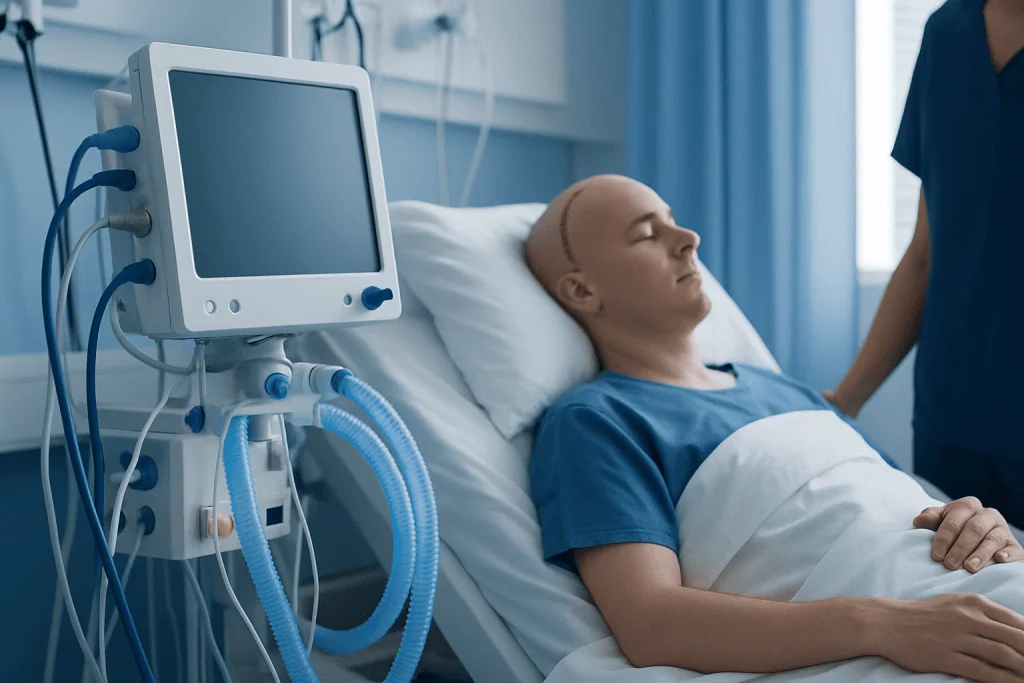
The first few days after surgery are usually focused on close observation. In the hospital, patients may spend time in an intensive care or high-dependency setting before moving to a regular room. Nurses check alertness, strength, speech, pupils, blood pressure, pain control, and the surgical wound. Some swelling of the scalp and face can happen, especially around the eyes, and this can look more dramatic than it feels.
During the first one to two weeks at home, rest is important, but complete bed rest is usually not recommended unless specifically advised. Short walks, gentle movement, and regular hydration can support circulation and help reduce complications such as constipation and deconditioning. During this stage, tiredness is often one of the most noticeable symptoms, and people may need frequent naps or a simplified daily routine.
Over the next several weeks, many patients start to feel steadier and more independent, but they may still tire easily. Headaches can continue for some time, and the scalp may feel numb, itchy, tight, or unusually sensitive as nerves heal. Thinking speed, memory, word-finding, and emotional balance may also take time to normalize, especially if the surgery involved areas related to language, movement, or cognition.
Recovery over the following months is often about rebuilding endurance and function. Some people return to many normal activities relatively quickly, while others need structured rehabilitation. If the craniotomy was done for a condition such as a brain tumor or after a stroke-related emergency, the longer-term recovery plan may also include ongoing treatment, therapy, or surveillance imaging.
Common symptoms during recovery
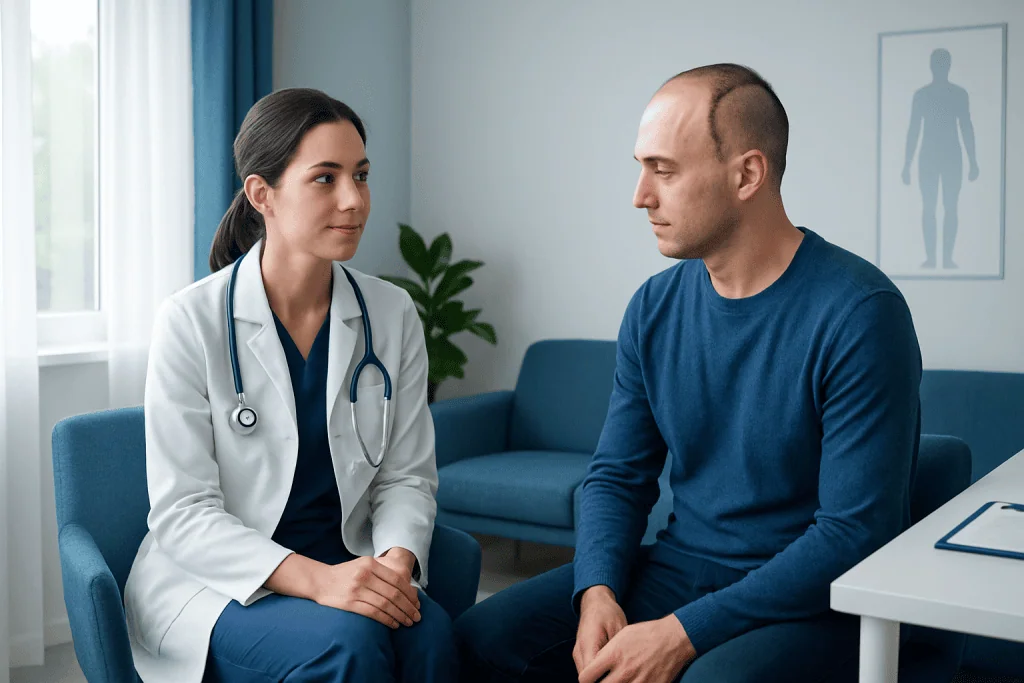
Many symptoms after craniotomy are expected and improve gradually. The incision area may be sore, swollen, or bruised. Patients often describe pressure, mild to moderate headaches, jaw discomfort when chewing, or tenderness when washing or brushing the hair near the wound. These symptoms are usually most noticeable in the early recovery period.
Fatigue is one of the most common complaints after brain surgery. It can affect both the body and the mind. A person may feel physically weak, mentally slowed, or easily overwhelmed by noise, light, conversation, or multitasking. Temporary sleep disruption is also common, and regular rest periods may help.
Depending on the reason for surgery and the part of the brain involved, neurological symptoms may occur before or after the operation. These can include balance problems, dizziness, visual changes, numbness, weakness, speech difficulty, concentration problems, mood swings, or memory lapses. In some cases these improve steadily; in others they require rehabilitation or further evaluation.
Patients and families should keep track of symptoms and report any changes that seem new, worsening, or unusual. Helpful points to note include headache pattern, fever, drainage from the wound, medication side effects, seizures, and changes in strength or behavior. A simple symptom diary can make follow-up visits more productive.
- Common early symptoms: fatigue, scalp tenderness, swelling, itching, mild headache
- Possible neurological symptoms: weakness, speech changes, vision issues, balance problems
- Emotional symptoms: irritability, anxiety, low mood, frustration, mental fatigue
Activity limits and returning to daily life
Activity restrictions after craniotomy are meant to protect healing tissues and lower the risk of complications. Exact instructions vary, so the surgeon’s advice should always come first. In general, patients are encouraged to increase activity gradually, beginning with short walks and light daily tasks. Sudden exertion, heavy lifting, intense exercise, and any activity with a risk of falling or head injury are usually avoided in the early weeks.
Driving should not be resumed until the doctor says it is safe. This is especially important if there has been a seizure, weakness, slowed reaction time, visual changes, or use of medicines that cause drowsiness. Return to work also depends on the type of job. Desk-based work may be possible sooner than physically demanding work, but many people benefit from a phased return.
Household tasks may need adjustment at first. Bending repeatedly, straining, lifting shopping bags, and climbing many stairs can increase discomfort and fatigue. Gentle movement is usually encouraged, but patients should stop and rest if they feel dizzy, overly tired, or develop worsening headache. Good hydration, regular meals, and sleep support healing as much as exercise does.
Travel plans should also be discussed with the care team, particularly long-distance or international travel soon after surgery. Patients may need clearance before flying, depending on swelling, recent imaging, seizure risk, or wound healing. When rehabilitation is needed, programs such as neurological rehabilitation can help improve mobility, balance, coordination, and independence.
- Usually avoid heavy lifting until the surgeon advises otherwise
- Do not drive until medically cleared
- Build up walking and daily activity gradually
- Avoid contact sports and activities with a high fall risk
- Ask before returning to work, travel, gym exercise, or swimming
Follow-up care, wound care, and rehabilitation
Follow-up appointments allow the medical team to check healing, review symptoms, adjust medicines, and discuss the next steps. Staples or stitches may need removal, depending on the wound closure used. Imaging studies such as CT or MRI may be scheduled to assess the surgical area and compare healing over time. If the craniotomy was done for a structural condition, follow-up may also focus on monitoring for recurrence or ongoing disease control.
Incision care instructions should be followed carefully. Patients are usually advised to keep the wound clean and dry at first, avoid scratching or rubbing the area, and watch for redness, warmth, increasing pain, swelling, or discharge. Hair washing may be allowed after a certain point, but harsh products, hair dye, and vigorous rubbing are generally delayed until the surgeon confirms that the skin has healed well.
Medicines may include pain relief, anti-seizure treatment, steroids, or other drugs depending on the situation. It is important to take them exactly as prescribed and not stop them suddenly unless a doctor advises it. Some medicines can affect mood, appetite, blood sugar, sleep, or stomach comfort, so questions about side effects should be raised early.
Rehabilitation can be a valuable part of recovery. Physical therapy, occupational therapy, speech and language therapy, and neuropsychological support may all play a role. If symptoms involve movement, pain, or function after surgery on the brain or related structures, options such as neurosurgical care and physical therapy and rehabilitation may be part of the broader treatment and recovery pathway.
Prevention of complications and self-care at home
Self-care after craniotomy focuses on supporting healing and reducing avoidable setbacks. Rest is important, but balance matters. Patients usually do best with a steady routine that includes sleep, brief walks, simple meals, hydration, and regular medications. A calm environment may help if noise, bright light, or busy social settings feel exhausting.
Nutrition can support recovery, especially when appetite is reduced. Small, regular meals with protein, fruits, vegetables, and fluids can be easier to manage than large meals. Constipation is common after surgery because of pain medicines, lower activity, and changes in diet, so fiber, fluids, and doctor-approved remedies may help.
Family support is often essential in the early period. It may be helpful to have someone assist with shopping, medication schedules, transport, and follow-up visits. Patients should avoid alcohol or sedatives unless their doctor says they are safe, as these may worsen drowsiness, increase fall risk, or interact with medications.
Mental and emotional recovery should not be overlooked. Anxiety, low mood, irritability, or a sense of vulnerability can happen after any major brain operation. Gentle reassurance, realistic expectations, and open communication with the healthcare team can make recovery feel more manageable. Near the later stages of care, some international patients may seek ongoing assessment through centers such as Acibadem International, where multidisciplinary specialists in JCI-accredited hospitals provide diagnosis, treatment, and follow-up for neurosurgical conditions.
When to see a doctor urgently
Most recovery symptoms improve slowly, but some warning signs need prompt medical attention. Patients should contact their surgical team or seek urgent care if they develop fever, increasing redness or drainage from the incision, worsening swelling, or pain that becomes significantly more severe rather than gradually better. These may suggest infection or another complication that should be assessed quickly.
Neurological changes also need urgent review. Examples include new or worsening weakness, confusion, trouble speaking, severe drowsiness, repeated vomiting, seizures, fainting, or major vision changes. A sudden, severe headache that is different from the usual recovery headache should not be ignored.
Breathing trouble, chest pain, or significant calf swelling can also require urgent assessment because major surgery can increase the risk of blood clots in some patients. It is better to ask early than to wait if something feels clearly wrong or markedly different from the expected recovery pattern.
Patients who have had surgery for serious brain conditions may already be under close specialist care. If ongoing neurological symptoms relate to the original condition as well as the surgery, doctors may coordinate further evaluation for issues such as brain hemorrhage or other postoperative concerns. Clear discharge instructions and emergency contact information should be kept close at hand during the first weeks at home.
Frequently asked questions
How long does craniotomy recovery usually take?
Craniotomy recovery often begins with days in the hospital and continues for several weeks to months at home. The timeline depends on the reason for surgery, the area of the brain involved, age, general health, and whether rehabilitation is needed.
Is it normal to feel very tired after a craniotomy?
Yes. Fatigue is one of the most common parts of healing after brain surgery. It may affect physical energy, concentration, memory, and emotional resilience, and it often improves gradually with rest and paced activity.
When can someone drive after a craniotomy?
Driving should only resume when the treating doctor says it is safe. Clearance may take longer if the patient has had a seizure, weakness, vision changes, slowed reactions, or uses medicines that cause drowsiness.
What symptoms after craniotomy need urgent medical attention?
Urgent warning signs include seizures, worsening weakness, confusion, severe or sudden headache, repeated vomiting, high fever, or drainage from the wound. Any new or rapidly worsening neurological symptom should be assessed promptly.
Can hair grow back after a craniotomy?
Hair often grows back around the incision, although the pattern can vary. Some people notice temporary thinning or a scar line where growth looks different, and the surgical team can advise when it is safe to wash and care for the scalp normally.
Will rehabilitation be needed after craniotomy?
Some patients recover well with home rest and gradual activity, while others benefit from formal rehabilitation. Physical, occupational, speech, or cognitive therapy may be recommended if there are problems with movement, balance, speech, memory, or daily tasks.
References
- World Health Organization
- National Institute of Neurological Disorders and Stroke
- National Health Service
- American Association of Neurological Surgeons
This article is for general information only and is not a substitute for professional medical advice. Please consult a qualified doctor about your individual situation.
Explore treatments in Turkey — costs, top hospitals & a free quote
JCI-accredited · board-certified surgeons · reply within 24h
Add us as a Preferred Source to see more of our trusted health content across Google Search, AI Overviews and Discover.
Check your numbers in seconds
BMI, calories, due date, blood pressure and 30+ more clinical calculators — free, instant, doctor-reviewed ranges.

Neurosurgery
Surgical treatment of the brain, spine and nervous system, including minimally invasive and functional procedures.
70 specialists in this unit