Crooked Teeth: An Evidence-Based Guide for Patients

Crooked teeth can be mild or severe and may affect oral health as well as appearance. Common causes include genetics, crowding, jaw size differences, thumb sucking, and early tooth loss.
Key Takeaways
- Crooked teeth can be mild or severe and may affect oral health as well as appearance.
- Common causes include genetics, crowding, jaw size differences, thumb sucking, and early tooth loss.
- Diagnosis usually involves a dental exam, bite assessment, and dental imaging.
- Treatment options may include monitoring, braces, clear aligners, retainers, or other dental procedures.
- Good oral hygiene and regular dental visits help reduce complications linked to misalignment.
Crooked teeth are teeth that do not line up normally in the mouth. They are common and often treatable, and care may improve oral hygiene, bite function, comfort, speech, and appearance depending on the person’s needs.
Overview: what crooked teeth mean
Crooked teeth are teeth that are out of their usual position, angle, or spacing. A person may notice crowding, twisting, gaps, teeth that overlap, or upper and lower teeth that do not meet properly when biting. In many cases, crooked teeth are not an emergency, but they can affect daily comfort and long-term oral health.
The effects vary from person to person. Some people are mainly concerned about appearance, while others have trouble cleaning between crowded teeth, feel jaw strain when chewing, or notice speech changes. Children, teenagers, and adults can all have tooth misalignment, and treatment is possible at many ages.
Crooked teeth are part of a broader group of bite and alignment problems dentists call malocclusion. This can include crowding, overbite, underbite, crossbite, or open bite. A dental assessment helps identify whether the main issue involves the teeth, the jaws, or both.
How crooked teeth can affect health and daily life
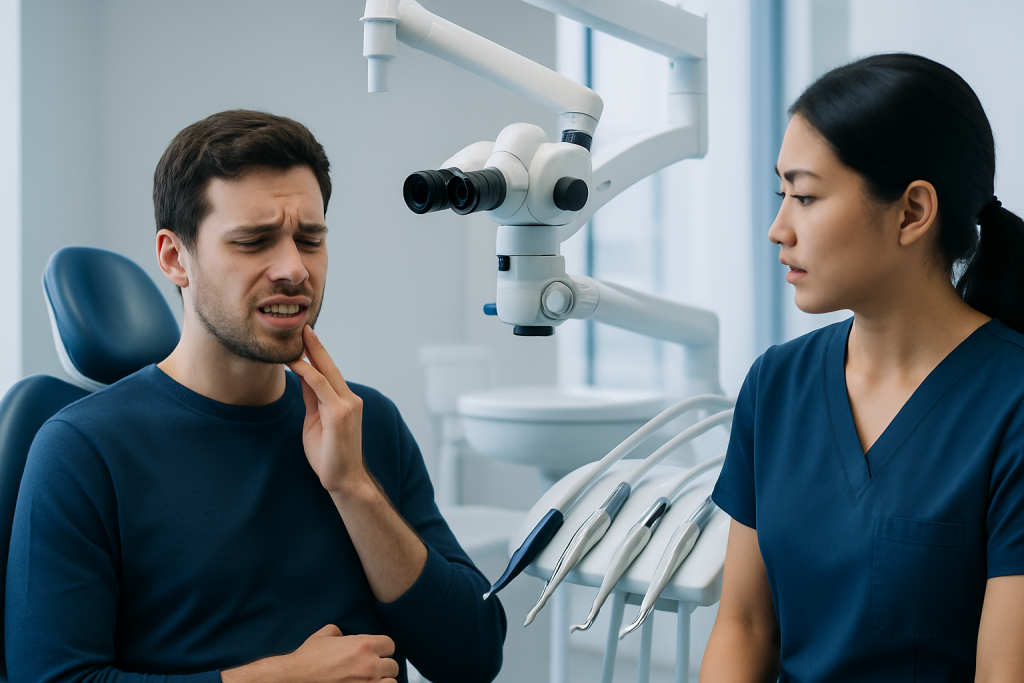
Misaligned teeth can make oral hygiene more difficult. When teeth overlap or rotate, brushing and flossing may not reach all surfaces well. Over time, this may raise the chance of plaque buildup, tooth decay, gum inflammation, and bad breath.
Some people also develop functional problems. Biting may feel uneven, certain foods may be harder to chew, and one or more teeth may wear down faster because they take extra pressure. In some cases, strain on the bite can contribute to discomfort in the jaw muscles or the temporomandibular joint, especially when combined with teeth grinding.
There may also be emotional and social effects. Children and adults sometimes feel self-conscious about a smile that looks crowded or irregular. Although appearance alone is not a medical problem, feeling more confident after treatment can be an important and valid goal for many patients.
- Harder-to-clean tooth surfaces
- Increased risk of cavities and gum disease
- Uneven tooth wear or bite strain
- Speech or chewing concerns in some cases
- Reduced confidence related to smile appearance
Causes and risk factors

There is no single cause of crooked teeth. Genetics play a major role, especially when tooth size and jaw size do not match well. For example, a child may inherit relatively large teeth and a smaller jaw, which can lead to crowding as permanent teeth come in.
Childhood habits can also influence alignment. Prolonged thumb sucking, extended pacifier use, tongue thrusting, or mouth breathing may affect the developing bite in some children. Early loss of baby teeth from decay or injury can allow nearby teeth to drift, reducing space for permanent teeth.
Other factors include impacted teeth, extra teeth, missing teeth, dental trauma, and jaw growth differences. In adults, gum disease can loosen tooth support and allow teeth to shift over time. Some patients with crooked teeth may also have related bite conditions such as underbite or overbite, which may influence the treatment plan.
Symptoms and signs to notice
The most obvious sign is visible misalignment. Teeth may look crowded, twisted, tilted, or unevenly spaced. A person may also notice that the front teeth do not line up in a straight arch, or that the upper and lower teeth do not meet in a comfortable way.
Not everyone with crooked teeth has symptoms, but some do. Common concerns include food getting trapped easily, difficulty flossing, soreness after chewing, accidental biting of the cheeks, and teeth that appear to wear down unevenly. A dentist may also see gum irritation around crowded areas.
In children, warning signs can include delayed or irregular eruption of teeth, early loss of baby teeth, speech differences, and habits such as persistent thumb sucking. Adults may first notice a gradual shift in tooth position, especially if they stopped wearing retainers after past orthodontic treatment.
How dentists diagnose crooked teeth
Diagnosis starts with a clinical dental examination. The dentist or orthodontist looks at tooth position, how the upper and lower teeth fit together, jaw movement, gum health, and signs of tooth wear. They will also ask about symptoms, childhood habits, past dental treatment, and whether the alignment has changed over time.
Dental imaging often helps complete the picture. This may include standard dental X-rays, panoramic images, or other orthodontic records to assess tooth roots, jaw development, and unerupted teeth. In many cases, photographs or digital scans are used to measure crowding and plan treatment more precisely.
The goal is not only to label teeth as crooked, but to understand why they are misaligned and whether there are related issues such as gum disease, impacted teeth, or jaw discrepancies. If needed, patients may be referred for orthodontic treatment to discuss the most suitable options.
Treatment options for crooked teeth
Treatment depends on age, the degree of misalignment, the condition of the gums and supporting bone, and the patient’s goals. Mild cases may only need monitoring or a retainer, while more complex cases may require active orthodontic treatment. The main aim is to create an alignment that is healthy, functional, and stable over time.
Common treatments include traditional braces and clear aligners. Braces use brackets and wires to move teeth gradually and can be effective for a wide range of problems. Clear aligners are removable trays that may suit selected cases and can make eating and cleaning easier for some patients. A dentist may also recommend clear aligner treatment or dental braces after assessing bite complexity and patient preferences.
Some patients need additional dental procedures as part of treatment planning. These can include space maintenance in children, tooth extraction when crowding is severe, reshaping of certain teeth, or treatment for gum disease before tooth movement begins. If alignment problems are linked to missing or damaged teeth, restorative care such as dental implants may be part of the longer-term plan after orthodontic work.
After active treatment, retention is essential. Teeth naturally tend to shift, so fixed or removable retainers are commonly used to help preserve the result. Long-term follow-up and regular dental care remain important even after the teeth look straight.
Prevention and self-care
Not all crooked teeth can be prevented, especially when genetics are the main cause. Still, several steps may lower the risk of worsening misalignment or related dental problems. Early dental visits in childhood can help identify developing bite issues before they become more complex.
Parents can support healthy oral development by limiting prolonged thumb sucking and pacifier use, encouraging nasal breathing when possible, and addressing dental decay promptly so baby teeth are not lost too early. Adults and children alike benefit from good brushing and flossing habits, especially if teeth are crowded and harder to clean.
People who have already had orthodontic treatment should wear retainers exactly as instructed. This is one of the most effective ways to prevent relapse. Regular checkups also allow a dentist to detect shifting teeth, gum disease, or bite changes early, when care may be simpler.
When to seek medical care
A dental evaluation is a good idea if crooked teeth make cleaning difficult, affect chewing, cause repeated cheek biting, or lead to visible wear on certain teeth. Children should be assessed if adult teeth are erupting in unusual positions, there is obvious crowding, or the bite seems unbalanced. Early advice does not always mean early braces, but it can clarify timing and options.
Prompt care is especially important if there is pain, jaw locking, swelling, bleeding gums, loose teeth, trauma, or signs of infection. These symptoms may point to problems beyond simple alignment and should not be ignored. Adults who notice recent tooth shifting should also be checked for gum disease or other underlying causes.
Patients should consult a qualified dentist or orthodontist for individual guidance rather than trying to self-correct tooth position. For international patients, Acibadem International’s multidisciplinary specialists in JCI-accredited hospitals evaluate and treat dental and orthodontic conditions with personalized care plans.
Frequently asked questions
Are crooked teeth only a cosmetic issue?
No. Crooked teeth can also affect cleaning, gum health, tooth wear, chewing, and bite comfort. In some people, the main concern is appearance, but in others there are clear oral health reasons to consider treatment.
Can adults get treatment for crooked teeth?
Yes. Adults can often be treated successfully with braces, clear aligners, retainers, or other dental procedures depending on the case. Before treatment, the dentist will usually check gum health and bone support because these are important for safe tooth movement.
Do crooked teeth always need braces?
Not always. Mild misalignment may be monitored, and some patients may use retainers or aligners instead of traditional braces. The best option depends on how complex the tooth and bite problems are.
Can crooked teeth get worse over time?
They can. Teeth may shift gradually with age, after early tooth loss, with gum disease, or if retainers are not worn after orthodontic treatment. Regular dental checkups can help identify changes early.
At what age should a child be evaluated?
A child does not need to wait until all adult teeth are present to be evaluated. Dentists and orthodontists can often identify developing bite or spacing problems in early childhood and advise whether simple monitoring or earlier intervention is appropriate.
Are clear aligners as effective as braces?
They can be effective for many patients, but not every case is the same. Clear aligners may work well for selected mild to moderate alignment problems, while braces may offer better control in more complex tooth movements or bite corrections.
This article is for general information only and is not a substitute for professional medical advice. Please consult a qualified doctor about your individual situation.
Explore treatments in Turkey — costs, top hospitals & a free quote
JCI-accredited · board-certified surgeons · reply within 24h
Add us as a Preferred Source to see more of our trusted health content across Google Search, AI Overviews and Discover.

More from the Health Library

Amlodipine Is Killing Me: An Evidence-Based Guide for Patients

Sarcopenia: A Complete Medical Overview

Eyes Dilated: What Patients Need to Know

Kiwi Allergy — Explained by Medical Evidence, Not Myths

Prostate Biopsy Procedure: A Complete Medical Overview

Pimple: A Complete Medical Overview
Oral & Dental Health Specialists at Acibadem

Dt. Ayşe Selçuk Bayram
Oral & Dental Health
Dt. Ayşegül Coşkun
Oral & Dental Health
Dt. Barış Konuk
Oral Dental & Maxillofacial Surgery
Dr. Bedii Ender Topçu
Oral & Dental Health