Crows Feet: A Complete Medical Overview

Crows feet are a common type of facial wrinkle that develops near the eyes. They are mainly linked to natural aging, sun damage, and repeated facial expressions.
Key Takeaways
- Crows feet are a common type of facial wrinkle that develops near the eyes.
- They are mainly linked to natural aging, sun damage, and repeated facial expressions.
- Daily sun protection and gentle skin care can help slow their progression.
- Medical treatments can soften crows feet, but results vary and maintenance is often needed.
- A dermatologist or qualified physician can help choose the safest treatment approach.
Crows feet are fine lines and wrinkles that form at the outer corners of the eyes. They are common with aging and sun exposure, and while they are not harmful, many people seek advice on prevention and treatment for cosmetic reasons.
Overview: What Are Crows Feet?
Crows feet are the fine lines and small wrinkles that appear at the outer corners of the eyes. They often become more visible when a person smiles, squints, or laughs, and over time they may remain visible even when the face is at rest. In most cases, crows feet are a normal part of skin aging rather than a sign of disease.
The skin around the eyes is thinner and more delicate than skin on many other parts of the face. Because this area moves frequently during everyday expression, it is especially prone to early wrinkling. Age-related changes in collagen, elastin, and skin hydration also make the lines more noticeable over time.
Many people ask whether crows feet can be prevented or reversed. The most accurate answer is that they can often be reduced and their progression can be slowed, but no approach can stop skin aging completely. Treatment choices range from sun protection and skin care to office-based cosmetic procedures, depending on the severity of the lines and the person’s goals.
How Crows Feet Develop in the Skin
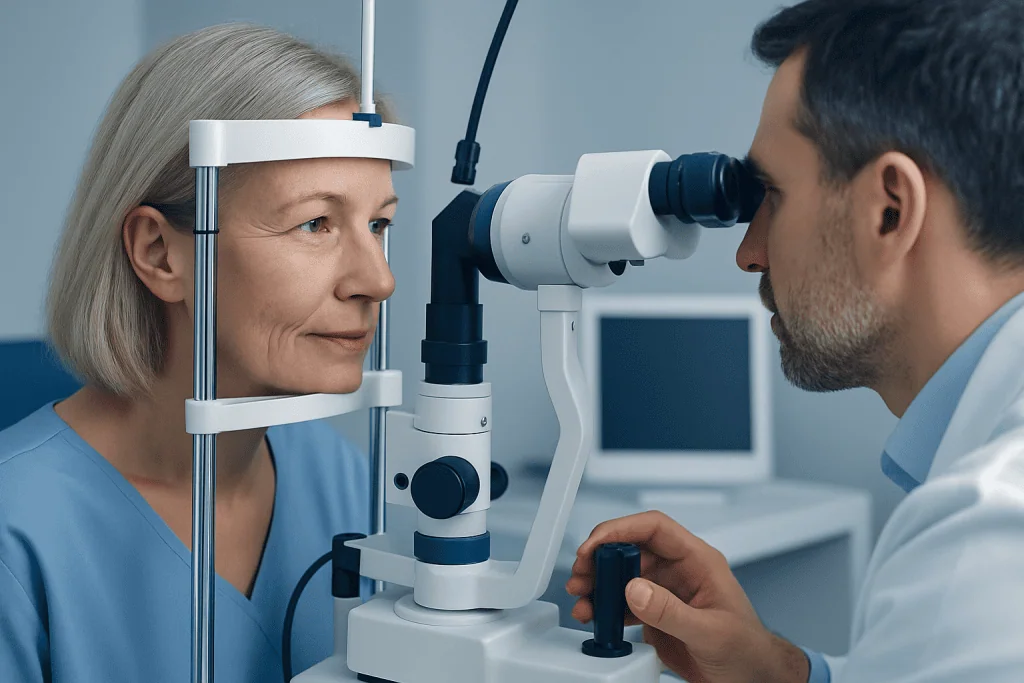
Crows feet form through a combination of repeated muscle movement and gradual structural changes in the skin. Each time a person smiles or squints, the muscles around the eyes contract and fold the skin. In younger skin, collagen and elastin help the skin return smoothly to its previous shape. As these support proteins decrease with age, the folds begin to persist as visible lines.
Sun exposure is another major factor. Ultraviolet radiation accelerates the breakdown of collagen and elastin, a process often called photoaging. This can make the skin around the eyes thinner, less elastic, and more prone to wrinkling earlier than expected.
Dryness can also make fine lines stand out more clearly. Although dry skin does not directly cause deep wrinkles, it can make crows feet look rougher or more pronounced. This is one reason why moisturizing products may improve the appearance of the area even when they do not remove established wrinkles.
Crows feet are sometimes discussed alongside other facial changes such as skin laxity or pigment irregularities. In some people, evaluation of the broader skin condition may help guide treatment, especially if there are concerns about skin cancer or other sun-related skin damage that should be assessed separately.
Common Causes and Risk Factors

The most common cause of crows feet is normal aging. Over the years, the skin naturally produces less collagen, elastin, and oil. This makes it thinner, drier, and less resilient. As a result, expression lines around the eyes gradually become fixed wrinkles.
Sun exposure is one of the strongest external risk factors. People who spend significant time outdoors without eye-area sun protection may notice earlier and deeper wrinkling. Squinting in bright light can add to the effect by repeatedly creasing the skin.
Other factors may increase the likelihood or visibility of crows feet, including:
- Smoking, which contributes to skin aging and reduced blood flow
- Repeated facial expressions such as smiling, laughing, or squinting
- Fair or sun-sensitive skin
- Air pollution and environmental stress
- Dehydrated or poorly cared-for skin
- Genetic tendencies that affect skin texture and aging patterns
Vision problems can indirectly contribute as well. A person who often squints because of uncorrected eyesight or chronic eye irritation may deepen expression lines over time. In these cases, treating the underlying issue can be helpful for both comfort and long-term skin health.
What Crows Feet Look Like and When They Matter
Crows feet usually begin as fine, shallow lines that appear only during facial expression. With time, they may become deeper and stay visible even when the face is relaxed. The skin in the area may also appear thinner, creased, or less firm.
Most crows feet are a cosmetic concern rather than a medical problem. They do not usually cause pain or threaten vision. However, changes around the eyes should still be assessed if they are unusual, one-sided, rapidly changing, or associated with symptoms such as irritation, scaling, bleeding, or a new lump. These features may point to a different skin condition rather than ordinary wrinkles.
Some people feel that crows feet make them look more tired or older than they feel. Others are comfortable with them and do not want treatment. Both views are normal. Whether to treat crows feet is a personal decision that depends on the severity of the lines, skin type, expectations, and overall health.
How Doctors Assess Crows Feet
Crows feet are usually diagnosed by a simple clinical examination. A dermatologist, plastic surgeon, or qualified aesthetic physician looks at the skin around the eyes at rest and during facial movement. This helps distinguish dynamic wrinkles, which appear mainly with expression, from static wrinkles, which remain visible all the time.
The doctor may ask about sun exposure, smoking, skin care products, prior cosmetic procedures, allergies, and general medical history. This information helps identify factors that may worsen wrinkling or affect which treatments are suitable. If a patient has eye irritation, eyelid drooping, or a history of skin lesions, these issues may also need attention.
In most cases, no laboratory tests or imaging are needed. The main purpose of assessment is to confirm that the lines are typical age-related wrinkles and to create a treatment plan that matches the person’s skin condition and preferences. If there are additional facial concerns, a doctor may discuss broader options such as facelift surgery or other skin-focused procedures when appropriate.
Treatment Options for Crows Feet
Treatment depends on how visible the crows feet are, whether they appear only with expression or also at rest, and what result the person hopes to achieve. For mild lines, a doctor may recommend skin care measures such as daily sunscreen, moisturizers, and prescription or over-the-counter anti-aging products. Ingredients commonly discussed include retinoids, antioxidants, peptides, and hyaluronic acid, though tolerance around the eye area varies and products should be used carefully.
For expression-related lines, injectable treatments that relax the small muscles around the eyes are commonly used. These can soften dynamic crows feet by reducing repeated creasing of the skin. In selected patients, doctors may also use fillers for nearby volume loss, although the eye area requires special expertise because it is delicate and anatomically complex.
Procedural treatments may help improve skin texture and collagen remodeling. Depending on skin type and clinical findings, options can include laser skin resurfacing, chemical peels, microneedling, or energy-based devices. Some people with more advanced aging around the eyes may benefit from blepharoplasty if excess eyelid skin is part of the concern, or brow lift if brow position contributes to the overall appearance.
No treatment is permanent. Most non-surgical options require maintenance, and results vary by age, skin quality, sun exposure, and lifestyle. A qualified doctor can explain realistic benefits, possible side effects, recovery time, and whether combining methods may give a more natural outcome.
Prevention and Self-Care
Although crows feet cannot always be prevented completely, healthy skin habits can help delay their appearance and reduce worsening. The most important daily step is broad-spectrum sun protection. This includes sunscreen suitable for the face, sunglasses that block ultraviolet light, and a hat when outdoors for prolonged periods.
Gentle skin care is also important around the eyes. Harsh rubbing, overuse of irritating products, and inadequate moisturization can make the area look more lined. A simple routine with mild cleansing, moisturizing, and carefully chosen active ingredients is often better tolerated than using many products at once.
Helpful self-care measures may include:
- Using sunscreen every day, even in cooler or cloudy weather
- Wearing sunglasses to reduce ultraviolet exposure and squinting
- Avoiding smoking
- Staying well hydrated and supporting overall health with balanced nutrition
- Having vision checked if frequent squinting is needed to see clearly
- Seeking medical advice before trying strong cosmetic products near the eyes
People who are concerned about wrinkles elsewhere on the face may also ask about related conditions such as facial aging. Understanding the wider pattern of skin change can help place crows feet in context and guide a more individualized care plan.
When to Seek Medical Care
Crows feet alone usually do not require medical treatment. However, a person should seek professional advice if the skin around the eyes changes suddenly, becomes painful, or develops redness, scaling, bleeding, crusting, or a persistent bump. These signs are not typical of ordinary wrinkles and should be evaluated.
Medical care is also worth considering if over-the-counter skin products cause burning, swelling, or irritation around the eyes. Because the area is very sensitive, self-treatment can sometimes do more harm than good. A doctor can recommend safer alternatives based on skin type and the depth of the wrinkles.
Anyone considering injectables, lasers, or surgery should consult a qualified specialist rather than relying on non-medical advice. For international patients seeking assessment, Acibadem International’s multidisciplinary specialists and JCI-accredited hospitals diagnose and treat crows feet and other skin and facial aging concerns with individualized planning.
Frequently asked questions
Are crows feet a normal part of aging?
Yes. Crows feet are very common and usually develop as the skin loses collagen and elasticity over time. Sun exposure and repeated facial expressions often make them appear earlier or more clearly.
Can crows feet go away naturally?
Established wrinkles usually do not disappear completely on their own. However, good skin care, moisturizing, and sun protection can make fine lines less noticeable and help prevent them from deepening.
What is the best treatment for crows feet?
There is no single best treatment for everyone. The right option depends on whether the lines are dynamic or static, how deep they are, skin type, and personal goals. A qualified doctor can recommend skin care, injectables, laser treatments, or other procedures based on an individual assessment.
Does sunscreen really help prevent crows feet?
Yes. Regular use of sunscreen is one of the most effective ways to slow photoaging, which contributes to crows feet. Sunglasses and hats can add protection and reduce squinting in bright light.
Are crows feet ever a sign of a medical problem?
Usually they are not. They are typically a cosmetic feature of normal aging. Still, unusual changes around the eyes such as bleeding, crusting, a new lump, or persistent irritation should be checked by a doctor.
Can eye strain or poor vision make crows feet worse?
They may contribute indirectly if a person squints often to see clearly. Frequent squinting repeatedly creases the skin at the outer corners of the eyes. An eye exam may help if vision problems are suspected.
References
- American Academy of Dermatology
- National Institute on Aging
- Mayo Clinic
- British Association of Dermatologists
- American Society of Plastic Surgeons
This article is for general information only and is not a substitute for professional medical advice. Please consult a qualified doctor about your individual situation.
Explore treatments in Turkey — costs, top hospitals & a free quote
JCI-accredited · board-certified surgeons · reply within 24h
Add us as a Preferred Source to see more of our trusted health content across Google Search, AI Overviews and Discover.

More from the Health Library

Earring Is Infected: A Complete Medical Overview

Coconut Oil for Constipation: Benefits and Limits

Eye Test Fees — Explained by Medical Evidence, Not Myths

Injection Flu Shot: A Complete Medical Overview

Dyspepsia: What Patients Need to Know

Hobo Spider: What Patients Need to Know
Related Specialists

Dr. Shahad Abdulhadı Abdulrahman Al Amoudı
Inpatient Clinic Physicians
Assoc. Prof. Dr. Süleyman Şahin
Medical Oncology
Dr. Hasan Şen
Ophthalmology
Assoc. Prof. Dr. Işıl Fazilet Kartaloğlu
Physical Medicine & Rehabilitation