Brow Lift
A brow lift raises sagging eyebrows and smooths forehead lines to create a more rested, youthful upper-face appearance. Techniques may include endoscopic, temporal, or traditional surgical approaches.
Quick answer
A brow lift is a surgical procedure that raises sagging eyebrows and smooths the forehead and upper eye area. Depending on the technique, endoscopic, temporal or open, the surgeon repositions forehead tissue through incisions concealed in the scalp or along the hairline. It is usually performed under general anaesthesia or sedation, and most swelling and bruising settle over the early weeks of recovery.
Brow Lift Surgery in Turkey: Understanding the Decision
A brow lift is a surgical procedure that raises sagging eyebrows and improves the appearance of the forehead and upper eye area. The surgeon repositions the soft tissue of the forehead so that the brows sit at a more natural height, the eyes look more open and forehead lines soften. It is considered by adults who feel that a low or heavy brow makes them look tired, stern or older than they feel.
If you are researching a brow lift in Turkey, you are probably asking the questions every careful patient asks. Will the result look natural? Where will the scars sit? How long does recovery take? Should the brow lift be combined with eyelid surgery, or is it enough on its own? These are the right questions, and this page answers them as plainly as honest medicine allows.
The upper face often shows fatigue, stress and ageing earlier than people expect. Over time the eyebrows can descend, forehead lines deepen and the skin around the eyes begins to feel heavier. Some people notice that they look serious or concerned even when they feel well. Others start lifting their eyebrows without realising it, simply to see more clearly or to open the eyes: a habit that makes horizontal forehead lines more pronounced with every year it continues.
For most patients the goal of a brow lift is not to look different but to look rested, alert and in balance with their own features. The best results are usually subtle: the brows return to a position they once held naturally, the forehead appears smoother, and the eyes look more open without any pulled or startled appearance.
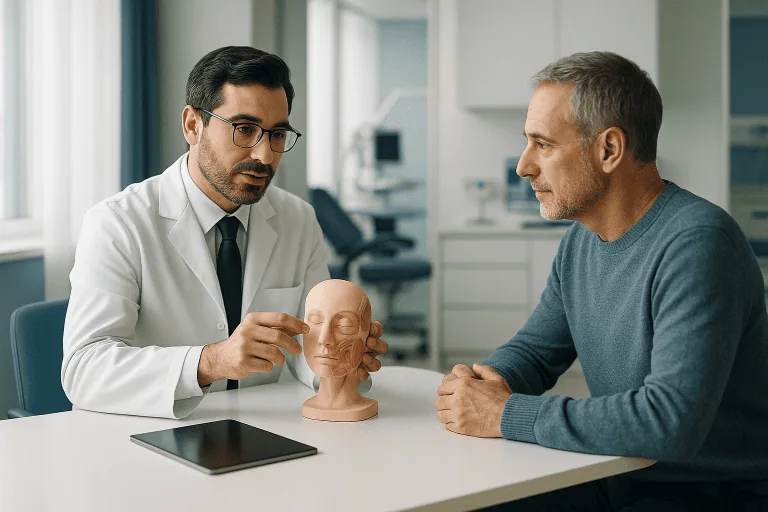
It is normal to feel cautious about facial surgery, and especially about having it abroad. A well-planned brow lift depends on detailed facial analysis, a clear understanding of your individual anatomy and a technique matched to your brow position, hairline, skin quality and personal goals. At Acibadem, brow lift surgery is treated as one part of upper facial rejuvenation rather than a one-size-fits-all procedure. Your surgeon evaluates the forehead, eyebrows, eyelids, hairline, facial symmetry and skin elasticity together before recommending an endoscopic, temporal or traditional approach, and before deciding whether any additional procedure is genuinely worth considering.
What Is a Brow Lift?
A brow lift, also called a forehead lift, is a cosmetic surgical procedure that elevates the position of the eyebrows and improves visible signs of ageing in the upper face. Depending on the technique, it can reduce horizontal forehead creases, soften the vertical frown lines between the eyebrows and relieve the heaviness above the upper eyelids that a low brow position creates.
The brow and the eyelids are closely connected. When the eyebrows descend, the upper eyelids can look hooded even if the eyelid skin itself is not the main problem. In some patients, repositioning the brow opens the upper eye area more effectively than eyelid surgery alone would. In others, genuine excess eyelid skin exists alongside brow descent, and a brow lift may be combined with upper blepharoplasty. Telling these situations apart is one of the most important jobs of the consultation, because each calls for a different operation.
Modern brow lift techniques aim to reposition tissue rather than simply tighten skin. The surgeon releases specific attachments beneath the forehead tissue, elevates the brow to a more favourable position and secures it there while healing consolidates the result. Incisions are placed in the scalp, along the hairline or in locations where natural anatomy and hair can conceal them.
The main techniques are:
- Endoscopic brow lift: performed through several small incisions hidden within the hair-bearing scalp. A slim camera and specialised instruments let the surgeon work beneath the skin with less visible scarring and typically less tissue disruption than older open techniques.
- Temporal brow lift: also called a lateral brow lift, this approach concentrates on the outer third of the eyebrow. It suits patients whose main concern is heaviness or drooping at the outer brow and outer upper eyelid.
- Traditional or open brow lift: incisions may run within the hairline, along the hairline or across the scalp, depending on your anatomy. This approach is useful when more significant brow descent, forehead skin excess or hairline considerations require broader correction.
The right technique is an individual decision, not a menu choice. A patient with a high hairline may not benefit from the same approach as someone with a low hairline. Mild drooping at the outer brow does not call for the same operation as deep forehead lines with descent across the entire brow. The plan is refined during consultation, after a full examination and a frank discussion of what you want to see in the mirror.
Brow lift, eyebrow lift or forehead lift: what is the difference?
An eyebrow lift, a brow lift and a forehead lift usually describe the same family of operations, and the terms are used interchangeably by most surgeons. “Forehead lift” tends to emphasise the whole forehead, skin, lines and muscle activity, while “brow lift” and “eyebrow lift” emphasise the final position of the brows themselves. What matters is not the label but the plan beneath it: which tissues will be released, how far the brow will move and where the incisions will sit.
One distinction is worth stating clearly. A lift changes the position of the brow; it does not change the eyebrow hair itself. If your concern is thin, sparse or scarred eyebrow hair, that is a separate problem with a separate solution: an eyebrow transplant restores hair, while a lift restores position. Some patients ultimately need one, some the other, and a few consider both at different times.
Who May Need a Brow Lift?
A brow lift may be considered by adults who are troubled by sagging eyebrows, forehead lines or a heavy upper-eye appearance caused by brow descent. Although most patients seek the operation for age-related change, some people naturally carry a low brow or noticeable brow asymmetry from a young age. Others notice change after significant weight loss, years of sun exposure or a decline in skin elasticity.
Common concerns that bring patients to consultation include:
- Eyebrows that sit lower than they used to, especially at the outer corners
- A tired, sad, stern or angry expression that does not reflect how you feel
- Deep horizontal forehead lines
- Vertical frown lines between the eyebrows
- Heaviness above the upper eyelids
- Difficulty applying eye makeup because of drooping tissue
- Constant eyebrow raising to open the eyes or improve the field of view
- Asymmetry between the two eyebrows
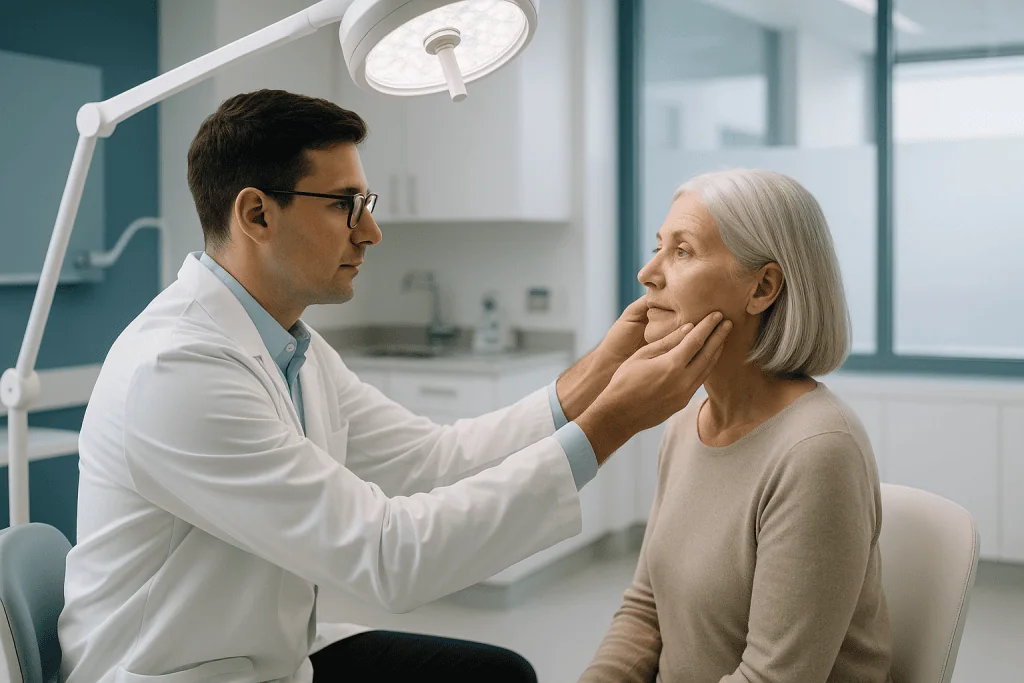
Diagnosis rests on physical examination and facial analysis rather than imaging. Your surgeon assesses the brow position at rest, forehead muscle activity, upper eyelid skin, eyelid position, hairline height, scalp characteristics, facial proportions and symmetry. Standardised photographs are usually taken for planning, and they often help you see for yourself how much of the upper-eye heaviness is coming from the brow.
A central part of the evaluation is deciding whether the real problem is the brow, the eyelids or both. Many patients arrive convinced they need upper eyelid surgery because their lids look heavy, when a drooping brow is doing much of the work. Others have true excess eyelid skin that needs blepharoplasty, with or without a lift. Non-surgical options such as injectable neuromodulators or skin resurfacing can soften mild lines, but they cannot reposition a significantly sagging brow the way surgery can. Being honest about which category you fall into prevents the wrong operation.
Good candidates are generally in sound overall health, do not smoke or are prepared to stop around the time of surgery, hold realistic expectations and understand that facial rejuvenation improves appearance without halting the ageing process. Certain eye conditions, bleeding disorders, uncontrolled medical problems or previous facial surgery do not necessarily rule the procedure out, but they do call for additional evaluation before anything is scheduled.
Conditions and Indications a Brow Lift Addresses
A brow lift is most often performed for aesthetic rejuvenation of the upper face, but the specific reasons vary from patient to patient. The operation can address mild to significant brow descent, forehead skin laxity and expression lines that have deepened over the years. In selected patients, lifting a low brow also relieves a functional sense of heaviness around the upper eyelids, although visual symptoms always require careful assessment and documentation before surgery is planned on that basis.
Typical indications include:
- Brow ptosis: a lowered eyebrow position that creates heaviness, asymmetry or an aged upper-face appearance.
- Lateral brow descent: drooping of the outer brow, often paired with hooding at the outer upper eyelids.
- Forehead rhytids: horizontal forehead lines that deepen as the forehead muscles work constantly to hold the brows up.
- Glabellar lines: vertical lines between the eyebrows, frown lines, produced by repeated muscle movement and tissue change.
- Upper facial imbalance: a mismatch between the upper face and the rest of the face, particularly when brow position makes the eyes look smaller or permanently tired.
- Brow asymmetry: differences in brow height or shape, whether congenital, age-related or linked to previous injury or surgery.
Sometimes a brow lift stands alone. Sometimes it belongs inside a broader facial rejuvenation plan that might include upper or lower eyelid surgery, a facelift, a neck lift, fat transfer or skin-quality treatments. Combination is never automatic. The priority is to choose procedures that match your anatomy and to resist overcorrection: a brow lifted too far reads as surprise, not youth, and it is far easier to avoid that outcome than to reverse it.
How Is a Brow Lift Done?
Patients often ask how a brow lift is performed, and the honest answer is that the operation begins well before the day of surgery. Planning matters because small changes in brow position produce large changes in expression. During consultation, your surgeon reviews your medical history, current medicines, allergies, previous operations, eye health and aesthetic goals. You will be asked about smoking, blood-thinning medicines, supplements and any tendency to scar abnormally. If any of your regular medicines need adjusting before surgery, that decision is made by the treating doctor as part of your plan, never on your own initiative.
The examination looks at your face from the front and the side, both at rest and in expression. The aim is to understand how your forehead muscles work, where the brow naturally sits and how much lift would look balanced on your face rather than on an average face. Preoperative photographs anchor the plan. If eyelid concerns are present, the surgeon assesses whether eyelid surgery is genuinely needed or whether the lift alone will resolve the heaviness.
Before surgery you may receive guidance on stopping smoking and fasting instructions if general anaesthesia or sedation is planned. For international patients, the care team coordinates the timing of consultation, preoperative tests, the operation itself, early recovery and follow-up before the journey home. Medical clearance may be requested depending on age, health history and the anaesthesia plan.
What happens on the day of surgery?
On the day of surgery you meet the surgical and anaesthesia teams, and the sequence follows a consistent pattern:
- The planned incision lines and target brow position are marked while you sit upright, because gravity changes where the brow rests once you lie down.
- Anaesthesia is given, general anaesthesia or local anaesthesia with sedation, according to the agreed plan, your preference and medical considerations.
- Incisions are made according to the chosen technique: several small scalp incisions for an endoscopic lift, temple incisions for a lateral lift, or a longer scalp or hairline incision for an open lift.
- The surgeon releases the attachments that hold the brow in its lowered position.
- The forehead and brow tissues are elevated to the position agreed during planning.
- The new position is secured with an appropriate fixation method, such as sutures or small fixation devices.
- The incisions are closed carefully, and a dressing or light bandage may be applied.
- You move to a recovery area for monitoring while the anaesthesia wears off.
Safety runs through the whole process: continuous monitoring during anaesthesia, and standardised protocols for infection prevention, bleeding control and postoperative recovery. The details flex with the technique; the discipline does not.
Endoscopic brow lift
An endoscopic brow lift is performed through several small incisions hidden within the hair-bearing scalp. A slender camera gives the surgeon a magnified view of the tissue planes beneath the forehead skin. Working through the small incisions, the surgeon releases the attachments that anchor the brow low, repositions the brow and forehead tissues and secures them with a suitable fixation method.
This approach is commonly chosen for mild to moderate brow descent in patients with enough hair coverage to conceal the incisions. Because the incisions are small, visible scarring is usually limited. Swelling and bruising vary between individuals, but most patients find the recovery manageable when the postoperative instructions are followed closely.
Temporal or lateral brow lift
A temporal brow lift concentrates on the outer part of the brow. Incisions typically sit within the temple hair or near the hairline, depending on your anatomy and the surgical plan. The surgeon lifts and repositions the lateral brow and temple tissues to reduce the heaviness that settles over the outer eyelids.
This technique suits patients whose main concern is outer brow droop rather than the whole forehead, and it can be combined with upper eyelid surgery in selected cases. The intention is a refreshed eye area with normal, mobile expression preserved.
Traditional or open brow lift
A traditional brow lift may involve a longer incision within the scalp, along the hairline or in another carefully selected location. It is less minimal than the endoscopic approach, but it remains the right choice for certain patients, particularly where there is significant forehead skin excess, a specific hairline issue or a need for more direct tissue adjustment.
The surgeon elevates the forehead and brow tissues, removes or repositions tissue where needed, and closes the incision meticulously to support clean healing. Incision planning matters most for patients with a high hairline, thinning hair or previous scalp surgery, because a poorly placed incision can raise the hairline or leave a scar that hair cannot hide.
Technology used in planning and surgery
Brow lift surgery depends on precise visual assessment and gentle tissue handling. Depending on the approach, the tools include high-resolution clinical photography for planning, endoscopic camera systems for minimally invasive visualisation, specialised instruments for controlled tissue release and modern anaesthesia monitoring. These help the surgeon work accurately, protect the sensory nerves of the forehead and scalp, and place incisions as discreetly as anatomy allows.
Technology supports the operation; it does not replace judgement. The decisive factors remain your anatomy, the technique selected for it, the safety protocols around it and an experienced eye for facial balance.
How long does brow lift surgery take?
The duration depends on the technique and on whether other procedures are performed in the same session. A focused temporal lift takes less time than an extensive forehead repositioning, and adding upper eyelid surgery or a facelift lengthens the day accordingly. Your surgeon sets out the expected schedule during planning so you know what the day of surgery and the first hours of recovery will look like before you arrive.
Immediately after surgery
After the procedure you are monitored in a recovery area. A dressing or light compression bandage may be in place, depending on the technique. Tightness, mild discomfort, swelling, bruising around the forehead or eyes, temporary numbness and a sense of pressure are all expected in the early healing phase and usually ease gradually. Discomfort is managed with medicines prescribed by your team.
You will usually be asked to keep your head elevated, apply cold compresses if advised, avoid strenuous activity and follow the incision-care instructions exactly. You should not drive or make important decisions in the hours after anaesthesia or sedation. Some patients return to their hotel the same day; others stay overnight, depending on the extent of surgery, the anaesthesia used, overall health and whether procedures were combined. For international patients, the recommended local stay is set individually so that early follow-up happens before travel is even discussed.
Why Acting at the Right Time Can Matter
Brow descent is not a medical emergency, and nobody should feel rushed into cosmetic surgery. But timing does shape the surgical conversation. When brow heaviness is mild to moderate, a less extensive technique may be enough. Once tissue laxity advances, a broader approach or combined procedures may be needed to achieve the same degree of correction.
Delay can also cost comfort. A low brow contributes, in some people, to eye fatigue and to forehead tension from constantly raising the eyebrows. In those who rely on forehead muscle effort to keep their field of view clear, the horizontal lines that effort produces deepen steadily.
There is also the matter of diagnostic clarity. What looks like an eyelid problem may in fact be brow ptosis, eyelid ptosis, excess eyelid skin or a combination, and each has a different treatment. A careful consultation prevents the wrong procedure from being chosen. Removing too much upper eyelid skin without addressing a low brow, for example, may fail to create the open-eye appearance you wanted and can make later correction more complex.
Early consultation does not mean early surgery. It means information, options and time to decide without pressure. For international patients it also allows unhurried planning around travel, recovery, work and family commitments.
Potential Benefits of a Brow Lift
What a brow lift can achieve depends on your anatomy, the surgical plan and how you heal, but the procedure is designed to improve upper-face balance in several specific ways.
| Benefit | What It Means for You |
|---|---|
| Higher, better-positioned eyebrows | The brows can be lifted to a more natural, refreshed position, helping the eyes appear more open without changing your identity. |
| Smoother forehead appearance | Repositioning the brow reduces the need to constantly raise the forehead, which can soften horizontal forehead lines. |
| Reduced heaviness around the upper eyes | When brow descent contributes to hooding, lifting the brow eases the sense of weight above the eyelids. |
| More balanced facial expression | A brow lift can reduce a tired, stern or sad look caused by a low brow position or deep frown lines. |
| Long-lasting rejuvenation | Surgical repositioning generally offers more durable improvement than non-surgical treatments for significant brow sagging. |
| Improved symmetry in selected patients | Where appropriate, the operation can reduce visible differences in brow height or shape, although perfect symmetry is not a realistic promise from any surgeon. |
Brow Lift Recovery Timeline
Recovery varies with the technique, your individual healing and whether other procedures were performed alongside the lift, but most patients follow a recognisable pattern of swelling reduction and gradual return to normal life.
| Time Period | What to Expect |
|---|---|
| Day 1 | A dressing may be in place, with swelling, tightness, mild discomfort and bruising around the forehead or eyes. Rest with your head elevated and follow the medication and incision-care instructions you were given. |
| First week | Swelling and bruising are usually at their most visible early on, then begin to fade. Light activity may feel comfortable, but bending, lifting and exercise are typically restricted. |
| First month | Most visible bruising has usually settled, and many patients return to work and social life. Numbness, firmness or tightness can persist while the deeper tissues heal. |
| Longer term | The brow position settles gradually, scars mature and the result refines over several months. Sun protection and sensible skin care support the long-term appearance. |
Follow your surgeon’s specific guidance rather than a generic schedule, because instructions differ by technique. Sutures or staples, where used, are removed on the surgeon’s timetable. Contact lenses, eye makeup, hair washing and hair colouring resume only when approved. Air travel after surgery is planned around your healing progress and your surgeon’s assessment, not around a fixed rule.
Temporary numbness or altered sensation in the scalp or forehead is common, especially near the incisions. It usually improves with time, although some sensory changes take longer to resolve. Mild asymmetry in the early weeks is also common, because swelling rarely settles evenly on both sides at once. Follow-up visits exist precisely to track this settling and to tell you when normal activity can safely resume.
How long does a surgical eyebrow lift last?
A surgical eyebrow lift does not wear off the way injectable treatments do, but it cannot stop the face from continuing to age. The repositioned tissues are genuinely moved and secured, so the improvement typically endures for years; how many years depends on your skin quality, tissue characteristics, sun exposure, smoking status and general health rather than on any fixed expiry date. A truthful way to think about it: after a well-executed lift, your brow ages forward from a better starting position. Surgeons who quote a precise lifespan for the result are guessing on your behalf.
Brow Lift Before and After: How to Judge Results
Looking at brow lift before and after photographs is one of the most useful things you can do while researching the procedure, provided you read them critically. Fair comparisons use the same lighting, the same camera angle, the same head position and a neutral expression in both images. A “before” photo taken with the brows consciously relaxed and an “after” taken with subtle brow raising can exaggerate any operation.
Pay attention to timing as well. A photograph taken weeks after surgery still carries swelling that temporarily smooths the forehead; a photograph taken many months later shows the settled, honest result. Our guide to what realistic before-and-after results mean explains how to weigh galleries without being misled, and our explanation of medical photography before and after treatment shows how standardised clinical images are actually taken.
Eyebrow lift before after photos: what to look for
Photo sets labelled eyebrow lift before after are everywhere online, and they reward careful reading. Look first at the brow shape: a good result lifts the brow without producing a startled arch, and the outer brow should sit gently higher than a drooping “before” without pointing upward unnaturally. Look at the hairline, has it shifted, and if so, does the technique explain why? Look for visible scars at the hairline or temple in close-up views. And look at expression: the forehead should still move. A frozen, shiny forehead in every “after” image tells you something about the technique, or about the editing.
Factors That Influence Brow Lift Results
A good brow lift result depends on more than lifting the eyebrows. It requires the right diagnosis, an appropriate technique, careful execution and realistic expectations. The most natural outcomes come from raising the brow enough to restore balance while preserving normal movement and expression, and no further.
The main influences are:
- Baseline anatomy: brow height, forehead shape, orbital bone structure, eyelid anatomy and overall facial proportions all shape the plan.
- Degree of brow descent: mild lateral droop is treated differently from significant descent across the whole brow.
- Skin quality: sun damage, thickness, elasticity and collagen changes affect how tissues respond to lifting and healing.
- Hairline and hair density: incision placement must respect hairline height, hair pattern and the possibility of thinning over time.
- Forehead muscle activity: strong expression patterns influence forehead lines and where the brows settle after surgery.
- Choice of technique: endoscopic, temporal and traditional approaches each suit specific patient profiles.
- Combination procedures: where eyelid skin excess, eyelid ptosis or lower facial ageing is present, additional procedures may be needed for balanced rejuvenation.
- Healing response: swelling, bruising, scar maturation and tissue settling vary from person to person.
- Lifestyle factors: smoking, sun exposure, nutrition, sleep and adherence to postoperative instructions all affect healing and scar quality.
- Expectations: surgery can create a genuinely refreshed appearance; it cannot stop ageing or manufacture perfect symmetry.
Risks belong in this conversation too, because informed consent is part of a good result. As with any operation, a brow lift can involve bleeding, infection, adverse reaction to anaesthesia, delayed healing, visible scarring, hairline changes, temporary or persistent numbness, asymmetry, overcorrection or undercorrection, and the possibility of revision surgery. Eye dryness or irritation can occur in some patients, particularly when eyelid surgery is performed in the same session. Your surgeon will walk through the risks that apply to your health profile and your specific plan, and before discharge the team explains what ordinary healing looks like and which signs warrant clinical review.
Long-term results follow the arc of natural ageing. A brow lift repositions tissue and improves the upper face, but skin and soft tissue keep changing. Stable weight, sun protection, not smoking and a sensible skin-care routine all help preserve what surgery achieved.
Brow Lift Cost: What Shapes the Price
Brow lift cost varies from patient to patient because the operation itself varies. The technique chosen, endoscopic, temporal or open, changes the operating time, the instruments involved and the anaesthesia plan. Whether the lift stands alone or is combined with eyelid surgery or other facial procedures changes the total scope of care. The type of anaesthesia, whether an overnight stay is needed, preoperative tests, medications, dressings and the follow-up schedule all feed into the final figure.
How much is a brow lift?
There is no single honest answer, because there is no single brow lift. Any figure quoted before a surgeon has examined your face, your hairline and your eyelids is an estimate at best. The reliable number is the one produced after evaluation: a written, itemised quotation that states what the price includes, surgeon and anaesthesia fees, hospital facilities, preoperative tests, postoperative care, and what it does not.
How much does a brow lift cost in Turkey?
The same principle applies to a brow lift in Turkey: the cost depends on the technique, the anaesthesia, the length of stay and whether procedures are combined, so the dependable answer is a documented, personalised quotation issued before you travel rather than a headline number from an advert. If you are budgeting for treatment abroad, our guide on how to estimate the total cost of treatment in Turkey before you travel walks through what a serious estimate should cover, including the travel and accommodation costs that sit outside any medical quote.
Coming to Turkey for a Brow Lift: How International Patients Plan It
Travelling for facial surgery adds a layer of logistics to the medical decision, and it rewards planning in the right order. A typical care pathway for an international brow lift patient looks like this: you share your medical history and photographs for an initial remote assessment; the surgical team gives a preliminary opinion on whether a lift is appropriate and which technique is likely; you receive a documented treatment plan and quotation; and only then do you book travel. Nothing is final until the in-person examination, because brow position, hairline and eyelid anatomy must be assessed directly before any incision is planned.
Once in Turkey, the sequence usually runs: in-person consultation and confirmation of the plan, preoperative tests and anaesthesia review, the operation itself, an early recovery period at your hotel or in hospital as advised, and at least one follow-up examination before you are cleared to fly home. Build your stay around that follow-up rather than around the cheapest return flight: the visit exists to check healing, remove sutures where needed and confirm that travel is sensible. After you return home, follow-up typically continues remotely with photographs and scheduled check-ins.
Practicalities worth planning: bruising around the eyes can remain visible for a while, so factor that into work and social commitments after you land; bring loose clothing that does not pull over your head; and if possible travel with a companion for the first days after surgery. For a fuller picture of the whole journey, see our guide to what happens before, during and after treatment in Turkey.
Is it possible to get an endoscopic brow lift in Turkey?
Yes. Endoscopic brow lifting is an established technique in facial aesthetic surgery, and it is practised within Turkey’s hospital system, including at Acibadem, where the equipment and surgical experience for minimally invasive upper-face surgery are part of routine practice. Whether the endoscopic approach is right for you, however, is a question of anatomy, not geography: your degree of brow descent, hairline height and hair coverage determine the technique, and that decision is confirmed at the in-person examination rather than promised in advance.
How Acibadem Approaches Brow Lift Surgery
Brow lift surgery at Acibadem takes place in a full hospital environment rather than a stand-alone cosmetic clinic. That matters in practical, unglamorous ways: structured preoperative assessment, anaesthesia delivered and monitored by dedicated teams, formal infection-prevention protocols, medication management and postoperative monitoring are all part of one care pathway. Most brow lifts are straightforward, but surgery always deserves an environment prepared for the unexpected.
The clinical philosophy is individual planning over standard patterns. During consultation, the surgeon works out whether your concern is best treated with a brow lift, eyelid surgery, a non-surgical option or a combination, and is willing to say so when the answer is “less than you expected”. For patients travelling internationally, getting the diagnosis right first time is the single biggest factor in satisfaction, because it prevents unnecessary procedures and avoids the wrong operation being performed far from home.
Multidisciplinary support is available when a case needs it. Some patients bring eye conditions, previous facial surgery, facial nerve concerns, thyroid eye disease or general medical issues that require another specialist’s input before an aesthetic operation is scheduled; having those specialties within the same healthcare group keeps that step simple. For international patients, dedicated coordinators handle appointment scheduling, medical record transfer, interpreting and hospital admission, so that the clinical conversation stays clear in your own language.
Communication is treated as part of clinical quality. You should feel able to ask direct questions and receive direct answers: Which technique fits my hairline? Do I need eyelid surgery as well? How much lift is too much for my face? Exactly where will the scars be, and how will they be hidden? How long should I stay before flying home? A consultation that answers these plainly, without pressure, is the foundation the rest of the process stands on.
Making a Considered Decision
A brow lift can be a refined, durable answer for people who feel that sagging eyebrows, forehead lines or upper-eye heaviness make them look more tired or older than they are. The operations that patients remain happy with years later share the same ingredients: an accurate diagnosis that separates brow descent from eyelid problems, a technique chosen for the individual face rather than by habit, restraint in how far the brow is moved, and expectations set honestly before anyone reaches for a scalpel.
Take the time the decision deserves. Understand which structure is actually causing what you see in the mirror, what each technique would mean for your scars and your hairline, what recovery will ask of your calendar, and what a written quotation does and does not include. A second professional opinion is never wasted on elective facial surgery. When those pieces are in place, the choice, whichever way it goes, will be an informed one.
Preparation
- Before a brow lift, the plastic surgeon evaluates facial anatomy, eyebrow position, skin quality, and aesthetic goals. Patients may need blood tests and anesthesia assessment, and should stop smoking and avoid blood-thinning medicines or supplements as advised. A personalized surgical plan is created based on the preferred technique and expected recovery.
Aftercare
- After surgery, swelling, bruising, and mild tightness around the forehead are expected and usually improve within days. Patients should keep the head elevated, avoid strenuous activity, and follow wound-care instructions closely. Follow-up visits are important to monitor healing and remove any sutures if needed.
Frequently Asked Questions
What affects the cost of a brow lift?
The main factors are the chosen technique, complexity of correction, surgeon experience, hospital or clinic standards, anaesthesia, preoperative tests and aftercare. If treatment is planned abroad, travel, accommodation, transfers and interpreter support may also affect the total budget.
How can I get a personalised brow lift quote from Acibadem?
You can request a free consultation by sharing photos, medical history and your aesthetic goals. A specialist team reviews your case and prepares a personalised plan, including what is expected to be included in your treatment pathway.
Is a brow lift package likely to include travel support?
International patient packages may include coordination services such as appointment planning, interpreter support, airport transfers and accommodation guidance. Exact inclusions should be confirmed in writing before travel.
Why can brow lift prices differ between patients?
Each patient has different anatomy, brow position, skin quality, hairline features and expectations. Costs can also change if eyelid surgery, facial rejuvenation or non-surgical treatments are combined with the brow lift.
Is the cheapest brow lift option always the best choice?
Price should be considered together with surgeon qualifications, hospital safety standards, anaesthesia care, accreditation, communication and follow-up arrangements. This information is general and not medical or financial advice; a specialist consultation is needed for an individual recommendation.
Medically reviewed by the Acıbadem International Medical Board September 13, 2026
See our medical review board →
Update history
- PublishedJune 8, 2026
- Medical review approvedSeptember 13, 2026
- Last content updateSeptember 12, 2026
Planning this treatment in Turkey
Our English guides for international patients: costs, timelines, safety and travel.
Trusted care for international patients
From the Acibadem Blog
What Are the Risks of a Brow Lift? Numbness, Hair Loss at Incisions and Uneven Brows
The main brow lift risks are temporary or lasting numbness across the forehead and scalp, hair thinning or a bald strip along incisions hidden…
Brow Lift vs Blepharoplasty: Which One Addresses Heavy Upper Eyes?
An upper blepharoplasty removes excess eyelid skin and is usually appropriate when the heaviness comes from the lid itself, while a brow lift repositions…
How an Endoscopic Brow Lift Is Performed: Small Incisions, Cameras and Fixation Explained
An endoscopic brow lift is done under general anesthesia or sedation through several short incisions hidden in the scalp. A pencil-thin camera lets the…
Doctors Performing This Treatment


Aesthetic Plastic & Reconstructive Surgery
Prof. Mehmet Veli Karaaltın, MD

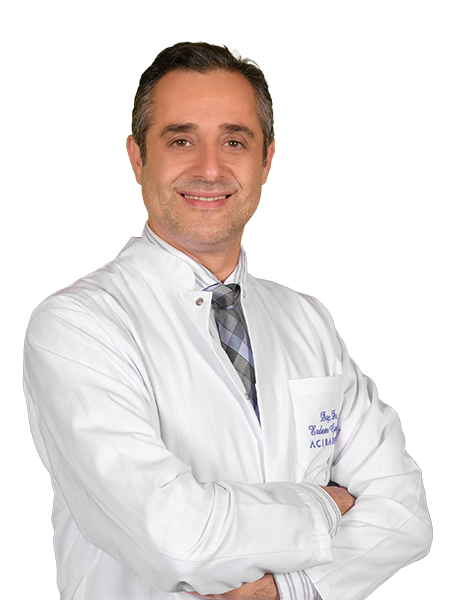
Aesthetic Plastic & Reconstructive Surgery
Assoc. Prof. Erdem Güven, MD

Aesthetic Plastic & Reconstructive Surgery
Assoc. Prof. Ahmet Küçükçelebi, MD
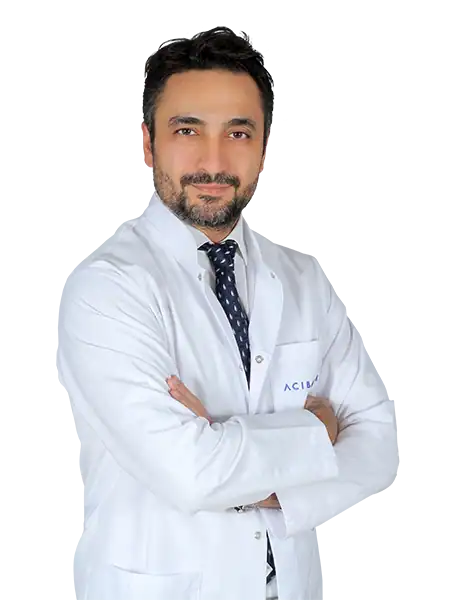
Aesthetic Plastic & Reconstructive Surgery
Assoc. Prof. Mehmet Altıparmak, MD

Aesthetic Plastic & Reconstructive Surgery