Cryotherapy: An Evidence-Based Guide for Patients
Cryotherapy means treatment with extreme cold, but the term covers several different techniques. Medically supervised cryotherapy is commonly used for skin lesions such as warts and some precancerous spots.
Key Takeaways
- Cryotherapy means treatment with extreme cold, but the term covers several different techniques.
- Medically supervised cryotherapy is commonly used for skin lesions such as warts and some precancerous spots.
- Cold therapy may help with short-term pain and swelling, but evidence is stronger for some uses than others.
- Whole-body cryotherapy is not the same as medical cryosurgery and should not replace standard care.
- Risks include skin irritation, burns, blistering, nerve injury, and complications in people with certain medical conditions.
- A qualified doctor can help decide whether cryotherapy is appropriate and what safer alternatives may exist.
Cryotherapy is the medical use of extreme cold to destroy abnormal tissue or to help reduce pain, swelling, and muscle soreness in selected situations. It is not one single treatment: it can range from a doctor applying liquid nitrogen to a skin lesion to supervised cold-based recovery methods, and the right option depends on the health problem being treated.
What cryotherapy is and how it works
Cryotherapy is the use of very cold temperatures for medical or therapeutic purposes. In healthcare, it most often means a clinician uses liquid nitrogen or another cooling method to freeze and destroy unwanted tissue, such as a wart, an actinic keratosis, or certain small skin growths. In sports and rehabilitation settings, the word may also describe local cold treatment, ice-based therapy, or whole-body cryotherapy intended to reduce soreness and inflammation.
The basic principle is simple: intense cold can slow blood flow, reduce local inflammation, numb pain, and, at lower temperatures, damage or destroy cells. That is why a brief cold pack for a sprained ankle and a doctor-performed freezing treatment for a skin lesion both fall under the broad term cryotherapy, even though they are quite different in purpose and intensity.
For patients, the most important point is that cryotherapy is not a cure-all. It can be effective for specific, evidence-based uses, while other uses remain less certain. A treatment that is helpful for a common wart may not be appropriate for chronic joint pain, and a commercial whole-body cryotherapy session is not the same as a medical procedure performed in a clinic or hospital.
Common uses of cryotherapy
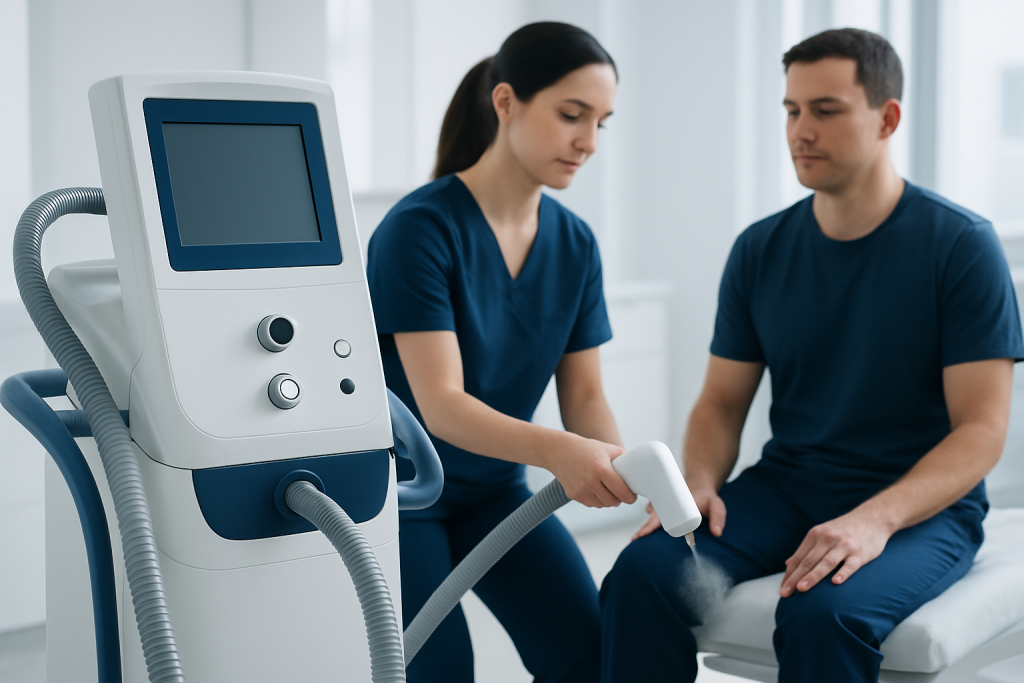
One of the best-established uses of cryotherapy is in dermatology. Doctors commonly use liquid nitrogen to treat warts, actinic keratoses, seborrheic keratoses, skin tags, and some other superficial skin lesions. By freezing the abnormal tissue, the body can gradually shed or heal the treated area over days to weeks. Some skin conditions may need more than one session, depending on size, depth, and location.
Cryotherapy is also used in some medical specialties to treat deeper tissue through techniques sometimes called cryoablation or cryosurgery. In selected cases, extreme cold may be used to destroy abnormal cells in organs or soft tissues under imaging guidance. These are specialized procedures and differ greatly from the simple office-based freezing of a skin spot.
Outside procedural medicine, local cold therapy is often used for short-term symptom relief after minor injuries or exercise. It may reduce swelling and temporarily ease pain after strains, sprains, or intense physical activity. Some patients with chronic musculoskeletal conditions also ask about cold-based therapies as part of a wider rehabilitation plan, especially alongside physical therapy and rehabilitation.
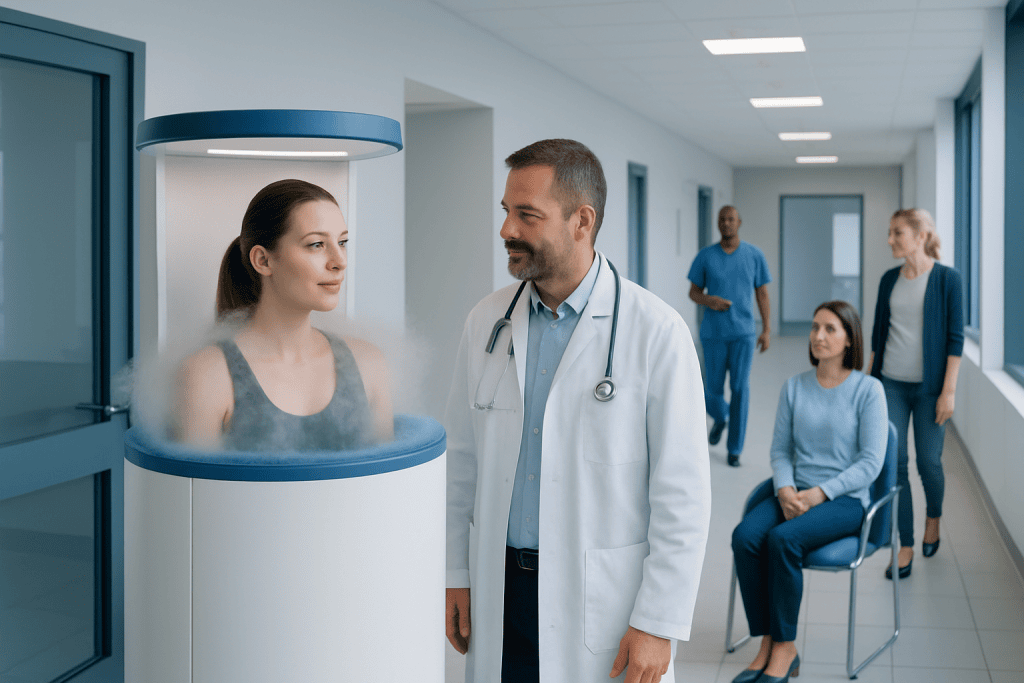
Whole-body cryotherapy, where a person briefly stands in a very cold chamber or booth, has gained public attention for recovery, wellness, and pain relief. Research suggests it may help some people with short-term muscle soreness or perceived recovery, but evidence is mixed and less established than for standard medical uses. It should be viewed cautiously and not as a replacement for diagnosis or proven treatment.
Possible benefits and what the evidence shows

The clearest benefit of cryotherapy is its ability to destroy unwanted surface tissue in a controlled way. For certain skin lesions, this can be quick, effective, and done in an outpatient setting without major surgery. It is often chosen because it is practical, widely used, and usually well tolerated when performed by trained clinicians.
Cold exposure can also help numb pain and reduce local swelling. This is why ice packs and targeted cold therapy are commonly used soon after minor injuries. For athletes and active individuals, short-term reduction in soreness may make movement more comfortable, although cold therapy does not correct the underlying cause of repeated injuries or overuse.
For chronic pain, inflammatory conditions, and whole-body cryotherapy, the picture is more nuanced. Some studies suggest temporary symptom improvement in selected patients, but responses vary and long-term benefits are less certain. It is best to think of these approaches as supportive tools rather than stand-alone solutions. If pain is ongoing, a doctor may also assess for related conditions such as arthritis or nerve and spine problems that need a broader treatment plan.
Patients often ask whether cryotherapy “boosts healing.” In practice, it may help manage symptoms, but healing depends on the cause of the problem. Excessive or poorly timed cold exposure may even limit tissue flexibility or comfort in some situations, so treatment should match the stage of recovery and the medical goal.
Risks, side effects, and who should be cautious
Like any treatment, cryotherapy has risks. After skin cryotherapy, common side effects include redness, swelling, stinging, blistering, scabbing, and temporary discomfort. Changes in skin color can occur, especially in people with darker skin tones, and some treated areas may heal with a small scar. These effects are often mild, but they matter when treatment is on the face, hands, or other visible areas.
If cold is applied too long or too intensely, cryotherapy can cause frostbite-like injury, burns, tissue damage, or nerve irritation. Whole-body cryotherapy may also cause lightheadedness, breathing discomfort from very cold air, or injury if safety standards are poor. For this reason, unsupervised devices and non-medical settings deserve caution.
Some people should be especially careful with cryotherapy, including those with poor circulation, cold hypersensitivity, Raynaud phenomenon, some nerve disorders, open wounds, severe cardiovascular disease, or conditions that reduce skin sensation. Patients with diabetes or vascular problems may need individualized advice because they can be at higher risk of unnoticed skin injury and delayed healing. Persistent foot pain or numbness may need evaluation for diabetic foot or other complications rather than repeated self-treatment with cold.
Pregnant patients, older adults with fragile skin, and anyone with unexplained pain or a suspicious skin lesion should ask a healthcare professional before trying cryotherapy. In general, if there is uncertainty about the diagnosis, it is safer to assess the problem first and choose treatment second.
What happens during diagnosis and treatment planning
Before recommending cryotherapy, a doctor first clarifies what problem is being treated. For skin lesions, this often begins with a medical history and physical examination. The clinician looks at the size, shape, color, location, and behavior of the lesion. In some cases, a lesion that appears simple may need closer assessment to rule out skin cancer or another diagnosis before freezing is considered.
If symptoms involve pain, swelling, or sports recovery rather than a visible lesion, treatment planning is different. The doctor may ask when symptoms began, what makes them better or worse, whether there was an injury, and whether there are signs of infection, nerve irritation, or joint disease. Imaging or specialist evaluation may be needed if symptoms are persistent or severe.
For office-based skin cryotherapy, treatment is usually brief. Liquid nitrogen may be applied with a spray or cotton-tipped applicator for a few seconds, sometimes in more than one freeze-thaw cycle. The area may sting or burn during the procedure, and the doctor explains how the skin is expected to look afterward. If the lesion is large, deep, recurrent, or in a sensitive location, other options may be more suitable, including minor dermatology procedures or follow-up care.
When cryotherapy is being considered for pain or rehabilitation, it is often just one part of care. The broader plan may include activity modification, stretching, strengthening, bracing, medication when appropriate, and supervised rehabilitation. This approach tends to be more useful than relying on cold exposure alone.
Recovery, aftercare, and self-care advice
After skin cryotherapy, the treated area may become red, swollen, or blistered before it dries and forms a crust. This can be a normal part of healing. Patients are usually advised to keep the area clean, avoid picking or scratching, and follow the clinician’s instructions about dressing changes or skin protection. Healing time depends on the body area and the depth of treatment.
For local cold therapy after minor injury or exercise, the goal is usually comfort, not prolonged freezing. A cloth barrier between ice and skin helps reduce the risk of injury, and cold is generally applied for short periods rather than continuously. If pain, swelling, or loss of function is worsening instead of improving, self-care should stop and medical advice should be sought.
Whole-body cryotherapy should not be used casually by people with medical conditions that make extreme cold risky. Even in otherwise healthy people, it is important to follow facility safety instructions and avoid overexposure. Benefits, if any, are usually temporary and should be paired with proper training recovery, hydration, nutrition, sleep, and rehabilitation strategies.
Long-term self-care depends on the reason cryotherapy was used. For recurring skin lesions, sun protection and routine skin checks may help reduce future problems. For joint or muscle complaints, strengthening, posture, weight management, and guided exercise may be more important than repeated symptom-only treatment. Some patients with persistent pain ultimately benefit from a fuller orthopedic or rehabilitation assessment, and in selected cases from orthopedic care.
When to seek medical care
Medical advice is important if a skin lesion is changing in color, shape, or size; bleeding easily; or not healing. A lesion should usually be diagnosed before treatment if there is any concern that it could be cancerous or if previous cryotherapy has not worked. Repeatedly freezing an undiagnosed lesion may delay proper care.
For injuries or pain problems, a patient should seek medical care if there is severe pain, major swelling, inability to bear weight, numbness, weakness, fever, spreading redness, or symptoms that do not improve over time. Cold therapy can relieve symptoms, but it should not be used to mask a serious injury or infection.
Medical review is also appropriate if cryotherapy causes a large blister, signs of infection, persistent skin breakdown, severe discoloration, or suspected frostbite. People with diabetes, poor circulation, or neuropathy should be especially careful and contact a doctor early if healing seems delayed.
At the end of the care pathway, specialist input may help when diagnosis is uncertain or symptoms are complex. Acibadem International’s multidisciplinary specialists and JCI-accredited hospitals evaluate and treat patients who may need dermatology, rehabilitation, or procedural care, particularly when cryotherapy is one part of a broader treatment plan.
Frequently asked questions
What is cryotherapy used for?
Cryotherapy is used for several different purposes, most commonly to treat certain skin lesions by freezing them. It may also be used to help reduce short-term pain, swelling, or muscle soreness, depending on the situation. More specialized forms can be used by doctors to destroy abnormal tissue deeper in the body.
Is cryotherapy the same as icing an injury?
Not exactly. Icing an injury is a simple form of local cold therapy, while medical cryotherapy may involve much lower temperatures or specific devices such as liquid nitrogen. Both use cold, but they differ in intensity, goals, and medical supervision.
Does whole-body cryotherapy really work?
Whole-body cryotherapy may help some people feel temporary relief from muscle soreness or fatigue after exercise. However, evidence is mixed, and benefits are generally less established than standard medical cryotherapy for skin lesions. It should not replace diagnosis, rehabilitation, or proven medical treatment.
Is cryotherapy painful?
Many people feel stinging, burning, aching, or intense cold during treatment, but discomfort is usually brief. After skin cryotherapy, the area may remain tender or blister for a few days. Pain that is severe, prolonged, or accompanied by major skin damage should be assessed by a doctor.
Are there people who should avoid cryotherapy?
Yes. People with poor circulation, cold sensitivity, Raynaud phenomenon, some nerve disorders, or reduced skin sensation should be cautious. Anyone with an unexplained skin lesion, open wound, severe cardiovascular disease, or diabetes-related foot problems should speak with a qualified doctor first.
How long does it take to recover after cryotherapy?
Recovery depends on the type of cryotherapy. After treatment of a skin lesion, healing may take days to a few weeks, with redness, blistering, and scabbing often part of the normal process. After local cold therapy for soreness or minor injury, the cooling effect is short-term, and ongoing recovery depends on the underlying problem.
References
- American Academy of Dermatology
- National Health Service
- Mayo Clinic
- American Academy of Orthopaedic Surgeons
- World Health Organization
This article is for general information only and is not a substitute for professional medical advice. Please consult a qualified doctor about your individual situation.
Cryotherapy in Turkey — costs, top hospitals & a free quote
JCI-accredited · board-certified surgeons · reply within 24h
Add us as a Preferred Source to see more of our trusted health content across Google Search, AI Overviews and Discover.

Medical Oncology Department
Medical treatment of cancer with chemotherapy, immunotherapy and targeted therapies under a multidisciplinary tumor board.
60 specialists in this unit