Cryptogenic Stroke: Why Stroke Happens Without a Clear Cause

Cryptogenic stroke means the cause remains unidentified after appropriate testing. Symptoms are the same as other strokes and need emergency medical attention.
Key Takeaways
- Cryptogenic stroke means the cause remains unidentified after appropriate testing.
- Symptoms are the same as other strokes and need emergency medical attention.
- Further evaluation often looks for hidden heart rhythm problems, blood vessel disease, or clotting disorders.
- Treatment focuses on acute stroke care, rehabilitation, and preventing another stroke.
- Controlling blood pressure, cholesterol, diabetes, smoking, and inactivity remains important even when the exact cause is unknown.
Cryptogenic stroke is a stroke in which no definite cause is found even after standard medical evaluation. Although the source is unclear, it is a real stroke that requires prompt treatment, careful follow-up, and a plan to lower the risk of another event.
Overview
Cryptogenic stroke is the term used when a person has an ischemic stroke, but doctors cannot identify a definite cause after a standard evaluation. An ischemic stroke happens when blood flow to part of the brain is blocked, depriving brain tissue of oxygen. The word “cryptogenic” simply means “of hidden origin.” It does not mean the stroke is less serious, only that the reason behind it has not yet been clearly proven.
In many people, stroke can be linked to well-known causes such as a clot from the heart, narrowing of a large artery, or disease affecting small blood vessels in the brain. In cryptogenic stroke, these common explanations are not confirmed despite appropriate tests. Some people may also hear the related term “embolic stroke of undetermined source,” which describes a stroke pattern suggesting a clot traveled to the brain, but the exact source remains uncertain.
Because the cause is unclear, cryptogenic stroke often leads to a broader search for hidden risk factors. Doctors may look for intermittent abnormal heart rhythms, structural heart conditions, uncommon blood clotting problems, or less obvious disease in the blood vessels. This process can take time, and follow-up testing may continue after the patient leaves the hospital.
Even when the cause remains unknown, treatment still focuses on two priorities: supporting recovery from the current stroke and reducing the chance of another one. This usually involves a combination of medication, lifestyle changes, rehabilitation, and ongoing review by stroke specialists.
Symptoms of Cryptogenic Stroke
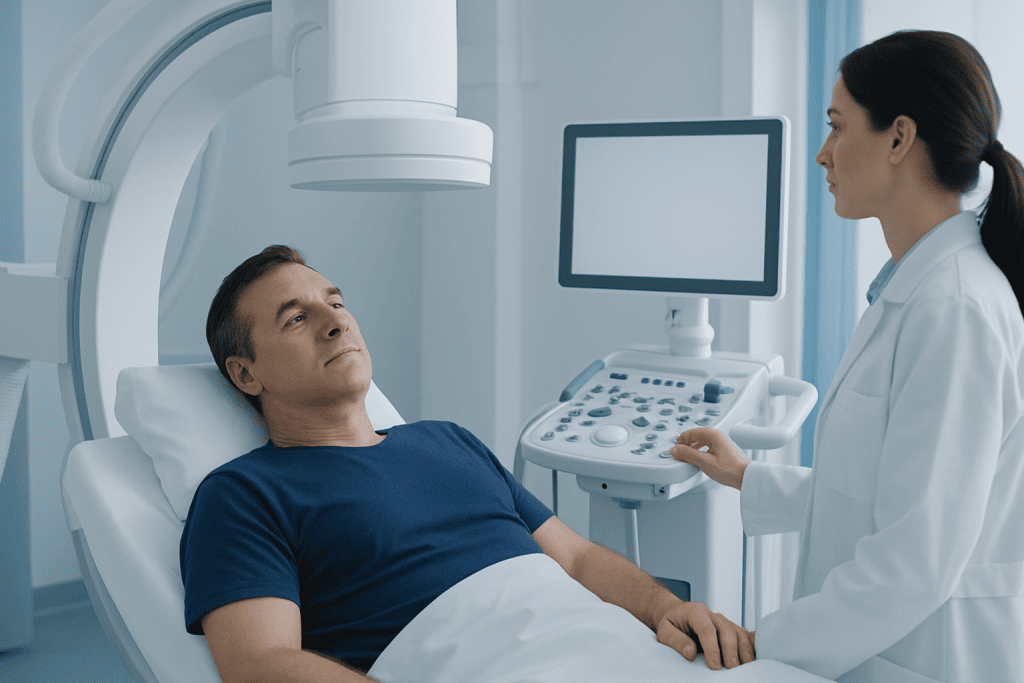
The symptoms of cryptogenic stroke are the same as the symptoms of any other stroke. They usually begin suddenly and depend on which area of the brain is affected. Common warning signs include weakness or numbness on one side of the body, facial drooping, trouble speaking or understanding speech, sudden vision changes, dizziness, loss of coordination, or a severe sudden headache.
Some strokes cause very noticeable symptoms, while others are more subtle. A person may seem confused, have difficulty finding words, notice clumsiness in one hand, or experience a sudden loss of balance. Symptoms can last or may improve quickly, but even temporary symptoms need urgent assessment because they can reflect a stroke or a transient ischemic attack.
A simple way to remember stroke warning signs is FAST:
- Face drooping
- Arm weakness
- Speech difficulty
- Time to call emergency services
Rapid treatment matters because some stroke therapies are time-sensitive. Anyone with possible stroke symptoms should seek emergency help right away rather than waiting to see if symptoms pass.
Why It Can Happen Without a Clear Cause

A stroke may be called cryptogenic when the initial work-up does not show one clear explanation. This can happen for several reasons. Sometimes a clot source is present but difficult to detect, such as an irregular heart rhythm that occurs only briefly and unpredictably. In other cases, more than one mild abnormality is found, but none is strong enough on its own to explain the stroke with confidence.
One possible hidden cause is atrial fibrillation, an abnormal heart rhythm that can come and go. If it is not happening during a short ECG or hospital monitor recording, it may be missed. This is why some patients need longer rhythm monitoring after discharge. Doctors may also look for other heart-related sources of clot, including valve disease, heart muscle problems, or structural findings such as a patent foramen ovale in selected patients.
Less common possibilities include inflammation of blood vessels, inherited or acquired clotting disorders, cancer-related clotting tendency, arterial dissection, or atherosclerosis that is present but not severe enough to be obvious at first glance. In younger adults, the evaluation may include a broader search for unusual causes. In older adults, standard vascular risk factors such as high blood pressure, diabetes, and high cholesterol may still contribute even if a single direct cause cannot be pinpointed.
It can help to think of cryptogenic stroke as an ongoing diagnostic category rather than a final explanation. As more information becomes available over time, some people are later reclassified into a more specific stroke type. Others continue to have no clearly identified source despite thorough and appropriate investigation.
Risk Factors
Although the exact cause is uncertain, many people with cryptogenic stroke still have risk factors known to increase the chance of stroke in general. These include high blood pressure, diabetes, high cholesterol, smoking, obesity, sleep apnea, physical inactivity, and older age. A personal history of heart disease or previous transient ischemic attack can also raise risk.
Some risk factors are less visible but still important. These can include occasional irregular heart rhythms, a family history of early stroke, migraine with aura in some situations, autoimmune conditions, or blood clotting abnormalities. Use of certain medications or hormones, especially in combination with smoking, may also play a role in selected patients.
Doctors often review the patient’s full medical history, lifestyle, and family background because risk factors can provide clues even when tests are inconclusive. This information also guides prevention. For example, controlling blood pressure remains crucial whether the stroke was caused by a hidden clot, subtle vessel disease, or another undetected process.
Having risk factors does not always explain the stroke completely, but it does help shape treatment decisions. Preventing another stroke usually involves addressing all modifiable risks rather than focusing only on one suspected mechanism.
How Cryptogenic Stroke Is Diagnosed
Diagnosis begins by confirming that a stroke has occurred and by distinguishing whether it is ischemic or hemorrhagic. Emergency brain imaging, such as CT or MRI, helps identify the type of stroke and its location. In ischemic stroke, doctors then search for possible causes using blood tests, heart testing, and imaging of the blood vessels in the neck and brain.
Common tests may include an electrocardiogram, heart rhythm monitoring, echocardiography, carotid ultrasound, CT angiography, or MR angiography. Depending on the person’s age, medical history, and stroke pattern, doctors may also consider longer-term cardiac monitoring, more specialized imaging, or laboratory tests for clotting, inflammation, or autoimmune conditions. Some patients may be evaluated for conditions such as stroke recurrence risk, hidden atrial fibrillation, or a structural heart opening linked to selected cases.
A stroke is generally considered cryptogenic only after a reasonable and evidence-based work-up fails to identify a definite source. The exact extent of testing differs from person to person. A younger patient with no obvious risk factors may need a broader evaluation, while an older patient may need focused testing based on likely causes and overall health.
Follow-up is an important part of diagnosis. Some causes, especially intermittent arrhythmias, are discovered only weeks or months later. For this reason, the diagnosis of cryptogenic stroke can evolve over time as new findings emerge.
Treatment Options and Recovery
Immediate treatment for cryptogenic stroke is similar to treatment for other ischemic strokes. Emergency care may involve clot-busting medication for eligible patients or catheter-based procedures to remove a clot in selected cases. These decisions depend on timing, imaging findings, and the patient’s overall condition. Prompt specialist care is essential because early treatment can limit brain injury.
After the acute phase, doctors focus on preventing another stroke. Many patients are treated with antiplatelet medication, along with management of blood pressure, cholesterol, and diabetes. If a hidden cause such as atrial fibrillation is later found, treatment may change to anticoagulant medication. In selected patients with significant artery disease or other treatable vascular problems, procedural options such as carotid endarterectomy or carotid artery stenting may be considered.
Rehabilitation is often a central part of recovery. Depending on the symptoms, this may include physical therapy, occupational therapy, speech-language therapy, and cognitive rehabilitation. Some people recover quickly, while others need structured support over a longer period. Emotional changes such as anxiety, low mood, fatigue, or frustration are also common and deserve attention.
In carefully selected patients, especially younger adults with certain heart findings, closure of a patent foramen ovale may be discussed if specialists believe it may have contributed to the stroke. Some patients also benefit from advanced treatment planning and hospital-based stroke care such as stroke rehabilitation. Near the end of the care journey, some international patients choose centers such as Acibadem International, where multidisciplinary specialists in JCI-accredited hospitals evaluate and treat stroke-related conditions.
Prevention, Self-care, and When to See a Doctor
Prevention after cryptogenic stroke usually combines medication with healthy daily habits. Patients are often advised to take prescribed medicines consistently, attend follow-up appointments, and complete recommended heart rhythm monitoring or imaging. Even if the cause remains uncertain, treatment of blood pressure, cholesterol, blood sugar, and other vascular risks can make a meaningful difference.
Helpful self-care measures include stopping smoking, limiting alcohol, eating a balanced diet, staying physically active within medical advice, maintaining a healthy weight, and getting enough sleep. Screening for and treating sleep apnea may also be important in some people. Keeping a record of symptoms such as palpitations, fainting, or brief neurologic episodes can help doctors identify an underlying cause later.
Recovery is not only physical. Many patients benefit from support with mood, memory, concentration, return to work, and family communication. Caregivers can also play an important role by helping with medications, appointments, and lifestyle goals while encouraging independence where possible.
Urgent medical care is needed right away for any new or recurrent stroke symptoms, even if they last only a few minutes. A doctor should also be contacted promptly for worsening weakness, severe headache, chest pain, fainting, new palpitations, or medication side effects. Ongoing follow-up with a neurologist or stroke specialist helps ensure that prevention strategies stay up to date as new information becomes available.
Frequently asked questions
What does cryptogenic stroke mean?
Cryptogenic stroke means a person has had a confirmed stroke, but no definite cause is found after standard medical testing. It is still a true stroke and should be taken just as seriously as any other type.
Is cryptogenic stroke common?
It is not rare for a stroke work-up to leave the exact cause uncertain, especially early on. In some people, additional monitoring or later testing eventually finds a likely explanation.
Can atrial fibrillation be missed at first?
Yes. Atrial fibrillation can occur intermittently, so it may not appear during a short ECG or brief hospital monitoring period. This is why some patients are advised to have longer-term rhythm monitoring after discharge.
How is cryptogenic stroke treated if the cause is unknown?
Doctors treat the stroke itself and work to prevent another one. This often includes antiplatelet medication, risk-factor control, rehabilitation, and additional testing to look for a hidden cause that could change treatment.
Can cryptogenic stroke happen in younger adults?
Yes, although stroke is more common with older age. In younger adults, doctors may investigate a wider range of potential causes, including structural heart issues, clotting disorders, arterial dissection, and autoimmune conditions.
What is the difference between cryptogenic stroke and a transient ischemic attack?
A cryptogenic stroke is a stroke with no identified cause after evaluation. A transient ischemic attack is a brief episode of stroke-like symptoms caused by temporary interruption of blood flow, usually without lasting brain injury on imaging, but it still needs urgent medical assessment.
References
- World Stroke Organization
- American Stroke Association
- National Institute of Neurological Disorders and Stroke
- Centers for Disease Control and Prevention
- European Stroke Organisation
This article is for general information only and is not a substitute for professional medical advice. Please consult a qualified doctor about your individual situation.
Explore treatments in Turkey — costs, top hospitals & a free quote
JCI-accredited · board-certified surgeons · reply within 24h
Add us as a Preferred Source to see more of our trusted health content across Google Search, AI Overviews and Discover.
Check your numbers in seconds
BMI, calories, due date, blood pressure and 30+ more clinical calculators — free, instant, doctor-reviewed ranges.