CT Scan Procedure Code: Preparation, Procedure and Results
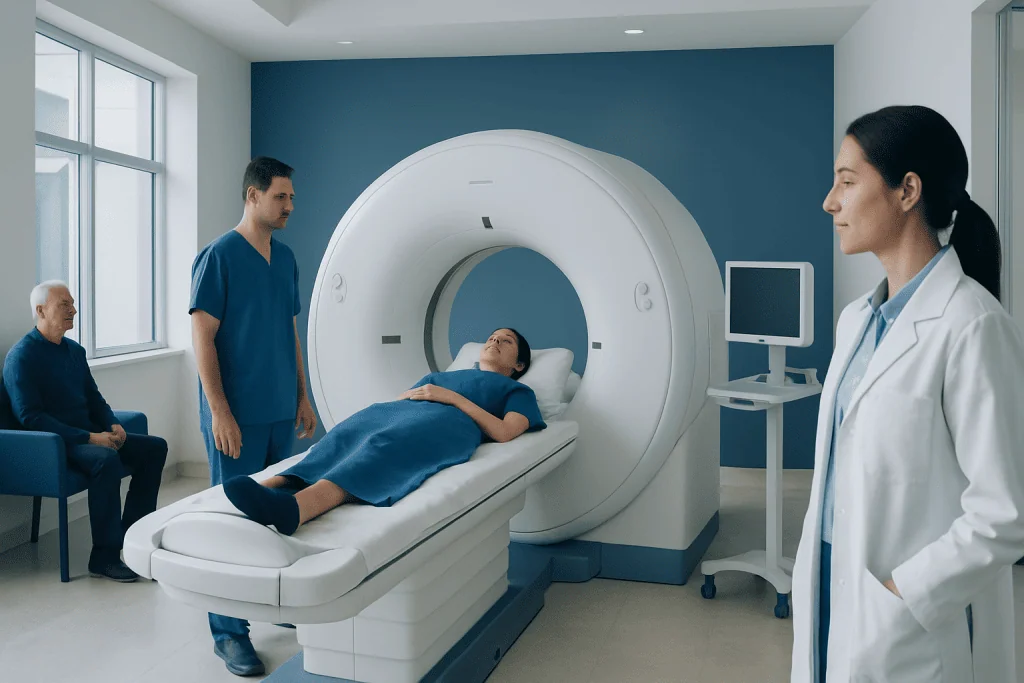
CT procedure codes vary by the part of the body examined and whether contrast is used. Many CT scans need little preparation, but some require temporary fasting or drinking water.
Key Takeaways
- CT procedure codes vary by the part of the body examined and whether contrast is used.
- Many CT scans need little preparation, but some require temporary fasting or drinking water.
- Patients should report pregnancy, allergies, kidney disease, diabetes medicines, and previous contrast reactions before the scan.
- The scan itself is usually painless and commonly takes only a few minutes, although the full appointment may be longer.
- A radiologist interprets the images and sends a report to the clinician who requested the test.
A CT scan procedure code is a standardized billing and documentation code that describes the body area scanned, whether contrast material was used, and sometimes the number of scan regions. The exact CT scan procedure preparation depends on the examination, so patients should follow the instructions provided by their imaging center.
CT Scan Procedure Code: What It Means
A CT scan procedure code is not one universal number. It is a standardized code used in medical records and insurance billing to identify the imaging examination performed. CT scan procedure codes commonly distinguish the body region being examined, such as the head, chest, abdomen, pelvis, spine, or blood vessels, and whether the scan was done without contrast, with contrast, or both.
The code is usually selected by the imaging provider or billing team based on the clinician’s order and the completed examination. Patients do not usually need to know or choose the code themselves. If a patient needs a code for insurance authorization, scheduling, reimbursement, or records, the imaging facility, referring clinician, or insurer can confirm the appropriate code for the specific test.
Computed tomography, also called CT or CAT scanning, combines X-rays and computer processing to create detailed cross-sectional images. It can help clinicians assess injuries, infections, bleeding, inflammation, stones, blood vessels, tumors, and many other health concerns. A CT scan is an imaging test rather than a treatment, and its findings are interpreted alongside symptoms, examination findings, and other tests.
How a CT Scan Works and When It May Be Recommended
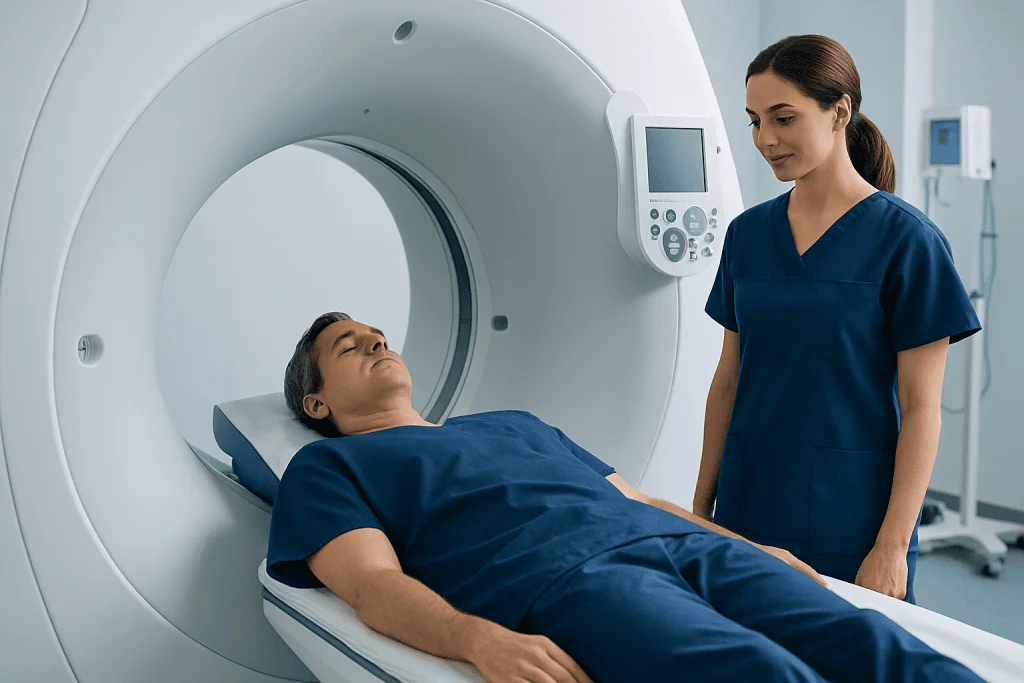
During a CT scan, an X-ray tube rotates around the body while detectors measure how much X-ray energy passes through different tissues. A computer reconstructs this information into detailed images. These images may show bones, lungs, organs, soft tissues, and blood vessels more clearly than a standard X-ray in many situations.
A clinician may recommend CT after an injury, for sudden or persistent symptoms, to investigate an abnormal finding, or to plan and monitor treatment. For example, a CT scan may be used to assess head injury, chest symptoms, abdominal pain, kidney stones, or suspected complications of infection. The reason for the scan guides the body area imaged and whether contrast material is useful.
Most people can have a CT scan safely. However, the care team should know about possible pregnancy, prior allergic-like reactions to iodinated contrast, kidney disease, thyroid conditions, diabetes, asthma, and all regular medicines or supplements. These factors do not always prevent scanning, but they may affect the type of test, preparation plan, or safety checks needed.
What Are the Preparation Instructions for a CT Scan?
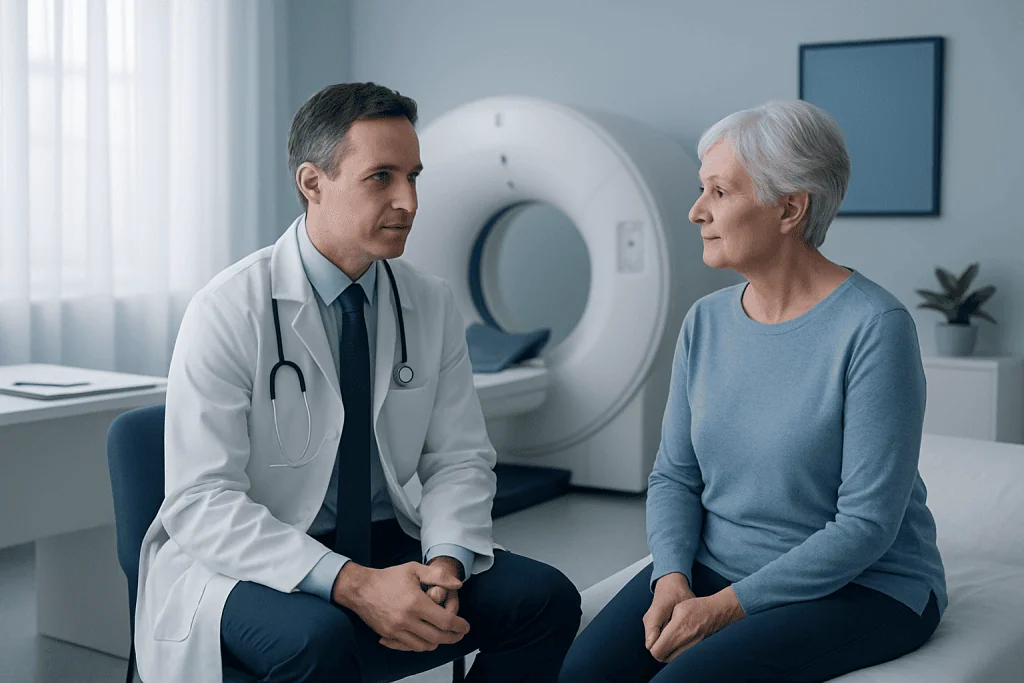
CT scan preparation instructions are individualized. A non-contrast CT, such as some head, bone, or lung scans, may require no special preparation beyond arriving on time and removing metal items when asked. Other examinations, particularly those using intravenous contrast or evaluating the abdomen and pelvis, may involve specific ct scan pre procedure instructions.
Patients may be asked to avoid food for several hours before a contrast-enhanced CT. This can reduce the chance of nausea and may help obtain clearer images for certain examinations. Clear fluids may be allowed, but the imaging center’s directions take priority because fasting requirements differ by scan type, medical history, and local protocol.
Before the appointment, patients should bring their referral information, relevant previous imaging if requested, and an updated medication list. They should tell staff about allergies, kidney problems, pregnancy or possible pregnancy, breastfeeding, and prior reactions to contrast. Some people may need a recent blood test to check kidney function before iodinated contrast is given.
- Wear comfortable clothing and avoid jewelry, removable piercings, or metal accessories when possible.
- Ask in advance whether medicines should be taken as usual on the day of the scan.
- Follow instructions about fasting, water intake, and arrival time exactly.
- Contact the imaging center before the appointment if instructions are unclear or a health condition has changed.
What Happens If You Eat 2 Hours Before a CT Scan?
If the CT scan does not require fasting, eating 2 hours beforehand may not be a problem. However, if the examination includes contrast or the imaging center asked the patient not to eat, the center should be contacted before arrival. The staff can advise whether the scan can proceed, whether it needs to be delayed, or whether the preparation instructions should be adjusted.
Eating shortly before a scan does not usually cause harm by itself, but it may affect a facility’s safety protocol or the quality of certain abdominal imaging studies. Fasting can also lower the likelihood of nausea in people receiving contrast material. It is important not to skip essential medicines or stop prescribed treatment unless a clinician has specifically advised this.
Patients should be honest with the imaging staff about food and drinks consumed, including milk, juice, nutritional supplements, and chewing gum if the center has given fasting instructions. The team’s goal is to perform the examination safely and obtain images that answer the clinical question.
Why Do You Have to Drink 1 Litre of Water Before a CT Scan?
Drinking 1 litre of water before a CT scan is requested for some, but not all, examinations. Water can help fill the bladder and parts of the digestive tract, making structures in the pelvis or lower abdomen easier to distinguish on the images. A full bladder may be particularly helpful when the bladder, urinary tract, reproductive organs, or nearby pelvic structures are being assessed.
The amount and timing of water vary considerably. Some patients may be asked to drink water shortly before the examination and avoid urinating, while others may receive oral contrast instead or have no fluid preparation at all. Patients should not assume that water is required simply because it was needed for a previous CT scan.
People with fluid restrictions due to heart failure, kidney disease, liver disease, or another medical condition should tell the imaging team if they cannot safely drink the requested amount. The team can provide individualized guidance or discuss alternatives with the referring clinician.
CT Scan Procedure: Step by Step, Benefits and Risks
At the appointment, staff confirm the patient’s identity, the requested examination, relevant medical history, and consent where required. The patient may change into a gown and remove metal objects. If intravenous contrast is needed, a small cannula is placed in a vein, usually in the arm or hand. Oral contrast may be provided for selected abdominal or pelvic examinations.
The patient lies on a narrow table that moves slowly through the CT scanner, a large ring-shaped machine. They may be asked to hold their breath briefly or remain still while images are taken. If contrast is injected, a temporary warm sensation, metallic taste, or feeling of needing to urinate can occur; these sensations generally pass quickly. Staff can see and speak with the patient throughout the scan.
CT can provide rapid, detailed information that helps guide diagnosis and care. The main limitation is exposure to ionizing radiation, although facilities use protocols intended to keep radiation as low as reasonably achievable. Iodinated contrast can rarely cause an allergic-like reaction and may require additional precautions in people with reduced kidney function. The care team weighs these risks against the expected benefit of the information the scan can provide.
Recovery Timeline, Results and When to Seek Medical Care
Most people can return to normal activities immediately after a CT scan. If contrast was used, patients are often encouraged to drink fluids unless they have been advised to limit fluids for a medical reason. The injection site may be mildly sore or bruised for a short time, but this usually improves without treatment.
A radiologist reviews the images and prepares a report for the clinician who ordered the scan. Results may be available quickly in urgent situations, while non-urgent reports may take longer depending on the setting. The requesting clinician explains what the findings mean, whether further tests are needed, and what next steps may be appropriate.
Patients should seek urgent medical care if they develop trouble breathing, swelling of the face or throat, widespread hives, severe dizziness, or other signs of a serious reaction after contrast. They should also contact a clinician if the injection site becomes increasingly painful, swollen, red, or warm. New or worsening symptoms that prompted the CT scan should not be ignored while waiting for results.
Acibadem International’s multidisciplinary specialists and JCI-accredited hospitals support international patients who need diagnostic imaging and coordinated follow-up care. Patients can ask their clinician or imaging team for clear preparation guidance tailored to the planned CT examination.
Frequently asked questions
What is the procedure code for a CT scan?
There is no single procedure code for every CT scan. The correct code depends on the body area being scanned, whether contrast is used, and the details of the examination. The imaging facility, referring clinician, or insurance provider can confirm the code for a specific order.
Do all CT scans require contrast dye?
No. Some CT scans are performed without contrast, while others use intravenous or oral contrast to make blood vessels, organs, or digestive structures easier to assess. The decision depends on the clinical question and the patient’s health history.
Can a person take regular medication before a CT scan?
Many regular medicines can be taken as usual, often with a small sip of water if fasting is required. However, medication instructions can differ for people with diabetes, kidney disease, or certain contrast-related precautions. Patients should ask the imaging center or their prescribing clinician before the appointment.
How long does a CT scan take?
The image acquisition itself commonly takes only a few minutes. The complete visit may take longer for registration, preparation, contrast administration, and safety checks. The exact duration depends on the body area scanned and whether contrast is used.
Is a CT scan painful?
A CT scan is usually painless. Patients need to lie still and may need to hold their breath briefly. If contrast is injected, a brief warm feeling or metallic taste can occur and typically resolves quickly.
When will CT scan results be available?
Timing depends on why the scan was performed and the healthcare setting. Urgent results may be reviewed rapidly, while routine reports can take longer. A radiologist interprets the images, and the clinician who ordered the scan discusses the findings with the patient.
References
- Radiological Society of North America
- American College of Radiology
- U.S. Food and Drug Administration
- National Institute of Biomedical Imaging and Bioengineering
- NHS
This article is for general information only and is not a substitute for professional medical advice. Please consult a qualified doctor about your individual situation.
Joint and spine care in Turkey — expert assessment & treatment
JCI-accredited · board-certified surgeons · reply within 24h
Add us as a Preferred Source to see more of our trusted health content across Google Search, AI Overviews and Discover.
Check your numbers in seconds
BMI, calories, due date, blood pressure and 30+ more clinical calculators — free, instant, doctor-reviewed ranges.