Cutting Edge Lung Cancer Treatment: How It Works, Results and What to Expect
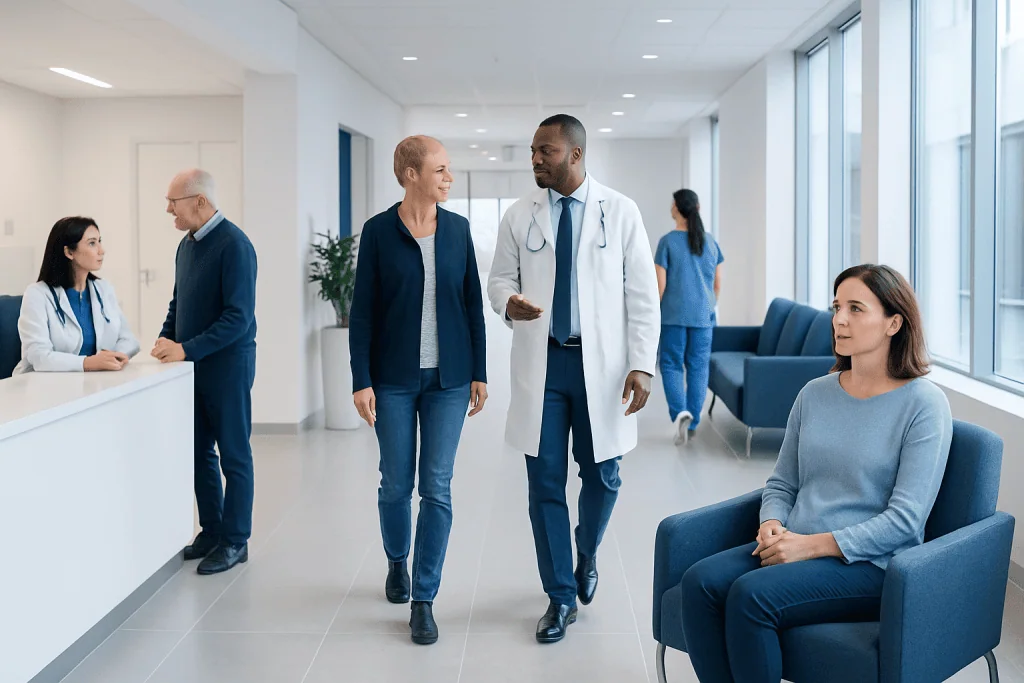
Lung cancer treatment is planned by a multidisciplinary team and is tailored to cancer stage, tumor biology and lung function. Surgery, including lobectomy, can be curative for selected early-stage non-small cell lung cancers.
Key Takeaways
- Lung cancer treatment is planned by a multidisciplinary team and is tailored to cancer stage, tumor biology and lung function.
- Surgery, including lobectomy, can be curative for selected early-stage non-small cell lung cancers.
- Biomarker testing can identify targeted medicines or immunotherapy options, particularly in advanced disease.
- Newer techniques such as minimally invasive surgery and precision radiation may reduce treatment burden for appropriate patients.
- Follow-up imaging and ongoing care remain important after treatment, even when no cancer is detectable.
Cutting edge lung cancer treatment uses a personalized combination of surgery, radiation therapy, systemic medicines and detailed tumor testing to control or remove cancer while protecting as much healthy lung function as possible. The best approach depends on the type of lung cancer, its stage, molecular test results, overall health and personal treatment goals.
Overview: what cutting edge lung cancer treatment means
Cutting edge lung cancer treatment means using the most appropriate evidence-based tools for an individual person, rather than relying on one treatment for every case. These tools may include minimally invasive surgery, highly focused radiation, chemotherapy, immunotherapy, targeted medicines and clinical trials. Treatment planning is guided by the cancer’s type and stage, whether it has spread, the person’s breathing reserve and the molecular features found through tumor testing.
For many people, the most advanced care is not necessarily the newest medicine alone. It is a coordinated plan that combines accurate imaging, pathology review, biomarker testing and input from thoracic surgeons, medical oncologists, radiation oncologists, pulmonologists, radiologists and supportive-care specialists. This approach helps the team balance cancer control with quality of life.
The two main forms of lung cancer are non-small cell lung cancer (NSCLC), which is more common, and small cell lung cancer (SCLC), which usually grows and spreads more quickly. The treatment choices and expected outcomes differ between these groups. For an overview of diagnosis, stages and management, see lung cancer.
How modern lung cancer treatments work
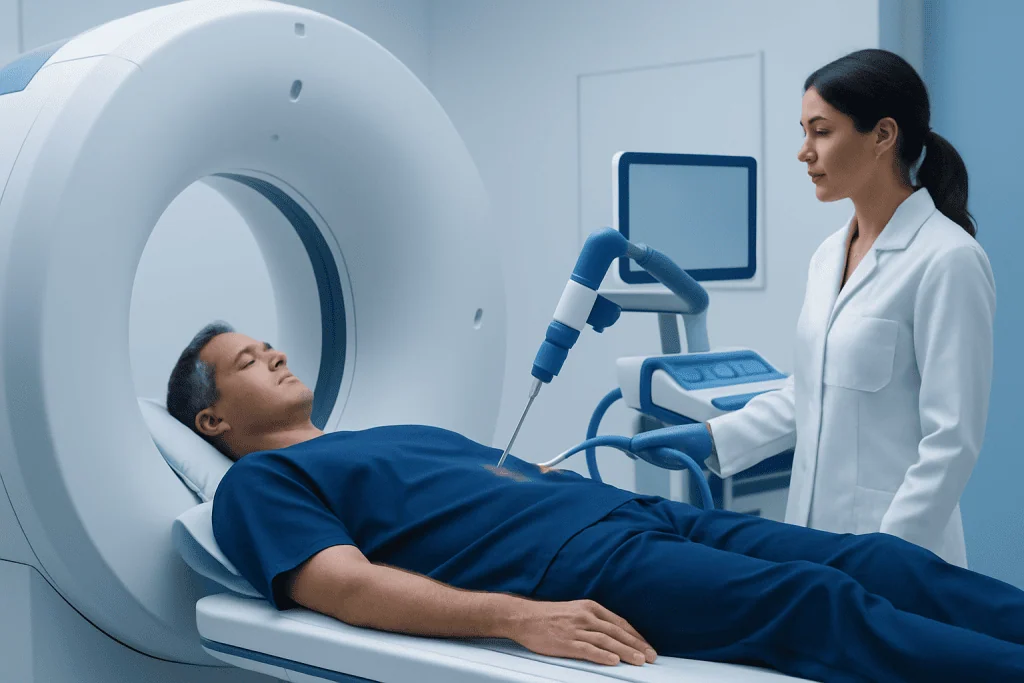
Local treatments aim at cancer in the lung or nearby lymph nodes. Surgery removes the tumor and a margin of surrounding tissue; a lobectomy removes one lobe of the lung and is a common operation for early-stage NSCLC. Some people may be candidates for segmentectomy, which removes a smaller part of a lobe, while others need a larger operation. Video-assisted thoracoscopic surgery and robotic approaches may allow surgery through smaller incisions in suitable cases.
Radiation therapy uses high-energy beams to damage cancer cells. Stereotactic body radiation therapy (SBRT) delivers a high dose very precisely over a small number of sessions and may be an alternative to surgery for certain early-stage cancers when an operation is not suitable. Radiation may also be used with chemotherapy for locally advanced disease or to relieve symptoms from cancer that has spread.
Systemic treatments travel through the bloodstream. Chemotherapy attacks rapidly dividing cells and may be used before or after surgery, with radiation, or for advanced cancer. Immunotherapy helps the immune system recognize and attack cancer cells. Targeted therapy blocks specific molecular changes, such as EGFR, ALK, ROS1, BRAF, MET, RET, NTRK, KRAS or HER2 alterations, when testing shows that a tumor has a treatable target.
Biomarker testing, often performed on tumor tissue and sometimes a blood sample, is especially important in advanced NSCLC. It can prevent unnecessary treatment and identify medicines more likely to benefit a particular tumor. Not every person will have a targetable alteration or be suitable for immunotherapy, so results must be interpreted by the oncology team.
Candidacy and the treatment-planning process
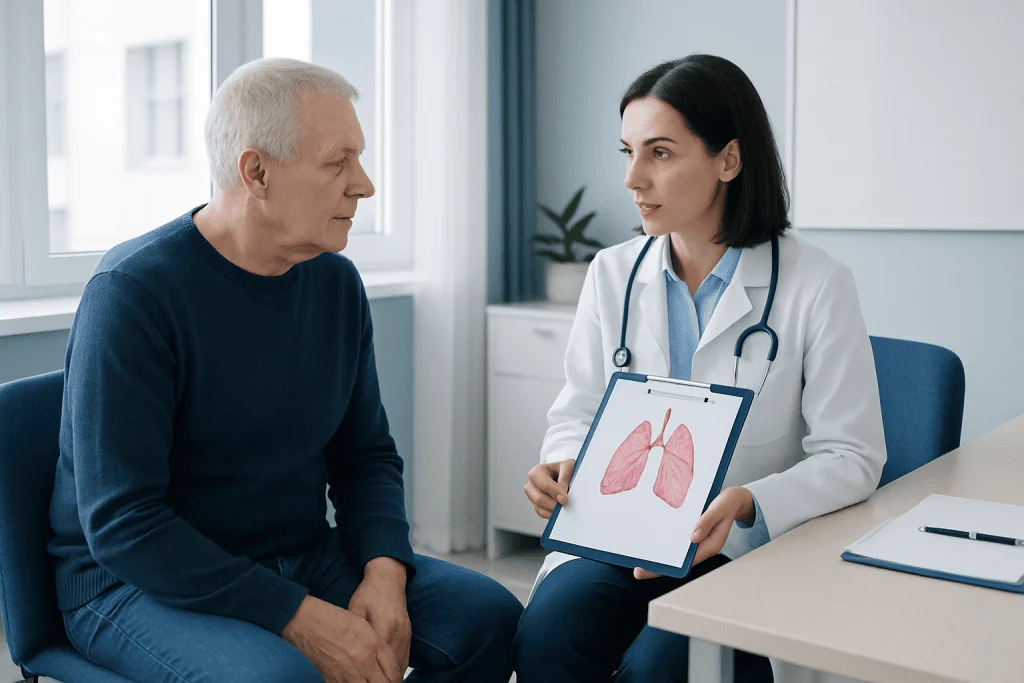
Before recommending treatment, clinicians confirm the diagnosis with a biopsy whenever possible and determine the stage through imaging, such as CT, PET-CT and sometimes brain MRI. Samples from the tumor or lymph nodes are assessed by a pathologist to identify the cancer type. In NSCLC, broad molecular profiling and testing for PD-L1, a marker that may help guide immunotherapy, are often considered.
Suitability for surgery depends on whether all visible cancer can be safely removed and whether the person can tolerate the loss of lung tissue. Doctors consider lung function tests, heart health, physical fitness, other medical conditions and the tumor’s location. Age alone does not decide candidacy; overall function and individual risks are more important.
For early-stage NSCLC, surgery is often the main treatment when feasible. Depending on pathology findings, chemotherapy, immunotherapy or targeted therapy may be recommended before or after surgery to lower the chance of recurrence. For stage III disease, a carefully sequenced combination of chemotherapy, radiation, immunotherapy and, in selected cases, surgery may be considered. Advanced-stage disease is often treated with systemic medicines, with radiation or procedures used for specific sites or symptoms.
A multidisciplinary tumor board can review complex cases and coordinate care. People may also ask whether a clinical trial is appropriate. Trials can offer access to carefully monitored new approaches, but eligibility varies and a trial is not automatically better than established treatment.
What happens during a lobectomy and other treatment procedures
When lobectomy is recommended, preoperative planning usually includes imaging review, breathing tests, blood tests and an anesthesia assessment. The surgeon may use an open incision between the ribs or a minimally invasive thoracoscopic or robotic technique. During the operation, the affected lobe is removed and nearby lymph nodes are sampled or removed to clarify stage and guide any further treatment.
After surgery, a chest tube temporarily drains air and fluid while the lung re-expands. Pain control, breathing exercises, early walking and respiratory physiotherapy are important parts of care. The removed tissue is examined in detail, and the final pathology report may take several days. It confirms tumor type, size, lymph-node involvement and whether the margins around the removed tumor are clear.
Radiation planning is also highly individualized. A planning CT is used to create a treatment map, and immobilization helps a person remain in the same position for each session. Systemic therapy is usually given in cycles or at regular intervals, with blood tests and clinical reviews to monitor benefit and side effects. Treatment plans may change if scans, symptoms or laboratory results indicate that an adjustment is needed.
For patients considering surgery, lobectomy for lung cancer may be discussed as part of a complete staging and treatment plan. The choice between surgery, radiation and systemic treatment should be made with specialists who understand both cancer control and the person’s lung health.
Benefits, risks and recovery timeline
The potential benefit of treatment is to remove or control cancer, reduce the risk of recurrence, extend life or improve symptoms, depending on the stage and setting. In early-stage disease, complete local treatment may be given with curative intent. In advanced disease, modern systemic treatment can often control cancer for meaningful periods, although it may not be possible to remove every cancer cell permanently.
Recovery after a lobectomy varies. Many people spend several days in hospital, although the exact duration depends on the surgical approach, air leaks, pain control and other health conditions. Tiredness, soreness, shortness of breath with exertion and a cough can continue for weeks. Gradual activity, breathing exercises, good nutrition and avoiding tobacco are usually encouraged; the care team gives individual instructions about lifting, driving, work and exercise.
Surgical risks can include bleeding, infection, pneumonia, blood clots, irregular heart rhythm, prolonged air leak and reduced breathing capacity. Radiation can cause fatigue, skin irritation, cough, swallowing discomfort or inflammation in the lung, depending on the treatment area. Chemotherapy, immunotherapy and targeted therapy each have distinct possible side effects, including low blood counts, nausea, diarrhea, rash, fatigue or immune-related inflammation. Prompt reporting allows clinicians to treat side effects early.
Follow-up includes regular visits and imaging, often CT scans, to look for recurrence or new lung cancers. Rehabilitation, smoking-cessation support, nutrition care, emotional support and symptom management can all be valuable. The recovery process is not identical for everyone, and symptoms should be discussed rather than managed alone.
What is the average life expectancy for someone who has had a lobectomy for lung cancer?
There is no single average life expectancy after a lobectomy for lung cancer. A lobectomy is an operation, not a measure of prognosis by itself. Life expectancy depends mainly on the cancer stage at diagnosis, whether lymph nodes were involved, tumor biology, whether all cancer was removed, the need for additional treatment, smoking status, lung function and other health conditions.
For people with early-stage NSCLC that is completely removed, a lobectomy may be part of treatment intended to cure the cancer. Some people remain free of cancer for many years. When cancer has spread to lymph nodes or beyond the chest, additional treatment is often needed and the outlook is more variable.
The treating team can give the most meaningful estimate after reviewing the final pathology report and follow-up scans. Population survival data can be useful for context, but it cannot predict an individual person’s outcome. Asking about stage, treatment goals, recurrence risk and the follow-up plan may provide clearer and more personal information.
What is the most promising treatment for lung cancer?
The most promising treatment for lung cancer is the treatment matched to the specific cancer and person. For a small, early-stage tumor, surgery or precisely delivered radiation may offer the best chance of cure. For locally advanced cancer, combinations of chemotherapy, radiation, immunotherapy and sometimes surgery can be highly important.
For advanced NSCLC, molecularly targeted treatments and immunotherapy have changed care for many patients. A targeted medicine may be especially effective when a tumor carries the matching genetic alteration, while immunotherapy can be valuable for some tumors based on PD-L1 testing and other clinical factors. Some people benefit most from a combination of immunotherapy and chemotherapy.
Small cell lung cancer is commonly treated with chemotherapy and immunotherapy, often alongside radiation depending on its stage. Research continues into new targeted agents, antibody-drug conjugates, cell-based treatments, improved radiation approaches and better ways to select treatment. A discussion with a lung cancer specialist is essential before deciding which option is most appropriate.
What does the 62-day rule mean for cancer treatment?
The 62-day rule is a target used within the United Kingdom’s National Health Service cancer pathway. It refers to starting first definitive cancer treatment within 62 days of an urgent suspected-cancer referral. It is a health-system performance standard, not a medical rule that applies in every country or to every individual case.
Timely diagnosis and treatment are important, but the exact schedule should also allow for essential steps such as biopsy, staging scans, pathology review, biomarker testing and multidisciplinary planning. These steps help ensure that treatment begins with the right approach rather than simply the fastest available option.
Anyone worried about delays should contact their treating team. They can explain what investigations remain, whether symptoms require urgent attention and when a treatment decision is expected. In some situations, treatment must start quickly; in others, completing accurate testing first is medically appropriate.
Are you cancer free after a lobectomy?
A lobectomy can remove all known cancer when the tumor is confined to the part of the lung being removed and pathology confirms clear margins. However, no operation can guarantee that microscopic cancer cells are absent elsewhere. Whether a person is considered to have no evidence of disease after surgery depends on the final pathology, imaging and the presence or absence of cancer in lymph nodes or other organs.
Some people are advised to have chemotherapy, immunotherapy or targeted therapy after a lobectomy because these treatments may reduce recurrence risk in selected situations. Others may only need surveillance. The oncology team will explain the reason for any additional treatment based on the pathology results and biomarker findings.
Even after successful surgery, scheduled follow-up is important. It helps detect recurrence early and supports long-term lung health. New or persistent symptoms should be reported, but it is also important to remember that many symptoms after surgery or during recovery have non-cancer causes.
When to seek medical care
A person should arrange medical assessment for a cough that persists or changes, coughing up blood, unexplained shortness of breath, chest pain, recurring chest infections, unexplained weight loss, unusual fatigue or a new hoarse voice. These symptoms are common and often caused by conditions other than cancer, but a clinician can assess them appropriately, especially in people who smoke or have smoked.
Urgent medical care is needed for severe difficulty breathing, major bleeding when coughing, sudden chest pain, fainting, confusion or symptoms suggesting a serious infection. People already receiving lung cancer treatment should contact their care team promptly for fever, worsening breathlessness, uncontrolled pain, severe diarrhea, new rash, jaundice or other unexpected symptoms, as treatment complications can require early attention.
Smoking cessation is beneficial at every stage, including before and after treatment. People at elevated risk may also ask a clinician whether they meet local criteria for low-dose CT screening. Acibadem International’s multidisciplinary specialists and JCI-accredited hospitals diagnose and treat lung cancer for international patients, with care plans developed around each patient’s clinical needs.
Frequently asked questions
Can lung cancer be cured with modern treatment?
Some early-stage lung cancers can be treated with curative intent, most commonly with surgery or, for selected people, highly focused radiation. The likelihood of cure depends on the cancer type, stage, lymph-node status and whether all detectable disease can be treated. Advanced lung cancer is often manageable with modern therapies, although it may not always be curable.
Why is molecular testing important in lung cancer?
Molecular testing looks for genetic changes in a tumor that may be treated with a targeted medicine. It can also help guide the use of immunotherapy when combined with other tests, such as PD-L1 testing. The results are particularly important in advanced non-small cell lung cancer.
Is robotic surgery better than open surgery for lung cancer?
Robotic and other minimally invasive techniques may lead to smaller incisions and, for some people, less postoperative discomfort or a faster recovery. However, they are not suitable for every tumor or every patient. The most important consideration is complete and safe cancer removal by an experienced thoracic surgical team.
How long does it take to recover after a lobectomy?
Initial hospital recovery commonly takes several days, but full recovery can take weeks to a few months. Energy, breathing comfort and activity tolerance improve at different rates for different people. The surgical team can provide individualized advice based on the operation and any complications or additional treatment.
Can immunotherapy be used before lung cancer surgery?
In selected patients with resectable non-small cell lung cancer, immunotherapy may be given with chemotherapy before surgery, and sometimes continued afterward. This approach is not right for every cancer type or stage. Treatment decisions depend on staging, pathology, biomarker results and overall health.
What follow-up is needed after lung cancer treatment?
Follow-up usually includes regular appointments, symptom review and scheduled chest imaging, often CT scans. The frequency changes over time and depends on the cancer stage and treatment received. Follow-up also addresses smoking cessation, lung rehabilitation, nutrition, emotional well-being and treatment side effects.
References
- World Health Organization
- National Cancer Institute
- American Cancer Society
- European Society for Medical Oncology
- National Comprehensive Cancer Network
This article is for general information only and is not a substitute for professional medical advice. Please consult a qualified doctor about your individual situation.
Lung Cancer in Turkey — costs, top hospitals & a free quote
JCI-accredited · board-certified surgeons · reply within 24h
Add us as a Preferred Source to see more of our trusted health content across Google Search, AI Overviews and Discover.
Check your numbers in seconds
BMI, calories, due date, blood pressure and 30+ more clinical calculators — free, instant, doctor-reviewed ranges.

Medical Oncology Department
Medical treatment of cancer with chemotherapy, immunotherapy and targeted therapies under a multidisciplinary tumor board.
60 specialists in this unitMore from the Health Library

Related Specialists

Dr. Burak Boynuk
Orthopedic Surgery & Traumatology
Dr. Çağlar Yazıcıoğlu
Gynecology & Obstetrics
Cüneyt Karoğlu
Physical Medicine & Rehabilitation
Dr. Tamer Turan
Cardiovascular Surgery