Cystic Fibrosis: Symptoms, Causes, and Treatment Options
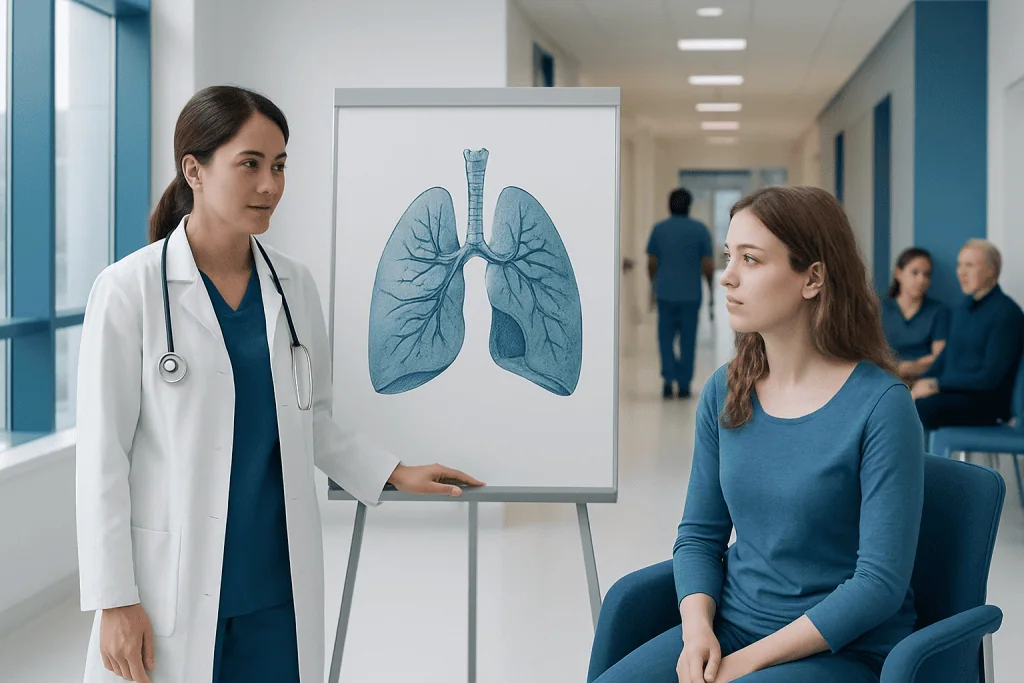
Cystic fibrosis is an inherited disorder caused by changes in the CFTR gene. It commonly affects the lungs, pancreas, sinuses, intestines, liver, and reproductive system.
Key Takeaways
- Cystic fibrosis is an inherited disorder caused by changes in the CFTR gene.
- It commonly affects the lungs, pancreas, sinuses, intestines, liver, and reproductive system.
- Symptoms can include chronic cough, repeated chest infections, poor weight gain, greasy stools, and salty-tasting skin.
- Diagnosis often involves newborn screening, a sweat chloride test, and genetic testing.
- Treatment usually combines airway clearance, inhaled medicines, nutritional support, and infection management.
- Regular follow-up with a multidisciplinary team helps manage complications and support long-term health.
Cystic fibrosis is a genetic condition that makes mucus unusually thick and sticky, mainly affecting the lungs and digestive system. Treatment does not cure cystic fibrosis, but early diagnosis and ongoing care can improve breathing, nutrition, growth, and quality of life.
Overview: what cystic fibrosis is
Cystic fibrosis is a lifelong inherited condition that affects how salt and water move in and out of cells. This causes mucus, digestive juices, and other body fluids to become thick and sticky instead of thin and slippery. The result is blockage and inflammation in organs that rely on clear passageways, especially the lungs and pancreas.
Although cystic fibrosis is present from birth, symptoms and severity can vary widely from person to person. Some children are diagnosed soon after newborn screening, while others are recognized later because of breathing problems, digestive symptoms, or poor growth. Advances in care mean many people with cystic fibrosis now live longer and more active lives than in the past.
The condition affects more than the lungs alone. Thick secretions can also involve the sinuses, intestines, liver, and reproductive organs. Because several body systems may be affected at the same time, care is often coordinated through specialists in respiratory medicine, gastroenterology, nutrition, physiotherapy, and pediatrics or adult medicine.
How cystic fibrosis affects the body
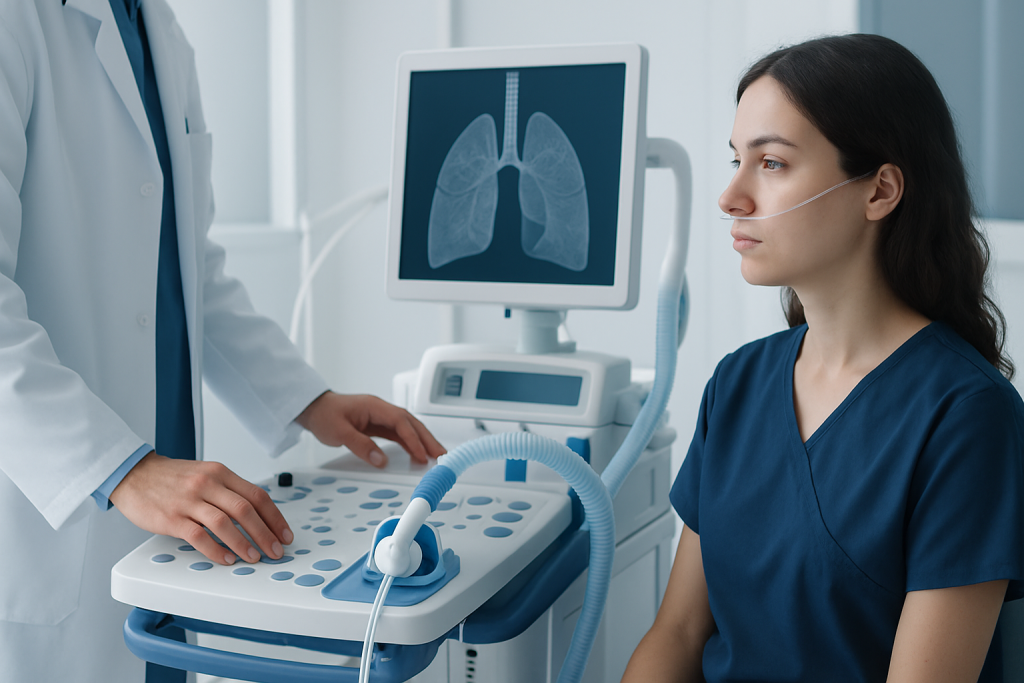
In the lungs, thick mucus can collect in the airways and make it harder to clear germs and irritants. Over time, this can lead to coughing, wheezing, repeated chest infections, and inflammation that may gradually damage lung tissue. People may also develop nasal congestion, sinus infections, or nasal polyps because the same mucus problem affects the upper airways.
In the digestive system, mucus can block the ducts of the pancreas. When digestive enzymes cannot reach the intestine properly, the body has difficulty absorbing fat, protein, and certain vitamins. This may cause bulky or greasy stools, bloating, constipation, and poor weight gain despite a good appetite.
Cystic fibrosis can also affect salt balance, which is why skin may taste unusually salty. In some people, complications include liver disease, reduced bone strength, diabetes related to cystic fibrosis, or fertility problems. Understanding this whole-body effect helps explain why treatment usually includes more than one type of therapy.
Symptoms and signs to recognize

The symptoms of cystic fibrosis depend on age, organ involvement, and how severe the gene changes are. In infants and children, early clues may include poor weight gain, frequent chest infections, persistent cough, wheezing, constipation, or very salty-tasting skin. Some newborns develop meconium ileus, a bowel blockage caused by thick intestinal contents.
Respiratory symptoms are often the most noticeable over time. A person may have a chronic cough, thick sputum, shortness of breath with activity, repeated bronchitis or pneumonia, and ongoing sinus congestion. As lung disease progresses, energy levels and exercise tolerance may decline.
Digestive symptoms are also common and can sometimes appear before major lung problems. These may include abdominal pain, bloating, foul-smelling or greasy stools, poor growth, delayed puberty, or vitamin deficiencies. In some cases, symptoms may overlap with other digestive disorders such as celiac disease, which is one reason careful medical assessment is important.
- Chronic cough or wheezing
- Repeated chest or sinus infections
- Poor growth or trouble gaining weight
- Greasy, bulky, or difficult-to-flush stools
- Constipation or intestinal blockage
- Salty-tasting skin
Causes and risk factors
Cystic fibrosis is caused by inherited changes in a gene called CFTR, short for cystic fibrosis transmembrane conductance regulator. This gene helps control the movement of chloride, a component of salt, across cell membranes. When the gene does not work properly, secretions in the lungs, digestive tract, and other organs become abnormally thick.
The condition follows an autosomal recessive inheritance pattern. This means a child must inherit one altered CFTR gene from each parent to have cystic fibrosis. A parent who carries one altered gene usually does not have the disease but can pass the gene to their children.
A family history of cystic fibrosis increases the chance of the condition, but it can appear even when there is no known family diagnosis. Different CFTR variants can influence how severe symptoms are and which organs are most affected. Genetic counseling can help families understand carrier status, inheritance patterns, and future reproductive options.
How cystic fibrosis is diagnosed
Diagnosis often begins with newborn screening, which can identify babies who may have cystic fibrosis before symptoms become obvious. If screening raises concern, doctors usually confirm the diagnosis with a sweat chloride test. This test measures the amount of salt in sweat and remains one of the most important tools for diagnosis.
Genetic testing may be used to identify changes in the CFTR gene. It can help confirm the diagnosis, guide treatment decisions in some cases, and clarify whether family members may be carriers. In older children or adults, diagnosis may also begin after repeated chest infections, unexplained poor growth, infertility, or symptoms suggestive of chronic airway disease such as bronchiectasis.
After diagnosis, doctors assess which organs are affected and how well they are functioning. This may include lung function testing, chest imaging, sputum cultures, stool tests, blood tests for nutrition and liver function, and screening for complications such as diabetes. A thorough evaluation helps create an individualized treatment plan.
Treatment options and ongoing care
Cystic fibrosis treatment is personalized and usually combines daily self-care with regular specialist follow-up. The main goals are to keep airways as clear as possible, prevent and treat infections, support nutrition, and monitor for complications. Many people benefit from chest physiotherapy and airway clearance techniques that help loosen and remove thick mucus from the lungs.
Medicines may include inhaled therapies to open airways, thin mucus, or reduce infection risk. Antibiotics can be used when bacterial infections occur, and some people need longer-term treatment to control chronic infection. If breathing symptoms are prominent, a respiratory specialist may use tests and care approaches similar to those used in lung function testing and structured pulmonology care.
Digestive care is just as important. Pancreatic enzyme replacement, high-calorie nutrition plans, and supplementation with fat-soluble vitamins may help improve growth and nutrient absorption. Some people also need treatment for constipation, liver problems, reflux, or cystic fibrosis-related diabetes. In selected patients, newer CFTR modulator medicines can improve the function of the altered protein, but eligibility depends on the specific genetic variant.
In advanced lung disease, extra oxygen, noninvasive breathing support, or transplant assessment may be considered. Surgical treatment is not routine for cystic fibrosis itself, but certain complications may require procedures. For comprehensive assessment of digestive and nutritional effects, multidisciplinary teams may also involve gastroenterology specialists.
Daily self-care, prevention, and long-term outlook
Daily routines play a central role in living with cystic fibrosis. Airway clearance exercises, prescribed inhaled treatments, and nutrition plans often need to be followed consistently even when a person feels relatively well. Families and patients can find it helpful to build these steps into a predictable daily schedule.
Preventing infection exposure is also important. Hand hygiene, recommended vaccinations, avoiding tobacco smoke, and seeking timely advice for worsening respiratory symptoms can all support lung health. Regular physical activity may help with airway clearance, fitness, and overall well-being, though the exact activity plan should match the person’s age and health status.
The long-term outlook for cystic fibrosis has improved because of earlier diagnosis, better nutrition, more effective airway treatments, and targeted medications for certain gene variants. Even so, the condition remains complex and requires lifelong monitoring. With steady follow-up and personalized care, many people attend school, work, travel, and take part in family life and exercise.
Near the end of the care pathway, some international patients seek coordinated evaluation in specialist centers. Acibadem International’s multidisciplinary teams and JCI-accredited hospitals diagnose and treat cystic fibrosis and related complications for patients coming from abroad.
When to seek medical care
Medical review is important if a baby or child has persistent cough, repeated lung infections, poor weight gain, greasy stools, severe constipation, or unusually salty-tasting skin. Early diagnosis can make a meaningful difference because treatment can begin before complications become more advanced.
A person already diagnosed with cystic fibrosis should contact a doctor if breathing becomes more difficult, cough and sputum increase, fever develops, appetite drops, weight falls, or bowel symptoms suddenly worsen. New chest pain, signs of dehydration, coughing up blood, or marked fatigue also deserve prompt assessment.
Routine follow-up is part of safe care even when symptoms seem stable. Regular appointments help track lung function, growth, nutrition, infection patterns, and treatment response. A qualified doctor can decide whether changes in medicines, physiotherapy, nutrition, or further testing are needed.
Frequently asked questions
Is cystic fibrosis curable?
Cystic fibrosis is not currently considered curable. However, modern treatment can control many symptoms, reduce complications, and improve quality of life. Some newer medicines target the underlying CFTR protein problem in eligible patients, but they do not eliminate the condition entirely.
What is usually the first sign of cystic fibrosis?
Early signs can differ from one person to another. Common first clues include poor weight gain, chronic cough, repeated chest infections, greasy stools, constipation, or salty-tasting skin. In some babies, newborn screening detects the condition before obvious symptoms develop.
Can adults be diagnosed with cystic fibrosis?
Yes. Although many people are diagnosed in infancy or childhood, some are not identified until adolescence or adulthood. Adult diagnosis may happen after years of sinus trouble, bronchiectasis, fertility issues, recurrent chest infections, or digestive symptoms.
How does cystic fibrosis affect digestion?
Cystic fibrosis can block the pancreas so digestive enzymes do not reach the intestine normally. This makes it harder to absorb fats, proteins, and vitamins, which may lead to poor growth, bloating, and greasy stools. Many patients need pancreatic enzyme replacement and nutritional support.
Is cystic fibrosis contagious?
No, cystic fibrosis is not contagious. It is a genetic condition inherited from parents and cannot be caught from another person. However, people with cystic fibrosis can be more vulnerable to infections, so infection prevention remains an important part of care.
Can people with cystic fibrosis exercise?
In many cases, yes. Physical activity can support lung function, airway clearance, strength, and overall health. The safest and most helpful exercise plan depends on age, symptoms, and medical status, so it should be discussed with the care team.
References
- Cystic Fibrosis Foundation
- National Heart, Lung, and Blood Institute
- National Institute of Diabetes and Digestive and Kidney Diseases
- MedlinePlus
- World Health Organization
This article is for general information only and is not a substitute for professional medical advice. Please consult a qualified doctor about your individual situation.
Cystic Fibrosis in Turkey — costs, top hospitals & a free quote
JCI-accredited · board-certified surgeons · reply within 24h
Add us as a Preferred Source to see more of our trusted health content across Google Search, AI Overviews and Discover.