Cystoscopy: Why It Is Done and What Patients Can Expect

Cystoscopy allows a urologist to directly see the inside of the bladder and urethra. It may be recommended for blood in the urine, recurrent urinary infections, bladder pain, urinary blockage, or follow-up after bladder cancer treatment.
Key Takeaways
- Cystoscopy allows a urologist to directly see the inside of the bladder and urethra.
- It may be recommended for blood in the urine, recurrent urinary infections, bladder pain, urinary blockage, or follow-up after bladder cancer treatment.
- Many cystoscopies are done with local anesthetic using a flexible scope, while some require sedation or general anesthesia.
- Temporary burning during urination, mild bleeding, and frequent urination can occur after the test and usually improve quickly.
- Patients should seek medical advice promptly if they develop fever, worsening pain, heavy bleeding, or cannot pass urine after cystoscopy.
Cystoscopy is a common urology procedure that uses a thin camera to examine the urethra and bladder from the inside. It can help explain urinary symptoms, confirm a diagnosis, and sometimes treat small problems during the same procedure.
Overview
Cystoscopy is a diagnostic and sometimes therapeutic procedure that helps a urologist examine the lining of the urethra and bladder. A cystoscope, which is a thin tube with a light and camera, is gently passed through the urethra into the bladder. Images from the camera allow the doctor to look for inflammation, stones, narrowing, tumors, bleeding points, or structural changes that may not be visible on standard imaging tests.
There are two main types of cystoscopes. A flexible cystoscope bends easily and is commonly used for routine examination in an outpatient setting, often with local anesthetic gel. A rigid cystoscope is straight and may be used when the doctor needs a wider channel for instruments, such as for taking a biopsy, removing a small stone, or treating a bleeding area. The choice depends on the patient’s symptoms, medical history, and the aim of the procedure.
For many people, cystoscopy is brief and well tolerated. It can feel unusual or uncomfortable, but the care team uses measures such as anesthetic gel, careful technique, and clear guidance to reduce discomfort. Understanding why the test is being done and what happens before, during, and after it can help patients feel more prepared.
Why Cystoscopy Is Done
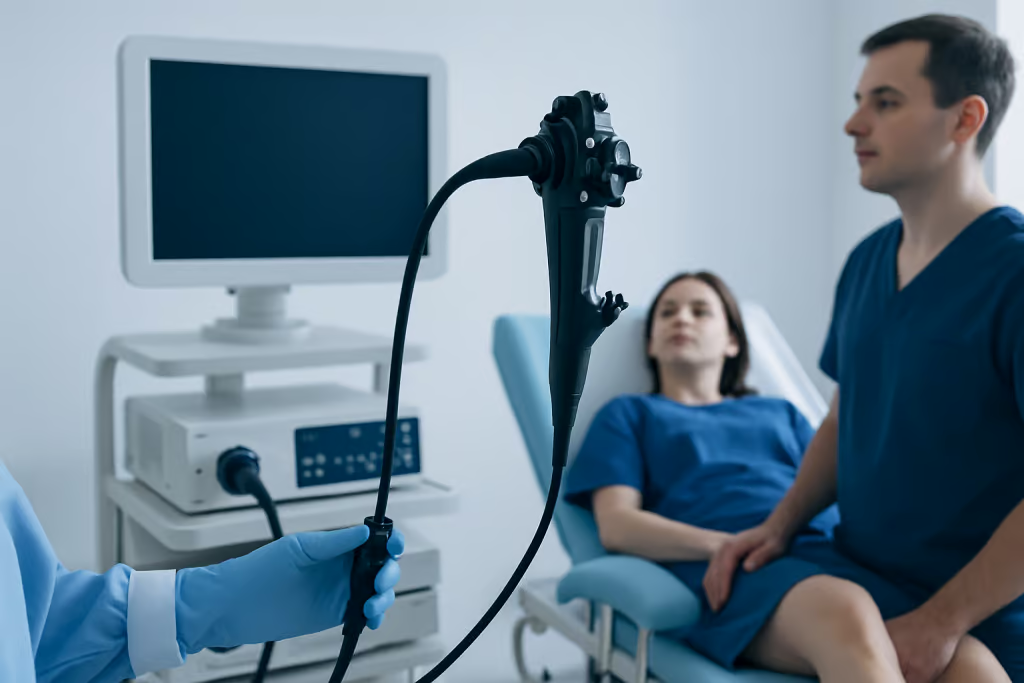
A doctor may recommend cystoscopy when symptoms or test results suggest a problem in the lower urinary tract. Unlike urine tests, ultrasound, CT, or MRI, cystoscopy gives a direct view of the bladder lining and the passage through which urine leaves the body. This can be especially helpful when symptoms continue despite treatment or when a clear explanation has not been found.
Common reasons for cystoscopy include visible or microscopic blood in the urine, recurrent urinary tract infections, painful urination, frequent or urgent urination, bladder pain, urinary leakage, difficulty passing urine, or suspected blockage. It may also be used to investigate abnormal imaging findings, assess an enlarged prostate’s effect on the urethra, check a urethral stricture, or monitor people who have previously been treated for bladder cancer.
In some cases, cystoscopy is not only diagnostic. Small instruments can be passed through the cystoscope to collect a tissue sample, remove a bladder stone, place or remove a ureteral stent, inject medication, or treat selected abnormalities. If treatment is planned, the doctor explains the goal, anesthesia options, benefits, and possible risks beforehand.
Symptoms and Conditions It Can Help Evaluate

Cystoscopy is often used when urinary symptoms point to the bladder, urethra, or prostate region. Symptoms such as frequent urination, a sudden strong need to urinate, burning, pelvic pressure, or waking often at night to pass urine can have many causes. Cystoscopy helps the urologist look for visible signs that support or rule out certain diagnoses.
Conditions that may be evaluated with cystoscopy include bladder stones, bladder tumors, bladder inflammation, interstitial cystitis or bladder pain syndrome, urethral narrowing, prostate-related obstruction in men, and changes after surgery or radiation therapy. It may also help assess recurrent infections by checking for stones, retained foreign material, abnormal pockets, or incomplete emptying that may contribute to repeated symptoms.
Blood in the urine is one of the most important reasons for a urology assessment. While many causes are not cancer, blood may come from the kidneys, ureters, bladder, prostate, or urethra. Cystoscopy is commonly part of the evaluation because it can identify bladder or urethral sources of bleeding that may be missed by urine tests alone.
How Patients Prepare
Preparation depends on whether the cystoscopy will be done with local anesthetic, sedation, or general anesthesia. For a simple flexible cystoscopy with local anesthetic, patients are often able to eat and drink normally, but they should follow the instructions given by their care team. If sedation or general anesthesia is planned, fasting for a certain period may be required, and a responsible adult may need to accompany the patient home.
Before the procedure, the doctor should be told about all medications, allergies, bleeding disorders, pregnancy or possible pregnancy, implanted devices, and past reactions to anesthesia. Patients taking blood thinners, diabetes medicines, or immune-suppressing medicines should ask whether any changes are needed. Medication should not be stopped unless a qualified clinician advises it.
A urine test may be done before cystoscopy to check for infection. If there is an active urinary infection, the procedure may be postponed or antibiotics may be given, depending on the situation. Patients are usually asked to empty the bladder shortly before the examination, and they may be asked to change into a gown for comfort and hygiene.
What Happens During the Procedure
During cystoscopy, the patient lies on an examination table, usually on the back. The genital area is cleaned with an antiseptic solution, and sterile drapes are placed. For local anesthesia, a numbing gel is placed into the urethra and given time to work. The doctor then gently inserts the cystoscope through the urethra into the bladder.
Sterile fluid is used to fill the bladder so the lining can be seen clearly. This may create a feeling of pressure or the need to urinate, which is expected. The urologist examines the urethra, the bladder neck, the bladder lining, and the openings where urine enters from the ureters. The patient may be asked to describe any discomfort so the team can respond appropriately.
A diagnostic flexible cystoscopy often takes only several minutes once the examination begins, although the full appointment is longer because of preparation and recovery. If a biopsy or treatment is performed, it may take more time and may require sedation or anesthesia. Afterward, the fluid is drained or the patient is allowed to urinate, and the team explains what was seen and what follow-up is needed.
Results, Benefits, and Possible Risks
Some cystoscopy results can be discussed immediately because the doctor sees the bladder and urethra in real time. If a biopsy or urine sample for special testing is taken, final results may take longer. The doctor may recommend further imaging, urine tests, medication, monitoring, or a separate procedure depending on the findings.
The main benefit of cystoscopy is direct visualization. It can provide answers when symptoms are unclear and may help avoid delays in diagnosis. It can also guide precise treatment by showing the location and appearance of a problem. For patients under surveillance after bladder cancer treatment, cystoscopy is an important tool for checking the bladder lining over time.
Like any medical procedure, cystoscopy has possible risks, although serious problems are uncommon. Temporary burning with urination, frequent urination, mild pelvic discomfort, and small amounts of blood in the urine may occur. Less commonly, urinary tract infection, difficulty urinating, heavier bleeding, or injury to the urethra or bladder can occur. The care team balances these risks against the reason for the test and explains what symptoms should prompt medical attention.
Recovery, Self-Care, and When to See a Doctor
After a cystoscopy with local anesthetic, many patients can return to usual light activities the same day. Drinking water, unless a doctor has restricted fluids, may help dilute urine and reduce stinging. Warm baths or a warm compress may ease mild discomfort, and the doctor may recommend a suitable pain reliever if needed.
Patients should follow the specific instructions provided after the procedure, especially if a biopsy, stent placement, stone treatment, or anesthesia was involved. It is generally sensible to avoid strenuous activity for a short period if bleeding or discomfort is present. If antibiotics are prescribed, they should be taken exactly as directed.
Medical advice should be sought promptly if the patient develops fever, chills, worsening pain, inability to pass urine, heavy bleeding, blood clots, or symptoms that are not improving as expected. Patients should also contact their doctor if they have signs of a urinary tract infection, such as increasing burning, cloudy or foul-smelling urine, or lower abdominal pain.
For international patients who need evaluation or treatment of urinary symptoms, Acibadem International’s multidisciplinary urology teams and JCI-accredited hospitals provide diagnosis and care for conditions assessed with cystoscopy. Patients should discuss their individual risks, travel plans, and follow-up needs with a qualified urologist before arranging any procedure.
Frequently asked questions
Is cystoscopy painful?
Most patients describe cystoscopy as uncomfortable rather than painful, especially when a flexible scope and local anesthetic gel are used. A feeling of pressure or needing to urinate is common while the bladder is filled with fluid. If a longer procedure or treatment is planned, sedation or anesthesia may be used to improve comfort.
How long does a cystoscopy take?
The viewing part of a simple flexible cystoscopy often takes only a few minutes. The full visit may take longer because of check-in, preparation, explanation, and recovery. Procedures that include biopsy, stone treatment, or anesthesia usually take more time.
Can cystoscopy detect bladder cancer?
Cystoscopy is one of the main tests used to look for abnormal areas in the bladder lining, including changes that may suggest bladder cancer. If the doctor sees a suspicious area, a biopsy or a separate procedure may be needed to confirm the diagnosis. Urine tests and imaging may also be part of the evaluation.
Will there be blood in the urine after cystoscopy?
A small amount of blood or pink-colored urine can occur after cystoscopy and often settles quickly. Drinking fluids may help, unless the patient has been told to limit fluid intake. Heavy bleeding, clots, or bleeding that worsens should be reported to a doctor.
Can patients drive after cystoscopy?
Many patients can drive after a simple cystoscopy done with local anesthetic, provided they feel well and have not received sedating medication. If sedation or general anesthesia is used, the patient should not drive afterward and should arrange for someone to take them home. The care team will give instructions based on the type of anesthesia used.
Does cystoscopy require antibiotics?
Antibiotics are not always needed for every cystoscopy. The decision depends on factors such as infection risk, urine test results, the patient’s medical history, and whether additional treatment is performed. Patients should follow the urologist’s advice and avoid taking antibiotics without medical guidance.
References
- American Urological Association
- European Association of Urology
- National Institute of Diabetes and Digestive and Kidney Diseases
- Mayo Clinic
- Cleveland Clinic
This article is for general information only and is not a substitute for professional medical advice. Please consult a qualified doctor about your individual situation.
Cystoscopy in Turkey — costs, top hospitals & a free quote
JCI-accredited · board-certified surgeons · reply within 24h
Add us as a Preferred Source to see more of our trusted health content across Google Search, AI Overviews and Discover.

Urology
Treatment of the urinary system and male reproductive health, including robotic and laser procedures.
63 specialists in this unit