Da Vinci Robot — Explained by Medical Evidence, Not Myths
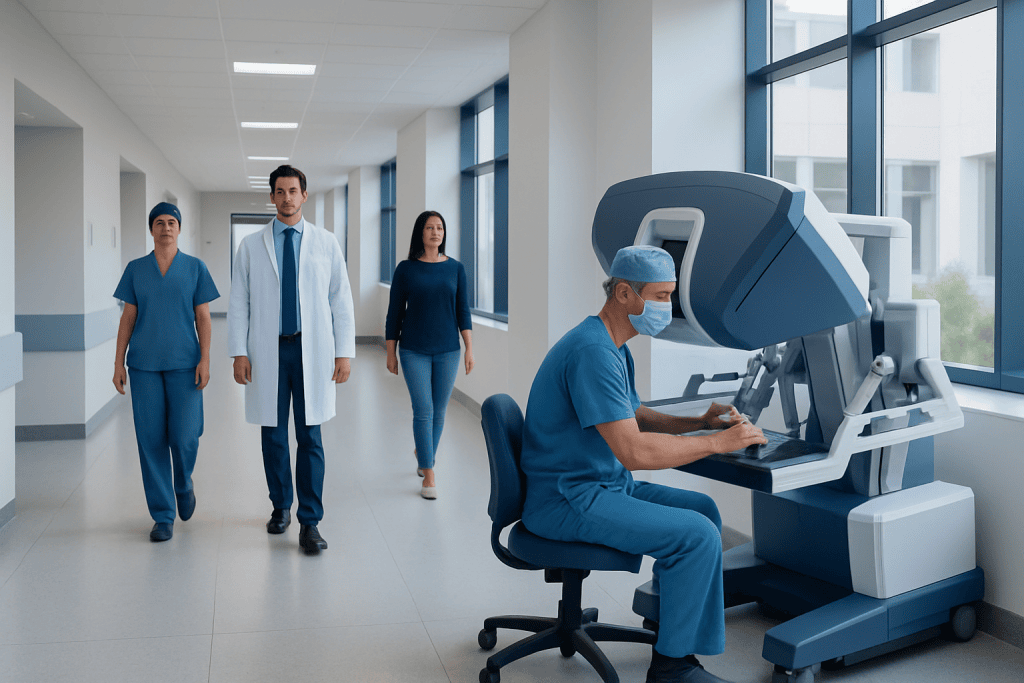
The da vinci robot is fully controlled by a trained surgeon and does not make decisions on its own. It is designed to support minimally invasive surgery with small incisions, magnified 3D vision, and refined instrument movement.
Key Takeaways
- The da vinci robot is fully controlled by a trained surgeon and does not make decisions on its own.
- It is designed to support minimally invasive surgery with small incisions, magnified 3D vision, and refined instrument movement.
- Robotic-assisted surgery may help reduce blood loss, pain, and recovery time in selected patients and procedures.
- Not every person or operation is a good fit for robotic surgery; the best approach depends on the condition, anatomy, and surgical goals.
- Outcomes depend more on the patient’s overall health, the type of surgery, and the experience of the care team than on the device alone.
Da Vinci robot is not an independent operating robot. It is a robotic-assisted surgical system that translates a surgeon’s hand movements into highly precise actions during minimally invasive procedures.
Overview: what the da vinci robot really is
The da vinci robot is a robotic-assisted surgical system used by specially trained surgeons to perform certain operations with high precision. Despite the name, it is not a robot that operates on its own. The surgeon remains in control at all times, using hand controls and foot pedals at a console while viewing the surgical area in a magnified, high-definition 3D image.
This distinction matters because many myths about robotic surgery come from misunderstanding the technology. The system does not diagnose disease, decide what to remove, or replace surgical judgment. Instead, it converts the surgeon’s movements into smaller, steadier instrument actions inside the body, which can be helpful in narrow or delicate areas.
The da Vinci system is one form of minimally invasive surgery. Rather than one large incision, surgeons typically work through several small openings using a camera and slim instruments. For many patients, this can mean less tissue disruption than traditional open surgery, though the exact benefit depends on the operation being performed and the person’s overall health.
How robotic-assisted surgery works
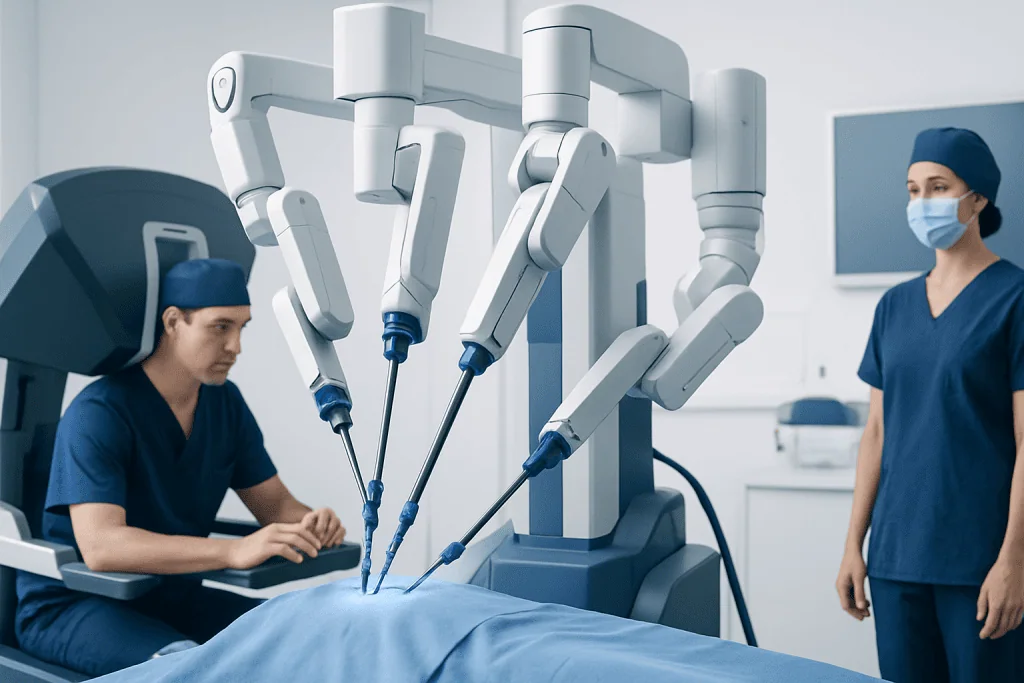
During a robotic-assisted procedure, the surgeon sits at a nearby console and controls robotic arms that hold the camera and instruments. A second clinician remains at the patient’s side to help with tasks such as changing instruments, suction, and support within the operating room. The system is therefore best understood as a tool used by a surgical team, not as an automated machine acting independently.
The instruments used with the da vinci robot can move with a greater range of motion than standard straight laparoscopic tools. This may make it easier to sew, dissect, or work around nerves and blood vessels in areas that are difficult to reach. The 3D camera also provides a stable, enlarged view that may help the surgeon see fine details more clearly.
Like other surgical techniques, robotic surgery requires general anesthesia for many procedures and careful preparation before the operation. The technology may be used in areas such as urology, gynecology, colorectal surgery, thoracic surgery, and some general surgical procedures. Whether it is appropriate depends on the disease, the complexity of the case, and the surgeon’s expertise.
Common uses and who may benefit

The da vinci robot is commonly used for operations where precision in a confined space is especially valuable. Examples can include prostate surgery, kidney surgery, hysterectomy, removal of some tumors, and selected procedures involving the bowel, chest, or pelvic organs. In some centers, it is also used for complex reconstructive operations and selected heart valve surgery cases.
Potential candidates are often people who need surgery that can be performed through a minimally invasive approach. Patients may benefit if smaller incisions are likely to reduce postoperative pain, shorten hospital stay, or support a faster return to daily activities. However, these potential advantages are not guaranteed and are not the same for every operation.
Some patients may not be ideal candidates. Prior abdominal surgeries, extensive scar tissue, certain body habitus considerations, advanced disease, bleeding risk, or serious heart and lung conditions can affect whether robotic surgery is advisable. In other cases, open surgery or conventional laparoscopy may be safer or more effective.
- Operations in the pelvis, where space is limited
- Procedures requiring delicate suturing or reconstruction
- Selected cancer surgeries when minimally invasive access is appropriate
- Conditions such as prostate cancer or kidney cancer that may sometimes be treated surgically
What medical evidence says about benefits and limits
Medical evidence does not support the myth that robotic surgery is always better simply because it uses advanced technology. Studies generally show that robotic-assisted surgery can offer benefits in some procedures, such as less blood loss, shorter hospital stay, smaller scars, and quicker recovery compared with open surgery. In certain operations, it may also help the surgeon perform complex movements more effectively than with standard laparoscopy.
At the same time, outcomes vary by procedure. For some operations, robotic surgery and conventional minimally invasive surgery may produce similar long-term results. In other words, the device itself does not guarantee a better result. The right comparison is not “robotic versus non-robotic” in the abstract, but rather which approach is most appropriate for a specific condition and patient.
There are also limits and risks. Robotic surgery still carries the general risks of surgery, including infection, bleeding, blood clots, anesthesia complications, and the possibility that the operation may need to be converted to an open procedure. Technical issues are uncommon but possible, and the learning curve for surgeons is important. This is why patients should ask about the experience of the surgical team, expected benefits, alternatives, and recovery.
Myths and facts patients often hear
A common myth is that the da vinci robot performs surgery by itself. In reality, every movement is directed by the surgeon. Another myth is that robotic surgery is completely risk-free or always painless. While small incisions can reduce discomfort in many cases, any operation can involve pain, complications, and a recovery period.
Another misconception is that robotic-assisted surgery is only for cancer or only for complex cases. In practice, it can be used for both noncancerous and cancer-related conditions when the surgical goals fit the technology. For example, robotic methods may be part of treatment planning for some prostate cancer treatment pathways or selected kidney cancer treatment approaches, but not every patient with these conditions will need or benefit from robotic surgery.
Patients also sometimes assume that smaller incisions automatically mean a safer operation. Smaller incisions can be an advantage, but safety depends on many factors, including the disease stage, anatomy, the need for tissue removal or reconstruction, and the skill and judgment of the surgical team. A balanced discussion with a qualified surgeon is the best way to separate marketing claims from evidence-based advice.
Before surgery, recovery, and questions to ask
If robotic-assisted surgery is being considered, the care team usually reviews the diagnosis, imaging, blood tests, prior operations, and general fitness for anesthesia. Patients may need to stop or adjust some medications before the procedure, especially blood thinners, but only under medical guidance. The team will also explain fasting instructions, likely hospital stay, and what to expect after surgery.
Recovery depends on the type of operation rather than the robot alone. Many people are able to walk soon after surgery and return home within a shorter time than after open procedures, but some surgeries still require a substantial recovery period. Mild pain, fatigue, temporary swelling, and activity restrictions are common early on. Follow-up visits are important to review wound healing, pathology results when relevant, and any need for additional treatment.
Helpful questions to ask include:
- Why is robotic-assisted surgery recommended in this case?
- What are the alternatives, including open surgery or conventional laparoscopy?
- What are the expected short-term and long-term outcomes?
- How often does this surgical team perform this procedure?
- What complications should be watched for after discharge?
For international patients seeking evaluation, Acibadem International’s multidisciplinary specialists and JCI-accredited hospitals diagnose and treat a wide range of conditions that may involve robotic-assisted surgery, with treatment plans tailored to the patient’s medical needs.
When to seek medical care
A person should seek medical care if a doctor has recommended surgery and there are questions about whether robotic-assisted surgery is appropriate. A surgical consultation can help clarify whether the da vinci robot offers a meaningful advantage for the specific condition, or whether another approach may be better. This is especially important for cancer, complex pelvic disease, recurrent hernias, or reconstructive procedures.
After any operation, urgent medical advice is needed for warning signs such as fever, increasing redness or drainage at the incision, worsening pain not relieved as expected, shortness of breath, chest pain, fainting, heavy bleeding, or inability to pass urine or stool when instructed to monitor these symptoms. These signs do not always mean a serious complication, but they deserve prompt evaluation.
People with new symptoms such as blood in the urine, unexplained weight loss, ongoing pelvic pain, bowel changes, or a newly detected mass should also arrange medical assessment. Early evaluation helps determine the cause and whether surgery, medical treatment, monitoring, or additional testing is the most suitable next step.
Frequently asked questions
Is the da vinci robot an autonomous robot?
No. The da vinci robot does not perform surgery on its own. A trained surgeon controls the system throughout the procedure, and the robot only translates the surgeon’s movements into precise instrument actions.
Is robotic-assisted surgery safer than open surgery?
It can be safer for selected patients and procedures, but not in every case. Safety depends on the type of operation, the patient’s overall health, and the experience of the surgical team. A surgeon can explain which approach is most suitable and why.
Does robotic surgery mean smaller scars and faster recovery?
Often, yes, because many robotic procedures use small incisions. This may reduce pain and shorten hospital stay compared with open surgery. However, recovery still depends mainly on the specific operation and the person’s health.
What kinds of surgery can be done with the da vinci robot?
It may be used in urology, gynecology, general surgery, colorectal surgery, thoracic surgery, and some reconstructive procedures. Common examples include prostate, kidney, hysterectomy, and selected bowel operations. Not every surgery can or should be done robotically.
Are there risks unique to robotic surgery?
Robotic surgery shares the usual risks of any operation, including bleeding, infection, anesthesia complications, and blood clots. There can also be procedure-specific risks and, rarely, technical issues with equipment. In some cases, the surgeon may need to switch to open surgery for safety.
How can a patient decide if robotic surgery is right for them?
The best approach is to discuss the diagnosis, goals of treatment, and available surgical options with a qualified surgeon. Patients should ask about the expected benefits, possible downsides, and the team’s experience with the recommended procedure. A personalized evaluation is more useful than general claims about technology.
This article is for general information only and is not a substitute for professional medical advice. Please consult a qualified doctor about your individual situation.
Explore treatments in Turkey — costs, top hospitals & a free quote
JCI-accredited · board-certified surgeons · reply within 24h
Add us as a Preferred Source to see more of our trusted health content across Google Search, AI Overviews and Discover.

More from the Health Library

Velopharyngeal Insufficiency: What Patients Need to Know

Bpm Heart Rate: A Complete Medical Overview

Gluten Free Options: An Evidence-Based Guide for Patients

Otc Meds for Acid Reflux: What Patients Need to Know

Vistaril for Anxiety: What Patients Need to Know