De Calcium: What Patients Need to Know

de calcium usually points to low or abnormal calcium levels that need medical assessment. Calcium affects bones, muscles, nerves, and the heart, so symptoms can range from mild tingling to serious muscle spasms or rhythm problems.
Key Takeaways
- de calcium usually points to low or abnormal calcium levels that need medical assessment.
- Calcium affects bones, muscles, nerves, and the heart, so symptoms can range from mild tingling to serious muscle spasms or rhythm problems.
- Common causes include vitamin D deficiency, parathyroid disorders, kidney disease, certain medicines, and poor dietary intake.
- Diagnosis is based on blood tests and, when needed, heart tracing and evaluation of related minerals and hormones.
- Treatment may include dietary changes, supplements, vitamin D, or treatment of the underlying condition.
- Urgent care is important for severe symptoms such as seizures, significant muscle cramps, trouble breathing, or fainting.
de calcium commonly refers to a problem with calcium balance in the body, most often low blood calcium, also called hypocalcemia. Calcium is essential for bone strength, muscle movement, nerve signaling, and heart rhythm, so symptoms and treatment depend on how low the level is and what is causing it.
Overview: what “de calcium” means
de calcium is a phrase many patients use when they are told they have a calcium problem, especially low calcium in the blood. In medical terms, low blood calcium is called hypocalcemia. This does not always mean a person is getting too little calcium from food alone. It can also happen when the body cannot absorb calcium well, cannot regulate it properly, or loses balance because of another health condition.
Calcium is one of the body’s most important minerals. It helps keep bones and teeth strong, but it also supports muscle contraction, nerve communication, blood clotting, and normal heart rhythm. Because calcium has so many roles, abnormal levels can affect several parts of the body at the same time.
Some people with mild low calcium have no symptoms and learn about it on routine blood tests. Others may notice tingling, muscle cramps, unusual fatigue, or mood changes. More significant drops can cause muscle spasms, seizures, or heart rhythm changes. The next steps depend on the person’s symptoms, blood test results, and underlying cause.
How calcium works in the body
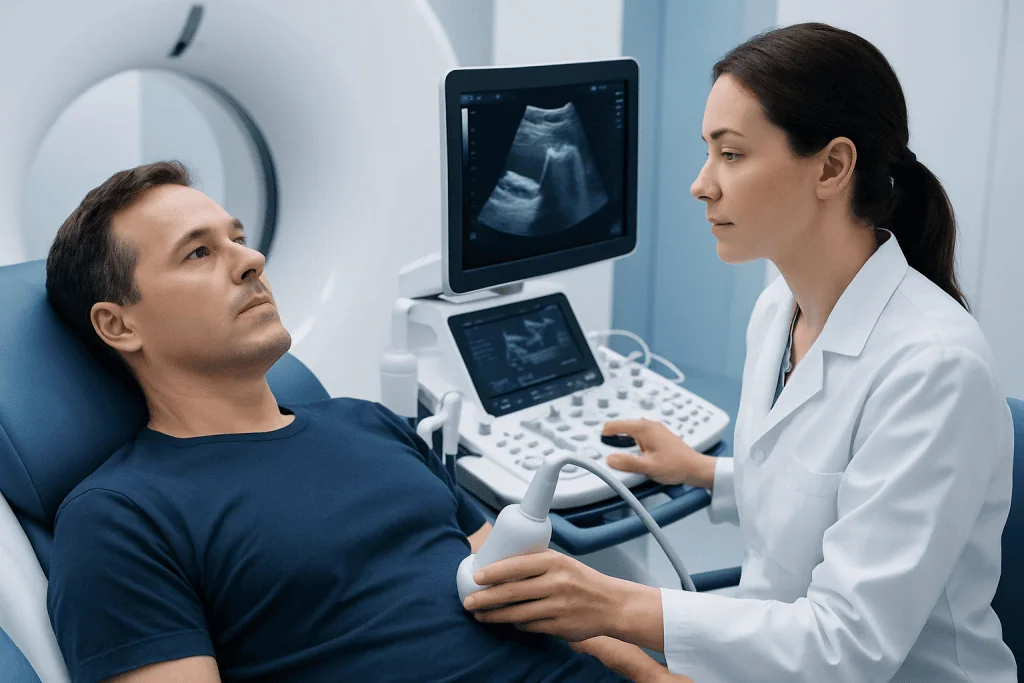
Most of the body’s calcium is stored in bones and teeth. A much smaller amount circulates in the blood, where it is tightly regulated. Even though this blood level is small, it is critical for everyday functions. The body works continuously to keep it within a normal range.
Several systems help control calcium balance. Vitamin D helps the intestines absorb calcium from food. The parathyroid glands, located in the neck, release parathyroid hormone to help adjust calcium levels when they fall. The kidneys also help by handling calcium and activating vitamin D. When any part of this system is affected, calcium levels may become too low or, less often, too high.
For this reason, a calcium result is often interpreted together with other tests such as albumin, magnesium, phosphate, kidney function, vitamin D, and parathyroid hormone. Looking at the full picture helps doctors identify whether the issue is nutritional, hormonal, kidney-related, medication-related, or linked to another illness.
Symptoms of low or abnormal calcium

Symptoms depend on how low the calcium level is and how quickly it falls. Mild reductions may cause few or no symptoms. When symptoms appear, they often involve the nerves and muscles first. A person may notice tingling around the mouth or in the fingers and toes, muscle cramps, twitching, or unusual sensitivity in the hands and feet.
As calcium drops further, symptoms can become more pronounced. Muscle stiffness or spasms may develop, especially in the hands, feet, or face. Some people feel tired, weak, irritable, or mentally foggy. Others may notice dry skin, brittle nails, or changes in hair over time if the problem is chronic.
Severe hypocalcemia can affect the heart and brain. It may cause fainting, seizures, difficulty breathing from muscle spasm, or an abnormal heart rhythm. Although these complications are less common, they are important warning signs and should be treated urgently.
- Tingling around the mouth, fingers, or toes
- Muscle cramps, twitching, or spasms
- Weakness or fatigue
- Irritability, anxiety, or confusion
- Dry skin, brittle nails, or hair changes
- Seizures, fainting, or palpitations in severe cases
Causes and risk factors
Low calcium has many possible causes. One of the most common is vitamin D deficiency, which reduces calcium absorption from the intestine. Inadequate dietary intake can contribute, but on its own it is not always the only reason. The body’s ability to absorb and regulate calcium often matters just as much as how much calcium is consumed.
Disorders of the parathyroid glands are another important cause. These glands regulate calcium very closely, so reduced parathyroid hormone can lead to significant hypocalcemia. This may happen after neck surgery, from autoimmune conditions, or from other gland disorders. Kidney disease can also disturb calcium, phosphate, and vitamin D balance and is a well-recognized cause of chronic calcium problems. Patients with kidney failure may need more detailed evaluation and long-term monitoring.
Other causes include low magnesium, pancreatitis, certain medicines, intestinal diseases that reduce absorption, and major illness. Some cancer treatments and bone-related medicines can affect calcium levels as well. In children, pregnancy, or older age, the causes and management can differ slightly, so age and overall health are always considered.
- Vitamin D deficiency
- Parathyroid gland disorders
- Chronic kidney disease
- Low magnesium or high phosphate
- Poor intestinal absorption
- Certain medicines, including some diuretics or antiresorptive therapies
How doctors diagnose de calcium
Diagnosis starts with a careful history and physical examination. The doctor asks about symptoms, diet, supplements, medicines, past surgery, kidney problems, bowel disease, and family history. This helps narrow down whether the calcium problem is likely to be temporary, chronic, or related to another condition.
Blood tests are the main tool for diagnosis. Doctors may check total calcium, ionized calcium, albumin, magnesium, phosphate, kidney function, vitamin D, and parathyroid hormone. If symptoms suggest an urgent effect on the heart, an electrocardiogram may be done to look for rhythm changes. In some cases, urine tests or imaging studies may be useful to find the underlying cause.
Importantly, a single low test result does not always tell the whole story. For example, low albumin can make total calcium appear low even when the active calcium level is normal. That is why doctors often repeat tests or measure ionized calcium before deciding on treatment.
Treatment options and restoring calcium balance
Treatment depends on the severity of symptoms and the cause. Mild cases may be managed with diet changes, oral calcium, vitamin D, or correction of contributing problems such as low magnesium. When low calcium is due to poor absorption or hormonal imbalance, treating the underlying problem is essential for long-term control.
More significant hypocalcemia may require hospital-based care, especially if there are severe muscle spasms, seizures, or heart rhythm changes. In that setting, calcium may be given intravenously and the patient monitored closely. If low calcium is related to a parathyroid problem, specialist assessment may be needed, including evaluation for parathyroid surgery in selected cases.
When kidney disease, digestive disorders, or bone metabolism disorders are involved, treatment may be coordinated across specialties. Some patients may need assessment by nephrology care or support from endocrinology specialists to identify hormonal and metabolic causes. If symptoms or test results suggest a broader bone or gland problem, doctors may also investigate related conditions such as osteoporosis or vitamin D deficiency.
Self-treatment with high-dose supplements is not always safe. Too much calcium can cause constipation, kidney stones, or high calcium levels, especially if taken without supervision. For that reason, treatment should be personalized and guided by test results.
Prevention and self-care
Not every case of low calcium can be prevented, but healthy habits support normal calcium balance. A balanced diet that includes calcium-rich foods is a good starting point. Depending on personal preferences and medical needs, these may include dairy products, fortified plant-based drinks, leafy greens, tofu made with calcium, nuts, seeds, and some fish.
Vitamin D is also important because it helps the body absorb calcium. Safe sunlight exposure, diet, and supplements when recommended by a doctor can help maintain adequate levels. People with intestinal disorders, kidney disease, thyroid or parathyroid problems, or long-term use of certain medicines may need more regular monitoring than others.
Patients should avoid starting supplements only because they feel tired or have cramps, since these symptoms can have many causes. The safest approach is to have symptoms assessed, follow test-based advice, and review any prescription or over-the-counter medicines with a clinician. Near the end of evaluation or treatment planning, some international patients may seek multidisciplinary care; Acibadem International’s specialists in JCI-accredited hospitals diagnose and treat calcium-related disorders in coordination with relevant departments.
When to seek medical care
Medical care is appropriate if a person has symptoms that may suggest low calcium, especially if they are new, persistent, or worsening. Examples include tingling around the mouth, repeated muscle cramps, unusual twitching, weakness, or unexplained fatigue. A doctor can determine whether these symptoms are related to calcium or another condition.
Urgent medical attention is needed for severe muscle spasms, seizures, chest discomfort, palpitations, fainting, confusion, or difficulty breathing. These symptoms do not always mean calcium is the cause, but they should never be ignored. People with kidney disease, recent neck surgery, digestive disorders, or known hormone disorders should be especially alert to changes and seek timely advice.
Follow-up matters too. Even when symptoms improve, repeat testing may be needed to confirm that calcium levels are stable and that the underlying cause has been addressed. Ongoing care helps reduce the chance of recurrence and supports bone, nerve, and heart health over time.
Frequently asked questions
What does de calcium mean?
de calcium usually refers to a calcium problem, most often low calcium in the blood, known as hypocalcemia. Patients may use the phrase after seeing a lab result or hearing a doctor mention calcium deficiency or imbalance.
Is de calcium the same as not eating enough calcium?
Not always. Low calcium can result from poor intake, but it is also commonly linked to vitamin D deficiency, parathyroid disorders, kidney disease, low magnesium, or problems with absorption. A medical evaluation helps identify the real cause.
What are the first signs of low calcium?
Early symptoms often include tingling around the mouth or in the fingers and toes, muscle cramps, twitching, and fatigue. Some people have no symptoms and only find out through a blood test.
Can low calcium be dangerous?
Yes, if it becomes significant or develops quickly. Severe low calcium can affect the muscles, brain, and heart and may cause spasms, seizures, fainting, or rhythm changes. These symptoms need urgent medical attention.
How is low calcium diagnosed?
Doctors diagnose it mainly with blood tests. These often include calcium, albumin, ionized calcium, magnesium, phosphate, vitamin D, kidney function, and parathyroid hormone, and sometimes an ECG if heart symptoms are present.
Can de calcium be treated at home?
Mild cases may improve with doctor-guided diet changes or supplements, but self-treating is not always safe. Because the cause can vary widely, treatment should be based on proper testing and medical advice.
References
- National Institutes of Health
- MedlinePlus
- Mayo Clinic
- Merck Manual Consumer Version
- National Institute of Diabetes and Digestive and Kidney Diseases
This article is for general information only and is not a substitute for professional medical advice. Please consult a qualified doctor about your individual situation.
Explore treatments in Turkey — costs, top hospitals & a free quote
JCI-accredited · board-certified surgeons · reply within 24h
Add us as a Preferred Source to see more of our trusted health content across Google Search, AI Overviews and Discover.