Deep Brain Stimulation for Dystonia: Who Is a Good Candidate?
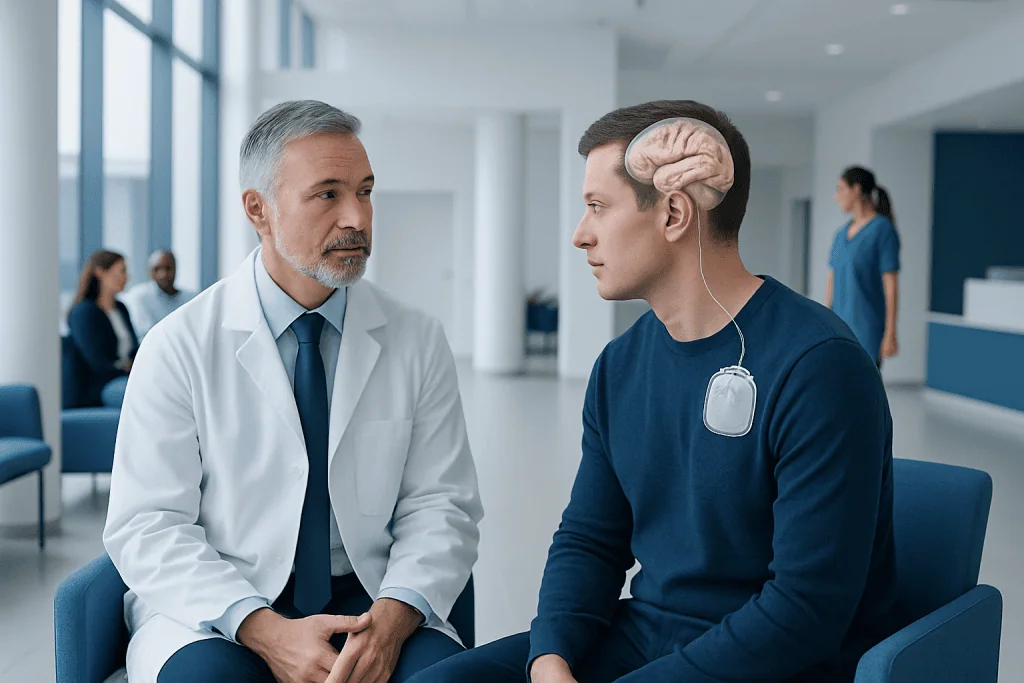
Deep brain stimulation for dystonia is usually considered when symptoms remain disabling despite medicines, botulinum toxin injections, or therapy. The best candidates are selected after a detailed review of dystonia type, symptom pattern, general health, and realistic treatment goals.
Key Takeaways
- Deep brain stimulation for dystonia is usually considered when symptoms remain disabling despite medicines, botulinum toxin injections, or therapy.
- The best candidates are selected after a detailed review of dystonia type, symptom pattern, general health, and realistic treatment goals.
- DBS does not cure dystonia, but it can reduce abnormal movements, painful postures, and functional limitations in appropriate patients.
- Benefits may develop gradually over weeks to months, especially in dystonia, and follow-up programming is an important part of care.
- A multidisciplinary team including neurology, neurosurgery, imaging, and rehabilitation specialists is central to safe decision-making.
- Not every person with dystonia is a good candidate, especially if symptoms are due to a condition unlikely to respond or if surgical risks are too high.
Deep brain stimulation for dystonia is a treatment option for some people with significant, persistent symptoms that have not improved enough with standard therapies. Careful evaluation by a movement disorders team helps determine who is most likely to benefit and what results to expect.
Overview: What deep brain stimulation for dystonia is
Deep brain stimulation for dystonia is a neuromodulation treatment that uses thin electrodes placed in specific areas of the brain to help regulate abnormal signaling involved in movement control. The electrodes are connected to a small pulse generator, usually implanted under the skin near the chest. The system sends controlled electrical impulses that can reduce involuntary muscle contractions, twisting movements, and abnormal postures.
Dystonia itself is a movement disorder in which muscles contract inappropriately, sometimes causing repetitive movements, painful spasms, or sustained postures. It may affect one body part, such as the neck or hand, or involve multiple regions. For many people, symptoms can be managed with medications, botulinum toxin injections, physical therapy, or occupational therapy. When these measures do not provide enough relief, deep brain stimulation may be considered.
Unlike destructive brain procedures, DBS is adjustable and reversible. Doctors can program the device after surgery to tailor stimulation to the person’s symptoms and side effects. This flexibility is one reason DBS has become an important option in selected patients with dystonia.
Who may be a good candidate
A good candidate for deep brain stimulation for dystonia is usually someone with symptoms that significantly interfere with daily life despite appropriate non-surgical treatment. This may include trouble walking, writing, working, sleeping, speaking, or performing self-care because of uncontrolled muscle contractions or abnormal postures. Pain related to dystonia may also be an important reason to consider surgery.
Doctors look closely at the type of dystonia. In general, people with isolated or primary dystonia, including some inherited forms, may respond better than those whose dystonia is caused by widespread brain injury, advanced neurodegenerative disease, or certain structural abnormalities. However, every case is individual, and secondary dystonia does not automatically rule out DBS. The expected benefit simply needs to be discussed carefully.
Candidacy also depends on whether standard treatments have been tried appropriately. These may include oral medicines, targeted botulinum toxin injections for focal symptoms, and rehabilitative care. If symptoms remain severe or treatment side effects are difficult to tolerate, surgery may become a reasonable next step. In many centers, patients are first assessed by specialists in movement disorders treatment to confirm that dystonia is the correct diagnosis and that other options have been explored.
Age alone is not usually the deciding factor. Children, adolescents, and adults can all be considered in the right circumstances. Instead, the team focuses on overall health, brain imaging findings, ability to participate in follow-up care, and whether the person and family understand that improvement may be gradual rather than immediate.
Factors doctors consider before recommending DBS
Several clinical features help predict whether DBS is likely to help. Doctors assess how long symptoms have been present, which muscles are involved, whether fixed contractures have developed, and how much of the problem is due to active muscle overactivity versus long-standing changes in joints and soft tissues. If a limb or neck has become fixed in position over time, stimulation may relieve some symptoms but may not fully correct the posture.
The team also considers whether the diagnosis is certain. Some conditions can resemble dystonia, including spasticity, tics, functional movement disorders, and drug-induced movement problems. Because treatment response can differ greatly, diagnostic accuracy matters. The pattern of symptoms, examination findings, medication history, and sometimes genetic testing all help refine the diagnosis.
Mental and emotional health are part of the evaluation as well. Depression, anxiety, cognitive difficulties, or unrealistic expectations do not automatically prevent surgery, but they should be addressed beforehand. Successful DBS requires regular follow-up visits, device programming, and communication with the care team. A person who has good support and understands the process is often better prepared for recovery and adjustment after implantation.
Finally, doctors review surgical risk. Bleeding, infection, hardware problems, and anesthesia-related issues are uncommon but important considerations. Medical conditions such as uncontrolled high blood pressure, severe heart or lung disease, or active infection may need treatment first. Brain imaging is often used to look for findings that could affect safety or expected benefit, sometimes as part of a broader brain MRI evaluation.
How the evaluation and diagnosis process works
Assessment for deep brain stimulation for dystonia is usually done by a multidisciplinary team that may include a movement disorders neurologist, neurosurgeon, neuropsychology specialist, neuroradiology team, rehabilitation professionals, and sometimes genetics specialists. The first step is confirming the diagnosis and understanding the exact pattern of dystonia. Video examination, symptom scoring, and review of prior treatments are often part of this process.
Imaging tests may be used to look at brain structure and support surgical planning. Blood tests or other medical evaluations may also be needed to check general fitness for surgery. In some cases, additional testing helps identify inherited or acquired causes of dystonia, which can influence how likely DBS is to help and which brain target may be chosen.
Doctors then discuss goals in practical terms. For one person, the priority may be reducing painful neck pulling; for another, it may be improving hand function, walking, or independence in self-care. These conversations are important because DBS is intended to improve quality of life and function, not to make symptoms disappear in every case.
When needed, the team may compare DBS with other options before moving ahead. This can include continued injections, rehabilitation, medication adjustments, or treatment of related problems. In some situations, people are also evaluated through a broader neurology consultation to make sure all aspects of the condition have been reviewed carefully.
What treatment involves and what results to expect
DBS treatment usually involves surgery to place electrodes in deep brain structures that help control movement, commonly the globus pallidus internus in dystonia. The leads are connected to an implanted pulse generator, and the device is programmed after surgery. Some people have the procedure in stages, depending on the center’s approach and the person’s medical needs.
One of the most important things for patients and families to know is that improvement in dystonia is often slower than in conditions such as tremor. Benefits may appear gradually over several weeks or months as stimulation settings are adjusted and the nervous system adapts. Follow-up programming visits are essential, and medications or therapy may still be needed.
Possible benefits include less twisting or sustained posturing, reduced pain, better mobility, improved hand use, and easier daily functioning. The amount of improvement varies from person to person. People with shorter disease duration, less fixed skeletal change, and certain isolated dystonia types may see better results, but no one can be promised a specific outcome.
DBS also has limitations. It does not cure the underlying disorder, and some symptoms may improve more than others. Side effects from stimulation, such as speech changes, imbalance, or muscle pulling in other areas, can sometimes occur but may improve with device adjustment. If surgery is appropriate, it is generally delivered within a specialized deep brain stimulation program with long-term follow-up.
Risks, recovery, and long-term care
As with any brain surgery, DBS carries risks that should be discussed clearly and calmly. These include bleeding in the brain, infection, seizure, temporary confusion, pain at the implant site, and problems with the hardware such as lead movement or battery issues. Although serious complications are uncommon, understanding them helps patients make an informed choice.
Recovery after implantation is different for each person. There may be some soreness or swelling around the scalp, chest, or neck where the device components are placed. Normal activities are often resumed gradually, based on the surgeon’s guidance. The first programming sessions usually begin after initial healing, and several visits may be needed to find the most helpful settings.
Long-term care is a routine part of DBS treatment. The battery will eventually need replacement or recharging depending on the device type. Periodic review helps doctors adjust stimulation if symptoms change over time. Rehabilitation can continue to play an important role, especially when the goal is to retrain movement patterns and improve strength, balance, and daily function.
People considering surgery should also think about practical matters such as travel for follow-up, access to device programming, and communication with the care team. Near the end of the treatment journey, many international patients choose centers with coordinated neurology and neurosurgery services. Acibadem International’s multidisciplinary specialists and JCI-accredited hospitals diagnose and treat dystonia and provide DBS care for international patients when appropriate.
When to discuss DBS with a doctor
It may be time to ask about deep brain stimulation for dystonia when symptoms remain disabling despite recommended treatment, when pain or posturing is worsening, or when side effects from medication are becoming hard to manage. Early discussion can be helpful because long-standing abnormal postures may lead to fixed contractures that are harder to reverse.
A specialist review is also important if the diagnosis is uncertain or if symptoms are spreading to new body regions. Movement disorders can overlap, and treatment decisions are strongest when the exact cause is clear. People with inherited forms of dystonia or younger-onset symptoms may especially benefit from expert assessment.
Urgent medical attention is needed for sudden new neurological symptoms such as weakness, severe confusion, loss of consciousness, or symptoms suggesting stroke or infection. These problems are not typical features of dystonia itself and should be evaluated promptly.
For most people, the next step is simply a thoughtful conversation with a qualified neurologist or movement disorders specialist. Together, the patient, family, and care team can weigh benefits, risks, and alternatives and decide whether DBS is a good fit for the person’s goals and overall health.
Frequently asked questions
Is deep brain stimulation a cure for dystonia?
No. Deep brain stimulation does not cure the underlying cause of dystonia, but it can reduce symptoms in selected patients. The main goals are often better function, less pain, and improved quality of life.
How do doctors decide if someone is a good candidate for DBS?
Doctors review the type of dystonia, symptom severity, previous treatments, general health, brain imaging, and ability to attend follow-up programming visits. A movement disorders team also considers whether expectations are realistic and whether the likely benefits outweigh the risks.
Does DBS work for every type of dystonia?
No, response varies by dystonia type and underlying cause. People with isolated or primary dystonia often respond better than those with some secondary or degenerative causes, although individual results can differ.
How long does it take to notice improvement after DBS for dystonia?
Improvement is often gradual. Some people notice early changes, but meaningful benefit may take weeks to months as the device is programmed and adjusted over time.
Will a person still need medication after DBS?
Sometimes yes. DBS may reduce the need for certain medicines, but many people still use medication, botulinum toxin injections, therapy, or rehabilitation as part of ongoing care.
What are the main risks of deep brain stimulation surgery?
The main risks include bleeding, infection, hardware problems, and temporary or stimulation-related side effects. The treating team explains these risks in the context of the person's overall health and the expected benefit.
References
- National Institute of Neurological Disorders and Stroke
- National Institute for Health and Care Excellence
- International Parkinson and Movement Disorder Society
- American Association of Neurological Surgeons
This article is for general information only and is not a substitute for professional medical advice. Please consult a qualified doctor about your individual situation.
Explore treatments in Turkey — costs, top hospitals & a free quote
JCI-accredited · board-certified surgeons · reply within 24h
Add us as a Preferred Source to see more of our trusted health content across Google Search, AI Overviews and Discover.
Check your numbers in seconds
BMI, calories, due date, blood pressure and 30+ more clinical calculators — free, instant, doctor-reviewed ranges.

Neurology
Diagnosis and treatment of disorders of the brain, spinal cord, nerves and muscles.
51 specialists in this unit