Deep Brain Stimulation for Movement Disorders: Candidates and What to Expect

Deep brain stimulation, or DBS, uses an implanted device to deliver controlled electrical signals to specific brain circuits involved in movement. DBS may be considered for selected people with Parkinson's disease, essential tremor, dystonia and a few other movement disorders when standard treatments are no longer enough.
Key Takeaways
- Deep brain stimulation, or DBS, uses an implanted device to deliver controlled electrical signals to specific brain circuits involved in movement.
- DBS may be considered for selected people with Parkinson's disease, essential tremor, dystonia and a few other movement disorders when standard treatments are no longer enough.
- Being a candidate depends on the diagnosis, symptom pattern, medication response, brain imaging, general health and cognitive and emotional wellbeing.
- DBS is adjustable and reversible in many practical ways, but it is still brain surgery and has possible risks that should be discussed carefully.
- The benefit of DBS often depends as much on follow-up programming and rehabilitation as on the operation itself.
Deep brain stimulation is a specialized neurosurgical treatment that may help selected people with movement disorders when symptoms remain difficult despite medication. Careful evaluation, realistic goals, expert surgery and ongoing device programming are all essential parts of treatment.
Overview
Deep brain stimulation, often called DBS, is a treatment used for certain neurological conditions that affect movement. It involves placing very thin electrodes in specific areas of the brain and connecting them to a small implanted pulse generator, similar in concept to a pacemaker. The device sends carefully controlled electrical signals that help regulate abnormal brain activity linked to symptoms such as tremor, stiffness, slowness or involuntary muscle contractions.
DBS does not remove the underlying disease and it is not suitable for every person with a movement disorder. Its goal is to improve selected symptoms, reduce fluctuations during the day, and in some cases help people use medicines more comfortably. The treatment is most often discussed when medications are no longer giving steady benefit, are causing troublesome side effects, or cannot adequately control disabling symptoms.
Because DBS is both a neurosurgical procedure and a long-term neurological therapy, it is planned by a multidisciplinary team. Neurologists, neurosurgeons, neuroradiologists, psychiatrists or psychologists, rehabilitation specialists and specialized nurses may all contribute to assessment and follow-up. This team approach helps match the treatment to the person, the diagnosis and the goals of daily life.
Movement Disorders DBS Can Help
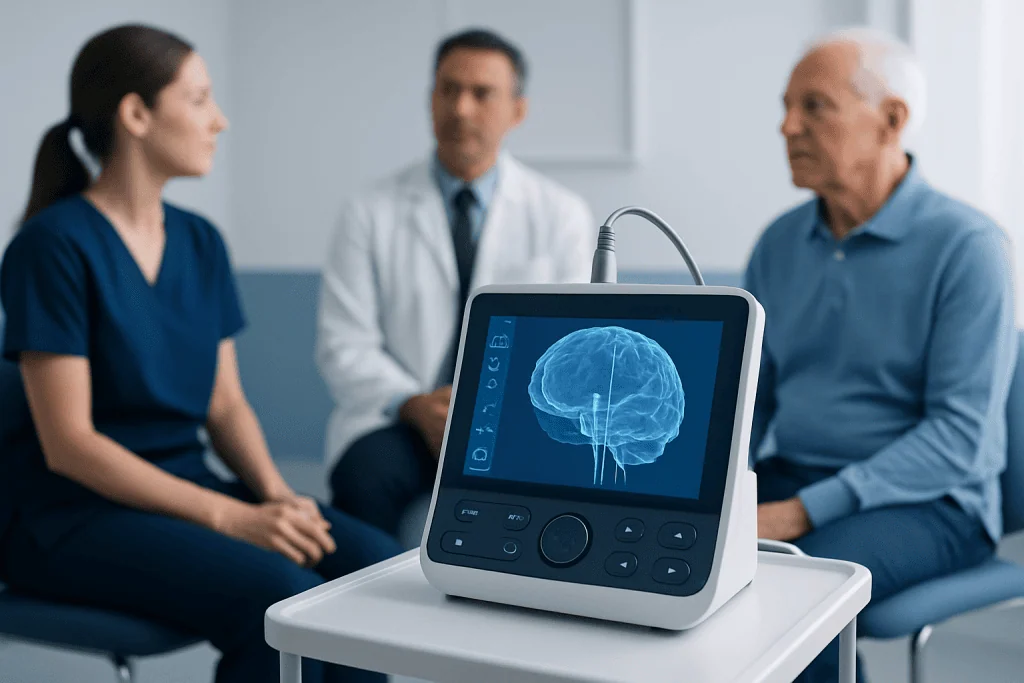
DBS is best established for several movement disorders, especially Parkinson’s disease, essential tremor and dystonia. In Parkinson’s disease, DBS may improve tremor, rigidity, slowness and medication-related motor fluctuations in carefully selected people. It does not usually help symptoms that do not respond to levodopa, such as advanced balance problems, freezing that is unrelated to medication timing, dementia or some speech and swallowing difficulties.
For essential tremor, DBS is often considered when tremor significantly interferes with activities such as writing, eating, drinking or working, and medicines have not provided enough relief or have caused side effects. The target area is commonly a circuit in the thalamus involved in tremor control. Many people experience meaningful tremor reduction, although the degree of improvement varies and may change over time.
In dystonia, DBS may help reduce sustained muscle contractions, abnormal postures and painful spasms, especially in certain inherited or primary forms of dystonia. Improvement can be gradual and may take months, because the brain and muscles need time to adapt. DBS may also be considered in selected cases of other movement disorders, but the evidence, expected benefits and targets differ, so specialist evaluation is essential.
Who May Be a Candidate
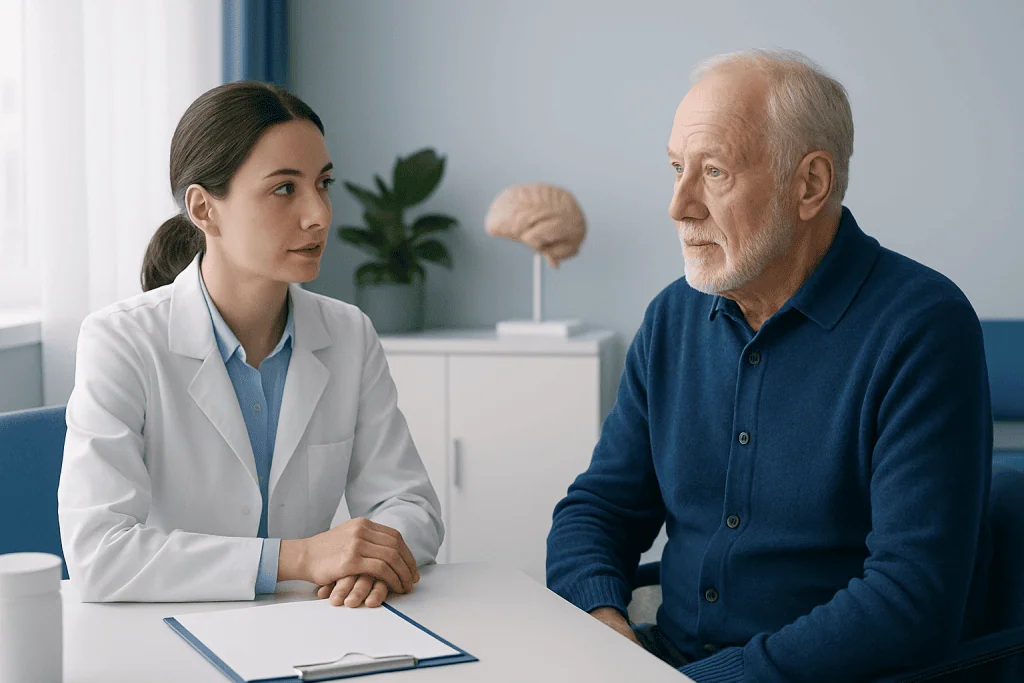
A good DBS candidate is not defined by diagnosis alone. The team looks at how symptoms behave, how the person responds to medication, overall health, brain imaging results, thinking and memory, emotional wellbeing and personal goals. The best candidates usually have symptoms that are clearly related to the movement disorder and are likely to improve when the correct brain circuit is stimulated.
For Parkinson’s disease, candidates commonly have a clear diagnosis and a meaningful response to levodopa, but also have problems such as wearing-off periods, dyskinesias or tremor that remains difficult to control. DBS is generally not recommended when the main concerns are dementia, severe untreated depression, uncontrolled psychosis, major frailty or medical conditions that make surgery unsafe.
Factors often considered during candidacy include:
- The exact movement disorder diagnosis and how long symptoms have been present.
- The pattern of symptoms, such as tremor, stiffness, slowness, dystonia, dyskinesia or fluctuations.
- Previous response to medications and whether side effects limit treatment.
- MRI findings and whether the brain target can be reached safely.
- Cognitive function, mood, expectations and available support during recovery.
Age by itself is not the only deciding factor, but biological fitness matters. Some older adults can benefit from DBS if they are otherwise suitable, while some younger people may not be good candidates because of cognitive, psychiatric or medical concerns. A careful discussion helps balance likely benefit against surgical and long-term management risks.
Evaluation and Diagnosis Before DBS
The DBS evaluation is detailed because the procedure works best when the diagnosis and treatment goals are precise. A movement disorder neurologist usually reviews the medical history, performs a neurological examination and assesses symptom changes during medication cycles. In Parkinson’s disease, an on-off medication assessment may be used to compare movement when medication is working well versus when it has worn off.
Brain MRI is commonly performed to review anatomy, exclude unexpected problems and plan the safest path for electrode placement. Neuropsychological testing may evaluate memory, attention, problem-solving and mood. This does not mean a person is expected to be perfect; rather, the team wants to identify issues that could affect safety, recovery, programming or satisfaction with results.
The team also discusses what DBS can and cannot do. For example, DBS may reduce tremor or dyskinesia, but it may not improve all walking, speech, balance, pain, sleep or non-motor symptoms. Setting realistic expectations is a major part of preparation, because DBS is a treatment journey rather than a single event.
What Happens During DBS Surgery
DBS surgery is usually performed in stages, although the exact approach varies by center and by patient. The surgeon places one or more electrodes into carefully selected brain targets using imaging guidance and specialized planning systems. These targets may include areas such as the subthalamic nucleus, globus pallidus internus or ventral intermediate nucleus of the thalamus, depending on the condition and symptoms being treated.
Some DBS procedures are performed while the person is awake for part of the operation so the team can test symptom response and monitor side effects. Other procedures are performed under general anesthesia using advanced imaging guidance. Both approaches can be appropriate; the choice depends on the center’s protocol, the target, the person’s health and the clinical situation.
The electrodes are connected by thin extension wires under the skin to a pulse generator, usually placed beneath the skin of the chest or sometimes the abdomen. After surgery, imaging may be used to confirm electrode position. The device is not always turned on immediately; many teams allow time for healing before the first programming session.
As with any operation, preparation includes reviewing medicines, anesthesia risks, infection prevention and recovery instructions. Blood-thinning medications, implanted cardiac devices and other medical conditions may require special planning. The care team provides individualized instructions rather than relying on a single standard plan for everyone.
Programming, Recovery and Expected Results
DBS programming is the process of adjusting the stimulation settings to find the best balance between symptom control and side effects. This is usually done in outpatient visits after the surgical wounds have healed. The clinician may adjust electrical contact selection, voltage or current, pulse width and frequency, while also reviewing medications and daily symptoms.
Early programming often takes several visits because the brain response can change as swelling settles and the person resumes usual activities. Some people notice improvement quickly, especially with tremor, while others need gradual adjustments over weeks or months. In dystonia, improvement may be slower and more progressive.
Recovery includes wound care, activity precautions and monitoring for headache, fever, drainage, new neurological symptoms or other concerns. Many people return gradually to normal routines, but heavy lifting and strenuous activity may be restricted for a period after surgery. Rehabilitation, speech therapy, occupational therapy or physical therapy may be recommended depending on the person’s needs.
DBS can be adjusted over time as symptoms change. Batteries may be rechargeable or non-rechargeable, and replacement may be needed in the future depending on device type and settings. Long-term success depends on regular follow-up with clinicians who understand both the movement disorder and the implanted system.
Risks, Limitations and Self-care
DBS is generally considered a well-established treatment for appropriate candidates, but it is still brain surgery and should be approached thoughtfully. Possible surgical risks include bleeding in the brain, infection, seizure, stroke-like symptoms, hardware problems or complications related to anesthesia. These risks are uncommon but important to discuss in detail with the neurosurgical team.
Stimulation-related side effects can include tingling, muscle pulling, speech changes, balance issues, mood changes or visual symptoms, depending on the target and settings. Many stimulation side effects improve when the device is adjusted, but not every side effect can be eliminated while preserving symptom benefit. Medication adjustments may also be needed, particularly in Parkinson’s disease.
Self-care after DBS includes keeping follow-up appointments, protecting the implanted area while it heals, learning how to use the patient controller if one is provided, and informing healthcare professionals about the implant before scans or procedures. MRI, diathermy, some surgical equipment and certain security or electromagnetic environments require specific precautions. Patients should carry device information and follow manufacturer and medical team guidance.
Healthy daily habits still matter. Regular movement within safe limits, balanced nutrition, sleep routines, fall prevention, medication adherence and emotional support can all influence quality of life. DBS is best viewed as one part of a broader movement disorder care plan, not a replacement for ongoing neurological care.
When to See a Doctor
A person with a movement disorder should speak with a neurologist if symptoms are interfering with independence, work, eating, dressing, writing, walking or social activities despite treatment. It is also reasonable to ask about DBS if medicines help but cause major fluctuations, dyskinesias or side effects that are difficult to manage. Early discussion does not commit anyone to surgery; it simply helps clarify options.
Urgent medical attention is needed after DBS surgery if there is fever, worsening headache, confusion, weakness, speech difficulty, seizure, redness or drainage from the incision, chest swelling over the battery site, or sudden severe change in symptoms. People who already have DBS should also seek specialist advice if the device seems to stop working, symptoms return suddenly, or a medical procedure such as MRI is being planned.
For international patients considering evaluation, Acibadem International provides access to multidisciplinary specialists and JCI-accredited hospitals that diagnose and treat movement disorders, including assessment for DBS when appropriate. A qualified doctor can review records, confirm whether DBS is suitable, and explain the expected pathway in a way that matches the person’s diagnosis and goals.
Frequently asked questions
Is deep brain stimulation a cure for Parkinson's disease or other movement disorders?
No. Deep brain stimulation does not cure the underlying condition or stop disease progression. It can reduce selected symptoms and improve daily function for some people, but ongoing neurological care and medication management are still needed.
Who decides whether a person is suitable for DBS?
Candidacy is usually decided by a multidisciplinary team that may include a movement disorder neurologist, neurosurgeon, neuropsychologist, imaging specialist and rehabilitation professionals. They review the diagnosis, symptom pattern, medication response, MRI findings, general health, cognition, mood and expectations.
Will medications be stopped after DBS?
Some people, especially those with Parkinson's disease, may be able to reduce certain medications after DBS, but this is not guaranteed. Medication changes are made gradually and individually. Stopping or changing medicines without medical guidance can worsen symptoms.
Does DBS surgery hurt?
Pain is usually controlled with anesthesia and standard postoperative pain management. If surgery is performed partly awake, the brain itself does not feel pain, but the person may feel pressure or discomfort from the frame or positioning. The team explains the approach beforehand and monitors comfort throughout the procedure.
How long does it take to see results after DBS?
Some symptoms, such as tremor, may improve soon after programming begins. Other symptoms may require several programming visits over weeks or months to reach the best settings. In dystonia, improvement can be gradual and may continue to develop over a longer period.
Can a person have an MRI with a DBS implant?
MRI may be possible with many modern DBS systems, but only under strict conditions based on the exact device and medical need. The imaging center and DBS team must confirm compatibility and settings before the scan. Patients should always tell healthcare professionals that they have an implanted DBS system.
What happens if the DBS battery runs low?
The device is checked during follow-up visits, and many systems allow battery status monitoring. If a non-rechargeable battery is running low, a planned replacement procedure can be arranged. Rechargeable systems require regular charging according to the instructions provided by the care team.
References
- International Parkinson and Movement Disorder Society
- American Academy of Neurology
- National Institute of Neurological Disorders and Stroke
- European Academy of Neurology
- Mayo Clinic
This article is for general information only and is not a substitute for professional medical advice. Please consult a qualified doctor about your individual situation.
Movement Disorders in Turkey — costs, top hospitals & a free quote
JCI-accredited · board-certified surgeons · reply within 24h
Add us as a Preferred Source to see more of our trusted health content across Google Search, AI Overviews and Discover.

Neurology
Diagnosis and treatment of disorders of the brain, spinal cord, nerves and muscles.
51 specialists in this unitMore from the Health Library



Related Specialists
Assoc. Prof. Dr. Sibel Aka
Pediatrics
Dr. Başak Kumbasar
Radiology
Fzt. Necla Aleyna Yiğit
Physical Medicine & Rehabilitation
Prof. Dr. Canan Ayabakan
Pediatric Cardiology