

Deep Vein Thrombosis: Diagnosis, Outlook, and Modern Treatment Approaches
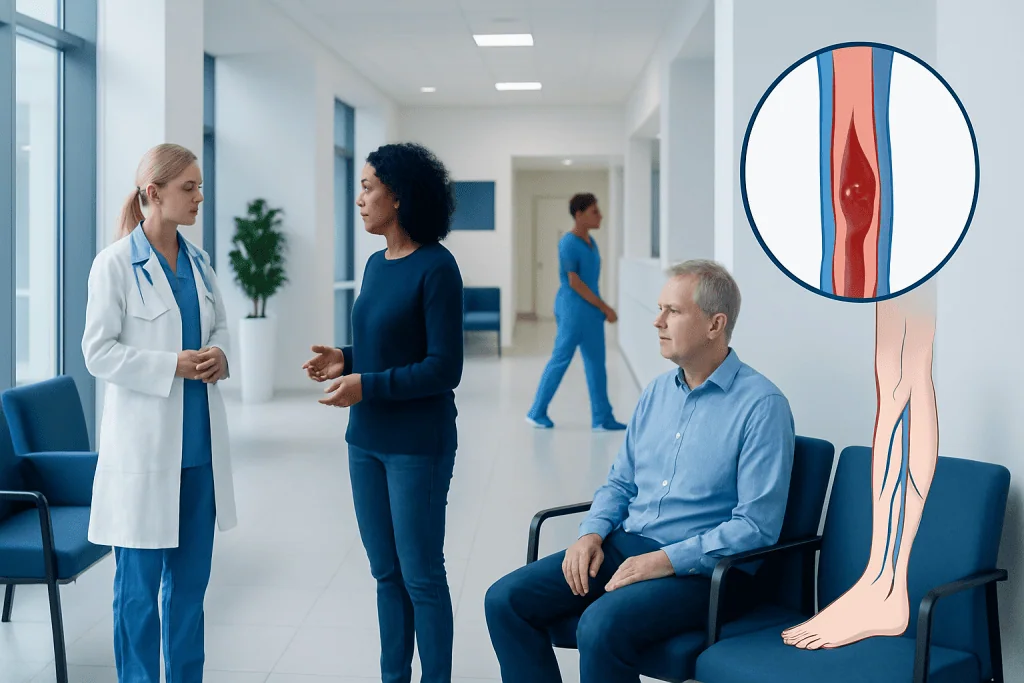
Deep vein thrombosis usually affects a deep vein in the leg and can sometimes occur with few symptoms. Prompt diagnosis matters because part of the clot can travel to the lungs and cause a pulmonary embolism.
Key Takeaways
- Deep vein thrombosis usually affects a deep vein in the leg and can sometimes occur with few symptoms.
- Prompt diagnosis matters because part of the clot can travel to the lungs and cause a pulmonary embolism.
- Treatment commonly includes blood-thinning medicines, compression strategies, movement, and selected procedures in specific cases.
- Risk rises with immobility, surgery, cancer, pregnancy, hormone therapy, older age, and inherited clotting tendencies.
- Healthy movement, hydration, and prevention plans during travel, hospitalization, or recovery can lower risk.
Deep vein thrombosis is a blood clot that forms in a deep vein, most often in the leg. With timely diagnosis and modern treatment, most people recover well and the main goal is to prevent the clot from growing, returning, or traveling to the lungs.
Overview: what deep vein thrombosis means
Deep vein thrombosis, often called DVT, is a blood clot that forms in a deep vein. It most commonly develops in the calf, thigh, or pelvis, although it can occur in other deep veins as well. The condition matters because a clot can block normal blood flow in the limb and, in some cases, a piece can break away and travel to the lungs.
That lung complication is called a pulmonary embolism. Not every DVT leads to this problem, but doctors take DVT seriously because early treatment can greatly reduce the risk. This is why unexplained leg swelling, pain, or redness should not be ignored, especially after surgery, long travel, or prolonged bed rest.
Modern care focuses on three goals: confirming the diagnosis accurately, preventing the clot from getting larger or moving, and lowering the chance of long-term vein damage. Depending on the person, treatment may involve medication, close follow-up, compression therapy, and in selected situations, minimally invasive clot-removal procedures or a filter device.
Symptoms and possible warning signs
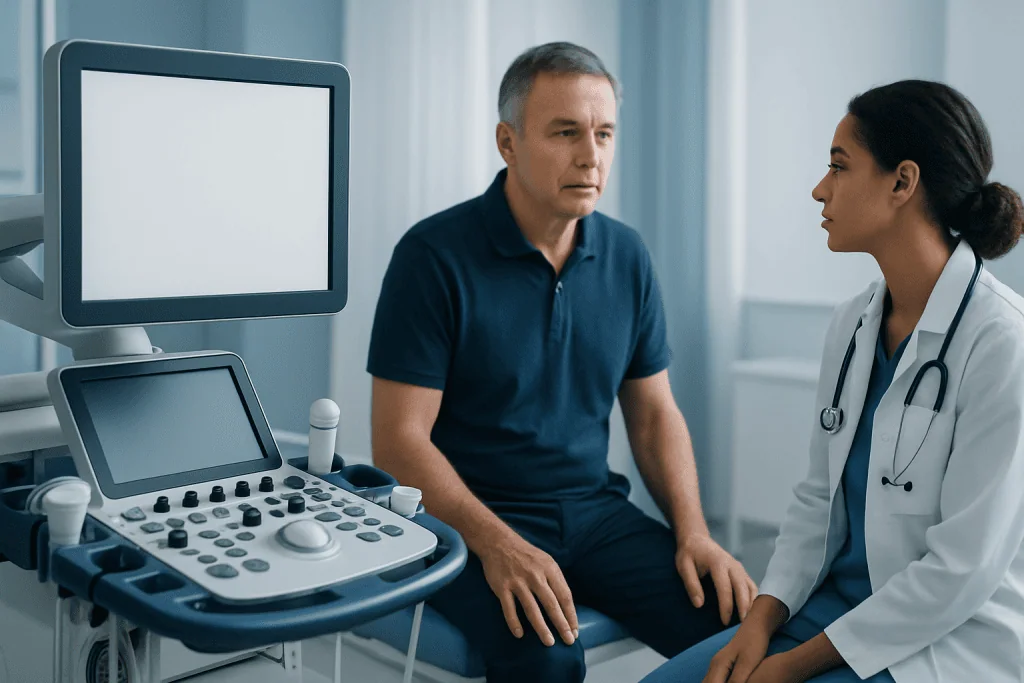
Deep vein thrombosis can cause clear symptoms, but some people have only mild signs or none at all. When symptoms do appear, they usually affect one leg, though both legs can be involved in certain situations. A blood clot in the arm is less common but may cause similar symptoms there.
Common symptoms include swelling in the leg or along a vein, pain or tenderness that may feel like cramping or soreness, warmth, redness, or skin discoloration. Symptoms may begin gradually or appear more suddenly. Pain often becomes more noticeable when standing or walking.
Because symptoms can overlap with muscle strain, varicose vein irritation, or skin infection, a medical assessment is important rather than self-diagnosis. The most urgent concern is signs of a clot reaching the lungs.
- Swelling in one leg, especially if new or unexplained
- Calf or thigh pain, tenderness, or a heavy feeling
- Warmth, redness, or color change in the affected limb
- Visible enlarged surface veins in some cases
- Shortness of breath, chest pain, coughing, or coughing blood, which require urgent medical attention
Why DVT happens: causes and risk factors
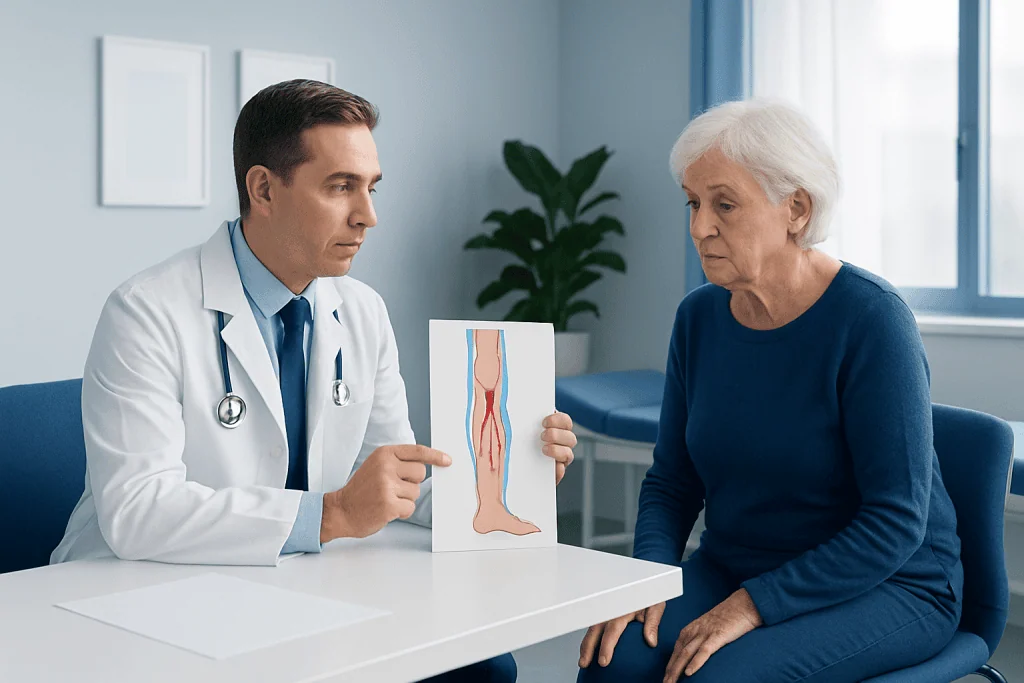
DVT usually develops when blood flow slows, the vein wall is injured, or the blood becomes more likely to clot. Doctors often think about these factors together rather than as a single cause. A person may develop DVT because several risks happen at the same time, such as surgery combined with immobility.
Long periods of reduced movement are a well-known trigger. This can happen after an operation, during hospitalization, after an injury, or on long flights and road trips. Major surgery, especially involving the pelvis, abdomen, or lower limbs, can increase risk because it may affect circulation and temporarily raise the body’s clotting response.
Other important risk factors include cancer, pregnancy and the weeks after delivery, estrogen-containing medicines such as some birth control pills or hormone therapy, smoking, obesity, heart failure, inflammatory disease, and increasing age. Some people also inherit clotting tendencies that make clots more likely, especially when combined with another trigger.
A previous DVT or pulmonary embolism is one of the strongest predictors of another clot. People with long-term venous disease or limited mobility may also have ongoing risk. For related vein problems, doctors may evaluate broader vascular diseases when symptoms or history suggest a wider circulation issue.
How deep vein thrombosis is diagnosed
Diagnosis starts with a clinical assessment of symptoms, timing, recent travel, surgery, medication use, pregnancy, personal history, and family history. Doctors estimate how likely a clot is before ordering or interpreting tests. This step is helpful because many leg symptoms are caused by conditions other than DVT.
The main imaging test is compression ultrasonography. It is noninvasive and commonly used because it can show whether a vein is blocked or cannot be compressed normally. In many cases, ultrasound provides enough information to confirm or rule out DVT, especially in the legs.
Blood tests may also help. A D-dimer test can support the evaluation, particularly when the chance of DVT is considered low. However, D-dimer alone cannot confirm a clot because it may be elevated for many reasons, including recent surgery, infection, pregnancy, or aging.
If the clot is suspected in veins that are harder to assess, such as pelvic veins, additional imaging may be needed. If symptoms suggest a clot has traveled to the lungs, doctors may also investigate for pulmonary embolism. Accurate diagnosis helps guide whether a person needs immediate blood thinners, observation, or a procedural approach.
Modern treatment approaches and expected outlook
The mainstay of deep vein thrombosis treatment is anticoagulation, often called blood-thinning therapy. These medicines do not dissolve the clot instantly, but they help prevent it from growing and reduce the risk of new clots while the body gradually breaks it down. Treatment length depends on where the clot is, what caused it, and whether the person has ongoing risk factors.
For many people, treatment can be managed safely with close follow-up and modern medications. Some patients need hospital care, especially if they have severe symptoms, a high bleeding risk, major medical illness, or a suspected pulmonary embolism. Doctors also consider kidney function, pregnancy, cancer status, and other medicines when choosing the safest option.
Selected patients may benefit from procedures when the clot is large, severely symptomatic, or threatens limb function. These options can include catheter-based treatment to remove or break up clot, or a stent if an underlying vein narrowing contributes to the problem. In some cases, doctors may discuss interventional radiology techniques or angiography as part of diagnosis and treatment planning.
An inferior vena cava filter may be considered when a person cannot take anticoagulants or has special high-risk circumstances, but it is not routine for everyone with DVT. Outlook is often good with timely care. Still, some people develop long-term swelling, discomfort, or skin changes known as post-thrombotic syndrome, which is why follow-up and prevention of recurrence are important.
Living with DVT: recovery, prevention, and self-care
Recovery after DVT is usually gradual. Many people can return to usual activities as advised by their doctor, and regular walking is often encouraged because movement supports circulation. The exact plan depends on symptoms, clot location, and treatment type, so individual medical guidance is important.
Self-care often includes taking anticoagulant medicine exactly as prescribed, attending follow-up visits, and understanding bleeding precautions if a blood thinner is being used. Some people are advised to wear compression stockings, especially if they have ongoing swelling or discomfort, although this recommendation is individualized rather than universal.
Prevention focuses on keeping blood moving and reducing known risks. During travel or periods of sitting, it helps to stand, stretch, flex the ankles, and stay hydrated. After surgery or hospitalization, an early mobilization plan and, when appropriate, preventive medicines or compression devices can reduce the chance of another clot.
- Move regularly during long trips and avoid sitting still for hours
- Follow rehabilitation and walking advice after surgery or illness
- Discuss hormone medicines, pregnancy, or family clotting history with a doctor
- Maintain a healthy weight and avoid smoking if possible
- Ask about prevention before major procedures, especially if DVT happened before
When to seek medical care
Medical care should be sought promptly for new one-sided leg swelling, unexplained calf or thigh pain, tenderness, warmth, or redness, especially after surgery, illness, long travel, or bed rest. Even when symptoms seem mild, assessment is worthwhile because DVT can sometimes progress quietly.
Emergency care is needed for sudden shortness of breath, chest pain, rapid breathing, fainting, or coughing blood. These can be signs that a clot has moved to the lungs and require urgent evaluation.
People already diagnosed with DVT should contact their doctor if symptoms are getting worse, if there are signs of bleeding while on anticoagulants, or if new symptoms appear in another limb. Near the end of the care pathway, some patients may need broader assessment by specialists in cardiovascular surgery or vascular medicine when anatomy, recurrence, or complications make treatment more complex.
Acibadem International’s multidisciplinary specialists and JCI-accredited hospitals diagnose and treat deep vein thrombosis for international patients, with care plans based on imaging findings, overall health, and individual risk factors.
Frequently asked questions
Is deep vein thrombosis an emergency?
Deep vein thrombosis itself needs prompt medical attention because the clot can grow or travel to the lungs. It becomes an emergency if there is shortness of breath, chest pain, fainting, or coughing blood, as these may suggest pulmonary embolism.
Can a DVT go away on its own?
The body may gradually break down a clot over time, but untreated DVT can become dangerous. Medical treatment is used to reduce the risk of clot extension, recurrence, and lung complications.
How long is treatment for deep vein thrombosis?
Treatment length varies based on the location of the clot, what triggered it, and whether risk factors are temporary or ongoing. Some people need a limited course, while others require longer treatment after careful medical review.
Does everyone with DVT need to stay in the hospital?
No. Many people can be treated outside the hospital if they are stable and have a safe follow-up plan. Hospital care may be needed for severe symptoms, high bleeding risk, serious illness, or suspected pulmonary embolism.
What is post-thrombotic syndrome?
Post-thrombotic syndrome is long-term vein damage that can happen after a DVT. It may cause chronic swelling, heaviness, aching, skin changes, or discomfort in the affected leg, which is why follow-up care is important.
Can flying or long travel cause deep vein thrombosis?
Long travel can increase risk because sitting still for hours slows blood flow in the legs. The risk is higher if a person also has other factors such as recent surgery, cancer, pregnancy, obesity, or a previous clot.
References
- World Health Organization
- Centers for Disease Control and Prevention
- National Heart, Lung, and Blood Institute
- American Heart Association
- Society for Vascular Surgery
This article is for general information only and is not a substitute for professional medical advice. Please consult a qualified doctor about your individual situation.
Deep Vein Thrombosis in Turkey — costs, top hospitals & a free quote
JCI-accredited · board-certified surgeons · reply within 24h
Add us as a Preferred Source to see more of our trusted health content across Google Search, AI Overviews and Discover.

Cardiology Department
Diagnosis and treatment of heart and vascular conditions, from prevention to advanced interventional procedures.
90 specialists in this unitMore from the Health Library



Related Specialists
Dyt. Gülden Cinasal Demir
Nutrition & Diet
Prof. Dr. Hatem Hakan Selçuk
Interventional Neuroradiology
Dr. İsmail Tamer
General Surgery
Fzt. Ömür Akgül
Physical Medicine & Rehabilitation